Your browser does not support the audio element.
Longevity optimization is a relatively new trend that’s sweeping across the nation. Unlike the supplement craze of the 1990s, longevity training is more about data, diagnostics and medical intervention. This week, I’ll discuss this trend in greater detail and introduce an exercise that’s perfect for those looking to improve quality of life.
Thirty-five years ago, fitness enthusiasts became enamored of the concept of nutritional supplementation. The overarching marketing message was that food intake was insufficient to maximize one’s health outcomes — even with a solid training program. The American public bought in, and supplement stores began to populate the suburban landscape. These powders, capsules, and elixirs eventually migrated to gyms and studios across the nation and are still very much part of the commercial fitness industry today.
The difference between the ’90s and today is the thirst for information, diagnostics and data. Rather than simply buying a protein supplement and hoping it works, people want to see the evidence in their blood work. Consumer diagnostics demand is exploding through all sorts of channels including but not limited to: wearable devices, longevity health coaching programs and hormone replacement therapy. People are looking to not only learn more about their own health, but find ways to feel better, look better and optimize performance levels.
Like any consumer health trend, the follow-through is the most important part. Laboratory results might highlight optimization gaps in certain analytes, revealing an opportunity for change. That change might require nutritional adjustments, increased physical activity or supplementation. There are companies that will jump straight to supplementation, such as hormone therapy or the afore mentioned powders and elixirs. Be wary of those situations, especially as financial commitments come with the territory. In many cases, a solid diet and exercise program is all that’s needed to get laboratory results in range — particularly if those analytes are related to cardiometabolic conditions such as obesity or type 2 diabetes.
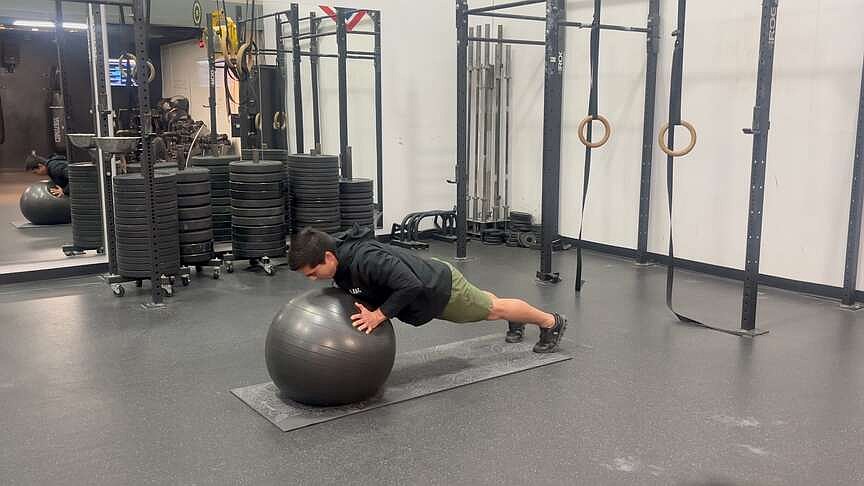
This week’s exercise is a great addition to any fitness program focused on improving cardiometabolic analytes. The Squeezy Pushup is also modifiable for all fitness levels, adding to the versatility of this cool move.
1. Select a Swiss Ball (the big bouncy ones) and kneel down in front of it on an exercise mat.
2. Place one hand on either side of the Swiss Ball, about halfway between the top center and the side.
3. Move your knees back from the ball.
4. From here, remain on your knees and lower your chest down to the ball.
5. Press your hands firmly into the ball to press yourself back up in the “up” phase of the pushup.
6. Continue this pattern for 15 repetitions, two sets.
The Squeezy Pushup becomes more challenging as the hands move lower on the sides of the ball, and easier as the hands move higher. Try experimenting with different hand positions to see what’s most comfortable based on fitness level.
Director of new business development-workforce health solutions for Quest Diagnostics in Kansas City, Mo., Matt Parrott loves to hear from readers. Write to him at: vballtop@aol.com
Support journalism that digs deeper into topics that matter most to Arkansans. Donate today to preserve the quality and integrity of local journalism.