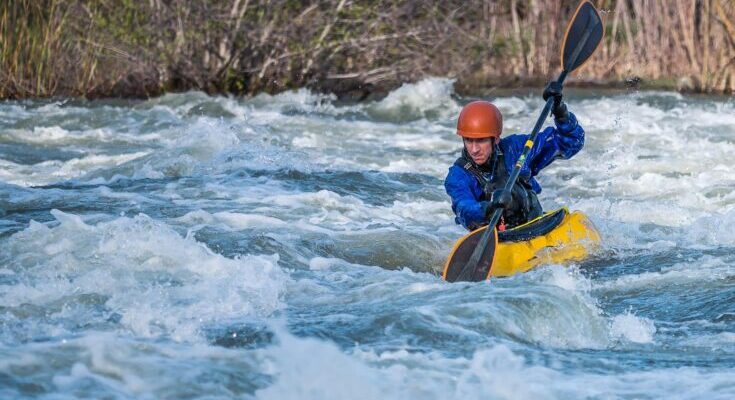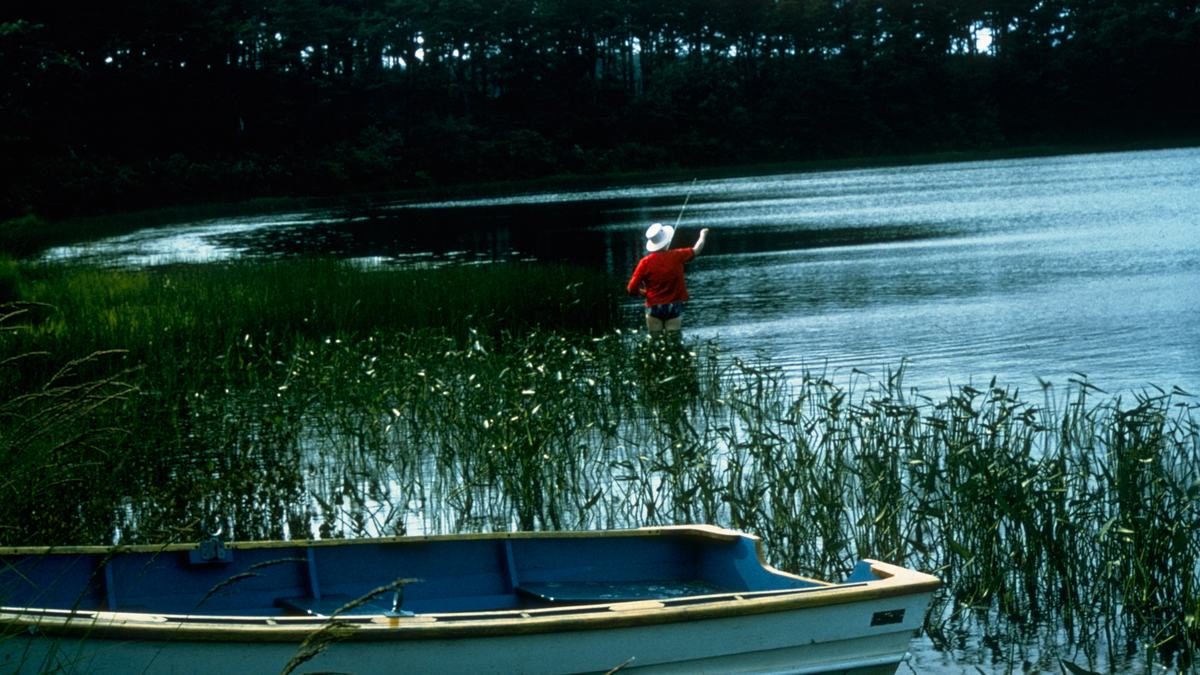

Massachusetts says its outdoor recreation economy generated about fourteen point six billion dollars in 2025 and supported nearly 112,000 jobs. The state’s energy and environment office, citing new federal data, says the sector grew 4.9 percent. That beat the national rate of 3.5 percent and ranked third among all fifty states. Hiking, climbing and tent camping grew 7.9 percent, snow activities grew 5.3 percent, and outdoor-related food and beverage jumped 19.2 percent. The state’s release does not say whether its growth rates are adjusted for inflation, so comparisons with national figures should be made carefully. Nationally, the Bureau of Economic Analysis reports the sector made up 2.3 percent of the economy, or 704.2 billion dollars. Paul Jahnige, who leads the state’s Office of Outdoor Recreation, called it a growing economic engine for Massachusetts.
Key points
- Massachusetts’ outdoor recreation economy generated $14.62 billion and nearly 112,000 jobs in 2025, according to the state’s EEA.
- Hiking, climbing and tent camping grew 7.9% in the state and snow activities 5.3%, the EEA release says.
- Nationally, inflation-adjusted outdoor recreation GDP rose 1.9% in 2025, and boating and fishing was the largest conventional activity.
Massachusetts’ outdoor recreation economy generated $14.62 billion in economic value and nearly 112,000 jobs in 2025. The figures come from new data from the Bureau of Economic Analysis (BEA), part of the federal Commerce Department, according to the state’s Executive Office of Energy and Environmental Affairs (EEA).
The state’s outdoor recreation economy grew by 4.9% in 2025, the EEA said in a release dated November 25. That outpaced the national growth rate of 3.5%, it said.
Massachusetts ranked third among all 50 states for annual growth and led New England, according to the state. Last year, the BEA reported that outdoor recreation contributed over $13 billion to the state’s economy and created 103,600 jobs, the release adds.
Food, hiking and snow grew
Several outdoor activities grew in Massachusetts in 2025, the state says. Hiking, climbing and tent camping grew 7.9%. Snow activities grew 5.3%.
Outdoor recreation-related food and beverage grew 19.2%, according to the release.
The money also flowed through several of the state’s industries. Retail trade accounted for $2.80 billion and accommodation and food services for $2.78 billion, the EEA says. Manufacturing added $1.68 billion, and arts, entertainment and recreation $1.61 billion.

Read also
Isolated severe storms with damaging winds and perhaps a tornado or two are possible from the Ohio Valley to the central Gulf Coast states Sunday, and the Mid-Atlantic could see locally heavy rain
“In Massachusetts, outdoor recreation is more than an opportunity to get outside and enjoy nature. It’s a growing economic engine for our state,” said Paul Jahnige, director of the Massachusetts Office of Outdoor Recreation (MOOR).
The BEA data reinforces why continued investment in outdoor recreation matters for the state’s economic well-being and public health, Jahnige said. The office was established in December 2022.
The national picture
The BEA published its new outdoor recreation statistics for the nation, all 50 states and the District of Columbia on November 18. Nationally, the value added of the outdoor recreation economy accounted for 2.3% of current-dollar gross domestic product (GDP) in 2025, or $704.2 billion.
Measured after inflation, the sector’s GDP rose 1.9% in 2025, the BEA says. The overall economy grew 2.3%, and the sector itself had grown 2.5% in 2024.
The state release does not say whether its 4.9% and 3.5% growth rates are adjusted for inflation. Readers comparing the two releases should keep that in mind.
As a share of state GDP, outdoor recreation value added ranged from 6.1% in Hawaii to 1.0% in the District of Columbia. Outdoor recreation employment increased in 43 states and the District of Columbia in 2025, the agency reports.
Job growth ranged from 5.0% in Rhode Island, Kansas and the District of Columbia to a 1.1% decline in New Jersey and Alabama. Nationally, the sector’s real gross output rose 2.1%, compensation 4.6% and employment 1.7%, the BEA says.
Boating and fishing come first
The BEA sorts outdoor recreation into three groups. Conventional activities include bicycling, boating, hiking and hunting. Other activities include gardening and outdoor concerts, while supporting activities include construction, travel and tourism, local trips and government spending.
Boating and fishing was the largest conventional activity nationally, at $39.1 billion in current-dollar value added. It was the largest conventional activity in 35 states and the District of Columbia, according to the BEA.
RVing came second, at $26.8 billion in current-dollar value added, and hunting, shooting and trapping third, at $15.1 billion. Snow activities totaled $7.8 billion and were the largest conventional activity in Colorado, Utah and Vermont.
Supporting activities made up 51.5% of the sector’s value added in 2025. Conventional activities accounted for 29.2% and other activities for 19.3%.
Florida, California and Texas led the boating and fishing totals. Indiana had the largest RVing contribution, at $4.7 billion, and Colorado the largest for snow activities, at $1.8 billion.
Investments and the Mass Ready Act
Governor Maura Healey linked the sector to the state’s investments in the outdoors. “Our investments in parks, open spaces and transportation infrastructure are connecting more people to the outdoors, bringing visitors to our communities and creating economic opportunities across the state,” Healey said.
Lieutenant Governor Kim Driscoll pointed to the Mass Ready Act, which Driscoll said will help protect lands and waterways, expand outdoor recreation opportunities and support the businesses and communities that rely on those natural re
The Massachusetts figures and quotes come from the EEA release of November 25, 2026. National figures come from the BEA’s Outdoor Recreation Economic Statistics, U.S. and States, 2025, released on November 18, 2026.
National Park Service Digital Image Archives
Adrián Villellas
Adrián Villellas is a computer engineer and entrepreneur in the fields of digital marketing and advertising technology. He has led projects in data analysis, sustainable advertising, and solutions for new audiences. He also contributes to scientific initiatives related to astronomy and space observation. He writes for science, technology, and environmental media outlets, where he makes complex topics and innovative advances accessible to a broad audience.
More from Adrián Villellas
Get ECOnews every Monday and Wednesday: the best green news, in your inbox
Comments· 0
No comments yet. Be the first to share your view.