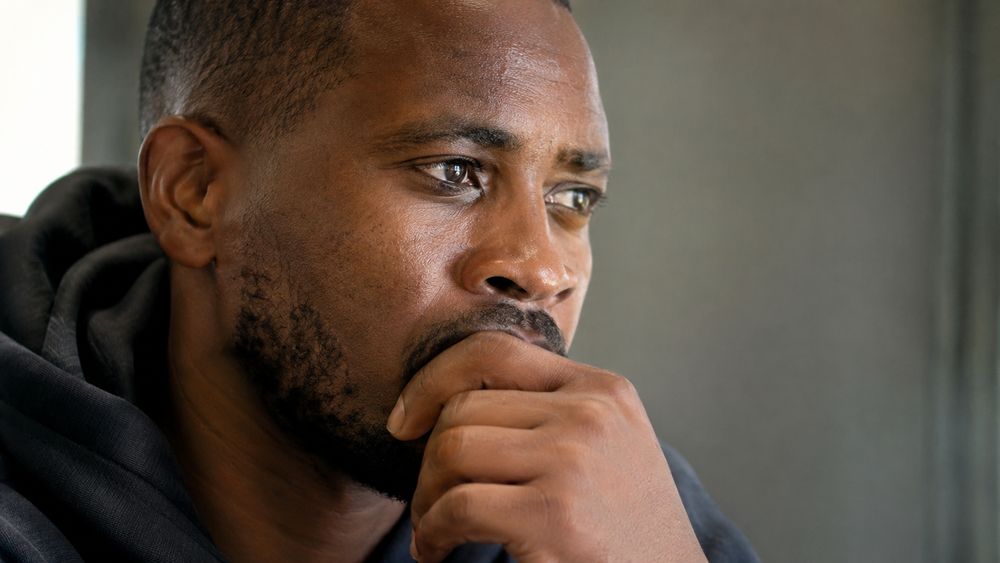
Expectations that men should be strong, independent and able to cope on their own continue to create barriers to mental health support in South Africa, with stigma and fear of showing vulnerability discouraging some from seeking help.
The issue is receiving renewed attention during Movember, a campaign that raises awareness about men’s health, including mental health and suicide prevention.
Research published in 2025 points to some of the reasons behind this pattern.
A study published inBMC Public Health, involving 88 young South African men, found that early socialisation and expectations around masculinity influenced how men expressed emotional distress and approached help-seeking.
Participants described expectations of independence, pride and self-reliance, which could make asking for assistance difficult.
The study identified stigma, fear of knowing one’s health status, self-medication, cultural expectations and masculinity beliefs as factors contributing to poor healthcare utilisation.
The findings suggest that reluctance to seek help is not necessarily a lack of concern about health, but can be shaped by social expectations that discourage men from acknowledging vulnerability.
The consequences are particularly concerning in relation to mental health.
South African Medical Research Council data show that men are approximately 4.4 times more likely than women to die by suicide, with 11.5 suicides per 100 000 people recorded nationally in 2020/21. The highest rate was among people aged 15 to 44.
Lance Blumeris from digital health platform Unu Health said efforts to improve men’s health outcomes should focus on understanding and addressing the barriers that prevent men from seeking assistance.
“The answer isn’t to tell men to simply ‘man up’ and go to the doctor,” Blumeris said. “We need to understand what makes that first step difficult and find ways of removing some of those barriers.”
Stigma and masculinity create barriers to seeking help
He said access to less intimidating healthcare options could encourage men to seek assistance earlier.
These could include digital consultations, private health screenings and opportunities to speak to medical professionals without having to take time away from work or other responsibilities.
Blumeris said concerns about privacy could also discourage men from visiting healthcare facilities, particularly when they feared encountering someone they knew or having to discuss personal matters in an uncomfortable environment.
Digital consultations could provide an alternative entry point into the healthcare system, although they do not replace face-to-face medical care where it is required.
South Africa’s National Integrated Men’s Health Strategy identifies flexible services, male-centred care, stigma reduction and the use of digital health services as measures to improve men’s engagement with healthcare.
The issue ofmen’s mental health and emotional distresshas also been highlighted in discussions about the way men experience and express mental health difficulties.
Community outreach encourages men to seek support
Mental health organisations are also taking awareness initiatives into communities.
The South African Depression and Anxiety Group (SADAG) has been using Men’s Health Month to encourage men experiencing emotional difficulties to seek support.
“This Men’s Health Month, we’re sending love to every man who is struggling, silently fighting battles, or finding the courage to ask for help,” the organisation said.
“You are seen, you are heard, and you are not alone. Your feelings matter, and so does your Mental Health.”
SADAG’s Ivory Park team recently conducted a door-to-door outreach programme at Themba Khoza informal settlement, where it engaged residents on mental health, shared information and distributed brochures to help community members identify where they could access support.
The initiative forms part of efforts to improve mental health awareness and make information about available support more accessible within communities.
Community conversations about men’s mental healthhave also focused on creating safe spaces for men to discuss emotional difficulties and other challenges.
Blumeris said society also needed to change how it viewed men who sought help.
“We need to stop treating help-seeking as a sign that someone isn’t coping,” he said. “Seeking help is actually an act of taking responsibility for your health! The earlier someone asks the question, the more opportunity there is to find an answer.”
Men experiencing persistent anxiety, hopelessness, withdrawal or difficulty coping are encouraged to speak to a healthcare professional or mental health support organisation.
Anyone experiencing thoughts of suicide or who believes they may harm themselves should seek urgent professional or emergency assistance.
The challenge, health advocates argue, is to ensure that seeking help is not treated as a sign of weakness, but as an essential part of men’s health.