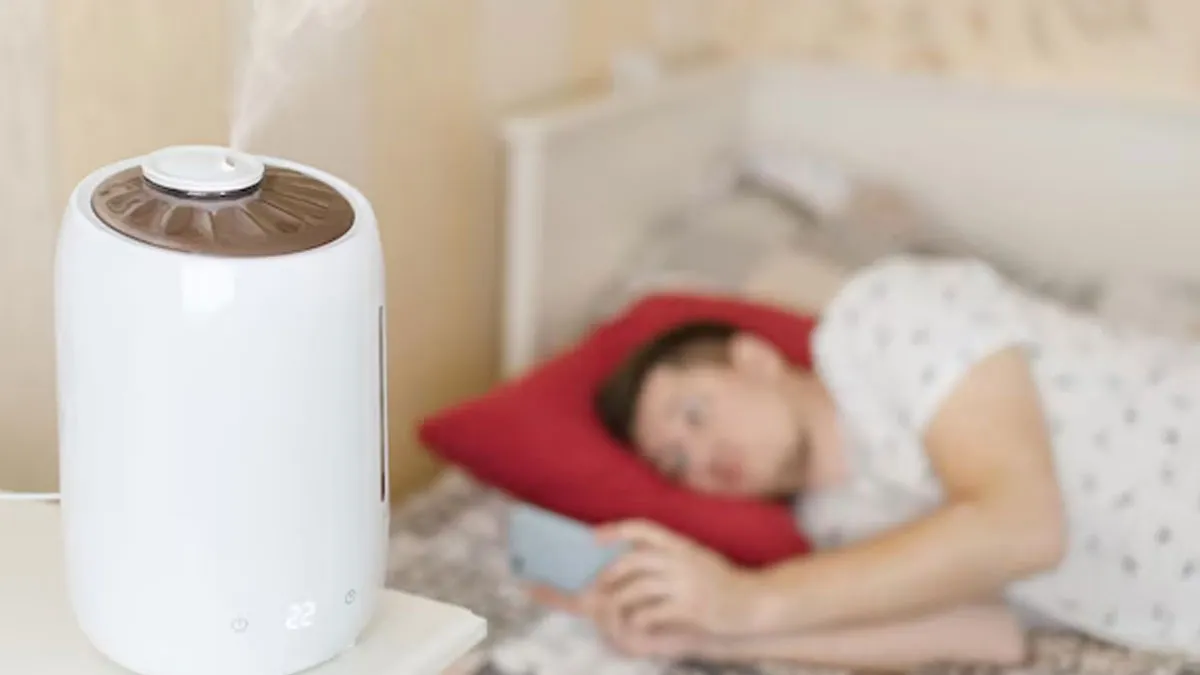
Air pollution is commonly associated with breathing difficulties, asthma and heart problems. However, emerging research suggests that its effects may extend to metabolic health too. A new study has found that using air purifiers while sleeping may help improve blood sugar control in people with prediabetes.
Published in the American Heart Journal, the study found that reducing exposure to fine air pollution particles at home, particularly in the bedroom, was linked to fewer blood sugar fluctuations and smaller morning glucose spikes.
What Did Researchers Find?
Researchers from the New York University in the US, studied more than 150 adults with prediabetes. The participants did not have any known build-up of cholesterol in their arteries, a condition known as atherosclerosis.
- Half of them slept with portable air filters in their bedrooms for around a month, while the remaining participants used sham filters that did not clean the air.
- The actual filters used high-efficiency particulate air (HEPA) technology and reduced harmful airborne particles in participants’ bedrooms by 36%.
- Researchers monitored the participants’ blood sugar levels using continuous glucose monitors. These small wearable sensors tracked glucose levels every few minutes for one week before the filtration period and again after four weeks.
The findings showed that cleaner bedroom air was associated with a reduction in daily blood sugar fluctuations. Participants also experienced smaller morning blood sugar spikes after breakfast. The total rise in glucose following breakfast and peak glucose levels also decreased on average.
Why Does Air Pollution Affect Blood Sugar?
Exposure to air pollution has been linked to an increased risk of insulin resistance, Type 2 diabetes and cardiovascular disease. Fine particulate matter can enter the body through breathing and trigger inflammation and oxidative stress.
These processes may interfere with how the body responds to insulin, the hormone responsible for helping glucose enter cells from the bloodstream.
When the body becomes less sensitive to insulin, it may struggle to regulate blood sugar effectively. This can increase the risk of developing Type 2 diabetes over time.
The study adds to growing evidence that poor air quality may affect more than just the lungs. It also highlights the potential importance of indoor air quality for people who are already at risk of metabolic and heart-related conditions.
Can an Air Purifier Prevent Diabetes?
Not necessarily. The study suggests that cleaner indoor air may support better blood sugar regulation in people with prediabetes, but it does not establish that air purifiers can prevent or treat diabetes.
The researchers also acknowledged the need for further investigation into the long-term effects of reducing indoor air pollution.
People with prediabetes should continue to prioritise established preventive measures, including regular physical activity, a balanced diet, weight management and routine blood sugar monitoring. Those prescribed medication should continue taking it as advised by their doctor.
Using a suitable HEPA air purifier may be an additional step towards reducing exposure to indoor particulate pollution, particularly in areas with poor outdoor air quality. The larger message is that air pollution could have implications beyond respiratory health. Protecting the air we breathe may also matter when it comes to maintaining healthy blood sugar levels.