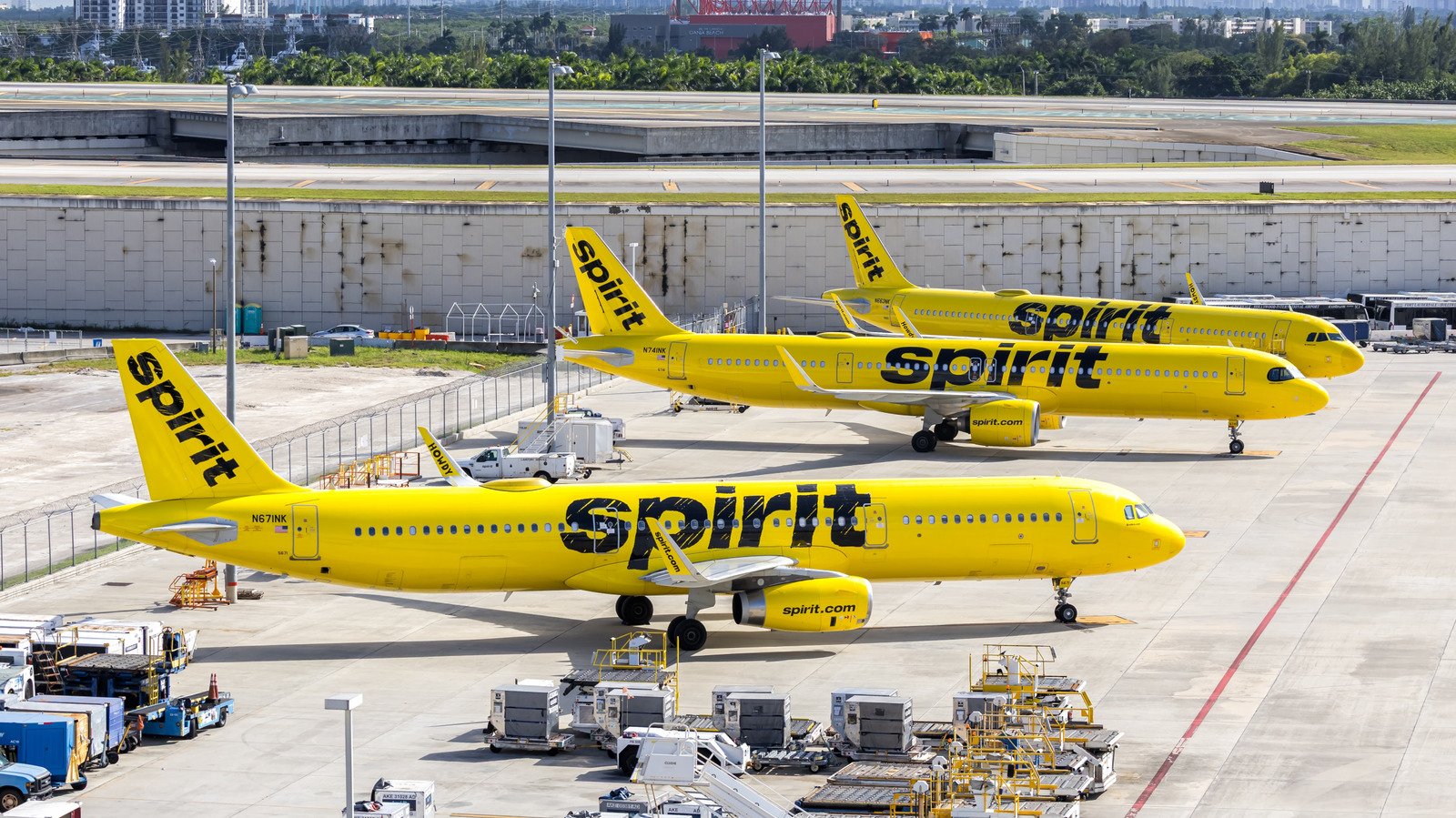
Recently shuttered bargain basement airline Spirit was going absolutely gangbusters a decade ago. In 2014 the company was adding aircraft to its fleet, adding new routes to its itineraries, and promising $100 million in stock buybacks to keep shareholders happy. Spirit was, if you’ll pardon the pun, flying high, and being heralded as the fastest-growing airline in America.
This was one of the worst rated customer service experiences in any business sector. However, it wasn’t the customer service that did it, as Americans are notoriously cheap people who will put up with a lot of inconvenience just to save a few bucks. Spirit’s successes, and its failures, were based on shallow profit margins and minimal pricing for its flights. The airline won customers with its cheap tickets, whether they were unhappy or not, but those extremely thin margins meant it was ill-prepared for the global pandemic that devastated the travel industry.
To make matters worse, the company’s lifeline – a merger with JetBlue – was blocked by the Biden administration’s antitrust action, and just a few years later Donald Trump’s simultaneous tariff-driven inflation crisis and war-induced oil price explosion in Iran put the struggling airline in trouble enough to deliver a TKO.
In just five years, Spirit went from being America’s staid seventh largest airline to being completely defunct. While it could retreat into a corner, keep its gloves high, and stand alone with one of those haymakers, it was the one-two-three-four combo punch that really put it down for the count. This entire scenario is best summarized in the recent Wendover Productions video above, and we’re going to take a deeper look at some of the parts played by Biden and Trump.
How is this Joe Biden’s fault?
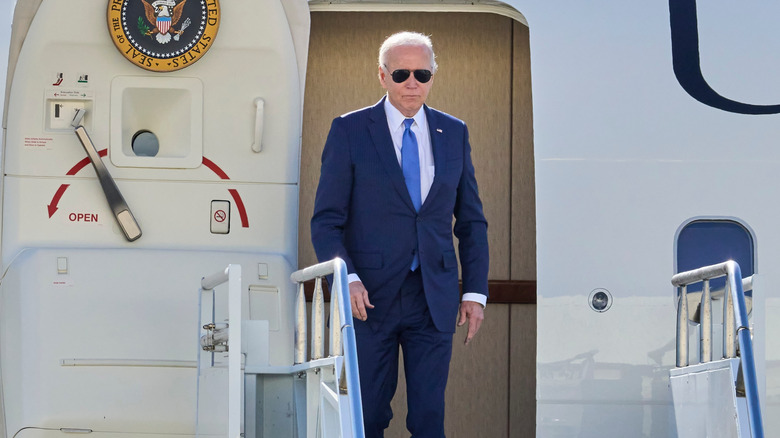
The Biden administration, led by Federal Trade Commission Chairwoman Lina Khan, was one of the most forceful antitrust presidents in recent memory. A deal to buy a battered post-Covid spirit was only on the table for Frontier in 2022 for $6.6 billion. JetBlue later struck a takeover deal with Spirit with better terms, and the board decided to pursue it instead, despite the greater possibility that it would lead to an antitrust investigation. The idea with Frontier, at least, was that both airlines were focusing on cheap fares and thus would not suffer a loss of affordable flight options, while Jet Blue would have turned Spirit’s operations over to itself and offered better service at higher prices, potentially driving some American travelers out of the market.
But Khan and the Biden Justice Department strongly opposed any reduction in airline competition, arguing that Spirit as a whole was better for the industry, because competition from Spirit’s cheaper tickets helped other airlines also offer less expensive tickets. And consumer-focused hawks did not believe Spirit fit the definition of a “failing firm”, which would have allowed friendly antitrust treatment from the DOJ.
After travel restrictions due to Covid, an overall slowdown in travel, reduced spending due to inflation, and Millennials and Gen Z choosing to YOLO their savings on high-end air travel (can’t afford a house, might as well enjoy life, right?) Spirit was on its last legs, but still standing, when Biden left office.
How is this Donald Trump’s fault?
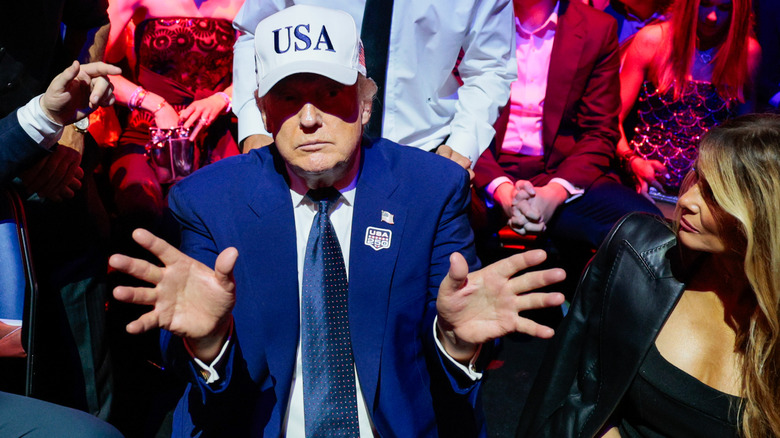
I think it’s safe to say that Donald Trump’s absurd experiment with punitive tariffs is the biggest failure in American economic history since Reagan. As the US economy began to stabilize after the COVID-19 pandemic, the President decided to cancel every trade deal the country had ever made, including his own deal. With inflation continuing to be an issue and jobs numbers dire, it stands to reason that leisure travel was off the table for America’s working class.
2025 was a tough season, and Spirit was beaten and bloodied, filing for bankruptcy twice, but still had enough to keep the gloves on. Then in 2026 there was a war with Iran and the closure of the Strait of Hormuz, causing a huge increase in fuel prices. With Spirit relying on thin margins to stay afloat, this surge in expenses on its books was the final uppercut to ringing its bell. Without another airline to save Spirit, the only opportunity to save the company was the Trump bailout.
Donald J. The art of Trump’s deal was to offer Spirit a half-billion dollar loan in exchange for federal control of 90% of the airline’s shares. Apparently, Spirit’s shareholders rejected the offer and instead decided to cease operations. The 64-year-old company collapsed in early May and its fleet of 172 aircraft was idled, leaving about 15,000 employees unemployed.
It is impossible to know how things would have been different if the merger had been allowed. Perhaps JetBlue will be fine, or the larger company will collapse under the burden of high costs. What is certain is that the United States went to war in Iran and got nothing back except a collapsing economy and a depleted airline.