Formula 1 has been a global sport for most of its existence, with its main product being TV broadcasting. Of course, in-person attendance matters, but most fans see the magic of F1 on TV first, before even stepping onto the racetrack. It’s the hook, and what creates intrigue and keeps fans for life. And, as I had the chance to find out at the Canadian Grand Prix last month, packaging one of the world’s most complex, technologically advanced and logistically challenging sports for an audience of 820 million people around the world is no easy feat. This is where Lenovo comes in.
Lenovo is the official technology partner of F1, but in an age when “the official chocolate of F1” exists, it’s easy to take these partnerships for granted. I felt more or less the same way about it until I discovered how a tech company helps bring the magic of F1 not just to the fans but to the teams as well. Plus, after going behind the scenes at its On-Track Event Technical Center (ETC), I understood how everyone, including me (!), directly benefits from these two giant brands working together.
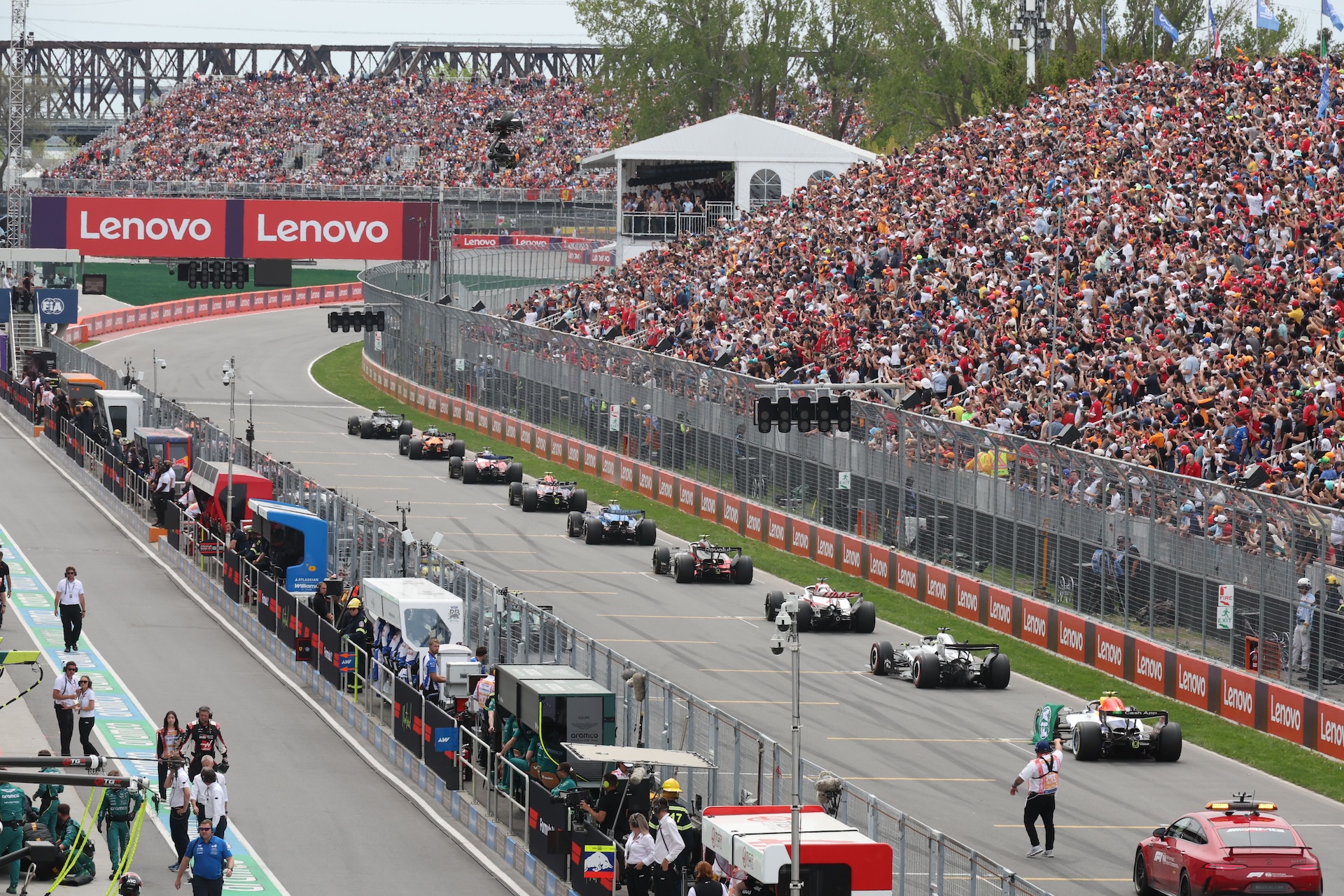
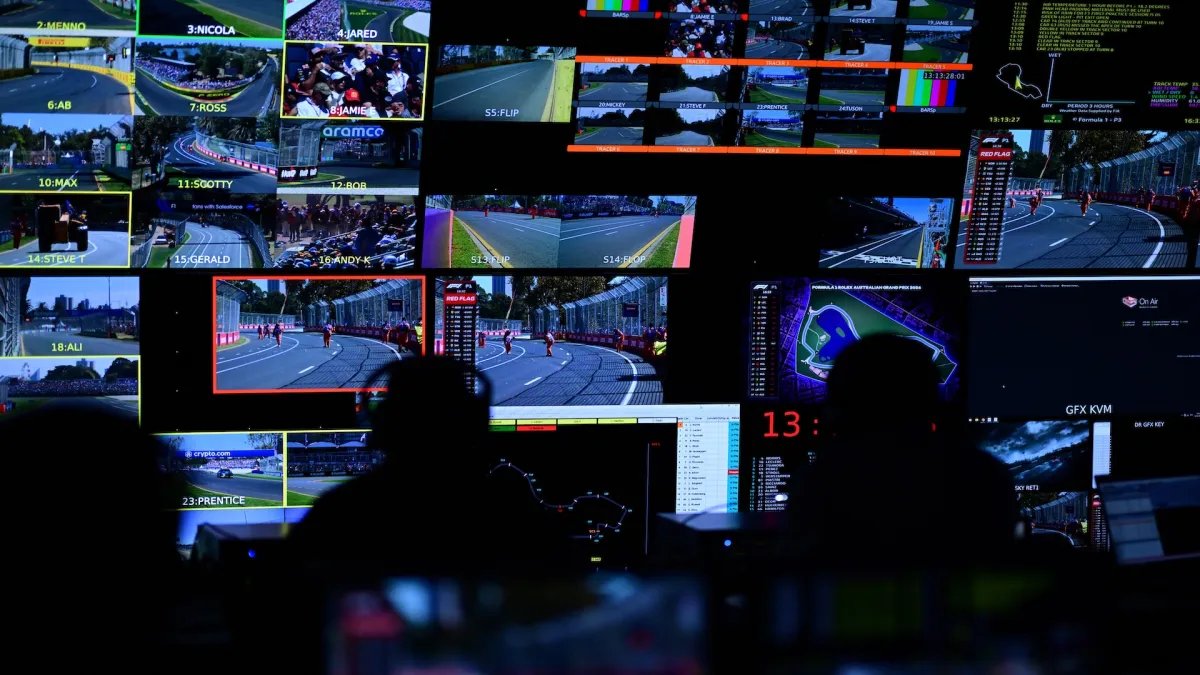
I witnessed real-life, real-time testing of all the technical infrastructure at the track, including deploying both the Safety Car and Medical Car to lap the circuit, while the teams responsible for broadcasting, timing and scoring and in-car telemetry ran simulations to get ready for the big day. It was equally interesting and intense. Unfortunately, due to the sensitive nature of the action taking place inside ETC, I couldn’t take any photos or video, so what you see is provided by Lenovo.
infrastructure
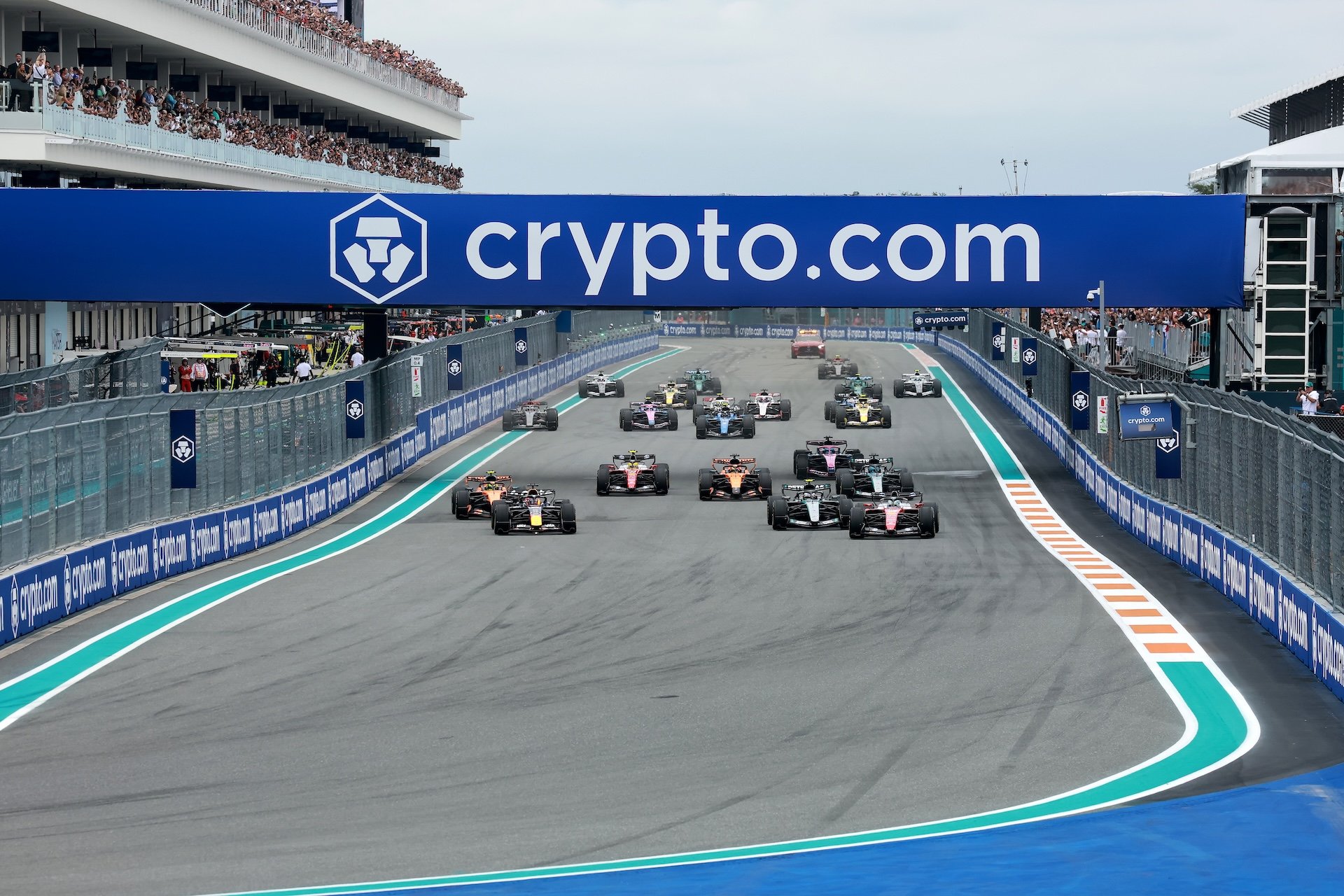
As I see it, before any testing can take place, any TV broadcasts, and indeed any actual lapping by F1 cars, Lenovo and F1 have to set up a small town’s worth of technical infrastructure at any given track. Now, you might think that because most of these are permanent circuits, a lot of them would be already installed, but the truth is that F1 runs on such a precise and controlled environment, and it has to be delivered with utmost precision and uniformity. Whether it’s in Australia or Las Vegas, most of the sensors, wiring, TV cameras and networking are brought in and installed days before the GP.
Some of the outrageous facts I discovered included the installation and wiring of sensors on the track. Have you ever wondered how a race director knows if a car has jumped at the start, or moved even a millimeter, when it should have remained completely still when the lights went off? It’s not just the car’s transponder or telemetry that can show this, as a review would have to request it. There are also sensors drilled a foot deep into the ground, just below the grid bracket for each car. You can’t see them on TV because the holes are filled with tarmac above, so they’re invisible, but they’re there.

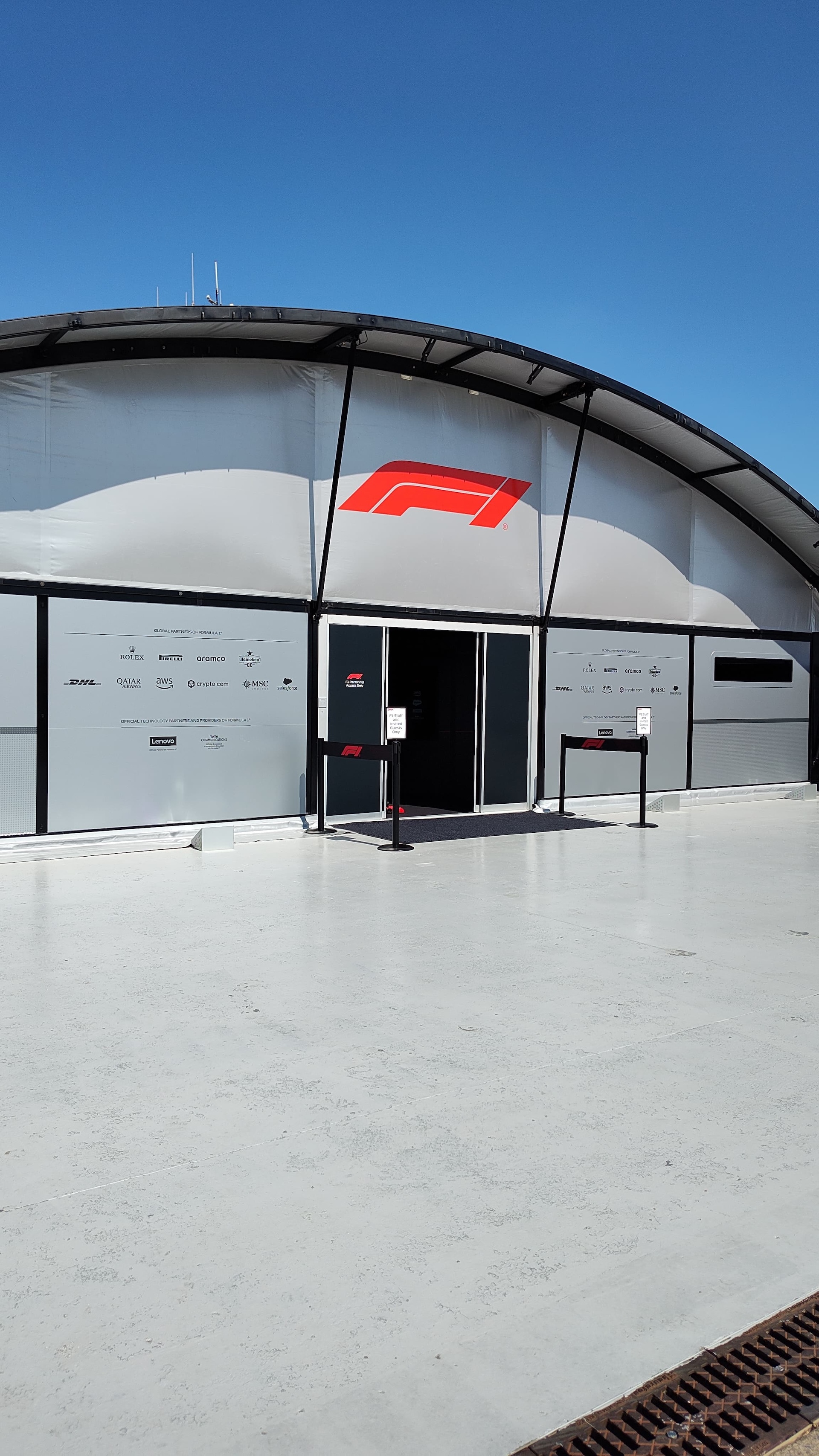
With 32 miles of wiring, hundreds of Internet routers, lighting (for either night racing or yellow flags, safety cars, etc.), relay points, closed-circuit cameras, HD TV cameras, and the appropriate personnel, I began to get a sense of what needed to be done behind the scenes to get ready for the first lap of Friday practice.
Event Technical Center (Travel)
I’m no tech expert, but I can still understand the big data behind Etsy, the largest and most complex travel feature of its kind in the world. It consists of 750 pieces of equipment running 40 specialized software systems, primarily for broadcasting, timing, comms, scoring, and transmitting large amounts of data wirelessly with minimal lag. In fact, over a race weekend, it processes 350,000 to 400,000 timing transponder passing events, produces 750 to 800 pages of official electronic documents, and generates approximately 300 to 400 GB of data per track outing. In total, Lenovo claims to process approximately 8 terabytes of data per racing weekend, including broadcast and telemetry data, which is linked in real time to ETC’s mothership, the Media & Technology Center in the UK.
Going inside ETC was pretty neat, mostly because you feel like you’re entering a combination of Dr. Evil’s lair, a major airport’s control tower, and a government situation room. Security is very tight; Only certain people have access to it. Given all the servers and computers, it’s dark enough inside to keep the temperature somewhat cool, and you really only see the brightness of the monitors and small lights from the computers. There are several rooms inside, all separated by sliding doors, so teams can have their own little environment inside the footprint of the ETC tent, which is approximately 80 feet by 50 feet.
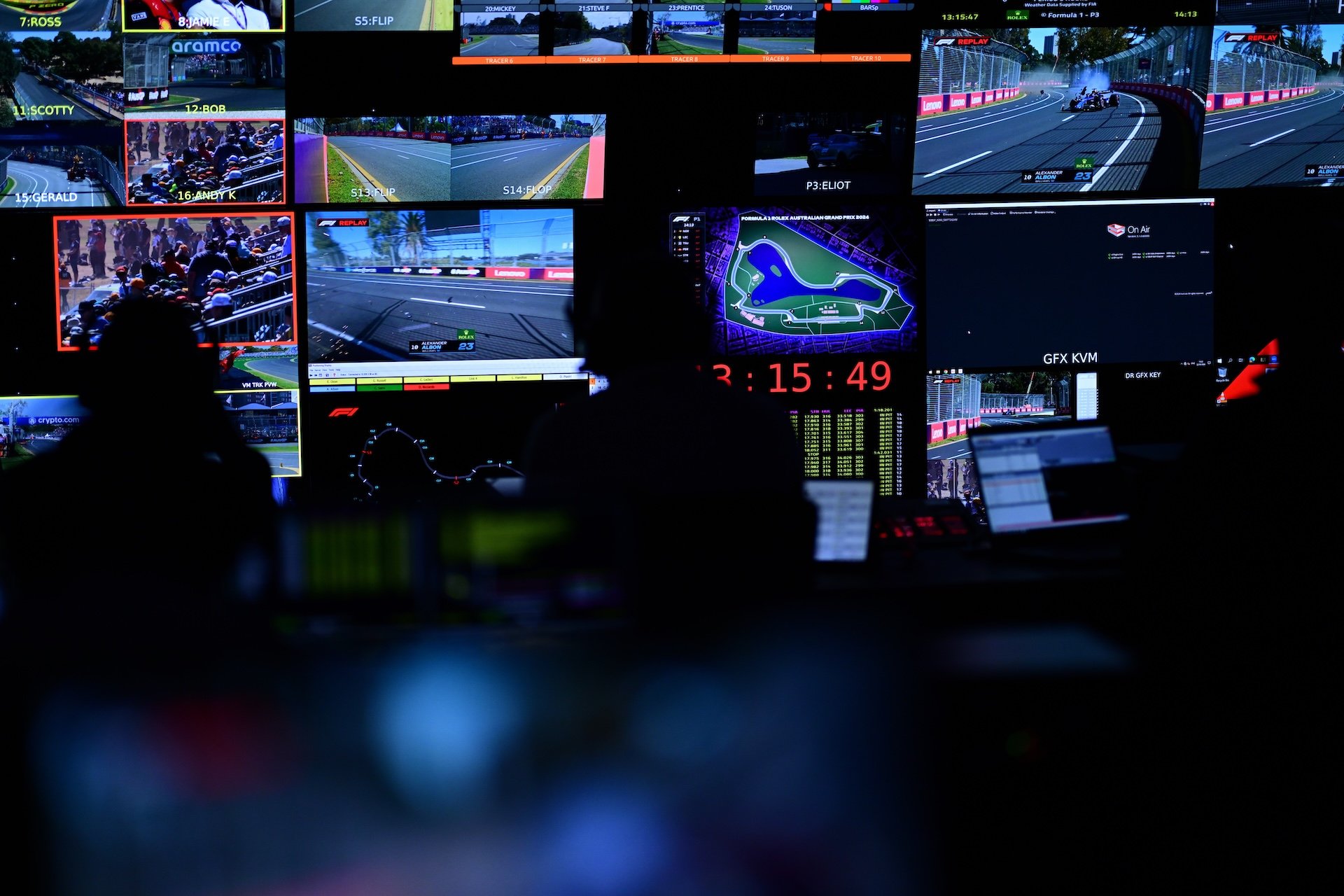
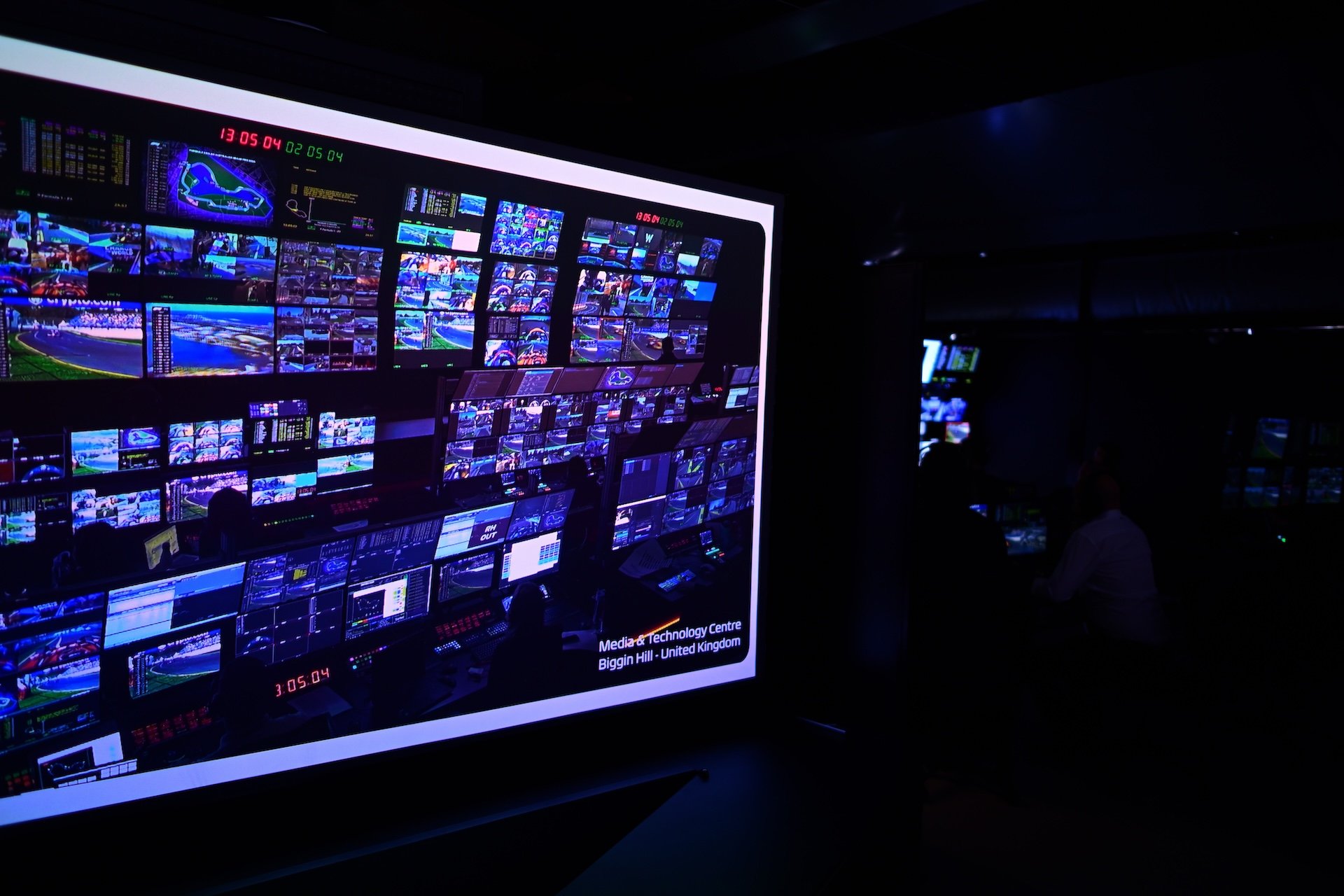
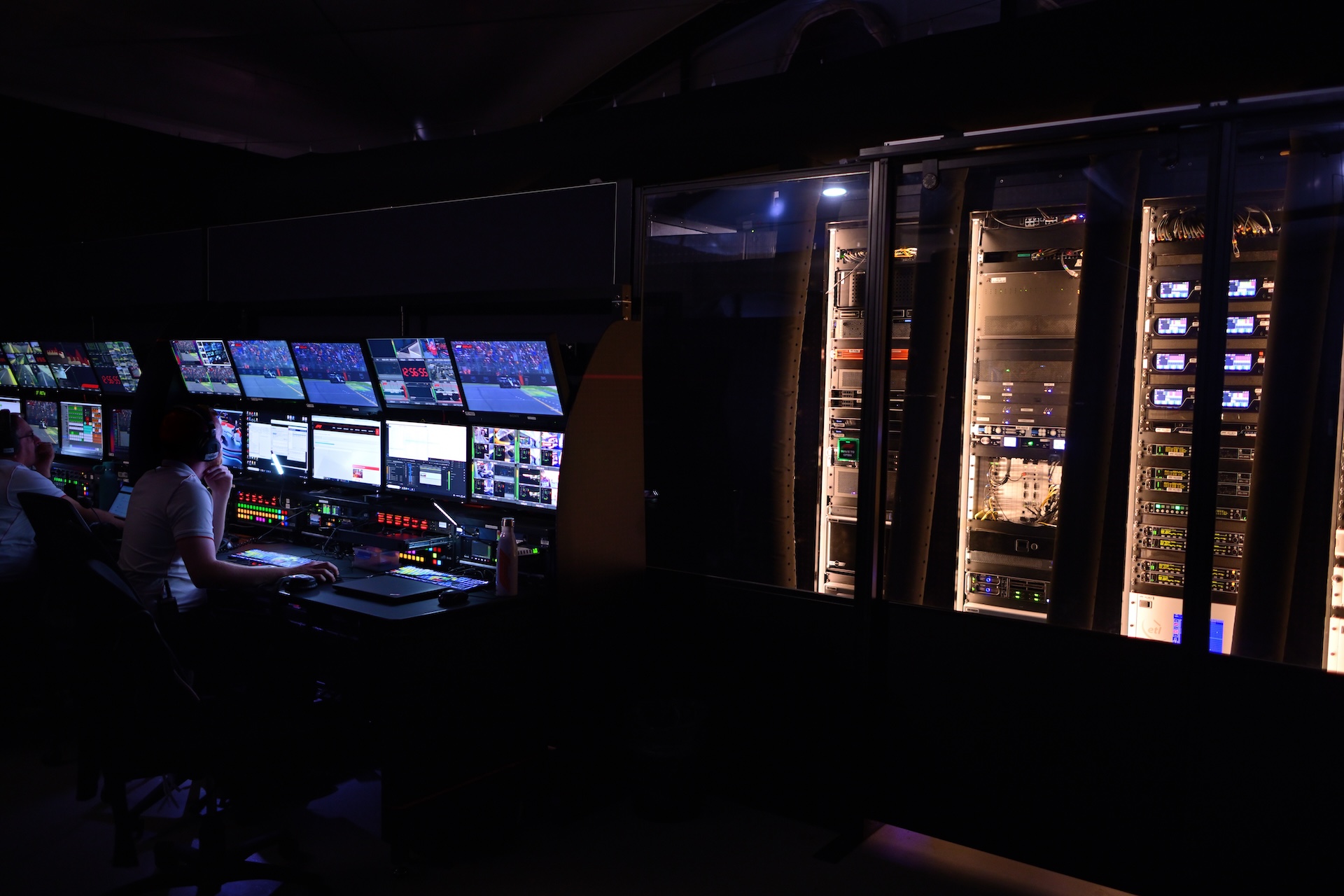
However, the most impressive thing is that all the stuff is completely packed by Sunday night and shipped by the Monday after the race, at the latest. Also, I was very surprised that, while there are two outdoor structures (essentially high-level circus tents) to advance to in back-to-back races, there are only One ETC in terms of technical equipment, so F1’s shipping partner, DHL, has to take really good care of it when it travels around the world.
Other stats: Lenovo’s virtualization platform provides the power to run 1.4 THz compute on 512 CPU cores, 8.2 TB of RAM, and 100 TB of flash storage.
While Etsy plays a big role, the serious magic really happens at M&TC in Biggin Hill, UK. This is a brand new, state-of-the-art production and technology facility that handles tasks such as remote racking and color correction for all broadcast cameras. This is where the global TV feed is distributed to 180+ territories around the world. Similarly, it plays a vital role in processing in-car telemetry data for teams to use in strategy and decision making. Together, ETC and M&TC transfer more than 650 terabytes of data per event weekend, with bandwidth peaking at approximately 8.5 Gbps at the start of an event.
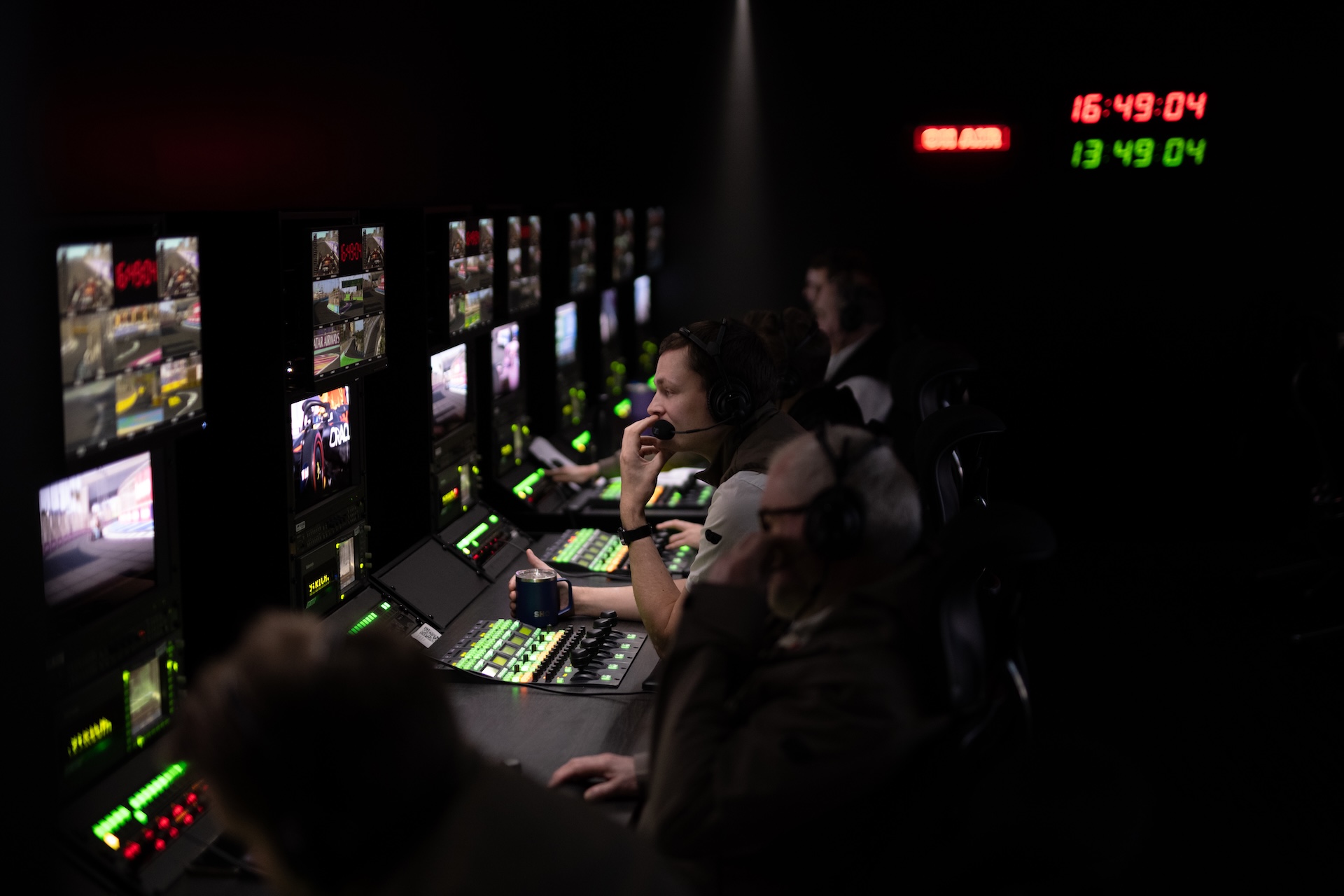
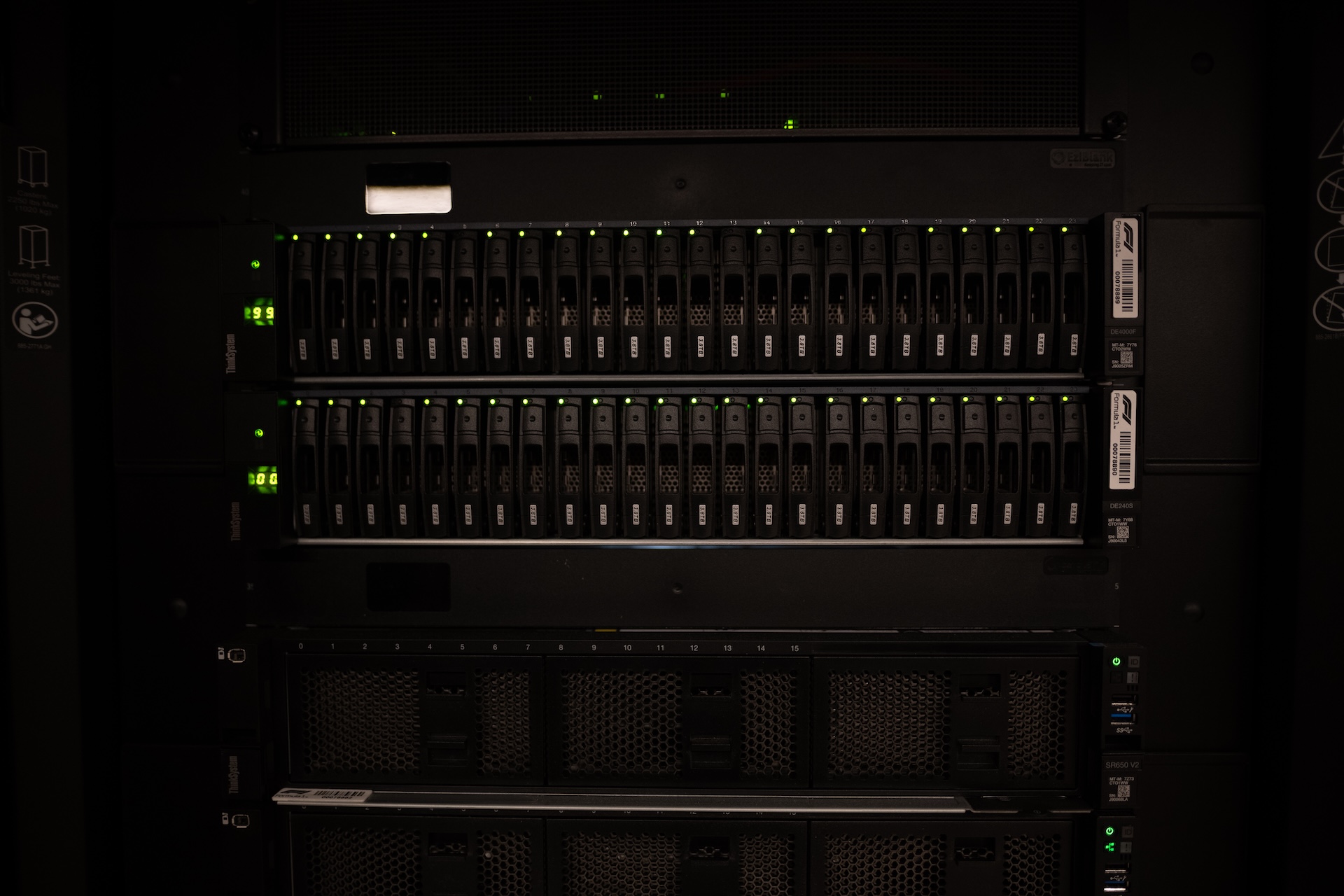
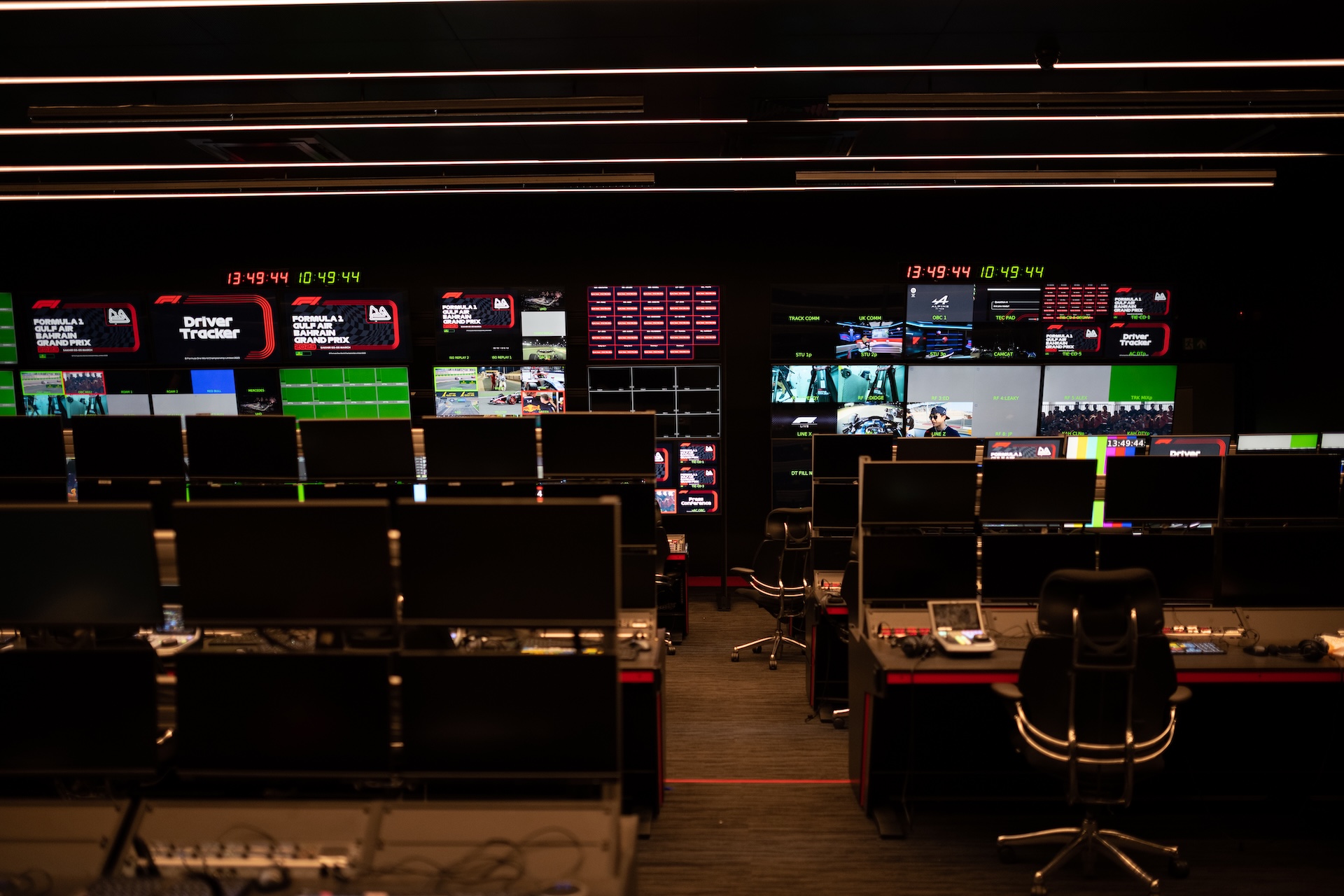
MT&C runs over 180 custom software systems containing over 4 million code lines, 70 virtual machines providing 640 CPU cores with up to 1.7 THz processing power, 5.9 TB of RAM, and 105 TB of flash storage. And when it comes to transmission lag, Lenovo has reduced latency in delivering data to F1 teams to 0.3 seconds (as measured at the geographically farthest race on the calendar), though it didn’t share much detail on where it originally started from.
Fun Fact: Since glitches happen sometimes, ETC and MT&C have the ability to back each other up if something goes wrong. when it happens-and this happens-Lenovo and F1 are able to continue broadcasting around the world without interruption. In other words, even when things go wrong, the audience doesn’t really realize it.
car-team telemetry
Each F1 car is equipped with more than 300 sensors, generating a tidal wave of data. Because tidal wave is not an actual unit of measurement, here are some real figures shared by Lenovo: In any given second, an F1 car generates 1.1 million data points that are shared directly with the teams, F1 and the FIA. So whether it’s a Mercedes trying to figure out Antonelli’s strategy, or stewards analyzing data in the car during a pit stop or yellow flag, these sensors transmit vital data wirelessly to the relevant parties so they can make the necessary decisions. Sometimes these decisions result in race wins, and sometimes, as in the case of Monaco, they result in penalties for speeding on the pit lane.
“With 22 cars on the grid, we receive more telemetry data than ever before. That’s why, at the start of the 2026 season, we decided it was time to streamline how we process vital car information, such as engine performance, suspension condition, gearbox and fuel, G-forces and even the activation of controls by the driver,” said Chris Roberts, director of IT at Formula 1. “0.3 seconds may seem like a small difference, but it can make a decisive difference in the game being measured. Thousandths of a second.”

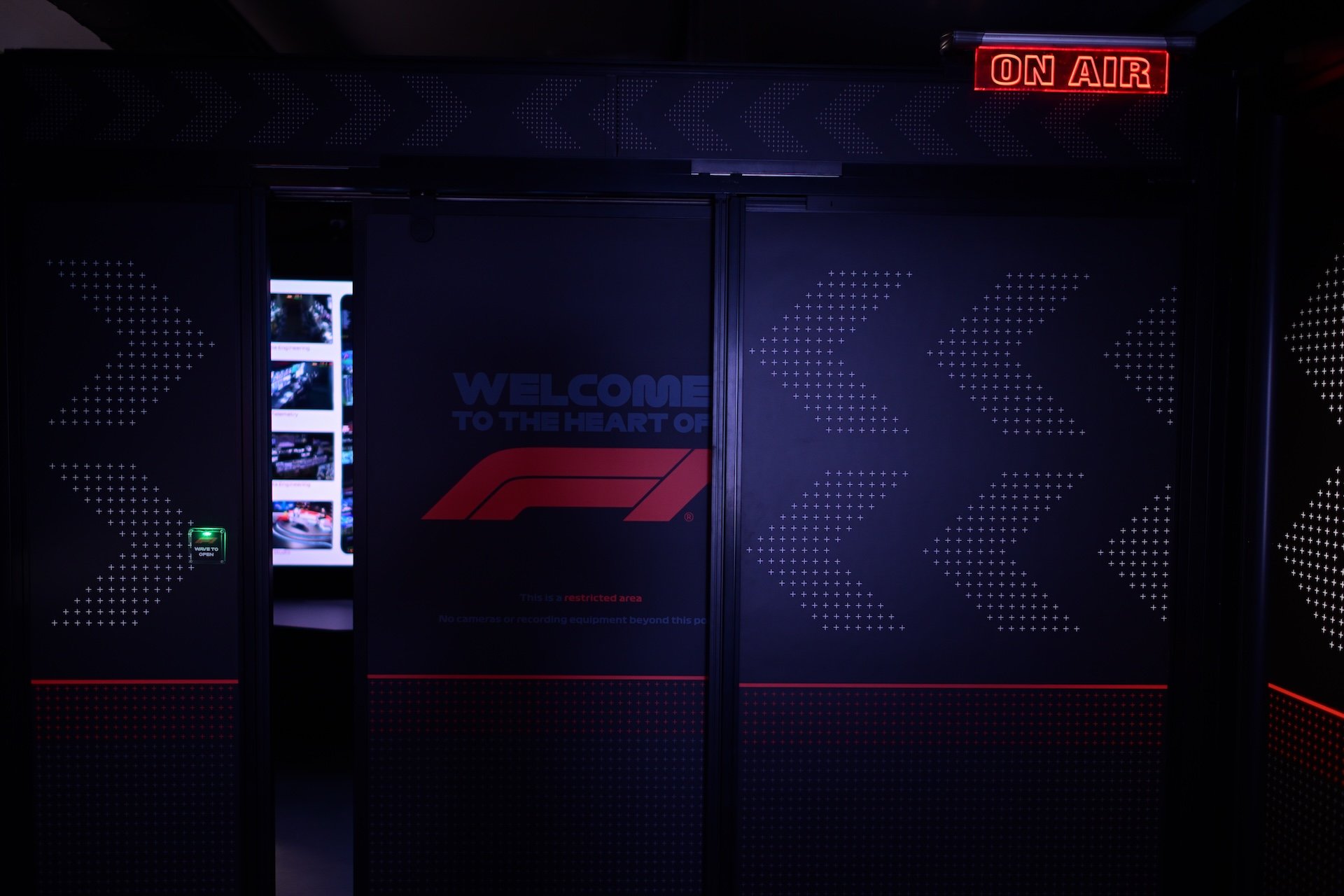
Even for a seasoned fan (and reporter) like me, being able to see the magic that goes on behind the scenes so that millions of other people and I can enjoy F1 at the track, on TV at home, or on our smartphones – not to mention the teams at their headquarters – was absolutely impressive.
It’s truly mind-boggling to see the technology and people that make it all possible, and I hope that after reading this, you’ll understand it better too.
Email the author at jerry@thedrive.com