Theo Wells-Spackman is a Report for America corps member who reports for VTDigger.
LUDLOW — For Vermont’s outdoor economy, it’s been no ordinary year.
State officials estimate that the sector — which by their reckoning includes businesses ranging from ski resorts to bike shops and inns — generated roughly $2.2 billion for Vermont’s economy in 2024. But this year, federal policy has left some businesses on shaky ground, forced to face tariffs and strained relations with the Canadians who used to frequent the Green Mountain State.
Vermont’s outdoor commerce operates in the fading shadow of New England’s older forest economies, said Sarah Waring, who leads the Northern Border Regional Commission, a joint federal and state economic development agency.
“For this region, both wood and paper industries were our rural capital,” she told audience members at the Vermont Outdoor Economy Summit in Ludlow on Thursday. But “starting in about the 1970s, this industry began to decline.”
Though the market for wood products has been
Though the market for wood products has been deteriorating for half a century, new changes are still causing trouble for Vermont’s forestry industry. This summer, a Glens Falls, New York, papermill announced that it would no longer accept Vermont pulpwood, a heavy blow for the state’s loggers.
All this adds up to the need, Waring said, for “a new and different forest economy,” which the outdoor recreation sector is helping to provide.
But in recent years, fast-changing federal tariff policy has shocked the finances of even the state’s healthier industries. Orvis, a 170-year-old Vermont outfitter based in Manchester, has been rocked by the new fees.
The economic impact was huge, said company President
“The economic impact was huge,” said company President Simon Perkins of the tariffs in an interview between events. “But what was also really, really hard was the uncertainty that came with it.”
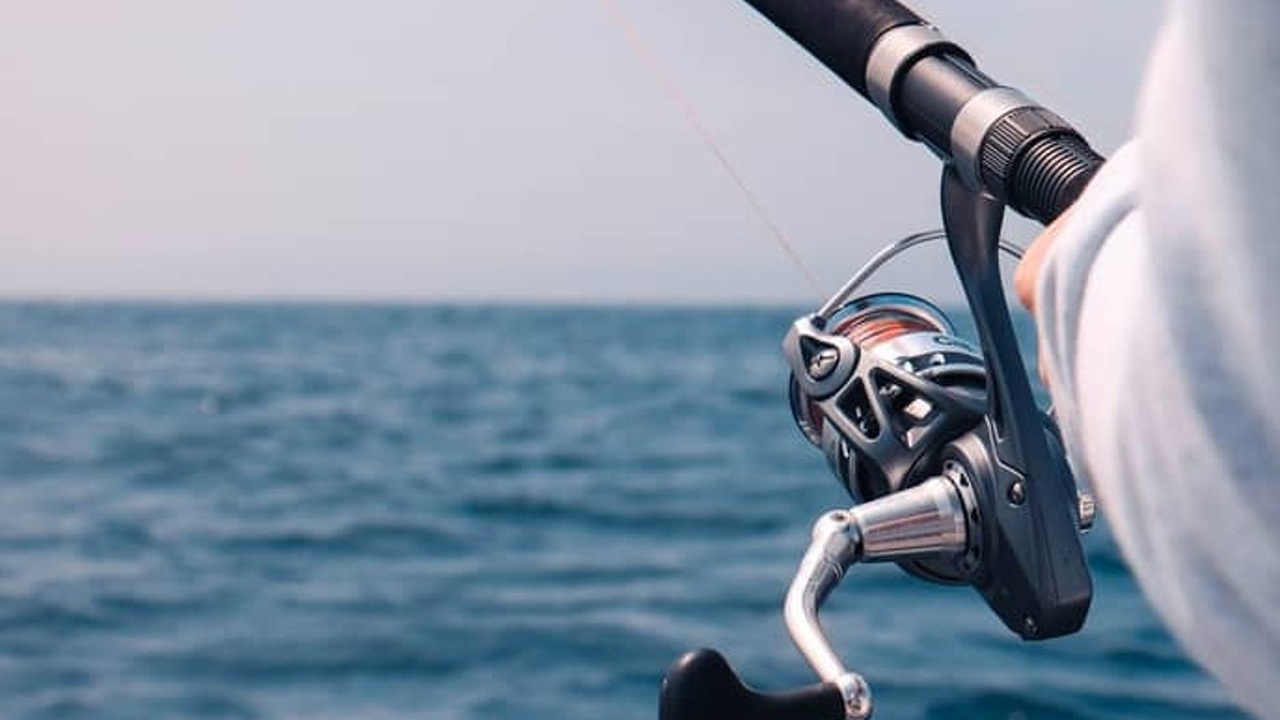
Orvis makes some equipment, such as fly fishing rods, in Vermont butear, the company announced it would close 36 locations — a large fraction of its retail footprint — after a round of layoffs that leadership attributed to tariffs
In an environment where business owners are constantly worried about unpredictable costs, Perkins added, they’re much less likely to take risks or make substantial investments in new projects.

Vermont’s tourism economy in 2025 showed a roughly
Vermont’s tourism economy in 2025 showed a roughly 2% dip from 2024 Vermont’s commissioner of tourism and marketing. She attributes the drop largely to tensions with Canada
Nonetheless, Perkins said he believes the state has enormous potential for growth in its outdoor economy. Vermont’s combination of vast natural re owners have a lot to lean on when it comes to curating experiences for visitors — or locals, he said
“Now that we’re starting to measure (the outdoor economy),” Perkins said, “I think maybe it will open our eyes up to what we actually have that we can tap into.”
That might mean investing more public money
That might mean investing more public money in the sector over the long term, he added, though he acknowledged that lawmakers are under pressure from all sides as they seek to assemble the state budget.
Vermont has several grant programs designed to assist outdoor recreation businesses with funds and other assistance, including through the Vermont Outdoor Recreation Economic Collaborative.
Pelham agreed that such growth is possible and said an increased flow of tourists could bring much-needed tax revenue into state coffers to ease costs for locals. Rural communities in particular could benefit financially from the increased visitation and commercial activity that outdoor recreation can provide, she said.
That’s a priority for Waring, too
That’s a priority for Waring, too. In certain cases, she’s observed that irresponsible outdoor recreation development can raise an area’s cost of living without providing sufficient high-quality employment. But Vermont is a long way from that extreme, she said, adding that local businesses tend to provide good support to their employees.
Brian Maggiotto, who owns the Inn at Manchester, echoed the need for “responsible tourism” standards in relation to both people and lands. He compared his philosophy to the “leave no trace” ethos applied in national parks and other public areas.
“If we pass (those values) on to our visitors, our guests, they too will own that sense of stewardship,” he said.