Sometimes medication fails to control seizures. New research is helping scientists map the brain and find better treatment options.
Estimated reading time:3minutes
Epilepsy is the fourth most common neurological condition, affecting 50 million people worldwide. That includes 3.4 million in the United States, and an estimated 1 in 26 Americans will develop epilepsy in their lifetime. People who live with epilepsy experience seizures. While seizures can appear as sudden, temporary convulsions; muscle spasms; loss of consciousness; or changes in sensation, emotion, or behavior, they are ultimately the result of disruptions to nerve cell activity in the brain.
Most patients diagnosed with epilepsy can control their seizures with medication. However, that leaves millions of others — about 1 in 3 adults and 1 in 4 children — who have drug-resistant epilepsy.
When the drugs don’t work
There are a variety of potential treatment solutions when anti-seizure medications are not effective.
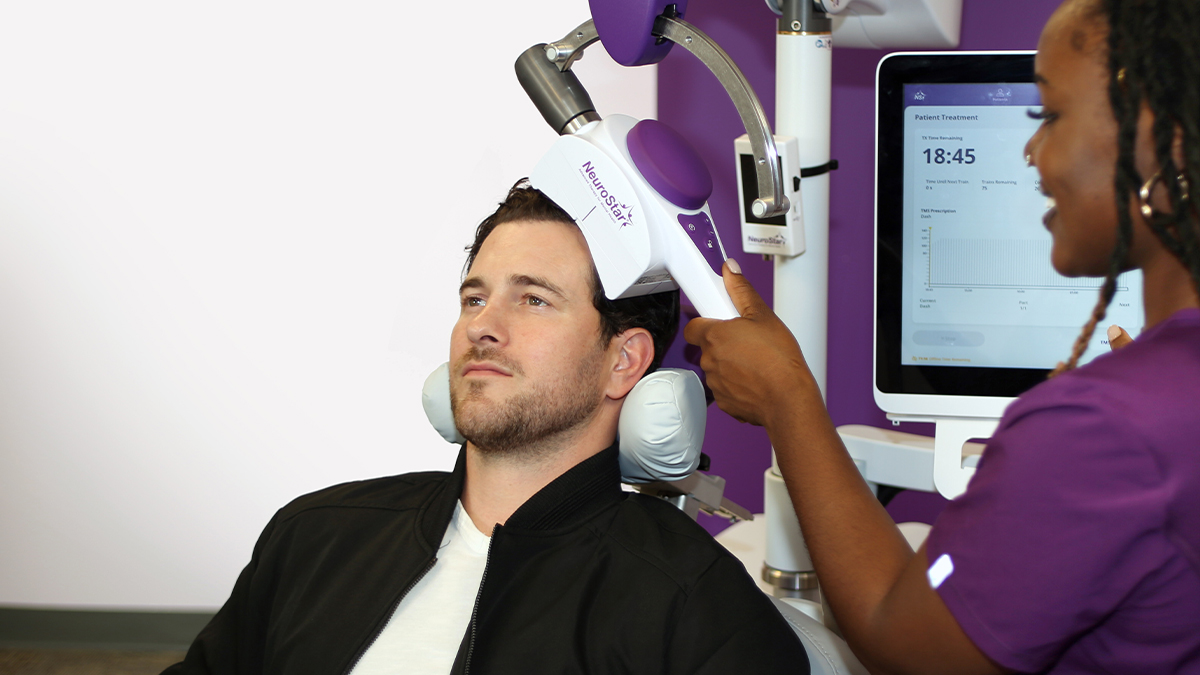
If seizures are linked to another underlying condition, therapies targeting that condition can be effective. In some cases, dietary adjustments can help reduce seizures, especially for children. Neurostimulation devices, which control seizures by electrically stimulating specific nerves, are improving and becoming more widely available. If the brain region where seizures occur can be precisely located, and the operation would not affect other critical brain functions, surgery may be an option for carefully selected patients.
Mapping the brain
Research will lead to safer and more effective treatments for those with drug-resistant epilepsy.
To identify the origin points of seizures, test new medications, and improve neurostimulation and surgery, scientists need to better understand the brain’s signaling pathways. Peter Hadar, M.D., and Mark Bowren, Ph.D., have recently received research grants funded by the American Brain Foundation, the American Epilepsy Society, and the Epilepsy Foundation to improve the mapping of these signals.
Hadar is using machine-learning modeling to create “atlases” of nerve cell activity in the brain. This could then be used to predict how well a patient with drug-resistant epilepsy would respond to neurostimulation of specific brain regions.
Bowren is exploring a technique called ultra-high frequency stimulation, which uses electrical pulses to test how different brain regions communicate with each other. This could lead to new tools for even more precise surgeries with less risk of adverse effects for patients.
Getting help
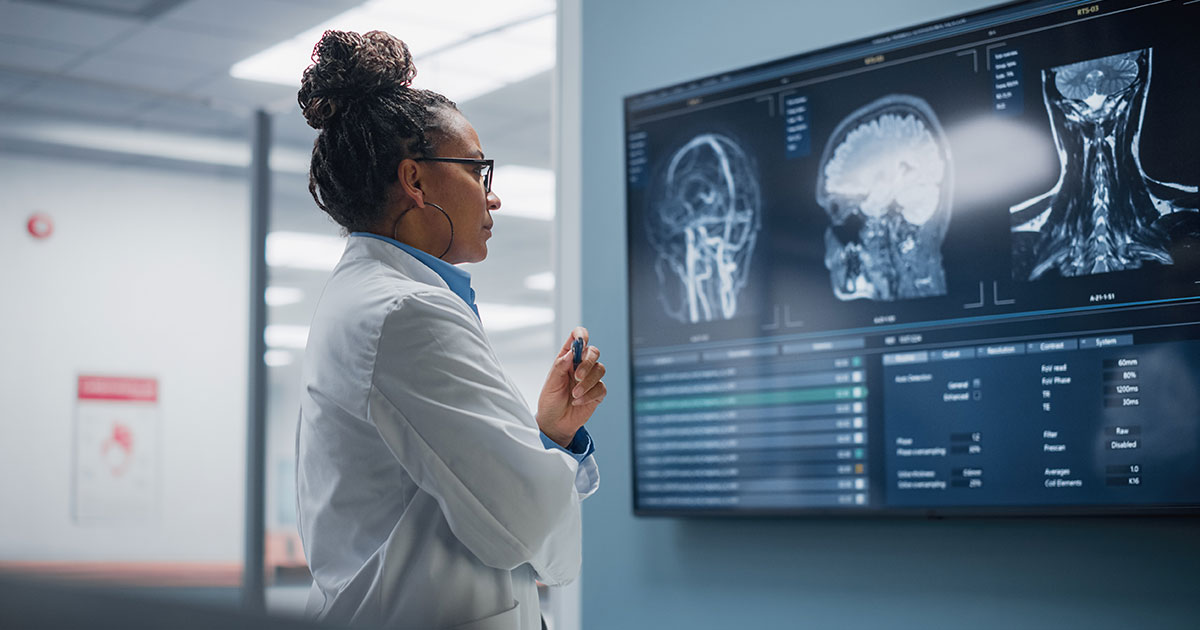
If you believe you’ve had seizures, or someone you know has, healthcare providers are there to help. Not everyone who experiences a seizure has epilepsy, but clinicians can diagnose it and prescribe appropriate treatments. Plan to provide a detailed description of what you are experiencing to help your doctor understand your situation. To confirm an epilepsy diagnosis, your doctor will most likely order tests like an EEG, MRI, or CT scan. Learn more about epilepsy and the research being done to improve treatments for drug-resistant epilepsy at AmericanBrainFoundation.org/Epilepsy.