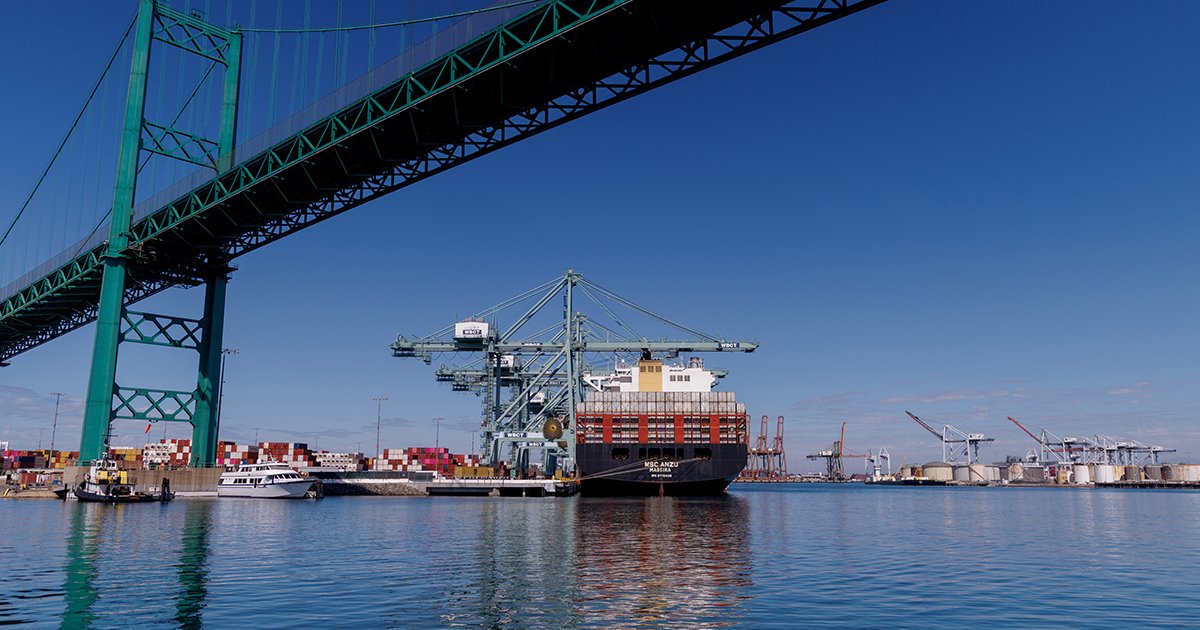
A containership at the Port of Los Angeles. (Eric Thayer/Bloomberg)
key takeaways:
- U.S. import prices rose 1.9% in May, matching April’s increase, with the increase driven by higher costs of plastics, air travel and computer equipment, BLS data showed on June 16.
- The surge reflects inflationary pressures linked to the Iran war and AI-driven demand, with import prices rising 6.7% year-on-year, the fastest pace in nearly four years.
- Economists say falling oil prices and a possible US-Iran peace deal by June 19 could keep inflation under control, although the Federal Reserve continues to monitor the impact of rate decisions.
US import prices rose in May amid rising costs of computer equipment, plastics and air travel, the latest evidence of the inflationary impact of the Iran war and the data center boom.
The import price index rose 1.9% last month after a similar gain in April, according to June 16 data from the Bureau of Labor Statistics. Compared with a year earlier, it rose 6.7%, the fastest pace in nearly four years.
Prices of imported plastic materials – key inputs in a vast range of consumer goods that are derived from fossil fuel byproducts – rose 6.5% in one of the largest monthly advances on record. Imported air passenger fares, a category that counts directly into the Federal Reserve’s preferred inflation gauge, also increased.
Meanwhile, prices of imported computers, peripherals and semiconductors rose 3.6% in May, the second-biggest gain in monthly data since 1994. The artificial intelligence rush is fueling inflation beyond high-end manufacturing, as chips are embedded in all kinds of consumer goods, from phones and computers to cars.
The report is the latest in a series of data releases highlighting the impact of the Iran war on the US economy. Consumer and producer prices have risen significantly in recent months as inflationary pressures have begun to move beyond the initial oil shock.
US import prices rose 1.9% in May due to higher fuel prices; Export prices rose 1.3% #BLSData https://t.co/lA1dGgP6db
– BLS-Labor Statistics (@BLS_gov) 16 June 2026
Oil prices have fallen and stocks have risen on expectations that the US and Iran will sign an interim peace deal on June 19. Economists say the worst of inflation may now be in the rearview mirror, although prices may continue to rise as the impact ripples through supply chains.
The Fed is closely monitoring the war’s impact on prices. While policymakers are widely expected to keep interest rates unchanged at the end of their two-day meeting on June 17, traders now see borrowing costs rising by the end of the year.