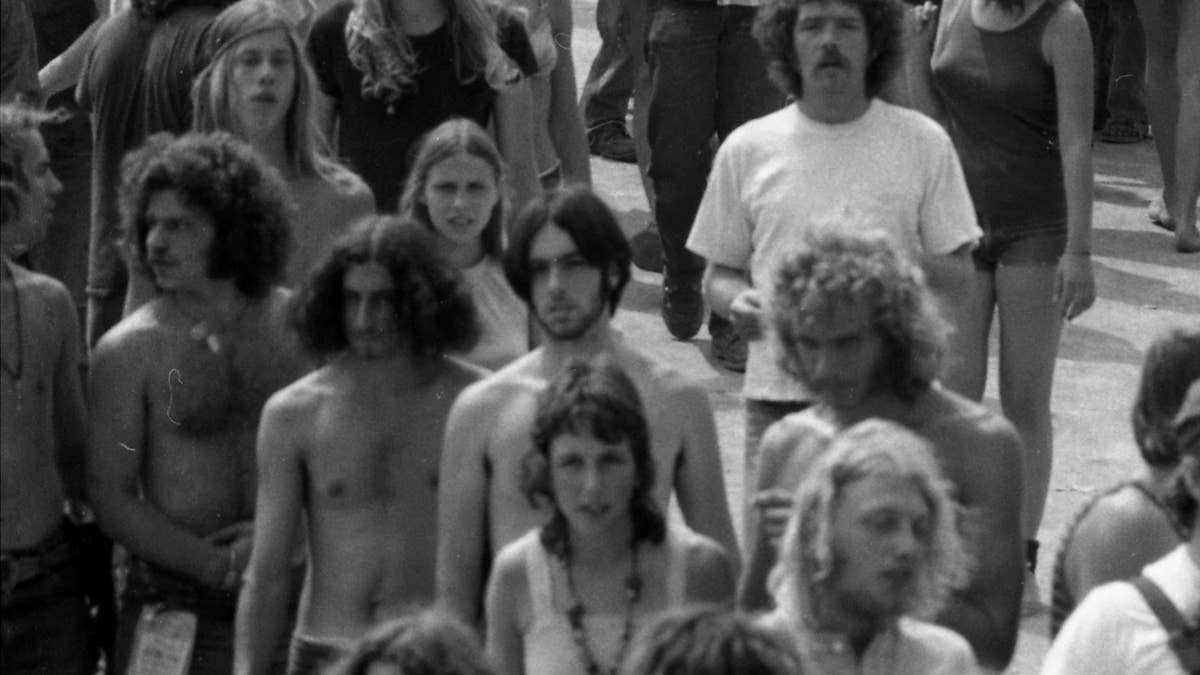
On July 28, 1973, the serene atmosphere of Watkins Glen International Raceway in upstate New York transformed into one of the largest live music venues the world has ever seen. The Summer Jam rock festival attracted an estimated crowd of approximately 600,000 people, creating a historic moment in American music and setting a new benchmark for outdoor concerts during the Golden Age of Rock.
The event featured three of the most influential acts of the time. The Grateful Dead, The Band and the Allman Brothers Band shared the stage in front of a sea of fans scattered throughout the vast racetrack and surrounding hills. Long before modern mega festivals became common, Summer Jam demonstrated the immense cultural power of live rock music and the willingness of hundreds of thousands of people to travel long distances for a shared musical experience.
The turnout exceeded expectations. Many concertgoers arrived well before the official performance date, turning the racetrack into a makeshift community filled with tents, campers, and makeshift gathering places. The highways leading to Watkins Glen were jammed with vehicles, while thousands of people chose to walk the remaining distance as traffic slowed.
Celebrating Rock’s Biggest Names
Each of the three major groups represented a different side of American rock music. The Grateful Dead had already built an extremely loyal following through their improvised concerts and free-spirited performances. The Allman Brothers Band blends Southern rock, blues, jazz and extended instrumental jams into an unforgettable live experience. The band introduced a roots-driven sound that earned widespread critical acclaim in the late 1960s and early 1970s.
Rather than competing for attention, artists contributed to a festival atmosphere that emphasized collaboration and musicianship. One of the most memorable highlights came during a massive soundcheck held the evening before the scheduled concert. Thousands of people who had already arrived at the venue gathered to hear the musicians perform together, creating an unexpected bonus performance that has since become part of rock folklore.
The festival began without the extensive production technology that defines today’s biggest concerts. Despite the huge scale of the audience, the focus remained firmly on the music.
A defining moment in concert history
Summer Jam came only four years after Woodstock reshaped public perceptions about outdoor music festivals in nearby Bethel, New York. While Woodstock became famous for its cultural symbolism, Summer Jam demonstrated that even larger-scale gatherings were possible.

The extraordinary attendance made the festival one of the largest rock concerts ever held at the time. Organizers faced enormous logistical challenges relating to traffic, sanitation, food distribution, medical services and crowd management, yet the event has been largely remembered for its peaceful atmosphere and the strong sense of community shared by attendees.
More than five decades later, the 1973 Summer Jam holds a unique place in music history. Its staggering attendance, famous lineup and unforgettable performances captured the spirit of the era when rock concerts were evolving into cultural destinations capable of attracting audiences on a scale that few had imagined.