You’ll probably read a lot of Cybertruck stories over the next few weeks following Tesla’s decision to “wind down” production next year. But this one isn’t about owners who bought in. It’s about where the Cybertruck failed to attract what many would consider its ideal customer.
In 2019, I was prepared to spend more money on a vehicle than I ever had before because I believed Tesla had finally built the electric truck I’d been waiting for. After trading my diesel truck for a Tesla Model 3,I was all in on EVs, even if that meant using a sedan for jobs that would have been much easier with a pickup.
Around my property in Central Texas, I regularly hauled hay, feed, lumber, and equipment, and I even installed a trailer hitch on my Model 3 to help get those jobs done. The setup worked better than many people would expect, but towing reduced range significantly, and the car’s low ride height was a constant reminder that I was asking a sedan to do a truck’s job.
That’s why the Cybertruck immediately felt like
That’s why the Cybertruck immediately felt like the answer. In December 2019, I put down Tesla’s $100 reservation fee for a dual-motor Cybertruck advertised at $49,900, while the lineup itself famously started at $39,900. Even at the dual-motor price, it would have been the most expensive vehicle I had ever purchased by a wide margin, yet I didn’t hesitate because it promised exactly what I wanted: the utility of a real truck combined with the EV technology I already trusted.
Today, after years of delays, major price increases, and Tesla’s announcement that it plans to wind down Cybertruck production at Gigafactory Texas, I’m more convinced than ever that canceling my reservation was the right decision. What surprises me most isn’t that I walked away, but how certain I once was that the Cybertruck would eventually be parked in my driveway.
I Wanted an Electric Truck Before the Segment Really Existed
One thing that’s easy to forget now is how different the EV truck market looked in 2019. Rie F-150 Lightning, and General Motors was still talking about future electric pickups. For buyers who wanted an EV truck, Cybertruck wasn’t one option among several. For many of us, it was the option
That was certainly true for me
That was certainly true for me. By 2019, I had already convinced myself that an EV could handle most of my daily life, and I was proving it every time I hooked a trailer to my Model 3 or loaded it with supplies for projects around my property. The Cybertruck wasn’t appealing because it looked futuristic. It was appealing because it promised to eliminate the compromises I was making every week.
That was part of what made Tesla’s announcement so exciting. The company appeared ready to deliver a vehicle that combined the utility truck owners expected with technology that had already helped make EVs mainstream, and at the time it felt like Tesla had a substantial head start.
Looking back, I think Tesla deserves credit for helping legitimize the EV truck market. The Cybertruck announcement signaled to both consumers and automakers that there was serious interest in electric pickups, helping pave the way for compelling trucks from Ri
From a $49,900 Promise to a Much More Expensive Reality
As the years passed, the Cybertruck gradually drifted
As the years passed, the Cybertruck gradually drifted away from the vehicle I thought I had reserved. The pricing that generated so much excitement never materialized in the form many early reservation holders expected, production timelines slipped repeatedly, and the overall value proposition became harder for me to justify.
Meanwhile, the rest of the market wasn’t standing still. While Tesla continued working toward production, Ring, and other manufacturers began developing their own electric pickups. Buyers who once had no alternatives suddenly had several compelling options
Just as importantly, the Rias ready to deliver Cybertrucks, Ri alternatives in the EV truck market
The Riaiting, the Cybertruck did
The Cybertruck Never Became Normal, Just Common
Living near Austin gave me a front-row seat
Living near Austin gave me a front-row seat to the Cybertruck phenomenon. What once seemed impossible to ignore gradually became a common sight on local roads.
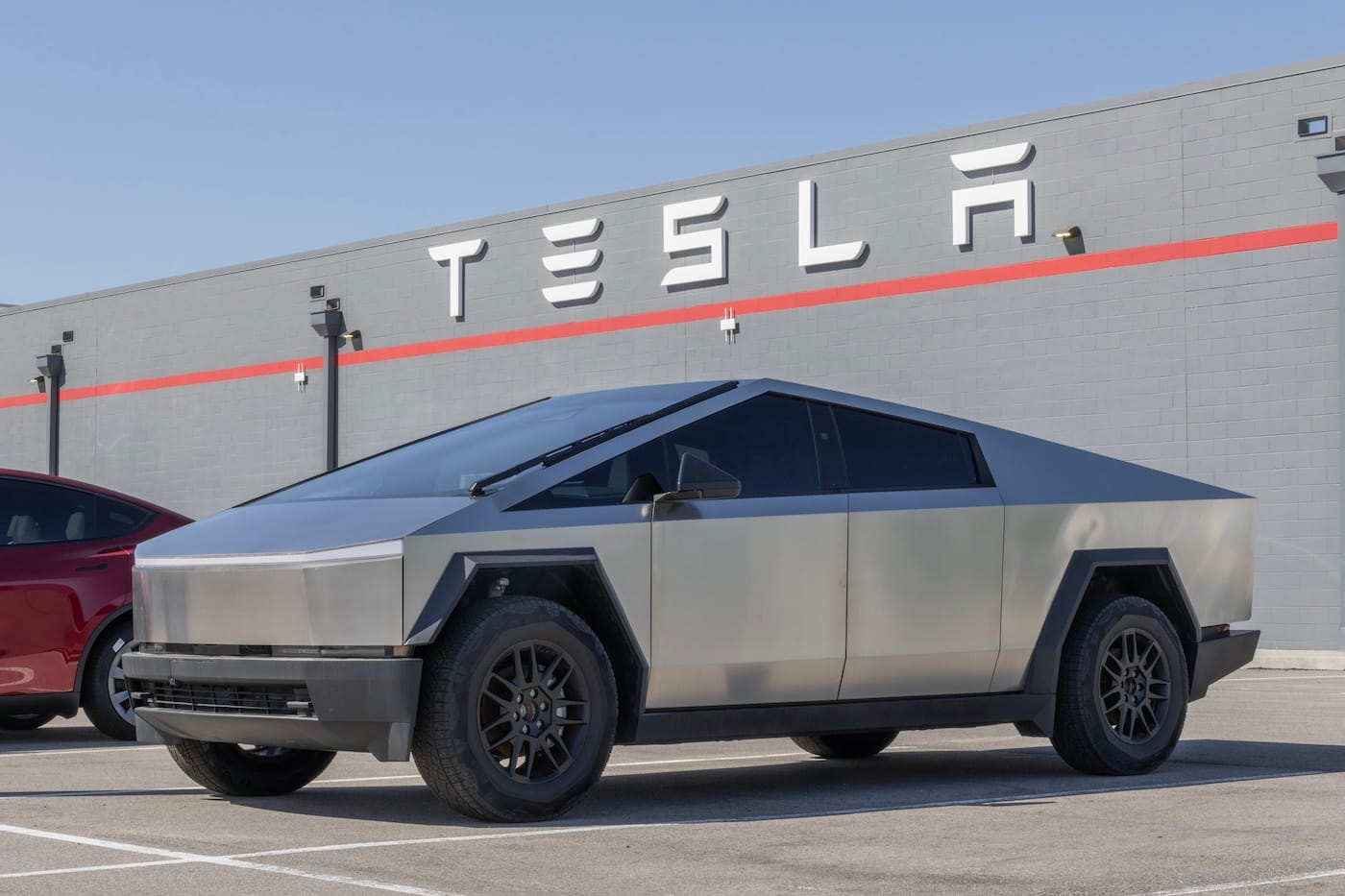
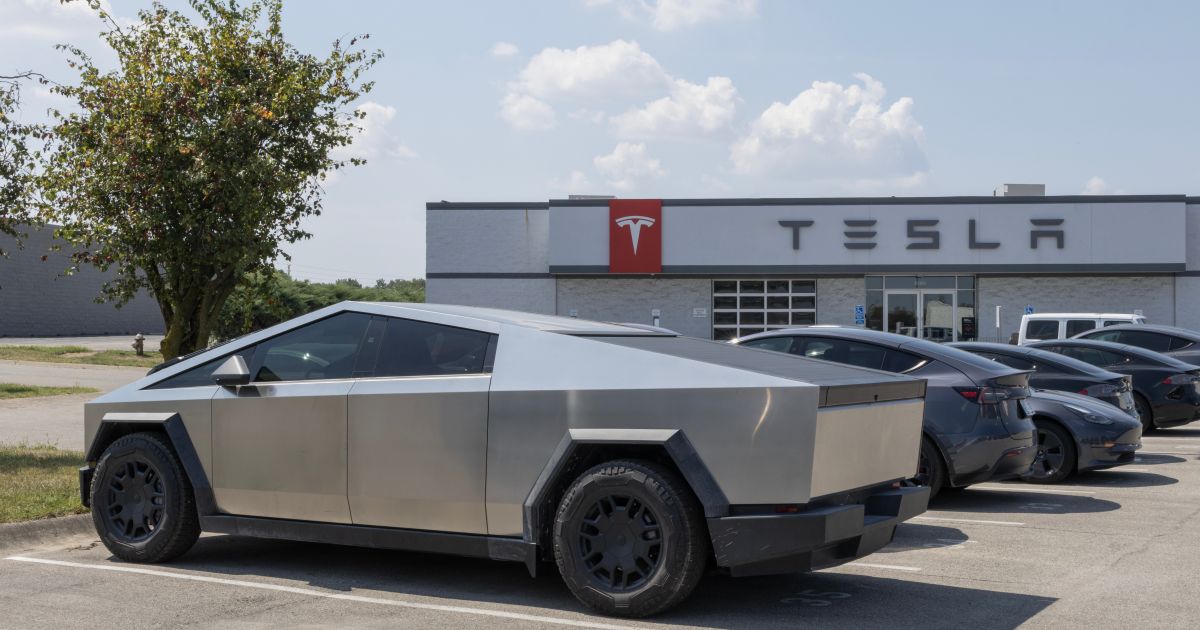
When Tesla first revealed the Cybertruck, the stainless-steel wedge shape dominated conversations across the automotive world. Some people loved it, some hated it, and most had a strong opinion one way or the other. My view was somewhere in the middle: I never found it especially attractive, but I also didn’t dislike it enough to walk away from the purchase if everything else lined up.
Over time, my opinion of the design didn’t really change, but my reaction to seeing it did. The Cybertruck never became normal-looking; it simply became common.
After seeing hundreds of them around Central Texas,
After seeing hundreds of them around Central Texas, much of the shock value faded away. What once seemed radical eventually became another familiar sight in traffic, even if it still looked unlike anything else on the road.
Tesla Deserves Credit for Creating Something Memorable
To Tesla’s credit, the Cybertruck accomplished something very few vehicles ever manage to do. Whether people love it or hate it, almost everyone recognizes it instantly. In an era when many vehicles look increasingly similar, Tesla managed to build something that stands apart. That’s a genuine achievement, and it’s one reason the Cybertruck became such a cultural phenomenon.
The challenge, at least from my perspective, is that being memorable and being the best choice for a truck buyer aren’t necessarily the same thing. Once the novelty wears off, most owners still care about utility, capability, value, and how a vehicle fits into their daily lives.
When I placed my reservation in 2019, I
When I placed my reservation in 2019, I thought I was buying my future truck. Instead, the Cybertruck became a reminder of how quickly the auto industry can change.
Tesla convinced me that electric trucks were possible. Ri
Looking back after owning both an R1T and eventually a Lightning, I don’t feel like I missed out on the Cybertruck. If anything, I feel fortunate that the EV truck market evolved the way it did.
That’s not the ending I expected when I sent Tesla my $100 deposit in 2019, but looking back, it’s hard to imagine a better one.
Blake Lowry is a tech forward automotive enthusiast with a background in software development and animation working with clients such as Car & Driver, Hot Wheels, Google, Microsoft and the History Channel where he contributed on various interactive experiences. Blake’s automotive passion is centered around his hands-on experience with electric cars and trucks, alternative/green energy and practical applications in the real world. At Torque News, Blake’s articles focus on Ford F-150 Lightning, Chevrolet Silverado EV, GMC Sierra EV, Rivian R1T, Ford F-150 PowerBoost, Ford Maverick hybrid, Chevy Bolt and Slate Truck coverage.
Read more of Blake’s work on his author profile page.
You can also follow Blake here:
Render and images by Blake Lowry.