Hyundai has issued a recall covering more than 421,000 vehicles in the United States after finding that the automatic emergency braking (AEB) system could activate without any actual obstruction in the road – a condition commonly referred to as phantom braking. When the system activates unexpectedly, it may cause the vehicle to slow down or stop suddenly, increasing the risk of a rear-end collision with traffic behind.
This recall is caused by a software defect in the AEB control logic. The filing with NHTSA is live, and Hyundai is moving toward a dealer-administered software update as a fix. If you have a Tucson or Santa Cruz from the affected model years, here’s what you need to know right now.
Which vehicles are included in this recall
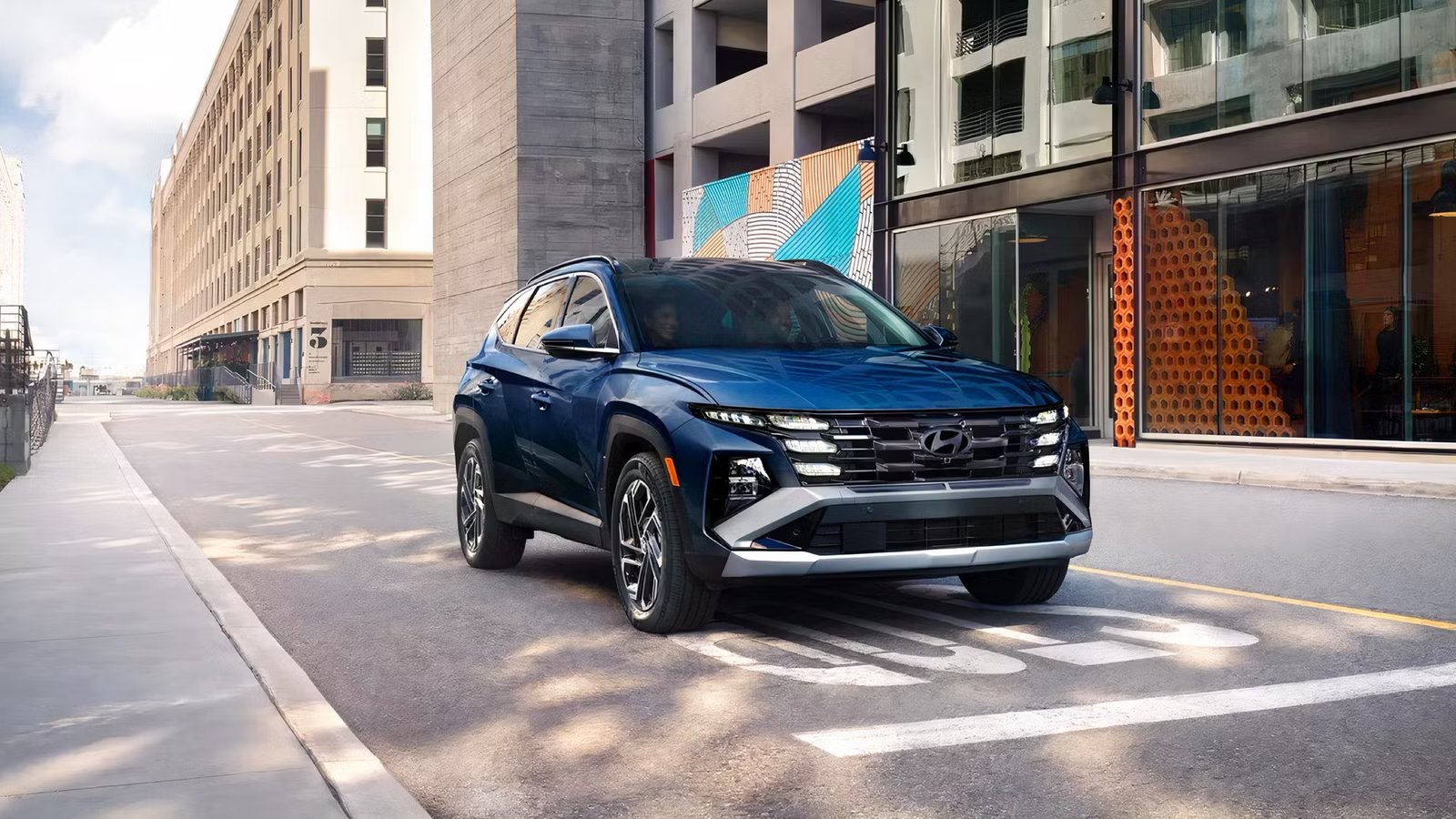
The recall targets two Hyundai nameplates: the Tucson SUV and the Santa Cruz pickup. Both share a platform and the same forward-sensing hardware, which is why software flaws affect them together. According to NHTSA filings, the affected population consists of approximately 421,000 U.S. vehicles.
TFLCar’s reporting on the filing identifies the covered units as Tucson and Santa Cruz models from recent production years. Owners who are unsure whether their specific vehicle is covered should check the NHTSA recall database at nhtsa.gov/recalls using its 17-digit VIN, or use Hyundai’s own owner portal at hyundaiusa.com. Entering a VIN takes less than a minute and results are instant.
What causes phantom braking?

The root cause is a software bug in the processing logic of the AEB system. Under certain conditions, the system’s sensors may misread the environment and interpret a non-existent hazard as an imminent collision. The AEB then orders a breaking event – sometimes a concrete one – even if the path ahead is clear.
Phantom braking incidents are most disruptive at highway speeds, where a sudden, unexplained deceleration leaves following drivers little time to react. Hyundai has not publicly detailed the exact sensor conditions that trigger the false activation, but NHTSA filings classify the defect as a software issue rather than a hardware failure, which is why a software update rather than parts replacement is the proposed remedy.
Improvements and what owners should do next

Hyundai’s solution is a free software update that is applied at authorized dealerships. The update recalibrates the AEB control logic to eliminate the mis-activation condition. No hardware replacement is required, and the service visit is expected to be relatively simple.
Under NHTSA regulations Hyundai is required to notify affected owners by first class mail. Based on the filing timeline, owner notification letters should begin going out in the coming weeks. Once you receive that letter – or if you confirm that your VIN is now affected – contact your nearest Hyundai dealer to schedule an update. No fees are charged to the owner for repairs.
In the meantime, the vehicle remains drivable, but it is worth being aware of the issue especially on highways. If you experience an unexpected braking event, report it to NHTSA at safercar.gov so the agency can track the frequency of events prior to the software rollout.
Reference: Hyundai’s recent recall activity

This Phantom braking recall is the latest in a series of Hyundai safety actions in 2026. Earlier this spring, the company separately recalled about 54,000 Elantra hybrid vehicles over an overheating risk linked to a reported fire — a separate issue from the AEB software flaw covered here. Both recalls are unrelated, but together they emphasize that Hyundai is actively working through its NHTSA compliance queue.
Especially for Tucson and Santa Cruz owners, action should be taken on the AEB recall. The solution is free, the solution is software only, and the process of checking your VIN takes less than a minute. The straightforward step is to schedule the update sooner rather than later.
Source: tflcar, fox business