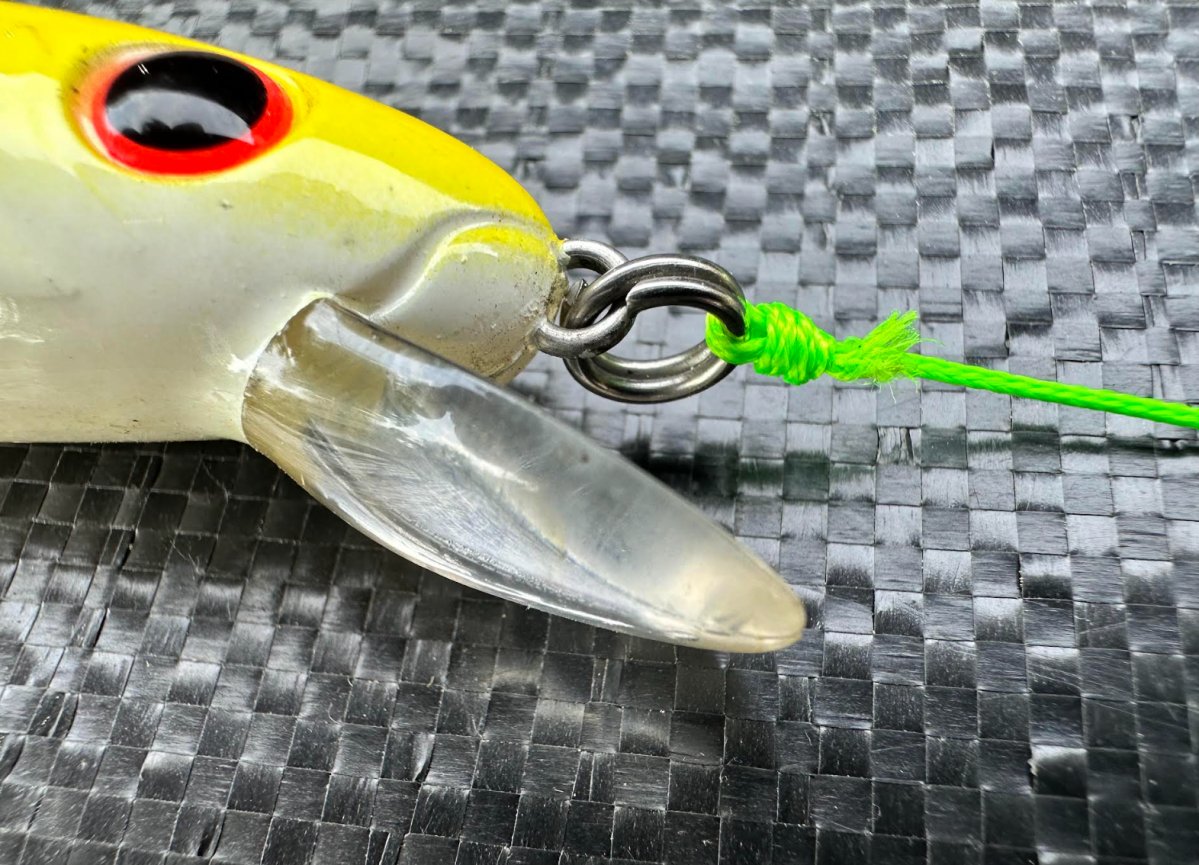
uni knot One of the most commonly used connections in fishing in all styles of sport. From fishing in high mountain trout streams to targeting offshore tuna, it has a place in any angler’s repertoire. First published in Ashley Book of KnotsDue to the hanging knot in 1944, uni would not intrude into the fishing sector until the 1960s. At the beginning of the decade, famous fisherman Norman Duncan adopted it and it quickly became popular in his fishing areas as the Duncan Loop. Even today, some fishermen still use this nickname, but in 1970, famous fishing author, Vic Dunaway, referred to it as the Uni Knot in one of his extremely popular books and the rest was history.
The beauty of the Uni Knot is that it is incredibly easy to tie and very strong. It works well with monofilament and fluorocarbon lines of any diameter. The Uni is ideal for attaching practically anything to your line, from flies to lures, hooks to pieces of terminal tackle. Here is a step-by-step description of how to tie a uni knot.
Fishing Knots – How to Tie a Uni Knot. One of the best fishing knots.
How to tie a uni knot, step by step
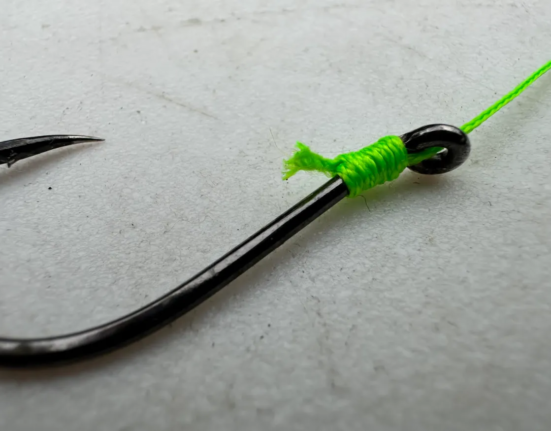
step 1: Start by feeding the tag end of your line or leader through the eye of your hook, lure or terminal tackle. Make sure you clip off the tagged end 4 to 6 inches after it goes through the eye.

step 2: Take the tag end of the line or leader and fold it back toward the eye. In this step you are making a loop on the now doubled running line. Cross the tag end over the doubled running line, making sure there is enough length to make a twist in the next step.

step 3: Begin winding the tag end around the doubled running line and through the loop created in step two. With a light, thin line, make 6 passes through the loop. With thick line, 3 to 5 is sufficient for knot strength and bite.
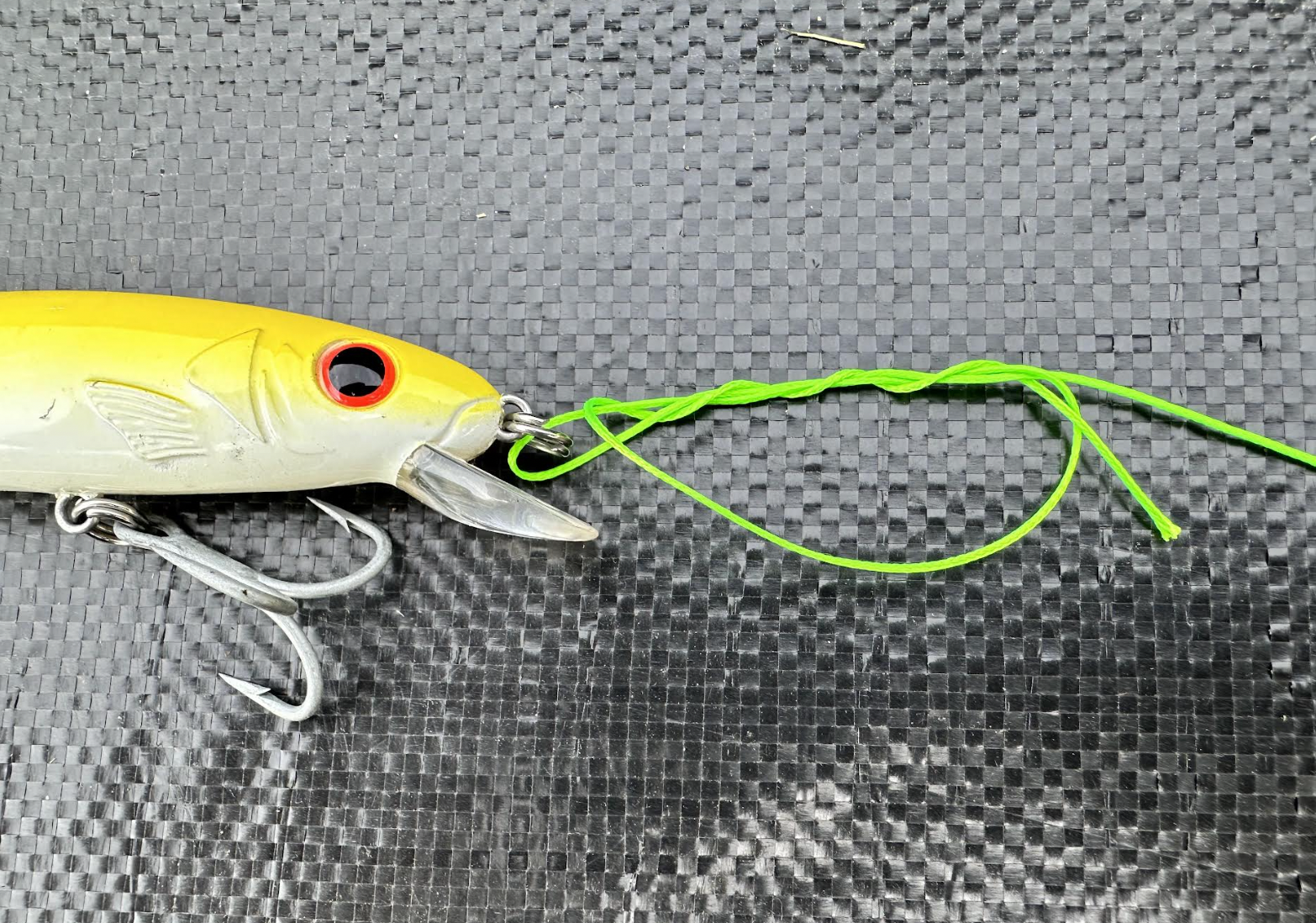
step 4: While pinching the double running line near the eye with one hand, slowly pull the tag end with your other hand. This will shrink the wraps made in Step 3, creating tight coils on the running line. Before tightening them completely, moisten the wraps with a little saliva.
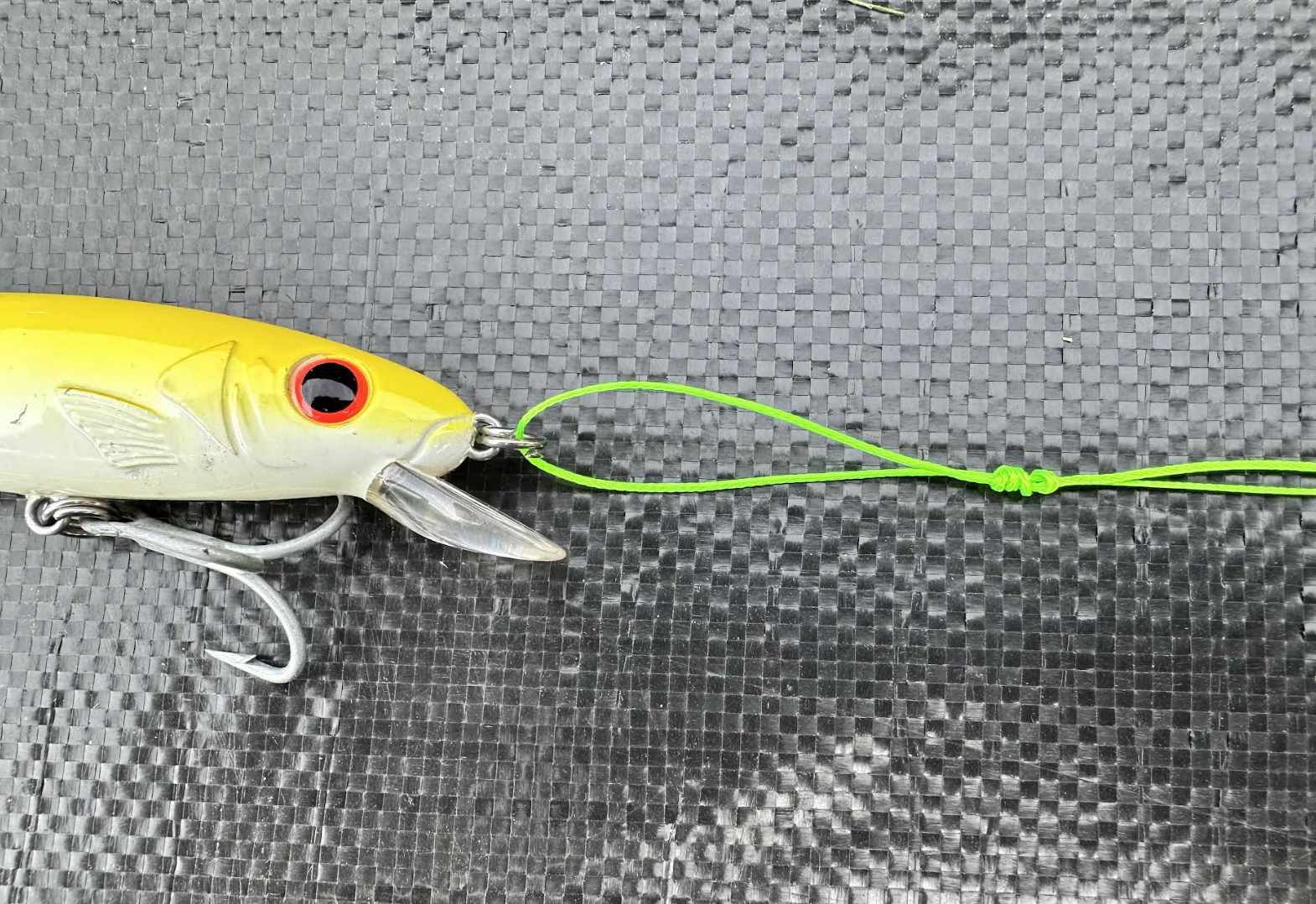
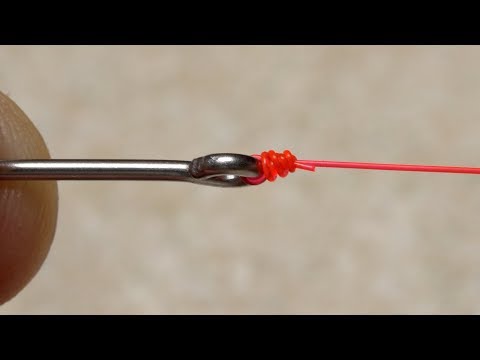
Step 5: While holding the lure, hook or terminal tackle in one hand, pull the main running line firmly in the opposite direction with the other hand. The compact wraps created in Step 4 will slide down toward the eye and jam firmly and securely onto the eye. Trim the tag end close to the knot.
Read Next: Best Fishing Lines for Bass in 2024
tying double uni knot
The Uni Knot is a great all-around connection for getting a variety of tackle on the end of your line. But did you know that it is also suitable for connecting two pieces of line? double uni knot This is a great option when you need to add a length of fluorocarbon or monofilament leader to the end of your braided line, or when you want to add a heavy baited tippet to the end of your fly leader. The tying steps are the same as when using a single uni, you are simply making two facing unis with two pieces of line. After the initial cinch down of the coils, a hard tug in opposite directions forces the uni knots to jam together, creating a very strong split.
how to tie a uni knot
Read Next: How to Tie a Fishing Knot: 9 Best Knots for Fishing
Final Thoughts on How to Tie a Uni Knot
The Uni is a simple, reliable and versatile knot. It’s definitely worth practicing and perfecting. Once you’ve mastered tying a uni knot, executing a double uni is not a difficult task. Some people find this the easiest way to connect two lines. Both are great knots to learn, no matter what you call them.