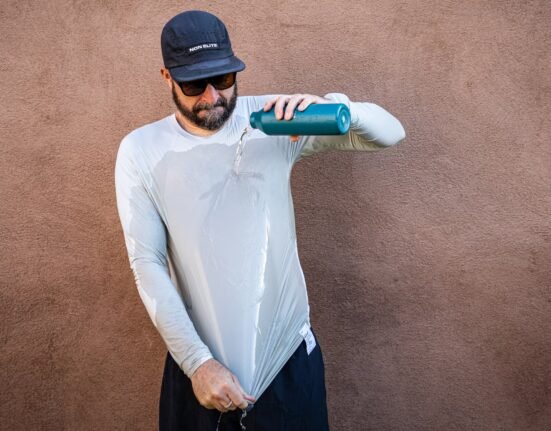
Beat the heat with smart, realistic tips for staying cool at home.
Heat is believed to feel comfortable. Long days, dinners on the patio, beach plans, road trips, hanging out in the backyard. But when the temperatures climb and the humidity makes the air feel like soup, even the best parts of the season can start to seem a little less dreamy.
Good news? Staying cool in the summer doesn’t have to mean keeping yourself locked inside an air conditioner until September. With a few smart habits, a few small changes at home, and a better understanding of how your body handles heat, you can actually enjoy the summer without overdoing it.
Start by hydrating before you feel thirsty
The easiest way to stay cool in hot weather is also the one most people forget: drinking water regularly. When it’s hot, your body sweats to regulate the temperature, which means you lose fluids faster than usual. Waiting until you feel thirsty can keep you from playing catch-up.
Keep a water bottle nearby throughout the day, especially if you’re outside, walking, working, traveling, or drinking caffeine. Water is usually sufficient for everyday hydration, but if you’re sweating heavily, exercising in the heat, or spending hours outside, electrolytes can help replenish some of what you lose through sweat.
A good rule of thumb: check your urine. Light yellow usually means you are hydrated. Dark pallor, low production, dizziness, excessive thirst or headache may be signs that your body needs fluids and a cooler environment.
Add Electrolytes When You’re Sweating More Than Normal
Water should still be your go-to in the summer, but electrolytes can help when you’re losing more fluids through sweat. Electrolytes are minerals like sodium, potassium, magnesium and calcium that help your body maintain fluid balance, support muscle function and keep everything functioning properly when temperatures rise.
For a typical day indoors, you probably don’t need to constantly drink sports drinks or electrolyte packets. But if you’re spending hours outside, working in the heat, walking in direct sunlight, sweating heavily, or feeling exhausted after a hot day, adding electrolytes may be a smart move.
Look for low-sugar electrolyte powders, tablets or drinks, or get them through food. Coconut water, bananas, watermelon, oranges, pickles, broth, curd, green leafy vegetables and salty snacks can help you replenish what you lose through sweat.
The key is balance. You don’t need to overdo it, and more electrolytes doesn’t automatically mean better hydration. Think of them as a helpful tool for hot, sweaty days—not as a replacement for water.
Dressing for the weather is part of the plan
Your summer outfit can make a big difference. Light, breathable fabrics and moisture-wicking athletic materials like cotton, linen, bamboo help air circulate and allow sweat to evaporate. Tight, heavy, synthetic clothing can trap heat and make you feel warmer than necessary.
Light colors can also help when you’re spending time in direct sunlight. A loose white linen shirt, wide-leg pants, breathable shorts, a cotton tank, or a light dress may feel more comfortable than anything clingy or structured.
And yes, accessories matter. A wide-brimmed hat, sunglasses and a light cover-up can help protect you from direct sunlight while still looking intentional.
Make your homework smart
If your house heats up quickly, treat it like you’re managing sunlight, not just temperature. During the hottest part of the day, close curtains, drapes, and windows that face direct sun. This helps prevent heat from rising inside the house.
In the evening, when the temperature drops, open the windows to bring in cool air. If you have fans, place them near windows to help circulate air. A bowl of ice in front of a fan won’t replace air conditioning, but it can create a temporary cooling effect in a small space.
If you don’t have AC, plan short breaks in cool public places during extreme heat. Libraries, malls, community centers, coffee shops, and cooling centers can give your body the reset it needs.
Keep your body cool, not just the room
Sometimes the quickest way to feel better is to directly lower your body temperature. A cool shower, wet washcloth, misting spray or cold compress on the neck, wrists, chest or back of the knees can help you feel cooler quickly.
You can also keep a clean face cloth in the refrigerator and use it when you come in from the heat. It sounds simple, but it works.
At bedtime, try a cool shower, breathable sheets, and lightweight sleepwear before bed. Keep the curtains closed during the day so your bedroom doesn’t become a heat trap at night. If you have a fan, move it across the room instead of directly towards your face to keep the air moving without drying you out.
Schedule your outdoor plans around summer
If you want to stay active in the summer, timing is everything. The hottest part of the day is usually the afternoon, so try to schedule walks, workouts, errands, gardening and outdoor plans for the morning or evening.
Do construction work in shady areas when you are outside. Sit under a tree, use an umbrella, go to a store, or spend a few minutes indoors. You don’t need to be dramatic about it. Heat rises slowly, and short breaks can help protect your body from excessive stress.
For workouts, reduce the intensity if the temperature is high. A slow walk, indoor Pilates class, strength session, swimming, or shady path may be a better option than undertaking a tough outdoor run in extreme heat.
eat light, cold food
Heavy meals can make you feel sluggish in the heat, especially if it requires standing over a hot stove. Summer is the perfect time to consume food that is light, nutritious and refreshing.
Think protein-rich salads, cold noodles, wraps, smoothies, fruit, yogurt bowls, grilled vegetables, seafood, cold sandwiches and snack plates. Water-rich foods like watermelon, cucumbers, oranges, strawberries, lettuce and tomatoes can also aid in hydration.
You don’t need to eat like a rabbit all summer, but choosing lighter meals during the hottest hours can help you feel more comfortable.
Be smart with alcohol and caffeine
You don’t have to give up iced coffee or patio drinks, but balance matters. Alcohol can contribute to dehydration, especially when you’re out in the sun. For many people caffeine can still be included in your fluid intake, but it is wise to mix coffee with water during extreme heat.
If you’re out drinking, alternate drinking water, eating something salty or balanced, and taking a break in the shade. A lovely afternoon on the patio is less fun when it turns into a dehydration headache.
Know when the heat is becoming dangerous
There is a difference between feeling the heat and experiencing heat illness. Get attention if you or anyone around you develops symptoms such as dizziness, fainting, nausea, vomiting, headache, muscle cramps, heavy sweating, rapid breathing, rapid heartbeat, extreme thirst, dark urine, or confusion.
Go to a cool place, drink water and cool the body immediately. Heat stroke is a medical emergency. If someone is confused, unconscious, has a very high body temperature, has stopped sweating, or seems seriously unwell, call emergency services immediately.
beat the heat
Summer heat is easier to handle when you stop trying to tough it out. Before you become desperate for it, drink water. Add electrolytes when you’re sweating heavily or have been outside for a long period of time. Dress according to the weather. Keep your house shady. Take a break. Cool your body directly. Save intensive plans for the cooler parts of the day.
You can still enjoy the best parts of summer. You just need to work with the heat, not against it.