Spring rains, melting snow, a nice summer tropical system; Nature uses many methods to fill lakes and rivers, but such flow always brings some degree of mud. Whether it’s a river system where the main artery scours the landscape and sends huge amounts of sediment through its reservoir, or simply those mountain drains that carry dirty water past pockets of water. So instead of staying home when the water gets dirty, you should learn how to fish in it.
How does water clarity affect fishing?
Dirty water reduces visibility and makes it harder for bass to find bait. Due to reduced visibility the chances of catching fish also reduce.
look for ambush points
Fish usually move shallower when visibility decreases, as this helps them feed more efficiently in smaller spaces. Think: The cornerback is using the sideline to force a fleet-footed receiver out of bounds.
Despite the hidden benefits of dirty water, clarity is always a good thing. Vegetation filters water, so look for areas dense with grass, reeds, etc. to clear up as quickly as possible.
How to choose the right bait for poor water purity
As rivers, streams and creeks begin to flood across the country, we are reminded that spring rains bring dirty water, reducing visibility and making bass fishing even more challenging. Turbid currents prove particularly disruptive in lakes where fish are spawning, as the dirty – and usually cold – water will push fish away from their beds.
After bedding season, dirty water in any scenario demands attention and adjustments from fishermen hoping to fool bass with artificials. It’s all about increasing the fish’s ability to detect your bait.
switch to bigger lure
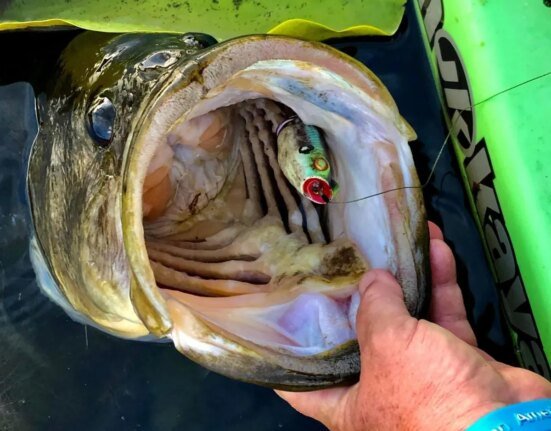
Large-profile baits provide an important visual cue while displacing more water than smaller baits, allowing the fish to “feel” something coming through the dirt. Enlarge your jig trailers, put a larger worm on your Texas rig, or tie a full-sized topwater plug.
reach for louder bats
Baits with internal rattles – whether they’re crankbaits, jigs, topwaters, or frogs – give fish an audible beacon to follow. Hitting stumps or rocks with a squarebill or dropping a Texas-rigged bait into cover also makes key strikes.
choose vibrating bait
Lipless crankbaits hold their own each spring, as their wobbling motion creates bait-imitating jerks to which bass react. Similarly, Colorado blades produce a “thump” that draws fish to your spinnerbait.
Brighten up your captivating color choices
Dipping the bait in chartreuse or orange adds contrast, but don’t hesitate to get creative with colors when the water is dirty. For example, Texas angler Dustin Grice has modified his spinnerbait by adding a chartreuse and white willow-leaf blade with a matching chartreuse/white skirt. This is nothing new for brown bass, but Grice says the strategy attracts green bass as well.
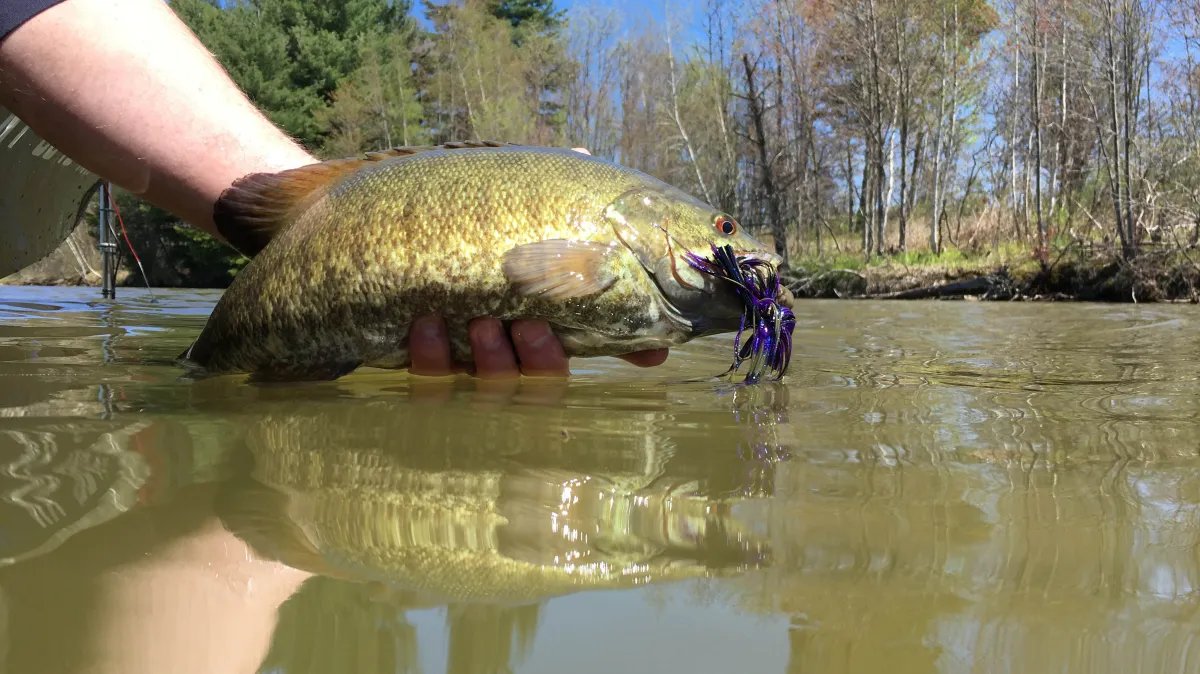
“Most people think that colored blades are just for little guys,” says Grice. “Smallmouths like them, but they work for largemouths too when the water is dirty. I’ll throw (colored blades) over docks, points, and wherever I can find dirty water.”
Best bait for catching bass in dirty water
Simply put, you want to use bait that will attract attention with a flash and/or vibration. Productive options include:
1. Spinnerbait
Large, sleek profile sheds lots of water. Make sure there is at least one blade thumping Colorado.
2. Crankbaits
Shallow divers, especially squarebills, swim in turbid waters. Be sure to remove any covering you come across.
3. Blade Swim Jigs
Big on sight and vibes, swim jigs are especially productive with large swimming tails like a Yamamoto heart tail worm or a. Gambling Big Easy.
4. Jigsaw
Once you locate a promising area (log, laydown, etc.) with a “moving” bait, isolate it with a dark-colored flipping jig. Rattle jigs are the most productive and a large, active trailer is the way to go in dirty water.
5. Texas Riggs
Large insects, wide-bodied creatures bait – anything with sufficient mass and moving appendages in the water will suffice. Similar to jig rattles, Texas rigs with a bead between the hook and weight produce a pronounced fish-calling click sound.