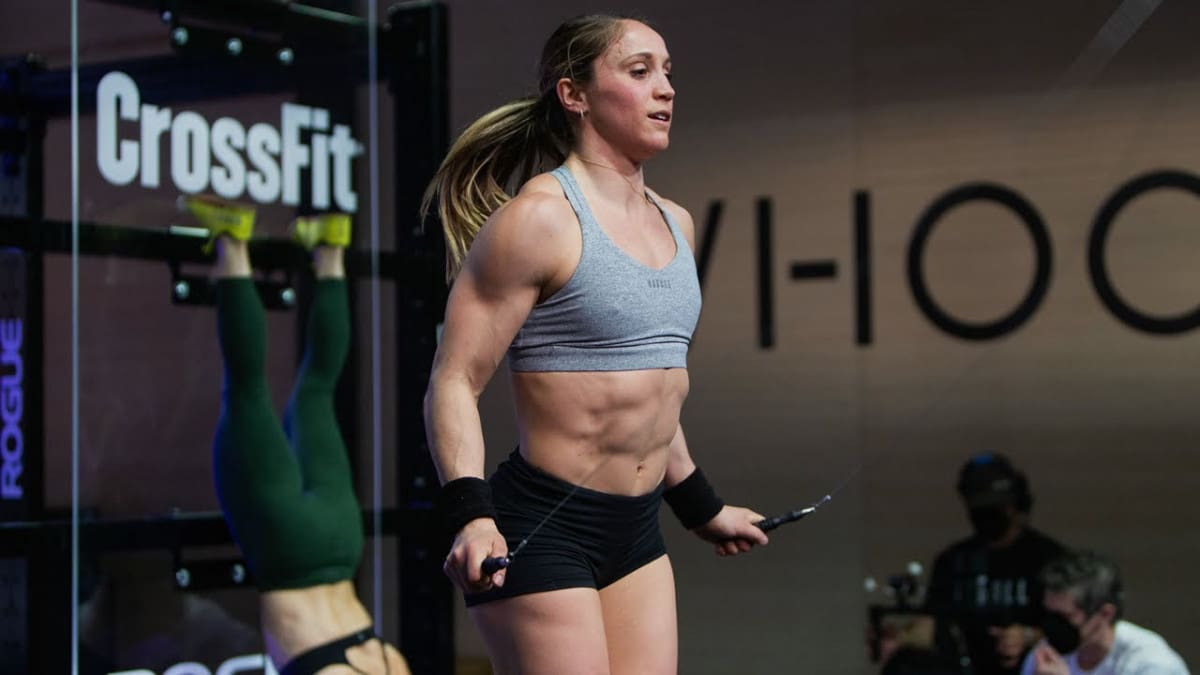
It seems like a simple question, but the answer is more complicated than you might think.
The Physiology of Sweat and Performance Decline
Hydration science hinges on the relationship between fluid loss and cardiovascular strain. When you perform heavy resistance training or high intensity conditioning, your working muscles generate heat as a byproduct of ATP breakdown. To prevent hyperthermia, your body directs blood flow toward the surface of your skin and activates sweat glands. The loss of fluid from your extracellular spaces causes your plasma volume to shrink, which directly reduces cardiac stroke volume and forces your heart rate to elevate to maintain output.
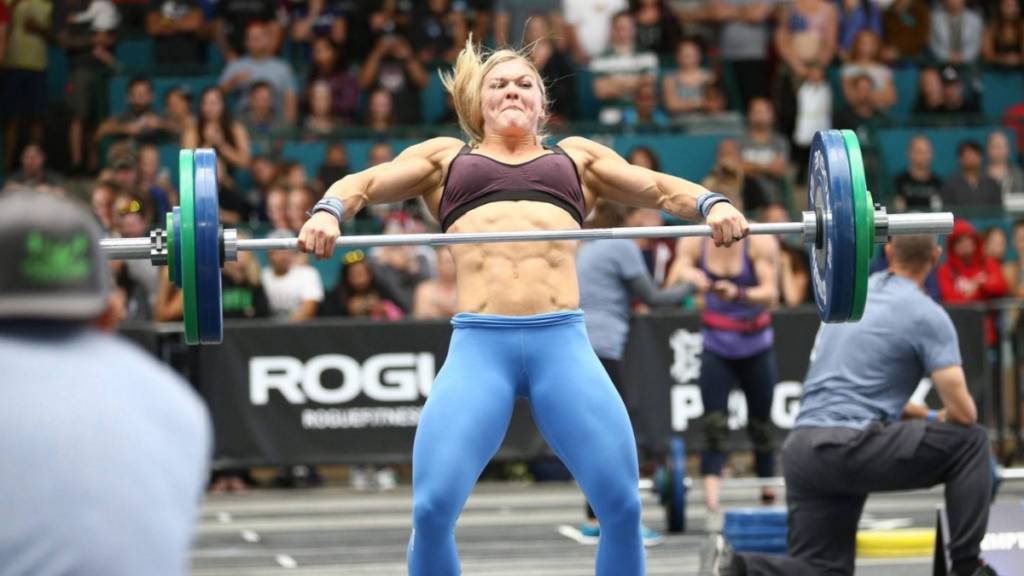
Sports science literature demonstrates that a fluid deficit equal to just two percent of your total body mass is enough to impair cognitive function, motor control, and muscular endurance. When dehydration reaches three percent of body mass, your maximal force production and anaerobic power output experience measurable declines. This drop in physical capability occurs because dehydrated muscle cells struggle to maintain optimal intracellular pressure and electrolyte gradients, which impairs nerve signal transmission and muscle fiber contraction.
Research evaluating strength athletes during heavy training sessions reveals that dehydration compromises total training volume long before you feel severe thirst. By the time your brain signals thirst, your body is already experiencing a mild fluid deficit. The following data highlights how progressive fluid loss impacts key markers of human performance during structured gym training.
Understanding these physiological thresholds helps explain why guessing your fluid intake is a recipe for underwhelming workouts. Balancing fluid intake requires matching your consumption to your unique sweat rate rather than relying on generic recommendations.
Calculating Your Personal Gym Hydration Target
Discovering how much fluid you actually need to drink during a gym session starts with calculating your personal sweat rate. Sweat rates vary wildly between individuals based on body mass, genetic predisposition, fitness level, ambient humidity, and exercise intensity. A two hundred pound athlete training in a hot gym will lose fluid at a radically different rate than a one hundred and thirty pound beginner lifting in an air conditioned facility.
To calculate your precise hourly sweat rate, weigh yourself in minimal clothing immediately before your workout. Execute your standard sixty minute training session while keeping track of the exact volume of water you consume. Immediately following your workout, towel off completely and weigh yourself again in the same clothing. Subtract your post workout weight from your pre workout weight, convert that difference to fluid ounces, add the volume of water you drank, and you will have your precise sweat rate per hour.
As a general sports science guideline, athletes should aim to consume roughly sixteen to twenty four fluid ounces of water for every pound of body mass lost during exercise. However, during the actual workout itself, your goal is not to replace one hundred percent of your fluid losses instantaneously, as doing so can cause abdominal discomfort and gastrointestinal distress. Instead, aim to drink roughly six to eight fluid ounces of water every fifteen to twenty minutes during active lifting, which keeps your fluid deficit well under the critical two percent threshold.
The Critical Role of Electrolytes and Mineral Balance
Drinking massive volumes of plain water without addressing electrolyte balance is one of the most common hydration errors gym goers make. When you sweat, you do not just lose pure water, you also lose vital minerals including sodium, potassium, magnesium, and calcium. Sodium is by far the most critical electrolyte lost in sweat, acting as the primary osmotic regulator that keeps fluid inside your blood vessels and intercellular spaces.
If you sweat heavily and consume large quantities of plain water, you dilute the sodium concentration in your blood stream. This dilution triggers your kidneys to flush out excess fluid, resulting in frequent urination and further dehydration despite high intake. Adding a modest amount of sodium and carbohydrates to your intra workout fluid enhances intestinal water absorption through the sodium glucose cotransport system, speeding up rehydration.
Including a pinch of salt or an electrolyte powder in your gym water bottle becomes especially important if your workouts extend past sixty minutes or take place in high heat. Keeping your electrolyte balance intact ensures that the water you drink actually gets absorbed into your cells rather than passing straight through your system.
Pre, Intra, and Post Workout Hydration Protocols
Achieving optimal hydration status is an ongoing process that begins hours before you arrive at the gym and continues long after your workout ends. Arriving at your session in a hypohydrated state makes it nearly impossible to catch up on fluid balance while lifting, as your gut can only absorb between twenty four and thirty two fluid ounces of water per hour during exercise.
Begin your hydration strategy roughly two to three hours before your session by drinking sixteen to twenty fluid ounces of water. This window allows your kidneys to process the fluid and clear any excess while ensuring your tissues are fully saturated. During your workout, stick to your established schedule of sipping small amounts of fluid consistently rather than chugging large amounts between heavy sets.
Following your workout, check your body weight against your pre workout baseline. Replace your remaining fluid deficit over the next two to four hours while consuming a balanced meal containing sodium to lock in fluid retention. Adopting this structured approach ensures that you recover rapidly and arrive at your next training session ready to push your physical limits.
Key Takeaways
References
- American College of Sports Medicine. (2007). Exercise and fluid replacement. Medicine and Science in Sports and Exercise, 39(2), 377-390.
- Casa, D. J., Clarkson, P. M., & Roberts, W. O. (2005). American College of Sports Medicine roundtable on exertional hyponatremia: Consensus statement. Current Sports Medicine Reports, 4(3), 115-127.
- Goulet, E. D. (2012). Effect of exercise-induced dehydration on time-trial exercise performance: A meta-analysis. British Journal of Sports Medicine, 46(2), 78-82.
- Maughan, R. J., & Shirreffs, S. M. (2010). Development of individual hydration strategies for athletes. International Journal of Sport Nutrition and Exercise Metabolism, 20(5), 456-469.
- Sawka, M. N., Burke, L. M., Eichner, E. R., Maughan, R. J., Montain, S. J., & Stachenfeld, N. S. (2007). Exercise and fluid replacement position stand. Medicine and Science in Sports and Exercise, 39(2), 377-390.

No Gym, No Weights: How DayClass Is Making Strength Training Easier
3 Best Triceps Building Barbell Exercises for Beginners