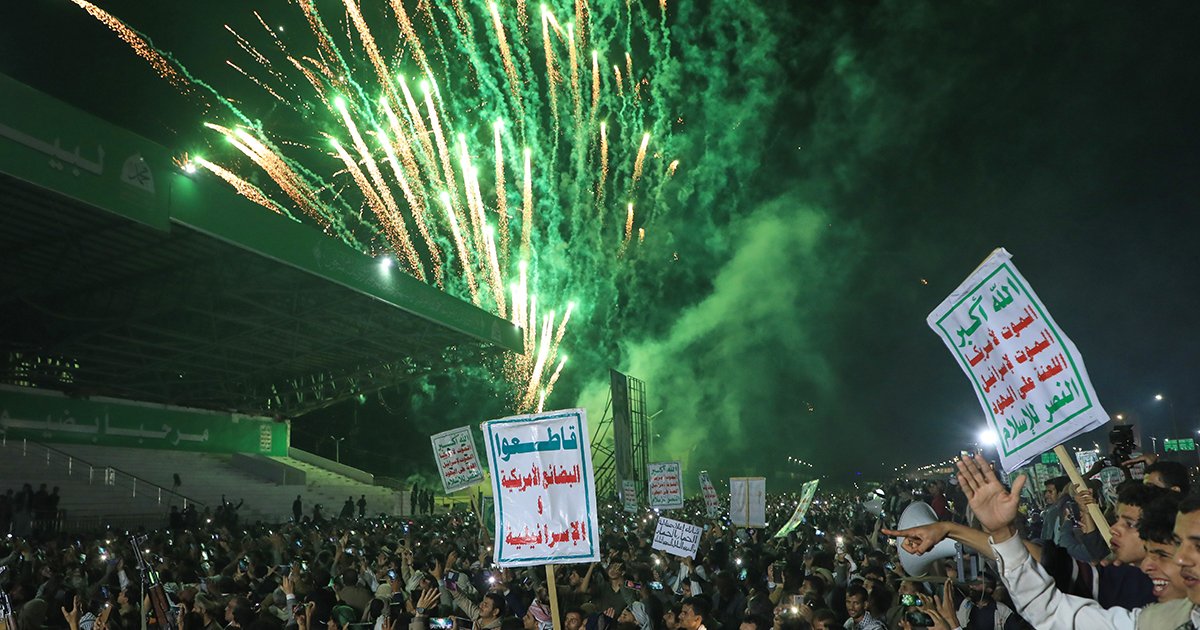
Fireworks are fired during a rally of Houthi supporters against the Saudi-led coalition in Sanaa, Yemen, on July 20, 2026. (Osama Abdulrahman/AP)
key takeaways:
- Attacks between the US and Iran continued for a 10th day as mediators sought to restore a ceasefire and the Houthis threatened Red Sea shipping.
- The conflict has disrupted Strait of Hormuz traffic, sending Brent crude near $90 a barrel and increasing risks to Saudi oil exports through the Red Sea.
- Diplomats from Pakistan and Qatar are in talks, but officials said success depends on resolving disputes over shipping through Hormuz.
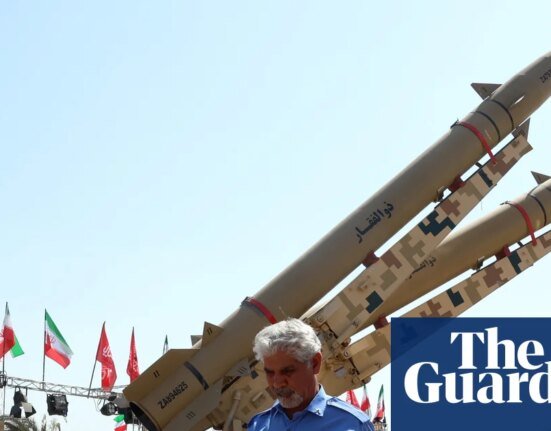
The attacks continued for a 10th day between the US and Iran as mediators sought to restore a ceasefire, while the Houthi militant group in Yemen threatened shipping in the Red Sea.
US Central Command said it targeted Iranian military command centers, launch sites and air defenses overnight, and Iran struck sites in Kuwait and Jordan, with Kuwait saying power and desalination plants were among those struck. Britain’s navy reported attacks on two ships around the Strait of Hormuz.
The vital trade waterway is at the center of the latest flare-up in fighting, with Iran insisting on maintaining control over maritime traffic after disagreeing with the US over how to interpret last month’s ceasefire. Mediators are working to revive the June 17 interim peace deal, and Iran’s Interior Minister Eskandar Momeni is in Pakistan on July 21 to discuss the way forward with Prime Minister Shahbaz Sharif.
Oil prices have risen by nearly a fifth in July since the resumption of hostilities in the nearly five-month-long war, which began when the US and Israel launched airstrikes on Iran in late February. On July 21, Brent crude was trading slightly below $90 per barrel.
The Iran-backed Houthis said on July 20 they would impose a maritime blockade on Saudi Arabia, jeopardizing the flow of millions of barrels of water the kingdom exports through the Red Sea. A message from the Yemen-based group to ship owners warned all ships against calling at Saudi ports, highlighting the scope of the threat, according to an email seen by Bloomberg.
The Saudi-led coalition in Yemen said it was taking steps to protect ships in the area, while the Saudi Foreign Ministry said the kingdom would take all necessary measures to protect ships in accordance with international law.
NEW: The Houthis’ announced naval blockade against Saudi Arabia could result in an expansion of the shipping crisis in the Middle East, as it will almost certainly increase the cost of shipping through the Red Sea by discouraging ships from transiting the Red Sea. ISW-CTP… pic.twitter.com/m0XyPksYW4
– Institute for the Study of War (@TheStudyofWar) 21 July 2026
Disruption of supplies through the Red Sea, the route Saudi Arabia currently uses to export its crude, would exacerbate the war’s impact on global oil trade.
US retail gasoline prices have soared above $4 a gallon, which could hurt President Donald Trump and his Republican Party ahead of the midterm elections in November.
Pakistan and Qatar, the main mediators in the conflict, see a return to the US-Iran status quo before July 9 as a first step in reducing hostilities, according to the semi-official Iranian Student News Agency. The latest round of fighting over control of the Strait of Hormuz began the same day.
Asked about a Reuters report that mediators have proposed a 10-day ceasefire, a US official said Trump is currently focused on punishing Iran for attacking ships in the strait. The attacks will continue unless the president chooses a different course of action, but diplomatic efforts to end the war will continue, the official said.
(Majid Saeedi/Bloomberg)
More about Hormuz
Tehran, asserting that it has the right to manage traffic through the Strait of Hormuz, has attacked US bases in Kuwait, Jordan, Bahrain and Iraq. Kaifan, an oil products tanker owned by Kuwait Oil Tanker Company, became the latest major ship be attacked The outbreak of fighting in the strait leaves the waterway empty.
The US military has announced the deaths of three service members in northern Iraq and Jordan since July 17, while another service member is still missing.
Iran says the latest flare-up has come after US strikes hit bridges, killing more than 50 people and wounding more than 500.
Trump last week warned Iran that he would increase airstrikes and expand the scope of targets unless it backed down. Trump told reporters that the latest US strikes were “out of respect” for the personnel killed. White House Press Secretary Carolyn Leavitt said on July 20 that the President would participate in a dignified transfer ceremony for “our fallen heroes” on the evening of July 21.
Israel has distanced itself from this month’s hostilities, while saying it is prepared to rejoin the fight if it comes under direct Iranian attack or requests US assistance.


Alex Fraser from Cox Fleet discusses how fleets should respond when a roadside breakdown occurs, testing their safety, compliance and customer service systems simultaneously. Tune in by going above or RoadSigns.ttnews.com.
Finance Minister Bezalel Smotrich told a conference on July 21, “Israel has no interest at the moment in getting involved in a scheduled war between Iran and the United States.”
Unless the US and Iran reach an agreement on shipping in the Strait of Hormuz, a breakthrough is unlikely. Shipping volumes have declined and the number of ships passing through Hormuz is now at approximately the same level as during the height of the conflict in March and early April.
Iran’s Foreign Minister Abbas Araghchi said his country would not abandon diplomacy, but would not be forced to return to the negotiating table in the face of a military attack.
“Iran’s actions in the Strait of Hormuz and the Persian Gulf had global consequences and we became a global player,” he said in an interview published on his Telegram channel.