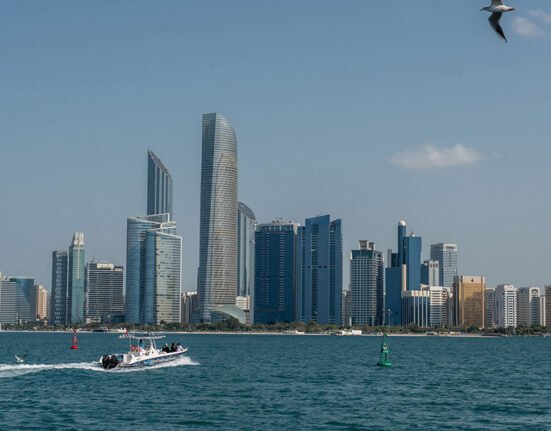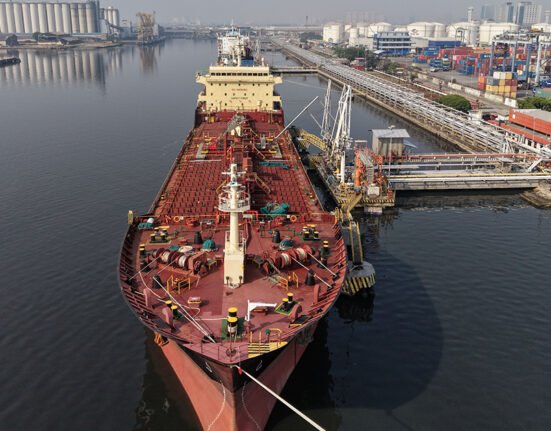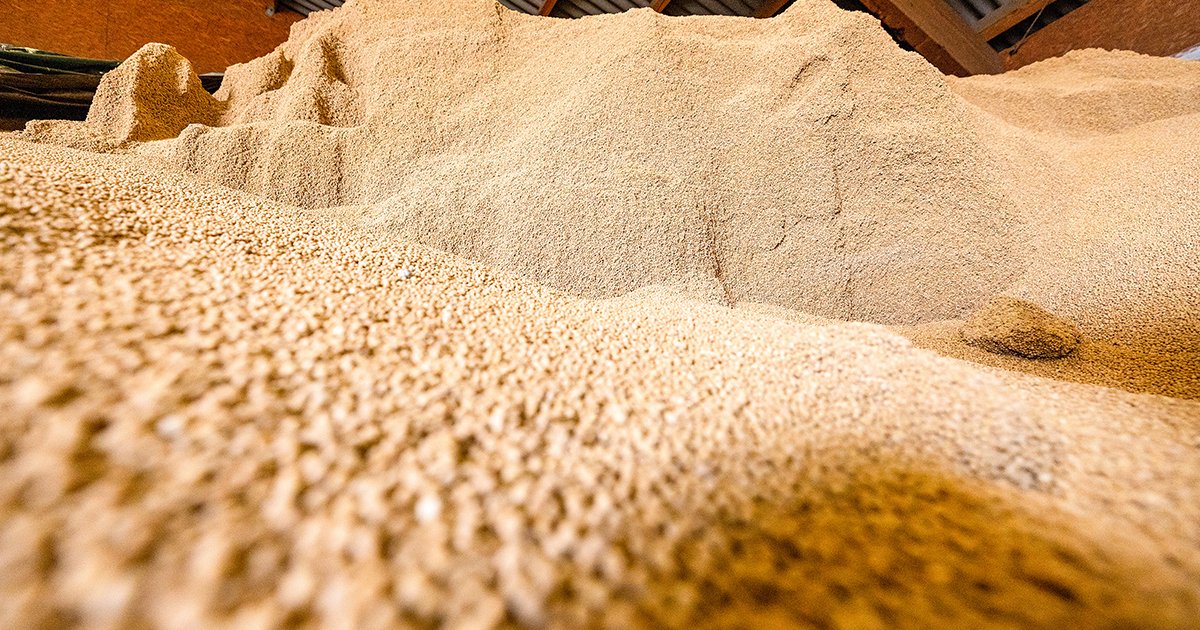
Fertilizer storage. (Kriztian Bocci/Bloomberg)
key takeaways:
- Fertilizer shipments through the Strait of Hormuz have resumed following a US-Iran interim peace deal, with at least 16 ships moving out and reaching near pre-war levels.
- Analysts said exports rose by about 530,000 tonnes in the week ended June 21 as stranded goods moved, easing supply concerns that had raised food inflation risks.
- Deliveries are underway to key markets, including Asia and Brazil, although additional ships may still surface and full normalization may take several weeks.
Fertilizer exports through the Strait of Hormuz have increased significantly since last week, increasing supplies to the global market after large quantities of fertilizer became stuck in the Persian Gulf following the Iran war.
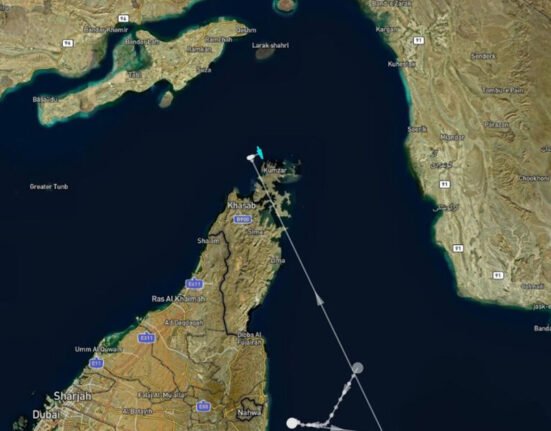
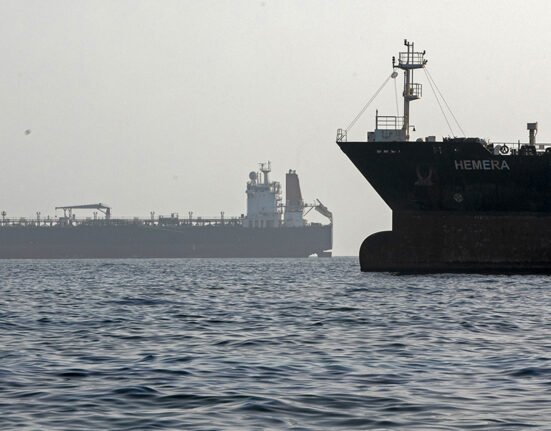
At least 16 ships loaded with crop nutrients have left the strait since the US and Iran signed an interim peace deal, with volumes approaching pre-war levels, according to ship-tracking data compiled by Bloomberg and intelligence firm Kpler. At least 18 of the more than 40 ships stranded since the beginning of the war are now gone, most of them headed for Asia.
The agriculture industry is closely watching the pace of exits amid expectations that the increase could be gradual as hundreds of ships carrying a variety of cargo compete for exits. The Gulf region is home to some of the world’s largest fertilizer plants, and the waterway handles about one-third of the global trade in urea – one of the world’s most important crop nutrients.
Kpler data shows that weekly fertilizer exports through Hormuz have increased from zero during most of the war to about 530,000 tons in the week ending June 21. According to the firm, early tracking for the current week indicates that shipments are continuing to improve.
The Asian destinations to which the ships are signaling include China, India and Sri Lanka. India is the top importer of urea and diammonium phosphate fertilizers. One ship is headed to Brazil, where buyers are stockpiling fertilizers ahead of soybean planting that begins around September.
“Now that shipments have resumed, some of the supply pressure should ease,” said Pranshi Goyal, senior analyst at consultancy CRU Group.
Hormuz traffic has improved cautiously
Strait of Hormuz traffic was confirmed to be active on 23 June, with 31 verified crossings of commercial and energy-related vessels. Movement from west to east dominated, while the Iranian, Omani and IMO routes all remained in use. The strait is visible… pic.twitter.com/TOe354A89q
– Kepler (@Kpler) 24 June 2026
Although cargoes may take several weeks to reach buyers, urea prices have already fallen as fears of prolonged supply disruptions have eased. The dramatic reversal in the early weeks of the war reduced one of the greatest threats to food inflation.
It is also possible that other ships laden with fertilizers may have come out. Many ships stranded in the Persian Gulf have not transmitted signals to their locations for months, meaning it may have been dark before they left and still have not turned on their transponders.