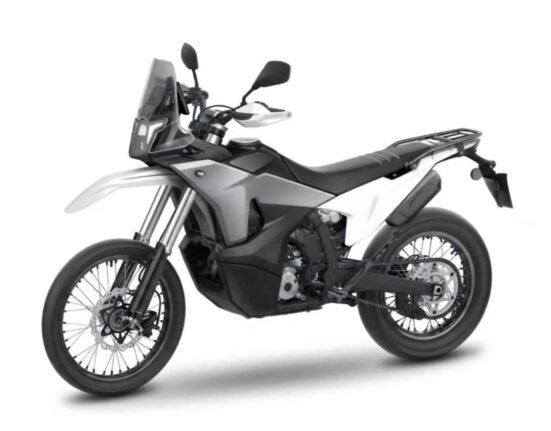
Don’t get it twisted, I really enjoy electric motorcycles. If they have knobby tires, weigh low, can wade through streams, blitz forests, and have lots of suspension, they’re the perfect machine. You will get tired before they do.
But, friends, the ones I’m describing above are dirt bikes. Off-Roaders. Motorcycles are designed to run on single track and nothing more. This is where the current state of EV technology really comes into play in the motorcycle world. Tearing up in the woods and in your backyard or on a moto track.
And perhaps, if I’m being generous, they also work in urban environments where charging is easier for commuter-based transportation – like scooters.
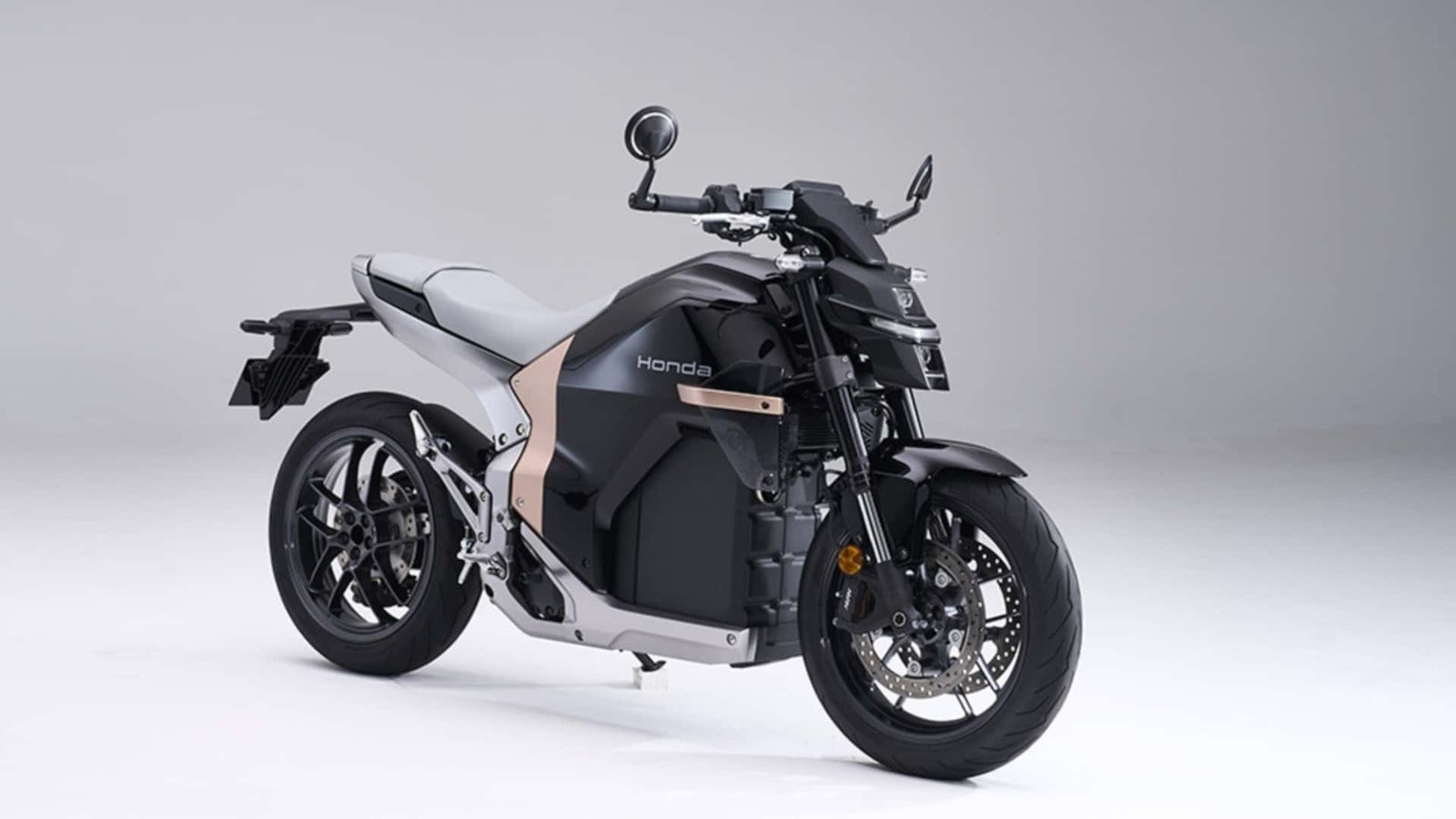
However, on-road EV motorcycles – things like LiveWires, Zeroes (not the brand new EV dirt bike), and Honda’s first WN7 – all suffer from the same fatal flaw not mentioned above: range. And the introduction of the Honda WN7 proves that point and should be a beacon warning to every other EV manufacturer telling them to stay away.
On-road EV bikes are not yet ready to replace gas bikes.
Honda says the WN7, now available in Europe, has a maximum range of just 87 miles from its 9.3 kWh lithium-ion battery. Add several hours of charge time using charging at home, or about an hour for a full replenishment via fast-charging stations, and it’s frankly pitiful in comparison to its dino-drinking siblings.
Still, Honda is not alone in this disappointing matter.
The LiveWire and Zero have equally poor range stats, and this is one of the main reasons why only hundreds to thousands of units are sold each year. However, those weak sales figures, which will likely also hurt Honda, are inextricably linked with why people buy motorcycles because of range. Motorcycles, especially on-road motorcycles, are purchased because of the freedom they offer.
Motorcycles as transportation – not traveling via scooter, as most of the world does – is based on the ability to go anywhere, whenever the mood strikes. They are bought because you not only have the ability to walk to the stores or run down your favorite canyon road, but if the mood strikes, you can do an 1,800-mile iron butt or drive completely around the world with your best friend. But if you’re concerned about range and charging takes years, what’s the point of owning a motorcycle? There isn’t, and the proof is in the sales figures for Zero and LiveWire, and soon Honda too.
Where this isn’t felt is in the off-road EV segment, because thanks to things like Stark Future’s lineup, Surron, Talaria, Niu, and others, they’re selling for hundreds of thousands – and that’s why both LiveWire and Zero have turned to EV dirt bikes. They are not machines of freedom on the open road, as is the case with the Honda WN7.
However, Honda had to offer something to the segment, not only to continue pushing the envelope, but also to meet the restrictive emissions targets of Europe and other countries. So I understand why Honda introduced something like the WN7. But like its competitors, I worry that its failure to be comparable with its gasoline brethren will cause irreparable damage to the segment in the long term. And that causes the industry to step back further before the technology is actually ready for public consumption.