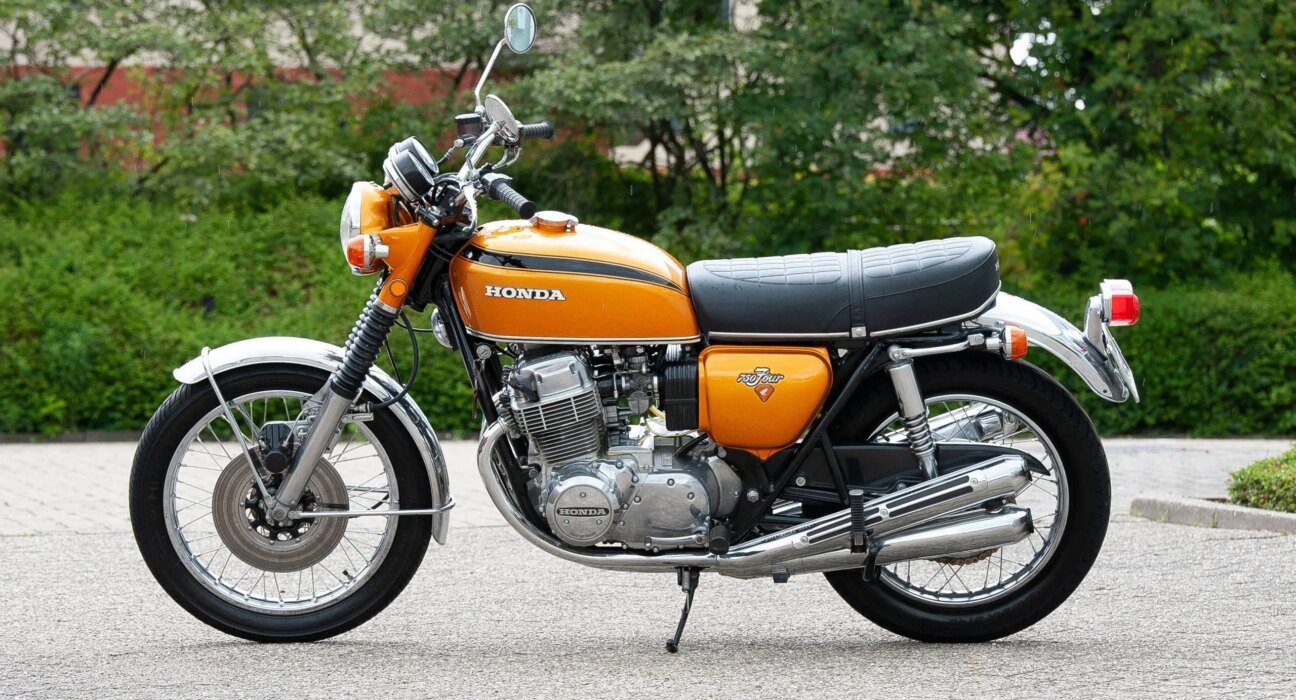
In the spring of 1969, big motorcycles still ran on drum brakes, kickstarters, and a fair amount of faith. British twins ruled the top end of the market, American V-twins were going their separate ways, and real speed usually came with oil leaks, vibration, and electrics that would shut down without warning. Then Honda introduced a 736 cc inline four with front disc brakes and an electric starter, and it outperformed, outperformed, and outsold almost everything else on the road. The dealers didn’t even have a word for it. Motorcycle journalists, within a few months: Superbike.
The world before CB750

Fast motorcycles existed before 1969, but they came with conditions. The Vincent Black Shadow held the title of world’s fastest production motorcycle in 1948 with a top speed of nearly 125 mph (201 km/h), yet Vincent built less than 1,800 of them in seven years. Getting these meant paying a premium and waiting, as the company that made them could barely keep up with its own orders.
Everyone else’s big bikes had their own compromises. Triumph, BSA and Norton made desirable motorcycles with real character, but oil leaks, vibration from stiff engine mounts and unreliable electrics were common complaints. Harley-Davidson’s Shovelhead, introduced in 1966, also brought its share of headaches. Drum brakes and kickstarter remained standard across the board. A bike that started every time and didn’t leak was still the exception, not the rule.
Why did Honda bet on a bigger machine?


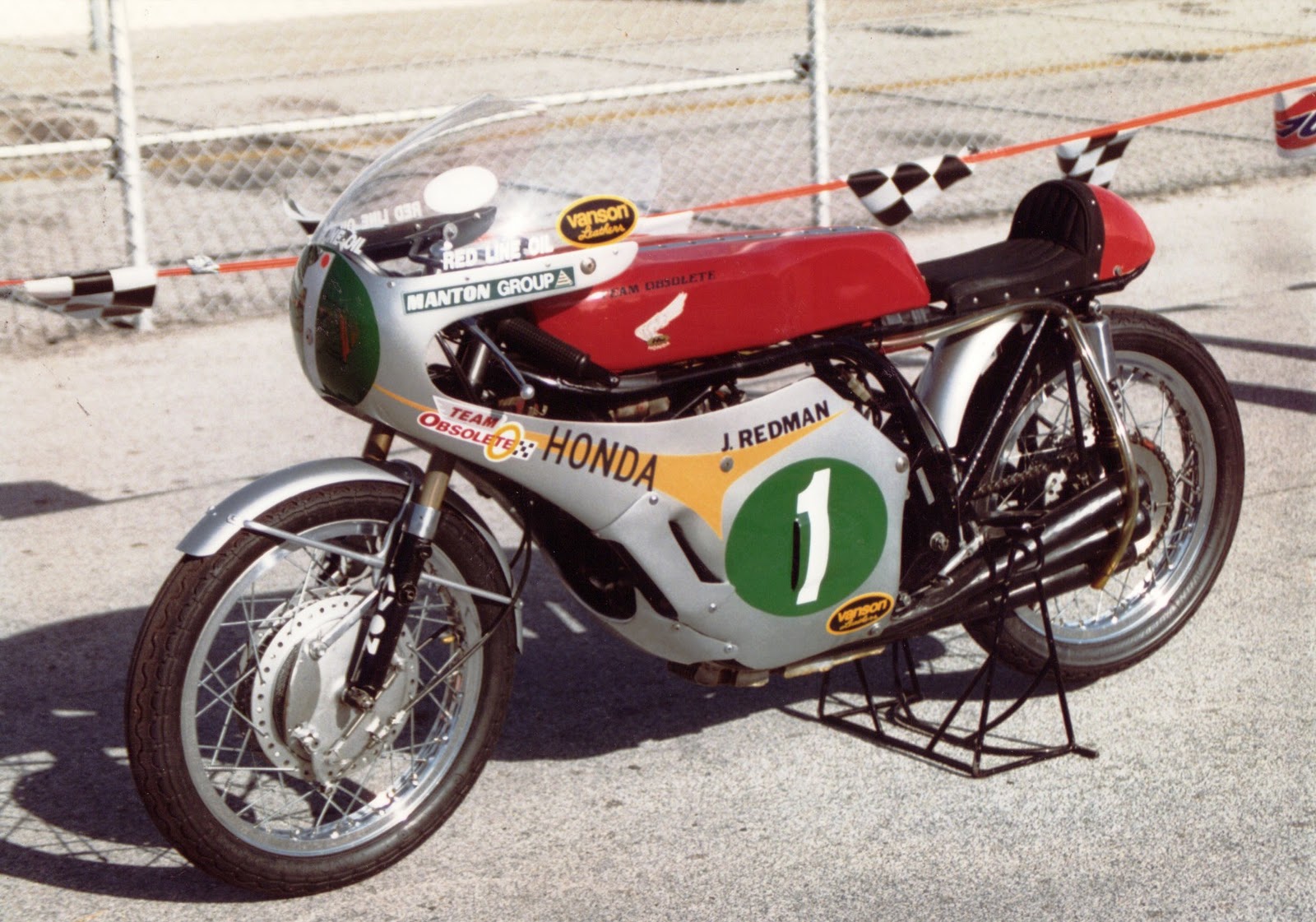
Honda’s road to the CB750 started on the racetrack, or rather, where Honda decided to leave it. In 1967, after winning the 350cc Grand Prix World Championship for five consecutive years and winning the 250cc class, Honda withdrew from Grand Prix racing. New FIM rules restricting engine configurations made further development futile. So Honda went away and redirected that racing budget and engineering talent toward the road.
The obvious target was the United States, where Honda sales had softened and dealers wanted a larger motorcycle to compete with British and American iron. Project leader Yoshiro Harada traveled to America in the summer of 1967 to study how the smaller CB450 was coming along with buyers. He came back convinced that Honda could build something big, and he told American Honda employees that the CB450 already outperformed comparable Norton and Triumph models. He reasoned that a big bike would sell itself.
building the first superbike

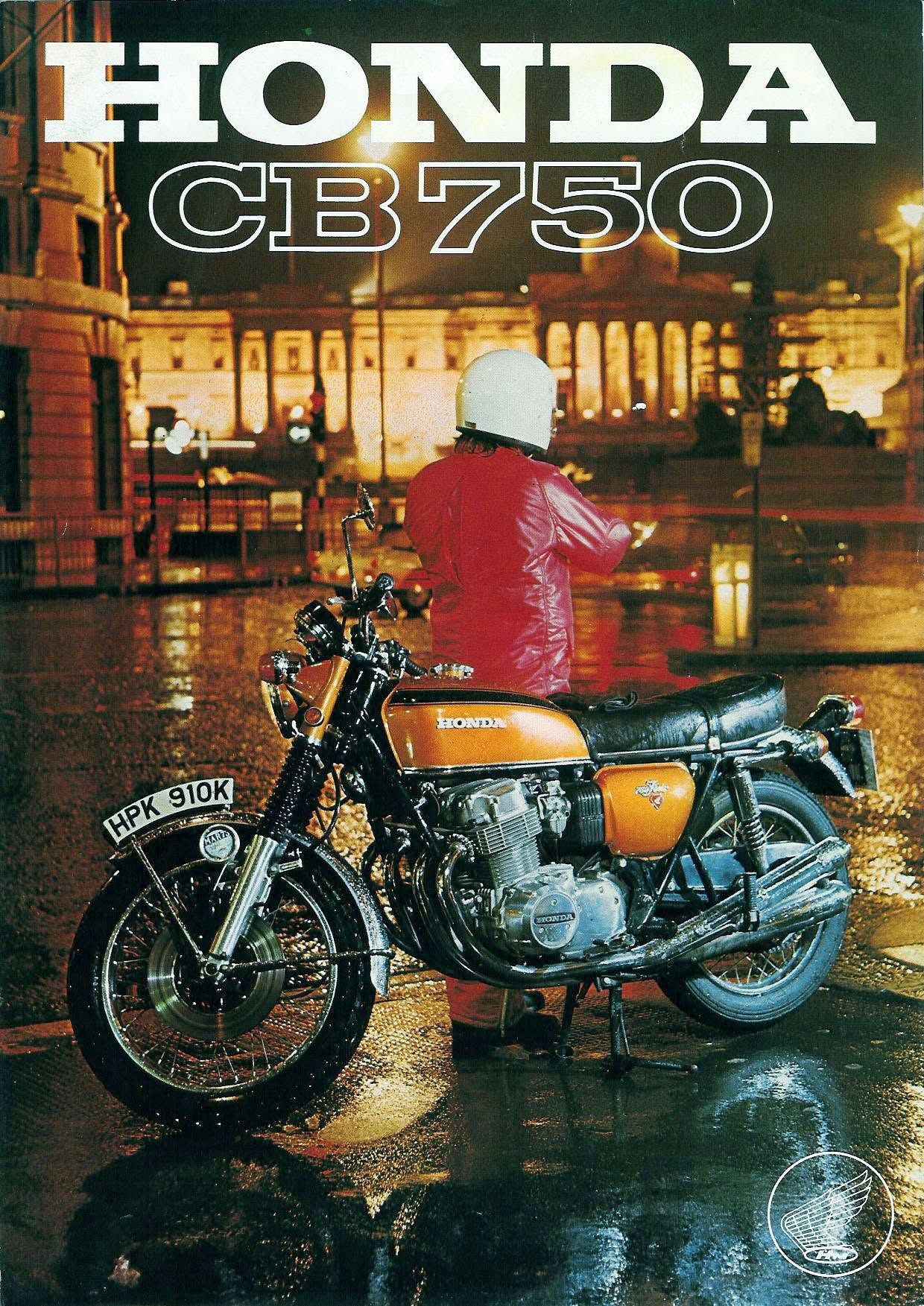
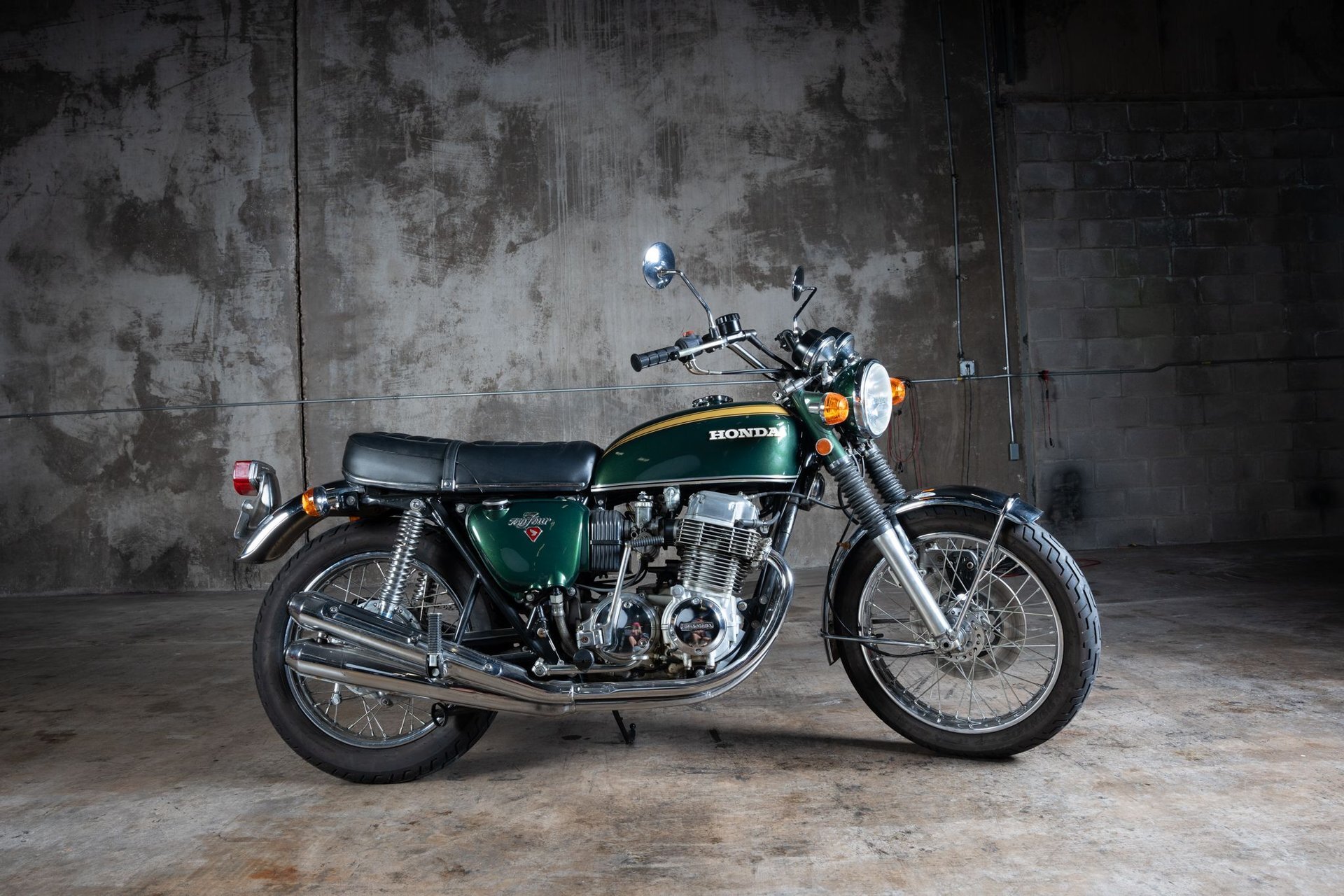
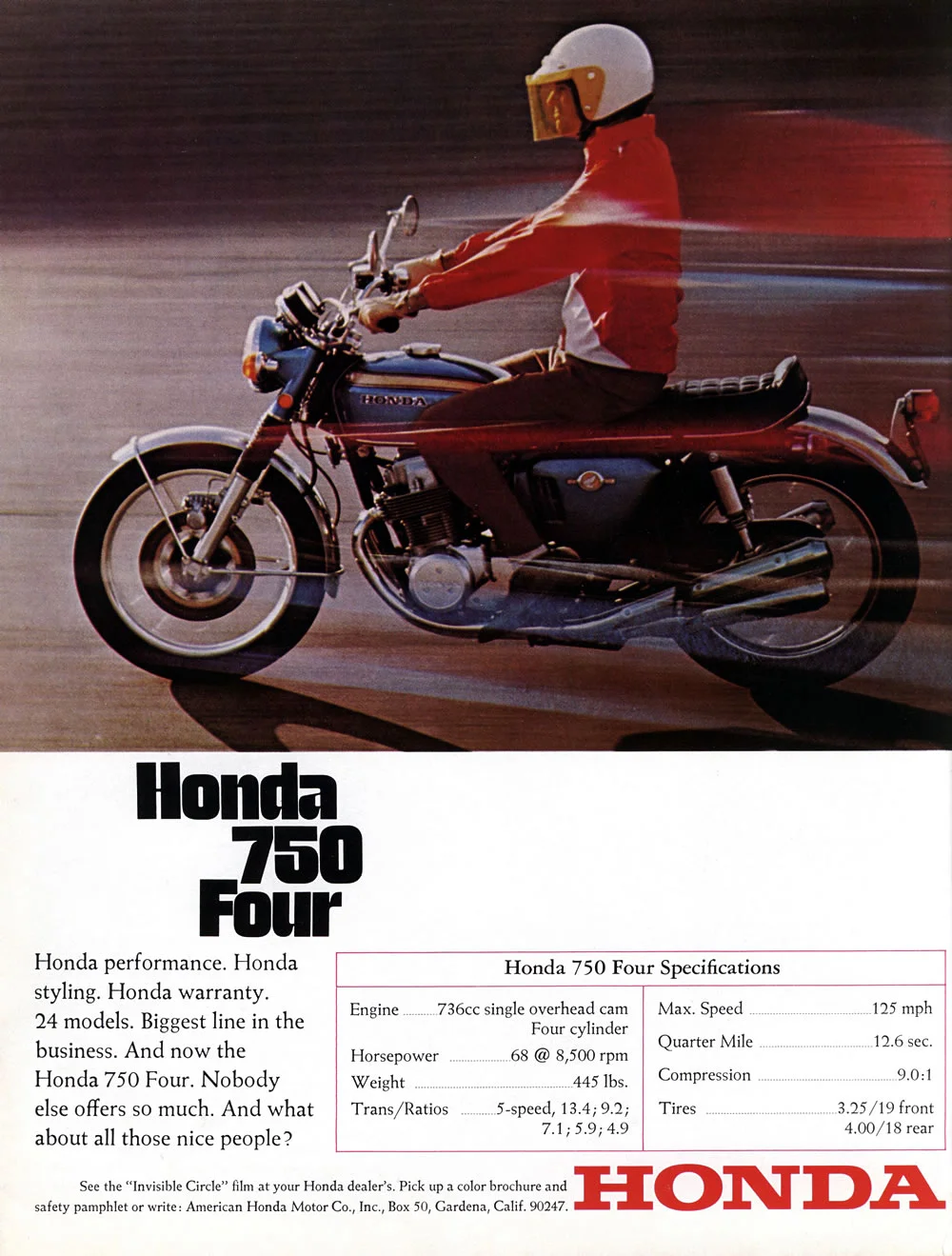
Honda didn’t put any restrictions on the spec sheet. The CB750’s engineering featured several firsts: a 736cc air-cooled inline four with a single overhead camshaft, paired with a five-speed gearbox and chain final drive, wrapped in four separate exhaust pipes that became the bike’s visual signature. It was the first mass-produced motorcycle to combine four cylinders, a front disc brake, and an electric starter in one package, features that were mostly restricted to racing machines or expensive, hand-built prototypes.

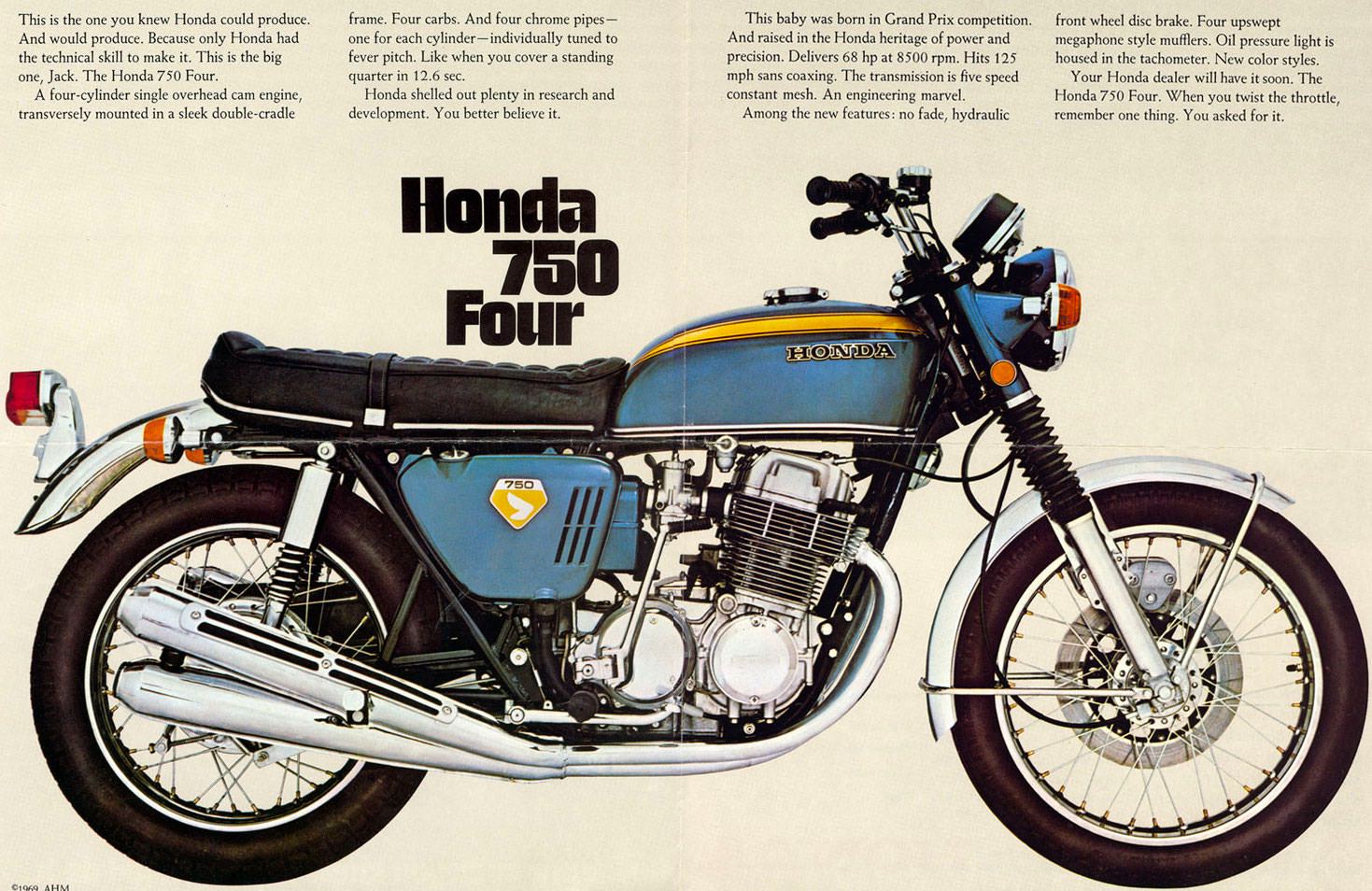
The performance numbers supported engineering. Honda claimed about 67 hp (50 kW) at 8,500 rpm, a top speed of 125 mph (201 km/h), and a quarter mile time of about 13.4 seconds. That last figure is the one that stings a bit: it would have beaten the all-new Lamborghini Miura P400S from the same year’s line. At $1,495, the CB750 undercuts the 1,300 cc Harley-Davidson and the comparable Triumph by a wide margin. Riders finally had racetrack engineering they could actually afford.
disc brake gambling
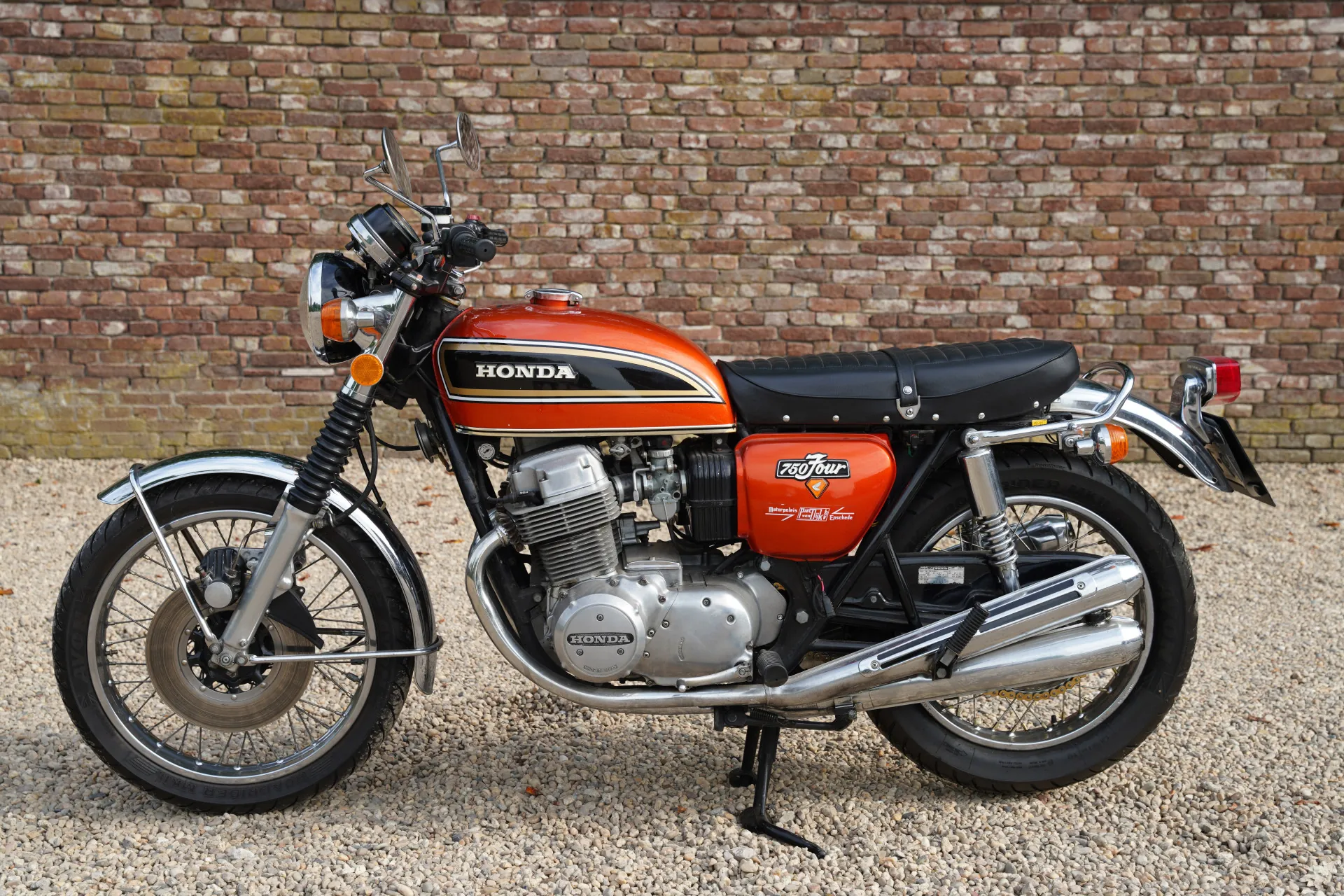
Front disc brake almost not engaged. Honda engineers worked hard on it over the objections of colleagues who worried it would be noisy, expensive to produce, and difficult to service. Drum brakes were the industry standard, and no manufacturer had previously installed disc brakes in a mass-produced motorcycle. But Honda team stood firm and the bet was successful. Within a few years, front discs became expected on any serious motorcycle. Drum brakes began to slow out the front wheel of performance bikes.
Honda’s demand was not seen coming

The CB750 made its public debut at the Tokyo Motor Show in November 1968, then reached Britain for the Brighton Motorcycle Show the following April. The reaction from both sides of the world was immediate. Here was a Japanese manufacturer, from a country not yet associated with premium engineering, outperforming British and American rivals in its field.
What happened next surprised even Honda. The company had planned for modest volumes, estimating around 1,500 units per year and built early engines using the sandcast method rather than investing in expensive die-cast tooling for an unproven model.
Orders started coming in without any care. Honda revised its production target first to 1,500 per month, then to 3,000 per month, to keep pace with a market it had greatly underestimated.
sandcastle origin

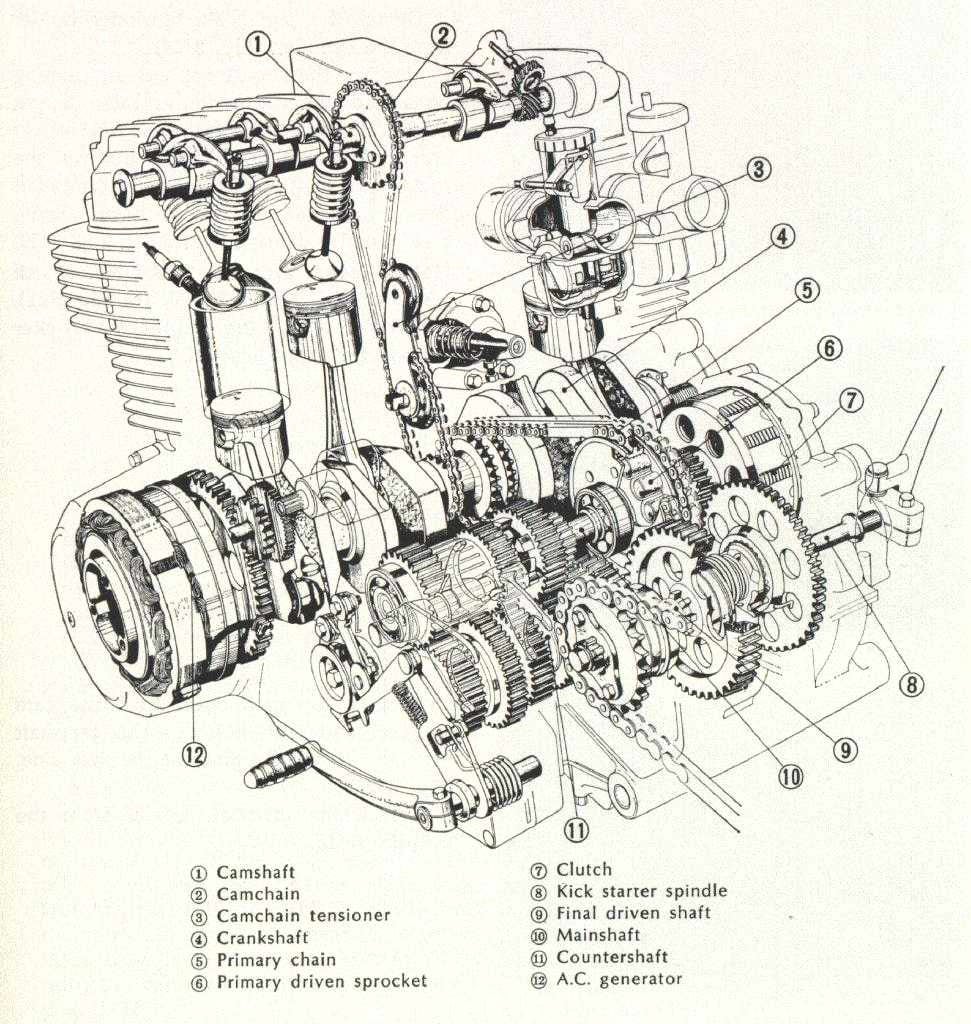
Those early sandcast engines are now the most sought-after CB750s in the collector market. These can be identified by the rough finish of the engine case and the clutch cover held on by ten screws instead of eleven on later models. A pre-production example from 1968 sold at auction for more than $260,000, more than 170 times its original sticker price. What started as a cost-saving shortcut is now the most collectible detail on the entire bike.
The bike that ended an era

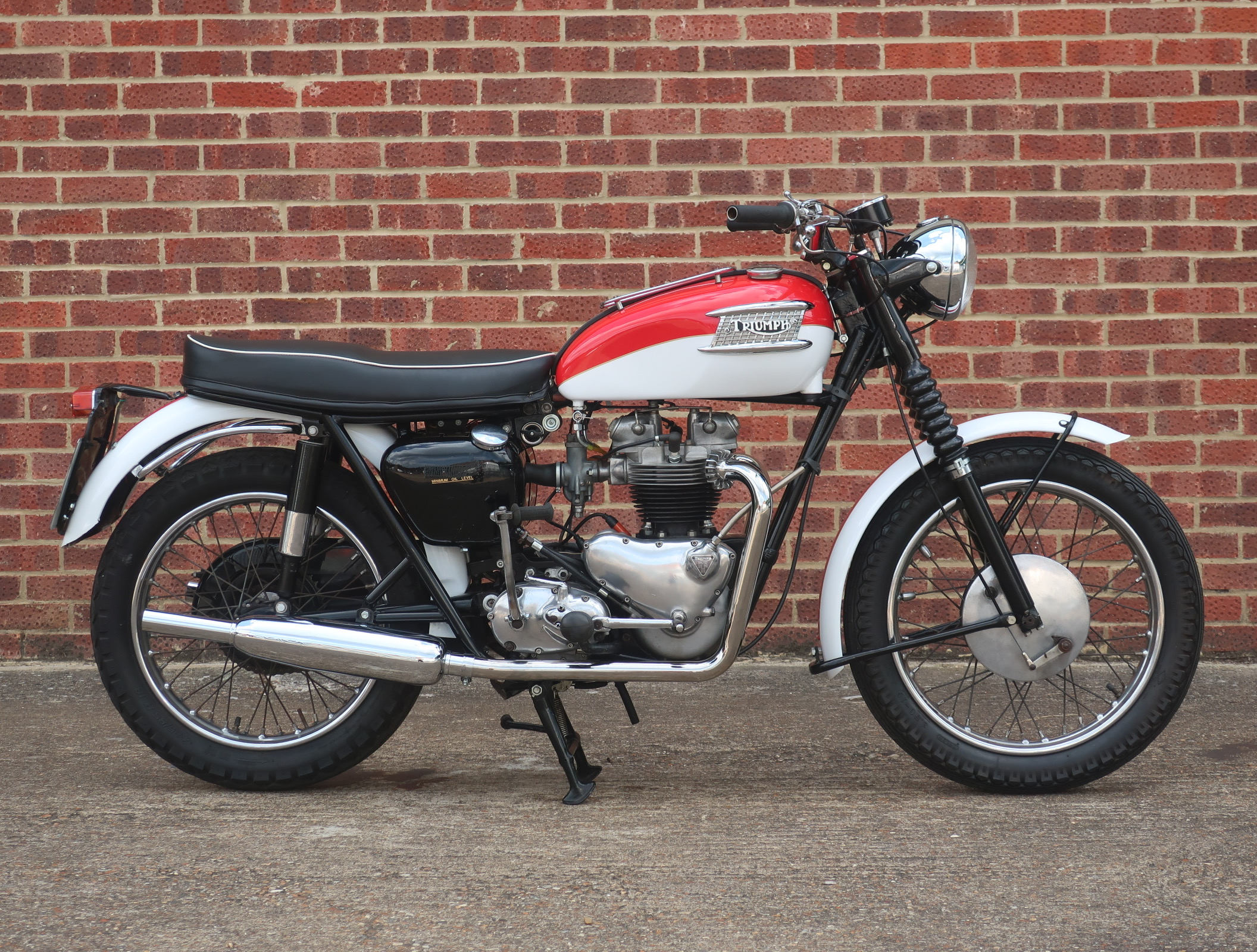
The British motorcycle industry never fully recovered from the arrival of the CB750. Triumph, BSA and Norton had spent decades building loyal followings on performance and character, but character alone couldn’t compete with a bike that started every time, didn’t leak anything and cost less. Within a decade, most of the historic British brands had collapsed or been absorbed into smaller operations, unable to match Japanese manufacturing quality at a comparable price.

Honda’s rivals in Japan immediately took notice. Kawasaki was developing its own secret 750cc four when the CB750 came out. The project was scrapped on the spot, and Kawasaki engineers went back to their drawing boards, returning in 1972 with the larger 903cc Z1. Suzuki followed with the GS series, and the transverse four-cylinder layout became so common among Japanese manufacturers that riders began calling these bikes UJM, short for Universal Japanese Motorcycle. Honda had created a blueprint that the rest of the industry spent the next decade copying.
The CB750 remained in production for almost a decade, with over 400,000 units built and with frequent updates along the way, before passing the torch to the subsequent CB and CBR models, which still trace their engineering back to 1969. The term superbike also stuck around, eventually being applied to everything from the Kawasaki Z1 to today’s litre-class sportbikes. None of them would have borne that name if the Honda engineering team hadn’t decided more than fifty years ago that a fast motorcycle shouldn’t be delicate, distinctive, or difficult to live with.