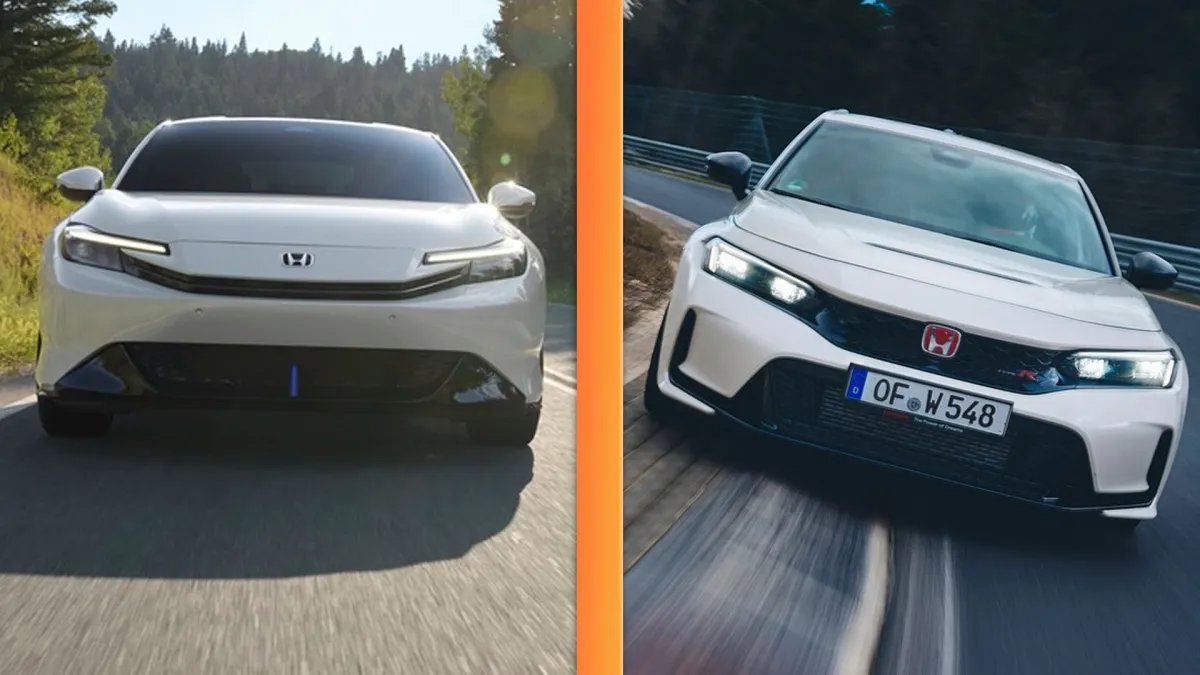
I recently spent a lot of hours and about 2,200 miles in a 2026 Honda Prelude, and needless to say, I learned a few things. All this good, juicy stuff is coming later, although one strange thing stood out, so I noticed it right away: it has a gas cap.
Shocking, isn’t it? After spending more than half a year with the Honda Passport and visiting other Honda models for various tests, I became accustomed to not removing the gas cap after opening the fuel filler door at the gas station. You can imagine the shock when I went to pump gas in the Prelude for the first time, and, Yes!
I asked Honda about it and they contacted R&D in Japan. As a result, I have the answer to why the Prelude has a gas cap while most other Hondas don’t (the only other Honda sold with a gas cap in the US is the Civic Type R), and there’s an obvious reason for it.
It depends on two things: the chassis and the low-volume production nature of the two cars. According to a Honda spokesperson, the Prelude chassis is “common” with the Civic Type R, and “requires a fuel cap due to unique fuel filler standards in some global markets. For smaller-volume models such as the CTR and Prelude, a single product specification is created.” It is very straightforward and easy to understand; However, streamlining manufacturing is not the only reason.
It is already known that the Prelude has the same front end as the Type R, which is why it has such great handling. But while looking at the spec sheet of both the cars I realized that they have the same front end And Rear track width. If it walks like a duck and quacks like a duck, then it must be…
I went to Honda a second time and asked specifically whether the Prelude was essentially a coupe body running on a Type R chassis, whether the two had the same rear suspension, and what other components they shared. As it turns out, there are quite a few of them.
A Honda spokesperson explained, “The Prelude takes advantage of the core hardware and engineering of the Type R, but is not identical; it has been specially crafted to give it its own unique character.” drive. “Sharing the chassis with the CTR does not mean that the chassis is completely identical, but rather that it shares the underlying platform architecture, suspension design and key hardware systems.”
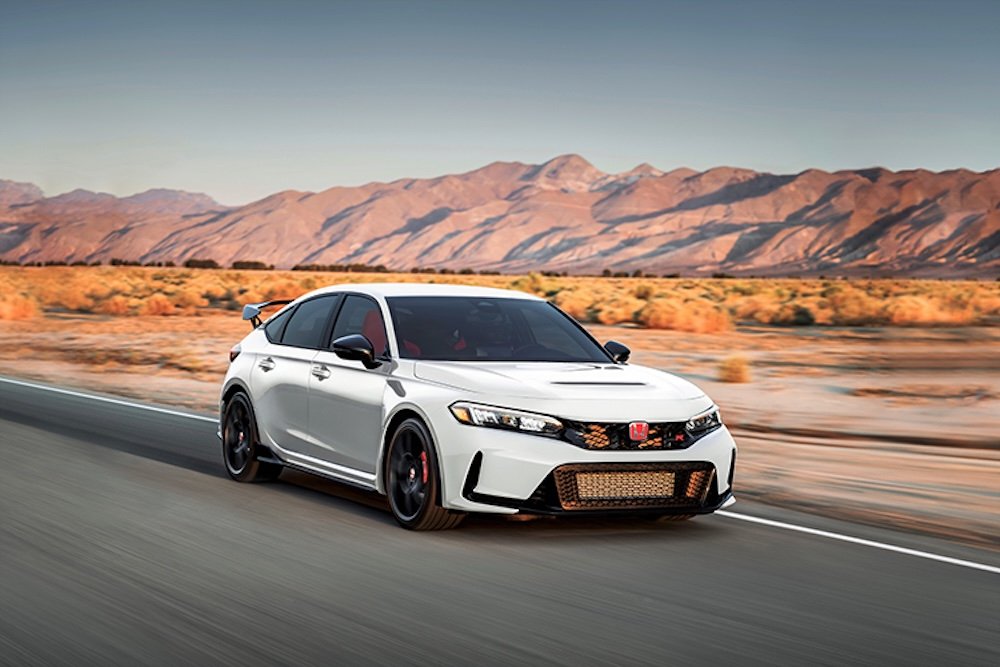
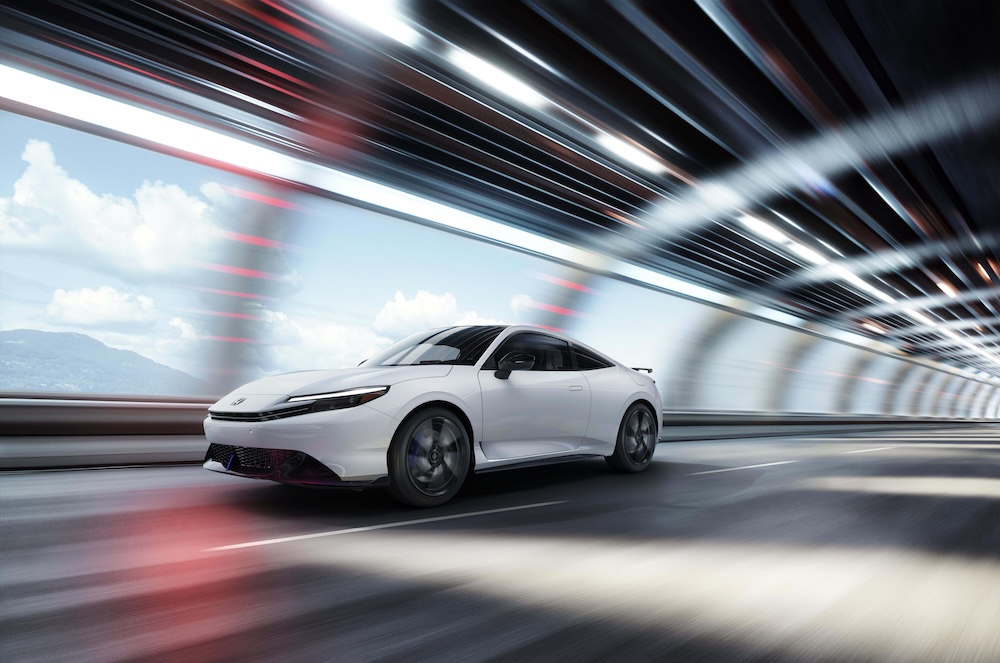
The main thing there is “architecture” and “design”. Of course, I haven’t (nor will I) tear apart either car to find out how similar the two really are, but after spending plenty of miles in both models, the essence of the Type R clearly lives on in the introduction. The same applies for the introduction previous The suspension, which according to Honda, “uses a multi-link rear suspension derived from the Type R, but is not a complete carryover.” However, it shares several key components, including the rigid-mounted subframe, control arm configuration, and hub carrier. Like the front, the rear spring rates, anti-roll bars and some bushings have been tuned specifically for the hybrid coupe.
Apart from the fuel filler door (and other hardware influenced by the wider track and fenders) and the bits mentioned above, both cars also share the same adaptive damper system, dual-pinion electric power steering and Brembo brakes. Of course, the tuning of these components varies greatly between cars, given their approach and purposes. That said, Honda highlights that the steering ratio is 3% quicker on the Prelude than the Type R. interesting.
So there you have it – there’s more between these two cars than meets the eye, and even more than Honda originally revealed. As far as I’m concerned, they’re both amazing at what they do, but I won’t say much about their time in Prelude just yet.
Got any tips? Email us at tips@thedrive.com