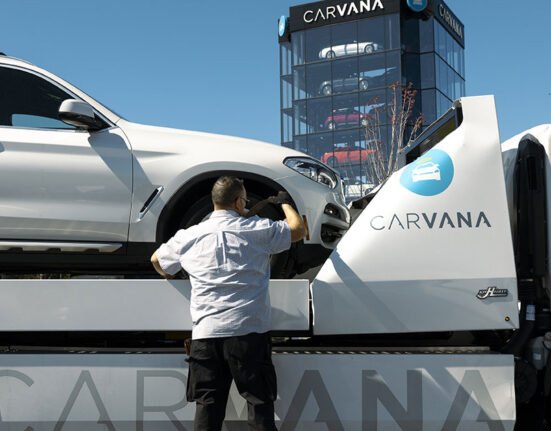
Not so long ago, during a semiconductor shortage, greedy dealerships put markups on almost every type of vehicle. Not surprisingly, car buyers weren’t happy, and things eventually got to the point where a survey found that 76% of Americans believed dealerships were dishonest about car prices. If you belong to that camp, the idea of DTC, or direct-to-consumer sales (also known as D2C) — essentially buying a car the same way you would on Apple’s website — may have crossed your mind at least once.
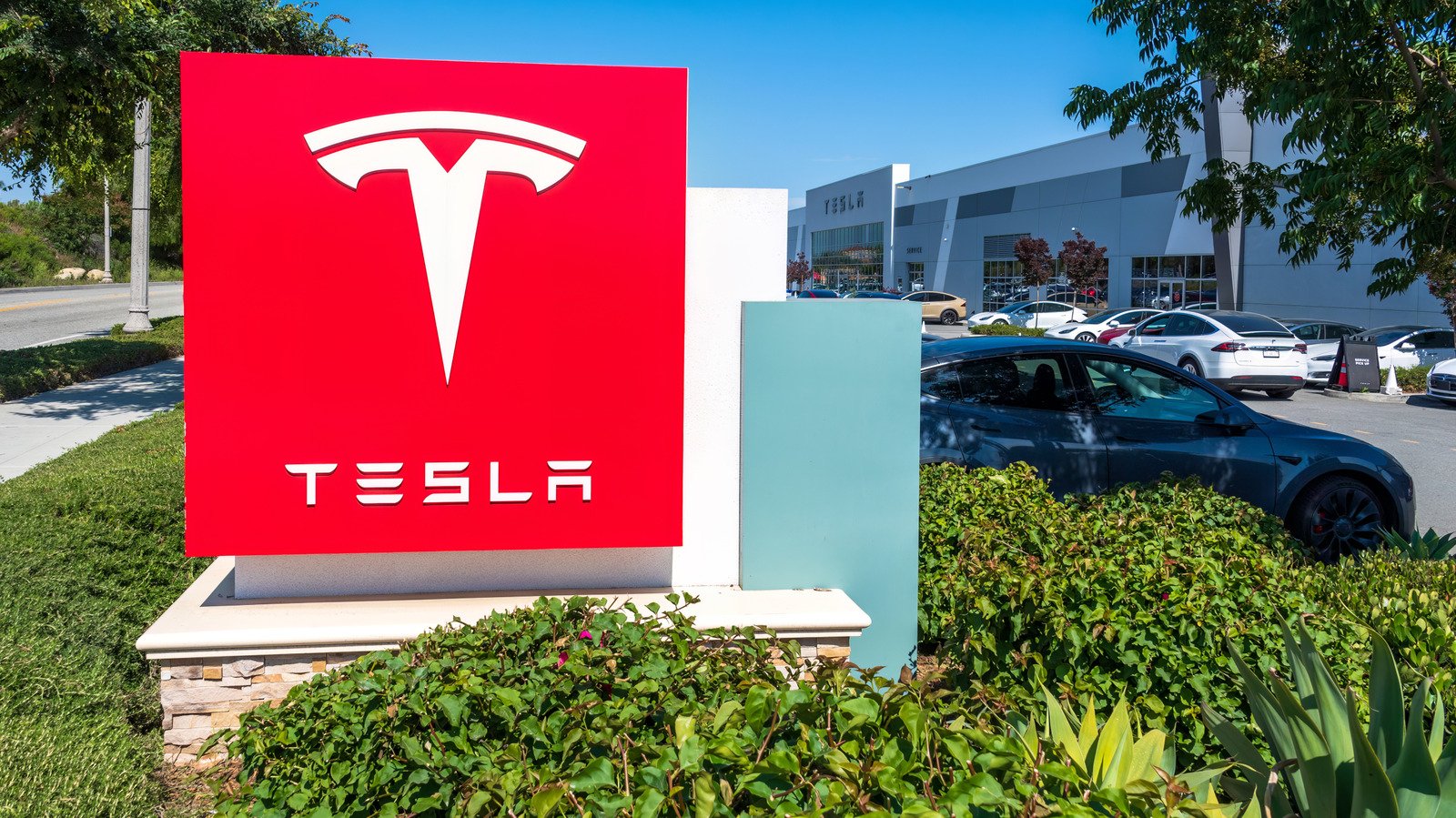
In the car realm, DTC/D2C is nothing new, and if you’ve bought a Tesla in the last decade you may be familiar with the practice. Unlike franchise dealership models, which often come with a middleman tax, DTC streamlines the purchasing process by eliminating third-party middlemen and selling products directly to customers, unlike traditional models, providing better price transparency and unlocking potential savings.
However, because there are franchise laws that protect dealerships, the DTC model is not as easy to implement in all states. Tesla, Rivian, and Lucid have faced legal troubles trying to do so. Unlike traditional brands that sign dealership contracts, these new-age EV companies never followed that route, focusing on DTC models from day one. Since there are no franchises to protect, the much older dealership laws were not intended to apply to them, or so these companies argued.
Tesla was the first to start this movement – Rivian and Lucid then fought back legally against dealerships and legislatures when their DTC models were challenged and eventually won exemptions to sell directly in some states. While these EV brands can be sold directly in some states, legacy OEMs cannot do so. Ford dealers were not happy when the company decided to sell directly to consumers.
Times have changed, the system has also changed
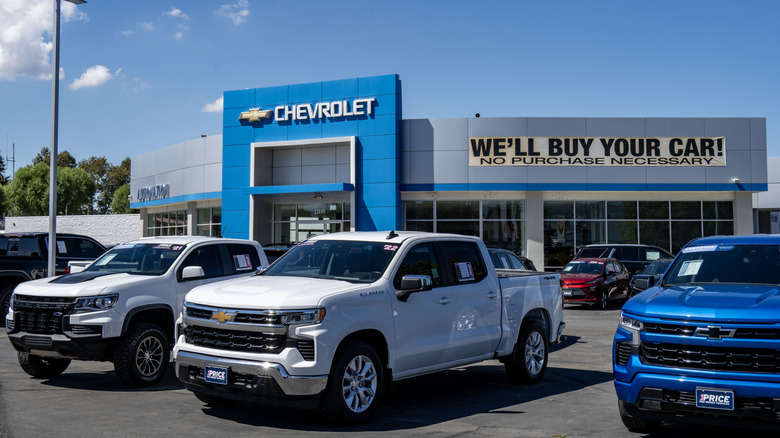
There’s a case for why franchise laws exist, because in the 1920s, manufacturers essentially bullied dealerships, forcing them to stock even during times of low demand. If the dealership doesn’t make the right moves, the manufacturer will license a rival dealership to sell its cars or open a direct competitor to keep things going. However, dealerships responded in the 1930s by introducing laws that included DTC restrictions, preventing OEMs from opening retail stores, and undercutting dealers. In short, if you want to buy a car in the US, it has to be bought through a dealer.
Things today aren’t the same as they were in the 20th century, thanks to the Internet, and it’s worth noting that not all states are hostile to DTC sales. according to electrification alliance – a non-profit organization working towards accelerating EV adoption – Arizona, California, Colorado, Florida, Illinois, and 12 other states, allow DTC sales only for EV manufacturers. In contrast, Montana, Nebraska, New Mexico, Oklahoma, Texas, and 11 other states ban DTC sales entirely, while in between are Washington, New York, Ohio, and a few other states that only allow DTC for certain manufacturers.
How each state interprets and allows DTC sales varies, and going into the specifics of each state is beyond the scope of this article. However, broadly speaking, DTC often limits them only to EV companies or sellers of zero-emission/non-fossil-fuel vehicles that do not have an existing franchise agreement with dealers.
There is data to further support the DTC push National Automobile Dealers Association, This shows that dealers benefited from the additional competition, driving better revenues in states where customers could choose between DTC or traditional franchise models.