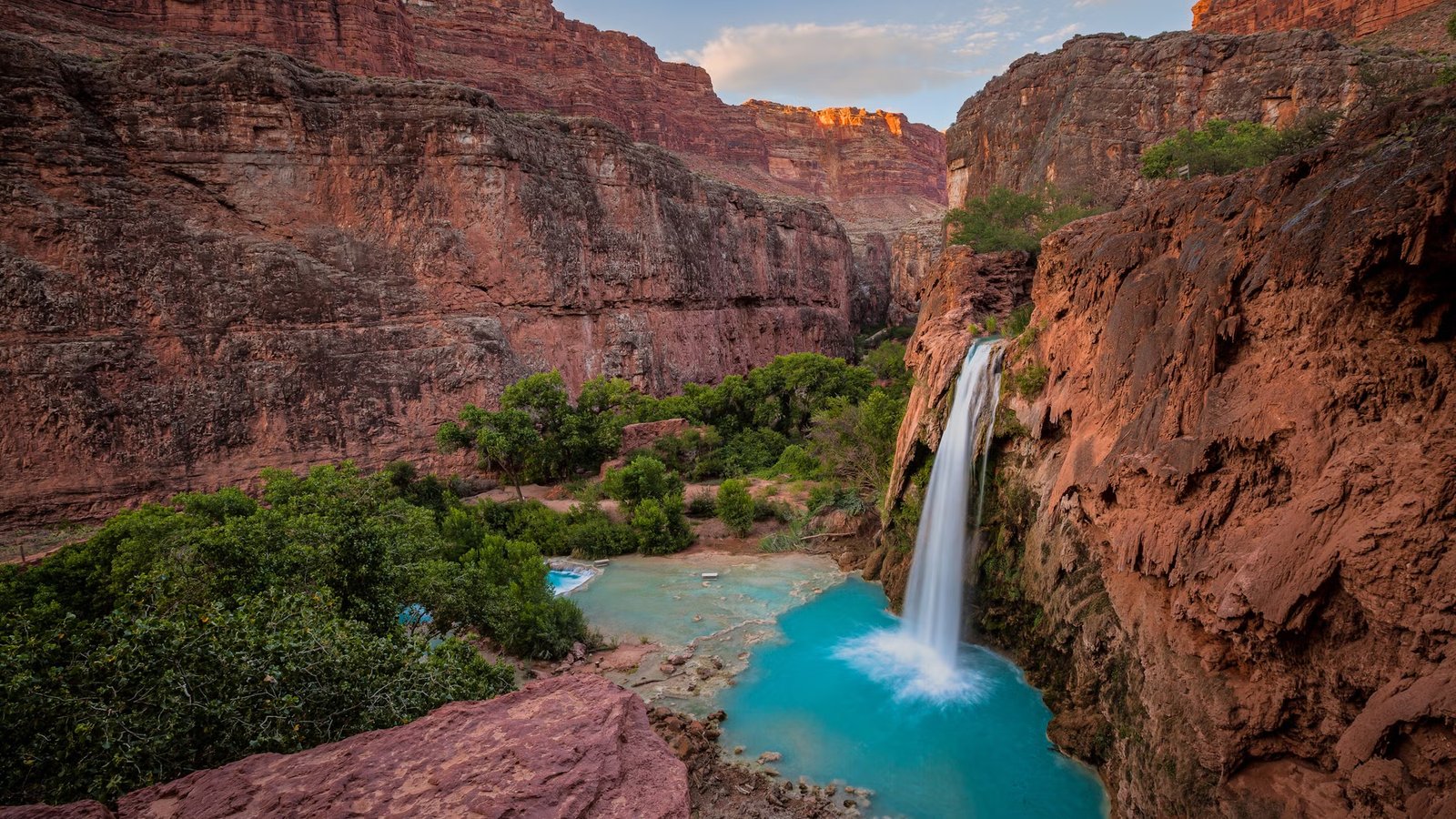
After intense opposition from the Havasupai Tribal Council, state officials quietly reclassified the Pinyon Plain uranium mine’s request to adjust acceptable levels of toxic chemicals in a critical shared aquifer.
The aquifer supports Havasu Falls, a tributary of the Grand Canyon, which is visited by 40,000 tourists each year. (Photo: Putt Sakadhanagul/Getty Images)
Published July 8, 2026 03:36 pm
Arizona officials voted to allow a uranium mine near Grand Canyon National Park to exceed acceptable levels of the highly toxic heavy metal arsenic in a monitoring well located near the Grand Canyon.
The mine, called the Pinyon Plain Mine, sits above an aquifer that provides the only water source for a local tribe and the source of Havasu Creek, a tributary of the Grand Canyon.
On July 6, the Arizona Department of Environmental Quality (ADEQ) raised The acceptable level of arsenic under monitoring at Pinyon Plain Mine is 50 to 55 micrograms per liter. Environmental groups and the Havasupai Tribe say the decision could have major implications for Grand Canyon National Park and beyond.
“These monitoring wells are the canaries in the coal mine. They tell you there’s something wrong here,” said Amber Raimondo, energy director for the nonprofit Grand Canyon Trust. Outside. “The original maximum permitted level was already five times higher than the drinking water standard.”
The Environmental Protection Agency (EPA), by comparison, prescribes Arsenic Standards for Drinking Water Ten micrograms per liter due to its ability to cause many types of cancer, including bladder, lung, skin, kidney, liver and prostate.
in an email to Outside, ADEQ spokeswoman Caroline Oppelman said the decision does not allow “the introduction of pollution or the weakening of protection measures.”
“More than four and a half years of rigorous, site-specific data confirms that the mine is not adding arsenic to groundwater,” he said. “Rather, the physical structure of the mineshaft has created a hydraulic sink that draws existing, naturally occurring geological arsenic from the surrounding area toward the perimeter wells. Adjusting these limits simply reflects this natural geological reality.”
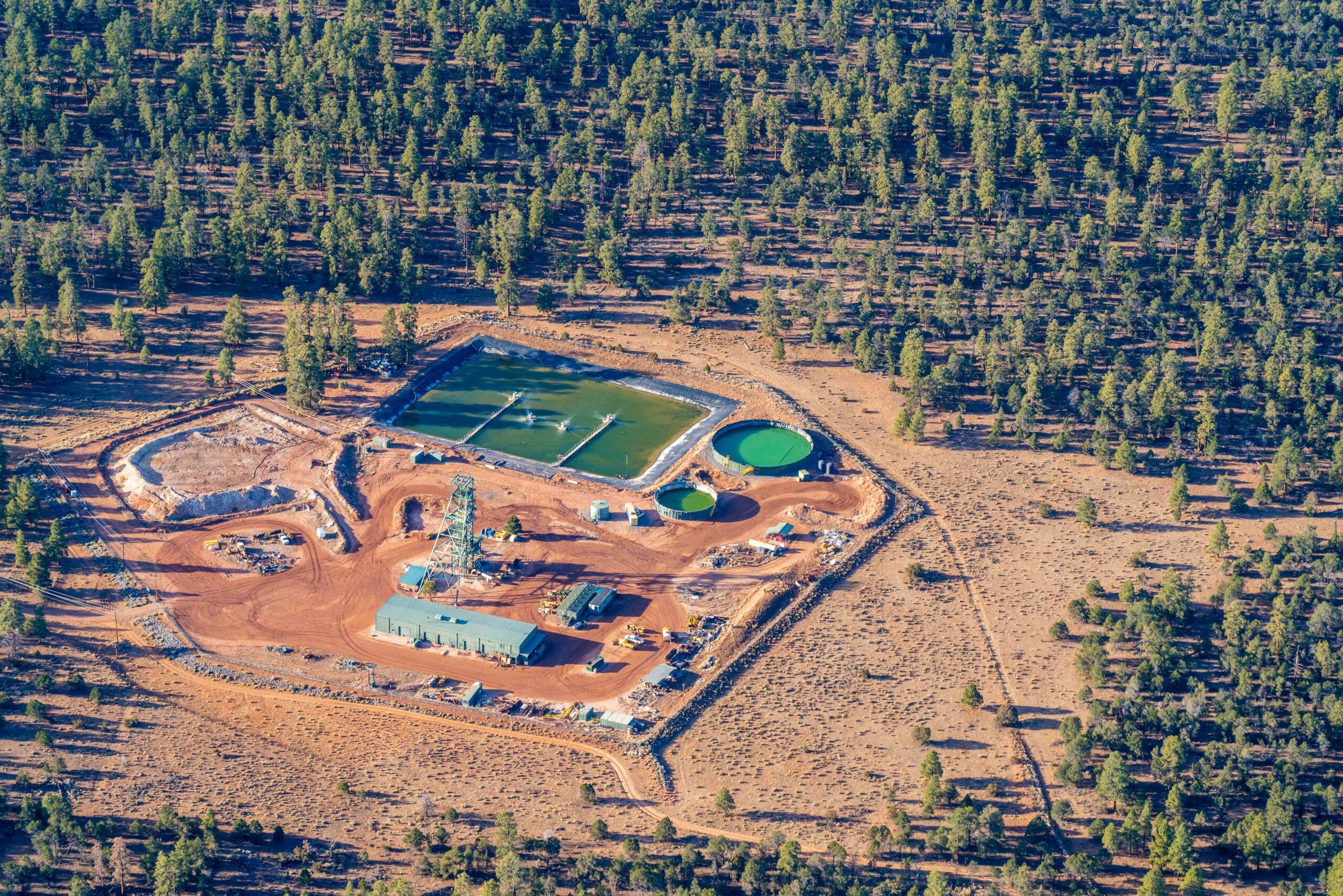
Located seven miles south of Grand Canyon National Park, the Pinyon Plain Mine was built in the eighties, covers 17 acres and is approximately 1,500 feet deep. The mine also sits atop the Redwall-Muav Aquifer, the only water source for the local Havasupai people and the source of Havasu Creek, a tributary of the Grand Canyon famous for its iconic turquoise waterfalls. as many Every year 40,000 tourists come to see these falls..
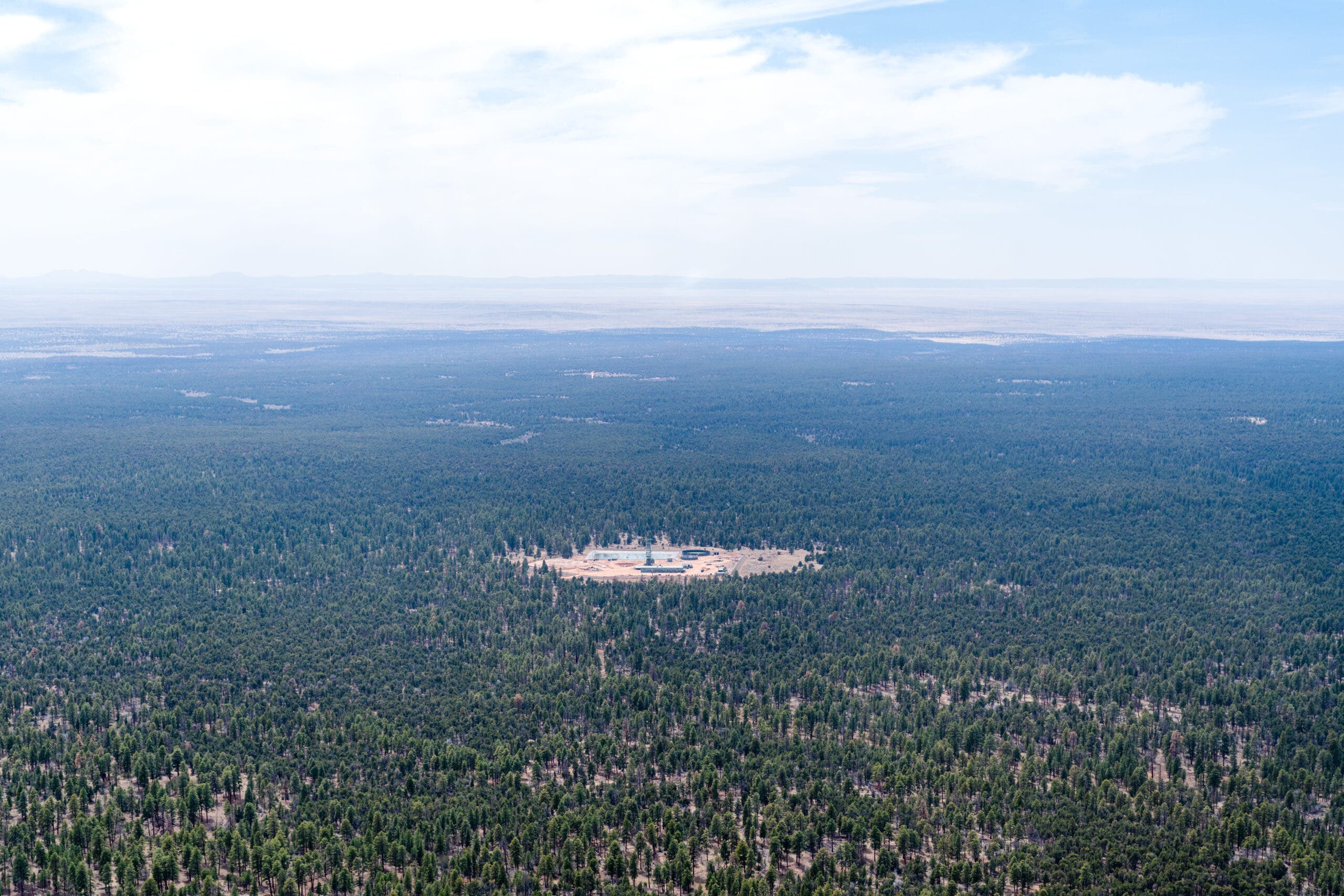
Non-profit organizations like Grand Canyon Trust They say changing the arsenic limits under mine monitoring would create a dangerous change in a fragile ecosystem. The group said that if arsenic leaches into deep groundwater pathways, it could reach the aquifer and permanently pollute the valley’s natural springs.
“These arsenic increases were detected in January 2025, but we learned about it this January when I saw that the permit was in progress at the Pinyon Plain Mine,” Raimondo said. “If an increase in arsenic is detected, a thorough investigation should be initiated to understand the cause, not just change the level at which alarm bells should ring.”
Hydrology in the Grand Canyon ComplexThat makes it difficult to determine where the water flows and the extent of potential pollution, Raimondo said.
He said, “It is difficult to know where if water is contaminated at a given point, where it may go. It can travel large distances horizontally and vertically. Mining in the area has the potential to cause contamination of both springs and groundwater inside the Grand Canyon.”
Havasupai Tribal Council Chairwoman Melinda Yaiva opposes the decision, saying in a statement facebook post The decision is “a profound attack on the Tribe’s inherent responsibility to protect and preserve the waters of the Grand Canyon.”
Environmental groups such as the Sierra Club say the decision could threaten the Grand Canyon’s aquifers and water and, as a result, put public health at risk. Arsenic can also pose a major threat to backcountry hikers – standard backpacking filters catch bacteria, but do not dissolve heavy metals like arsenic.
“ADEQ ignored the voices of the Havasupai Tribe, other tribal nations, elected officials, scientists, conservation organizations, and countless members of the public who urged ADEQ to put the protection of Arizona’s groundwater above the interests of a foreign mining company,” Yaiva said.