Keith Lusher 06.15.26

Wildlife officials in Georgia are warning residents to be vigilant for a growing population of giant invasive lizards that can eat native wildlife.
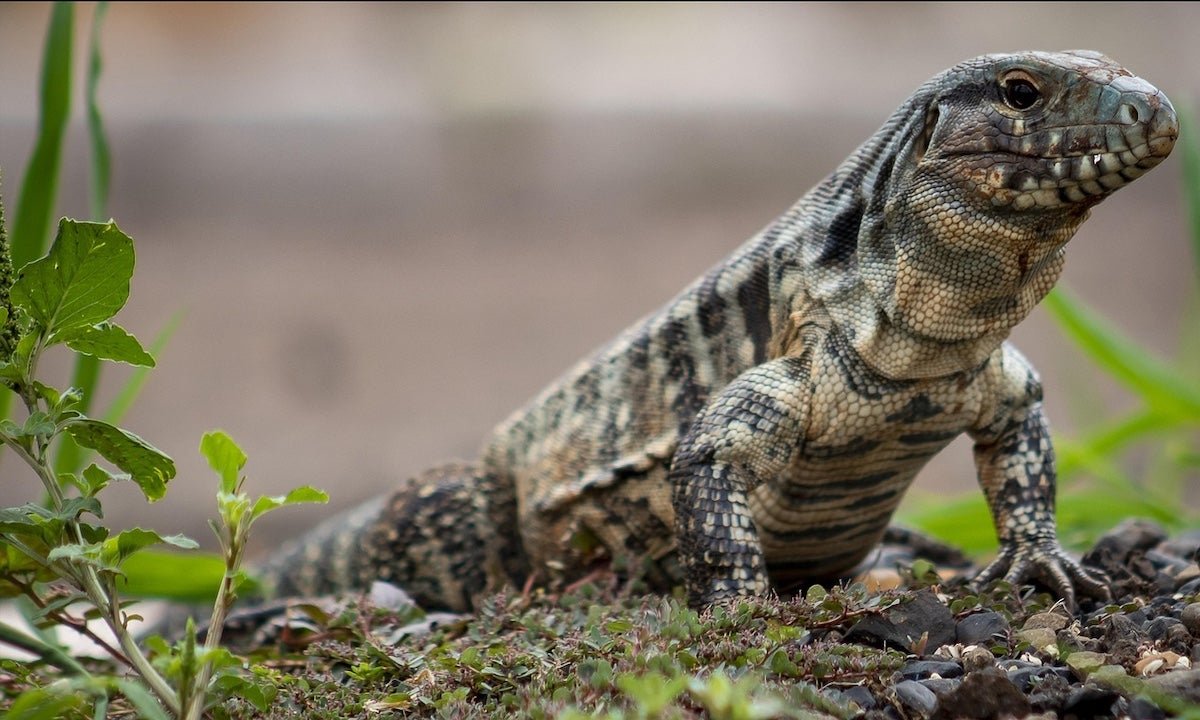
The Argentine black and white tegu, a large reptile native to South America, is increasingly being seen in southeast Georgia, particularly Toombs and Tattnall counties. Georgia Department of Natural Resources (DNR) says this species poses a serious threat to native ecosystems and is urging residents to report sightings or humanely kill the animals where legal.
The lizards can grow up to four feet long and weigh more than 10 pounds. With powerful jaws, sharp claws, and few natural predators in the Southeast, tegus have been able to rapidly expand their range.
According to Georgia wildlife officials, tegus prey on a variety of native species, including wild turkeys, quail, American alligators and gopher tortoise eggs. They will also consume fruits, vegetables, pet food, meat, insects, and small animals.

Biologists are particularly concerned about their impact on ground-nesting birds and endangered reptiles. Female tegus can lay up to 35 eggs per year and reach reproductive maturity quickly, making populations difficult to control once established.
The Georgia DNR first began investigating reports of tegus in 2018. Since then, at least 30 tegus have been captured or killed in Toombs and Tattnall counties, while sightings have now been reported in nearly 30 counties across the state.
“These animals are fast, adaptable and difficult to catch,” wildlife officials said, encouraging residents to document sightings with photographs whenever possible.
The reptiles are strong swimmers and can survive cold temperatures by entering a hibernation-like state called brumation, allowing them to persist through Georgia winters.
The state is currently working with US Geological Survey And Georgia Southern University Trapping and removing tegus while studying population spread.
Officials also warn that tegus can carry salmonella and potentially spread parasites to native wildlife or contaminate agricultural fields.
Because tegus are non-native, they are not protected under Georgia law. Residents are legally allowed to humanely trap or kill reptiles year-round on private property with landowner permission.

Growing concerns over the species have also been seen in Florida. Argentine black-and-white tegus have established breeding populations in parts of south and central Florida, including Hillsborough, Miami-Dade, and Charlotte counties. A recent sighting in Polk County has caused additional concern among residents and wildlife officials there.
Florida wildlife managers classify tegus as a “high-priority invasive species”, comparing the growing issue to the Burmese python invasion that continues to impact the Everglades.
Officials believe many of the tegus found in the Southeast originated from escaped or intentionally released exotic pets.
Georgia residents who see a tegu are encouraged to photograph the animal, note the location, and report it to the Georgia Department of Natural Resources at (478) 994-1438. Gainvasives@dnr.ga.govAs wildlife officials continue efforts to detect and control invasive species.

keith lusher
Keith Lusher is an award-winning outdoor journalist who lives in Covington, Louisiana. He owns and operates NorthShoreFishingReport.com and writes a weekly outdoors column for the Slidell Independent Newspaper. He also writes for the St. Tammany Parish Tourism Commission’s VisitTheNorthshree.com. He is the former host of The Northshore Fishing Report radio show and is on the board of the Louisiana Outdoor Writers Association. Keith contributes to numerous publications both online and in print and is proud to promote the unique fisheries of South Louisiana. To contact Keith email: keithlusherjr@gmail.com