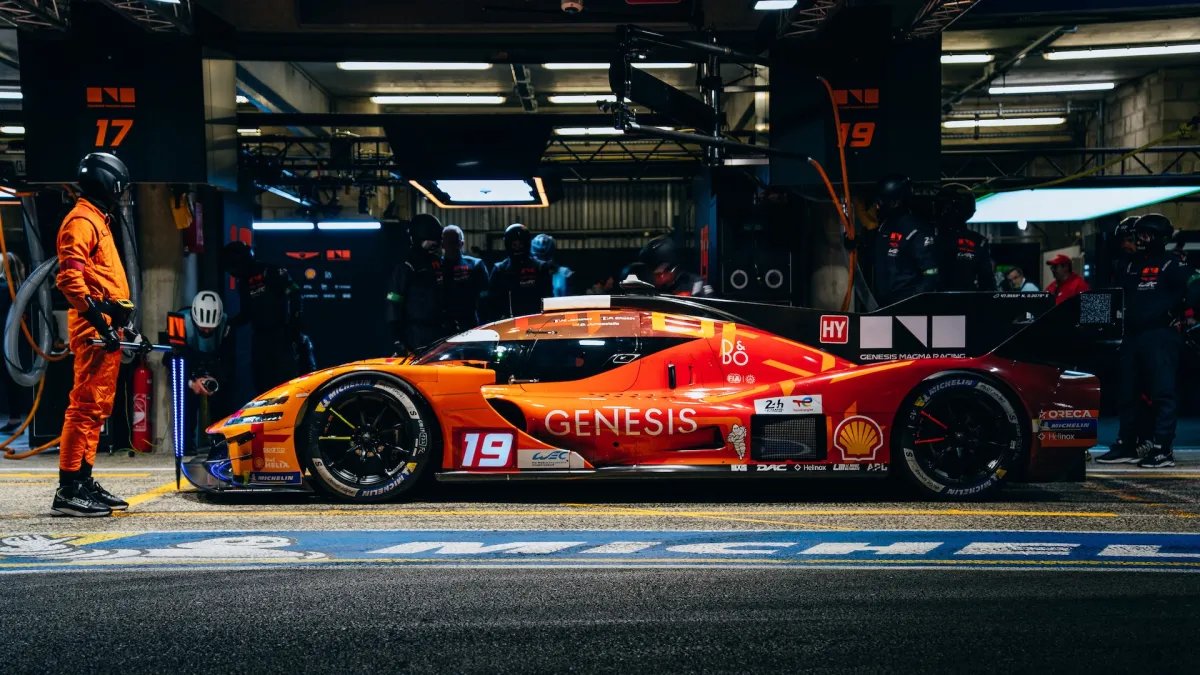
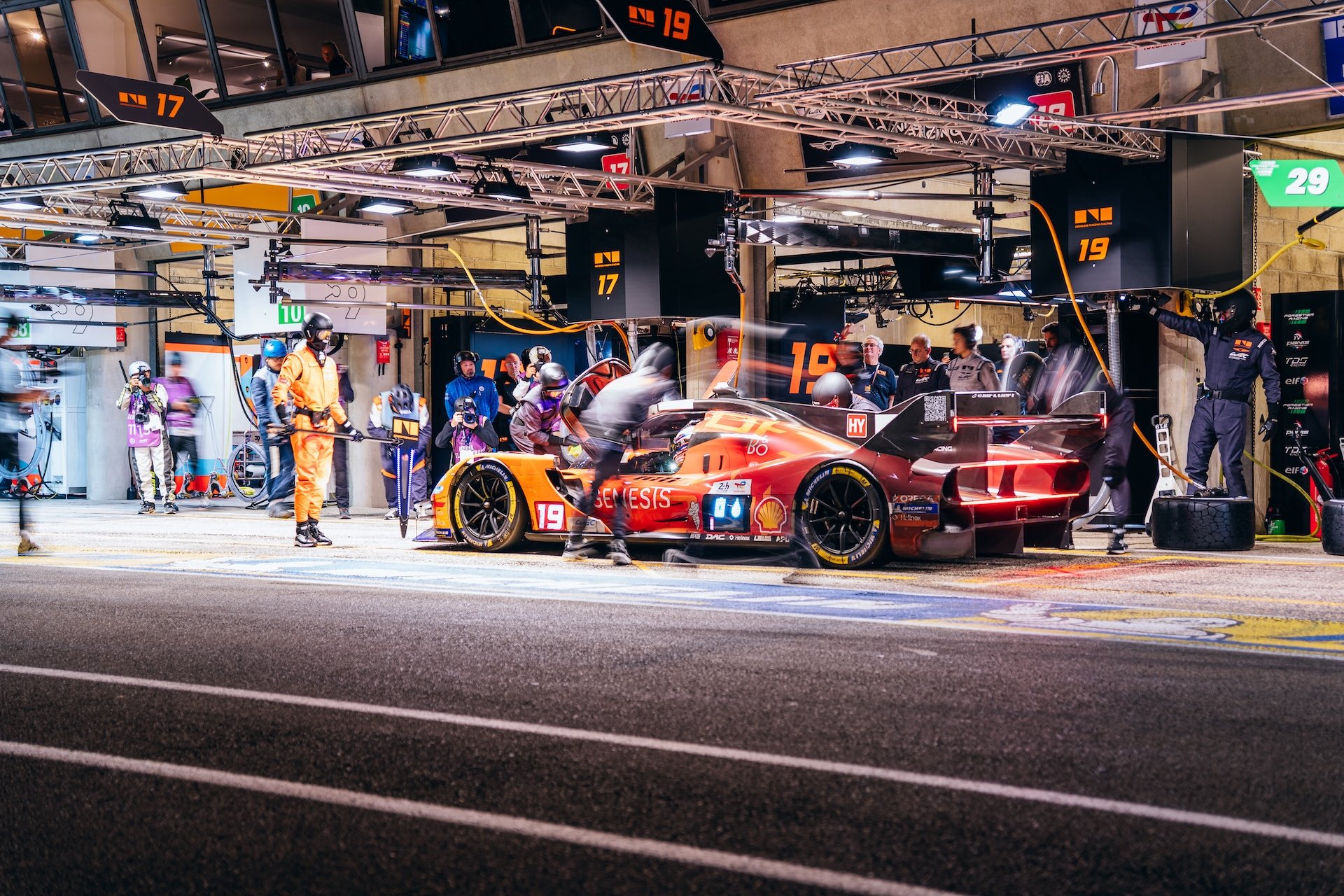
Very few people understand what it takes to win on the world stage. In fact, unless you’ve done it yourself or you’re closely associated with someone who has, you probably don’t have a clue. Winning a major race like the 24 Hours of Le Mans requires the collective, nearly flawless execution of hundreds, if not a thousand, of people in multiple locations around the world. It requires discipline, it requires leadership, and, perhaps most elusive of all, it requires a pinch of luck. All this and then some was on display in the Genesis Magma Racing garage last weekend as it tackled the world’s toughest race for the first time.
The statement above is not meant to be dismissive or imply that you don’t know Jack about racing – nor do I know it all. This just shows the enormity of the challenge. From Formula 1 Grands Prix to the Indy 500, Dakar Rally and Le Mans, I’m lucky enough to camp behind the scenes at a dozen or more races a year. I’ve had the opportunity to tag along with two different automakers as they made their first Le Mans debut and witnessed their efforts, their triumphs, their defeats and, perhaps most commonly, their disappointments. No form of racing is easy, but boy, Le Mans is in a whole other realm.
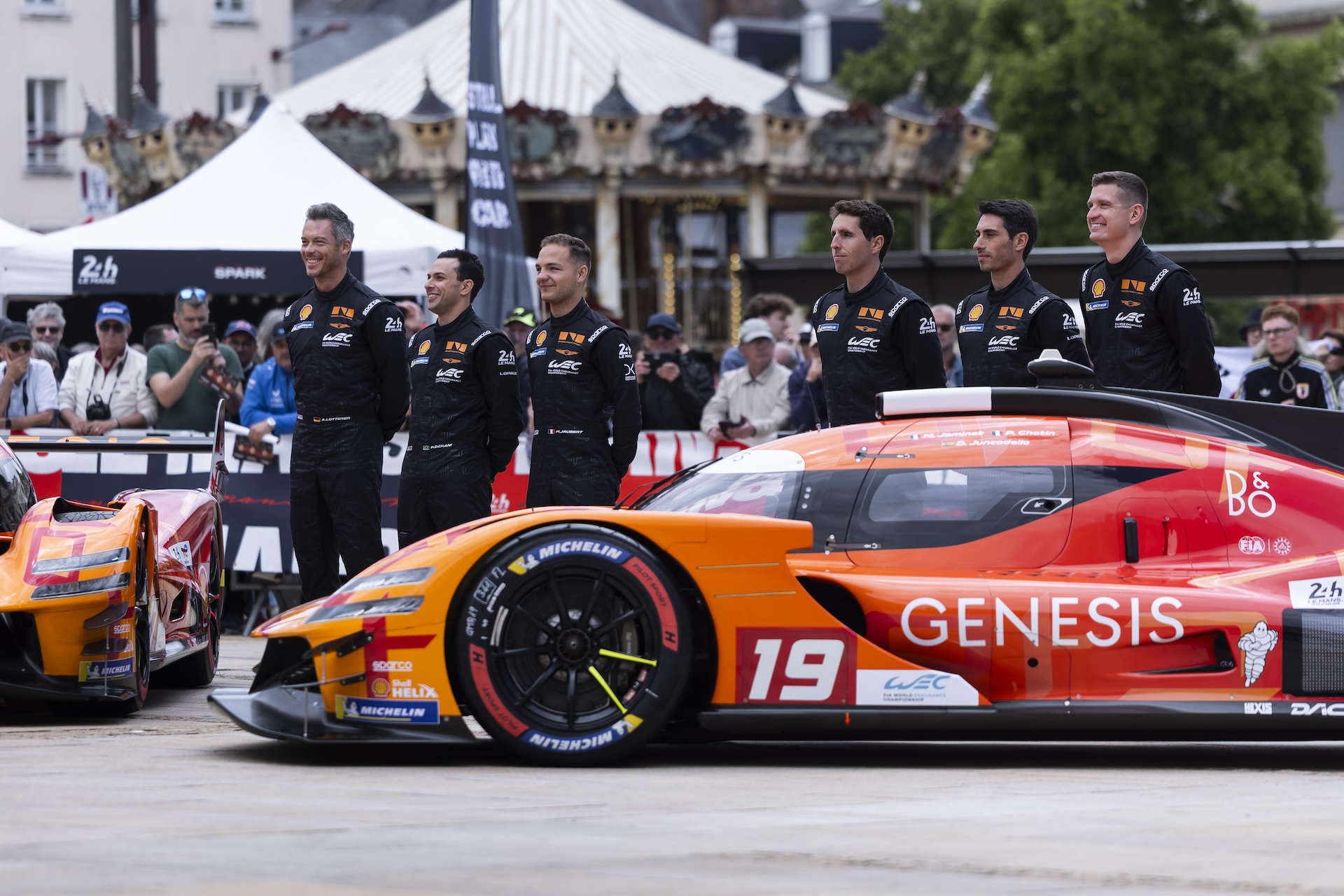
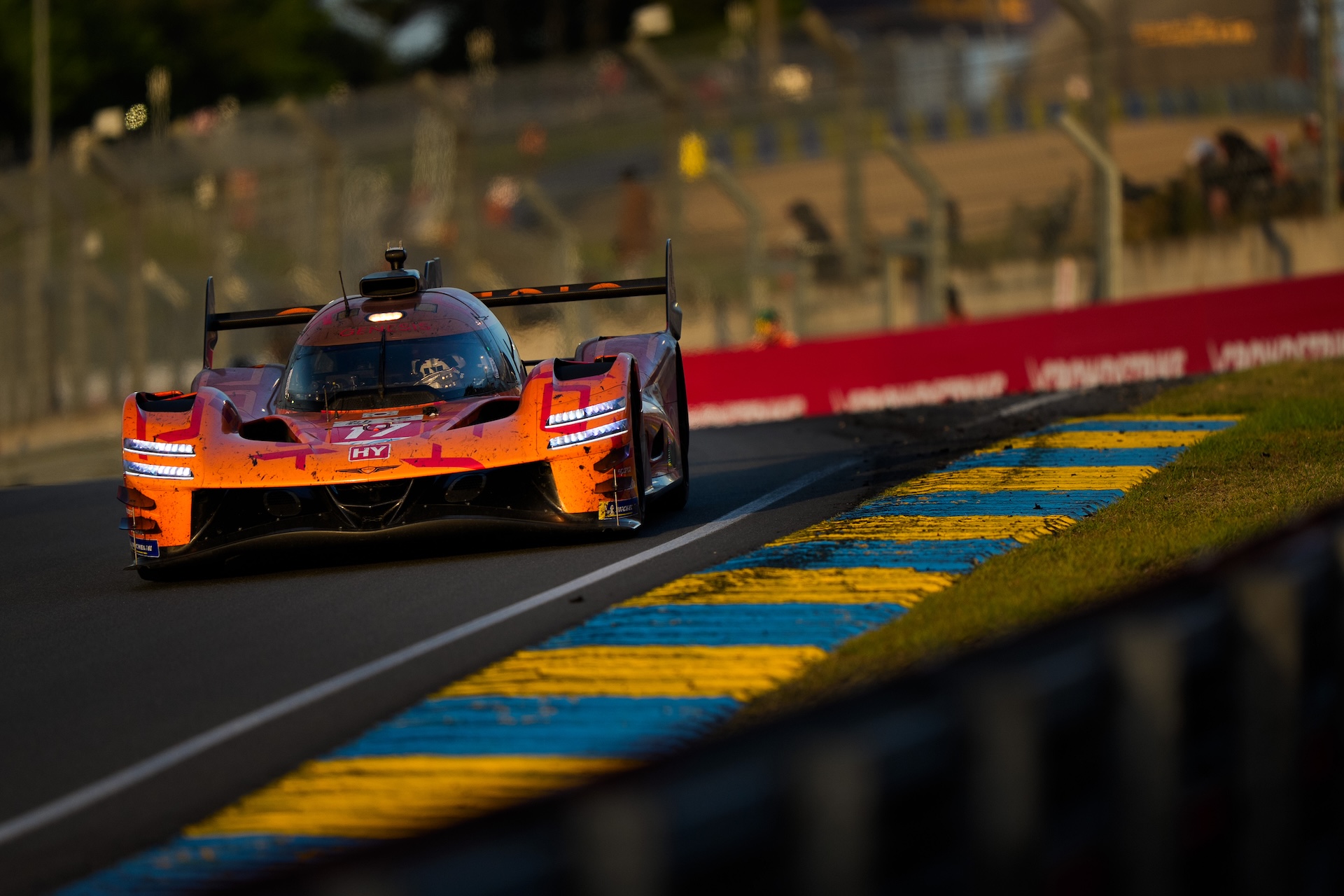
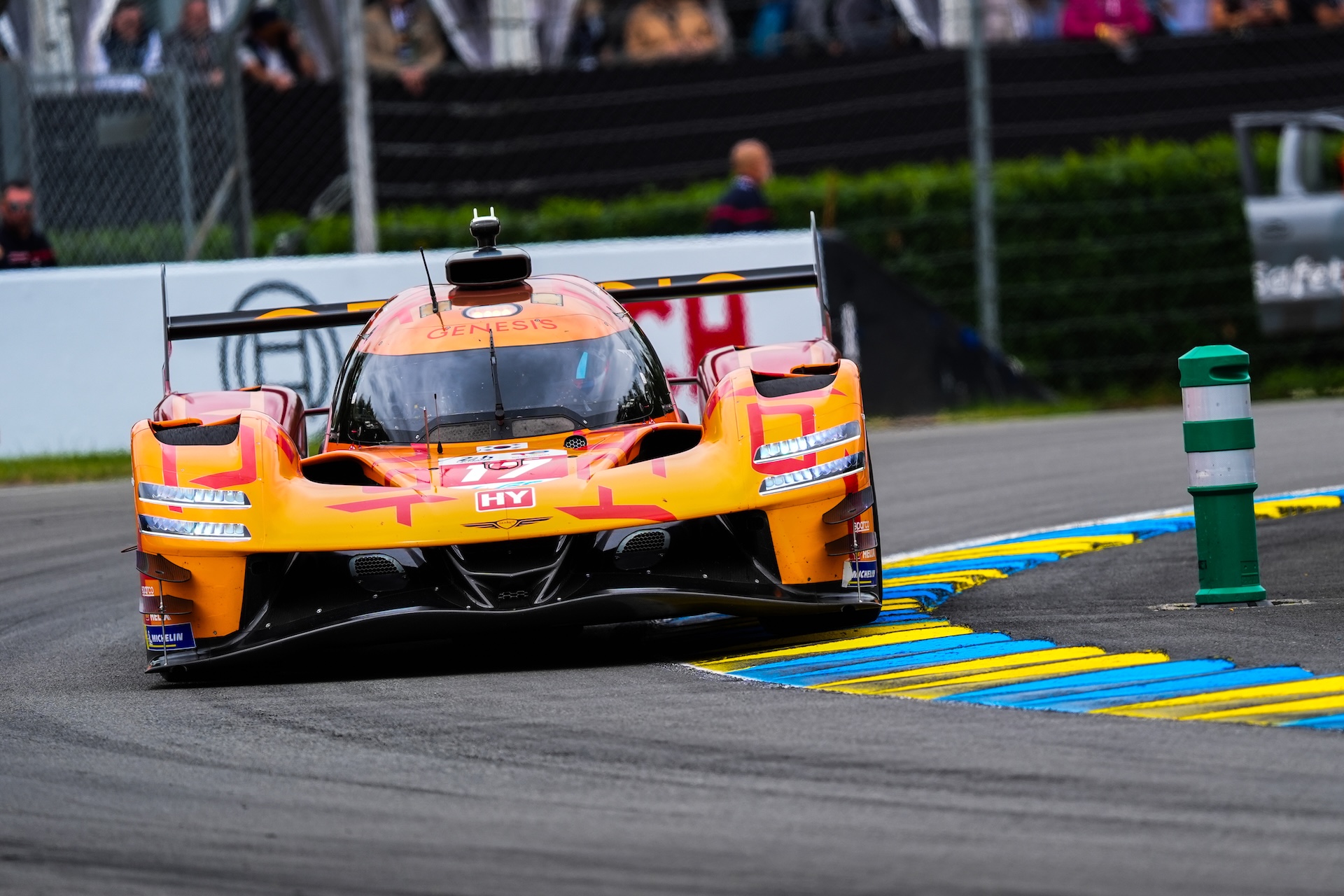
A 13th-place finish isn’t exactly what most teams will be happy with, because, well, it’s 12 steps too far from the top. However, it was here that the No. 19 car driven by Paul-Loup Chatin, Mathieu Jaminet and Dani Juncadella ultimately finished the race. Its sister car, No. 17, had to be retired after 16 hours due to suspension failure.
So why should Genesis walk away feeling like it has accomplished something? Because it did, but allow me to elaborate. Just 19 months ago, no one at Genesis was thinking about racing. Not in Le Mans, not in WEC – there was a brief thought about F1, but it quickly disappeared. A month later, Genesis chief creative officer Luc Donckerwolke decided it was time to open a new chapter for the brand. With the approval of Hyundai’s executive chairman, Euisun Chung, they decided to form Genesis Magma Racing and enter the ultra-competitive WEC Hypercar class of 2026 to compete against companies like Aston Martin, Alpine, BMW, Cadillac, Ferrari, Peugeot and this year’s winner Toyota.
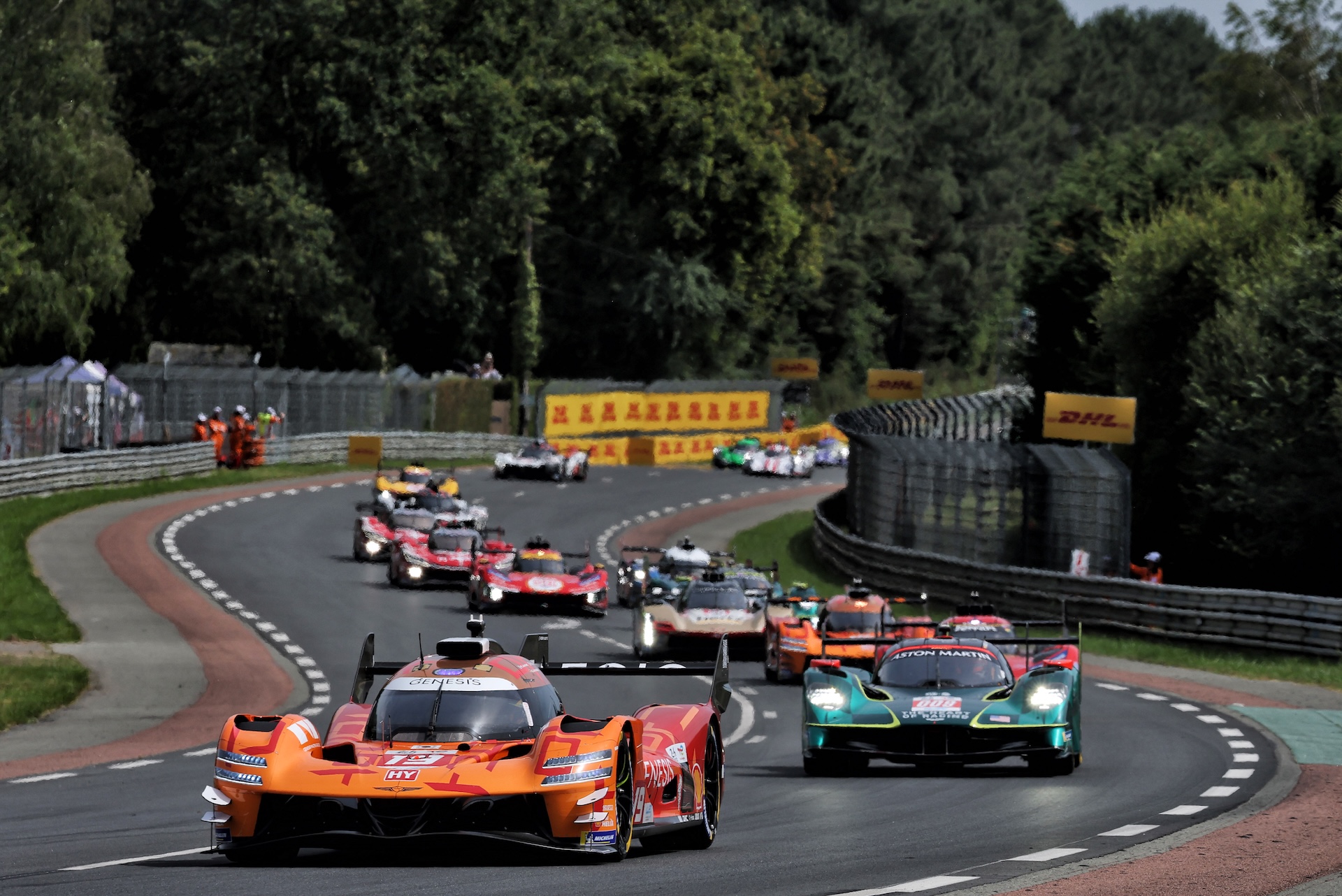
Fast forward 19 months from that moment and here we are. While Hyundai has been involved in various forms of motorsport for years, Genesis had virtually no racing infrastructure of its own, let alone drivers, engineers, project managers or partners.
And as if that weren’t enough, the biggest, most common reason to applaud Genesis’ performance last weekend simply boils down to the fact that the automaker is still in its infancy. In just 10 years and eight months, Genesis has gone from being born as a standalone brand and developing a full line of vehicles to completing the 24 Hours of Le Mans. This is really something.
“We faced several reliability challenges, which will be our priority moving forward,” said Cyril Abiteboul, team principal. “Despite this, the car showed strong potential throughout the week, especially during the first half of the race, where we were constantly fighting inside the top 10. While we faced challenges, the team showed great resilience, composure and teamwork. Everyone remained focused, reacted calmly to every situation and worked together to achieve our goal. We are leaving Le Mans with the satisfaction of having achieved our main objective, but also with a very clear understanding of the areas we need to improve. “Those priorities will help guide and unify us as we move forward to build our foundation as a team.”
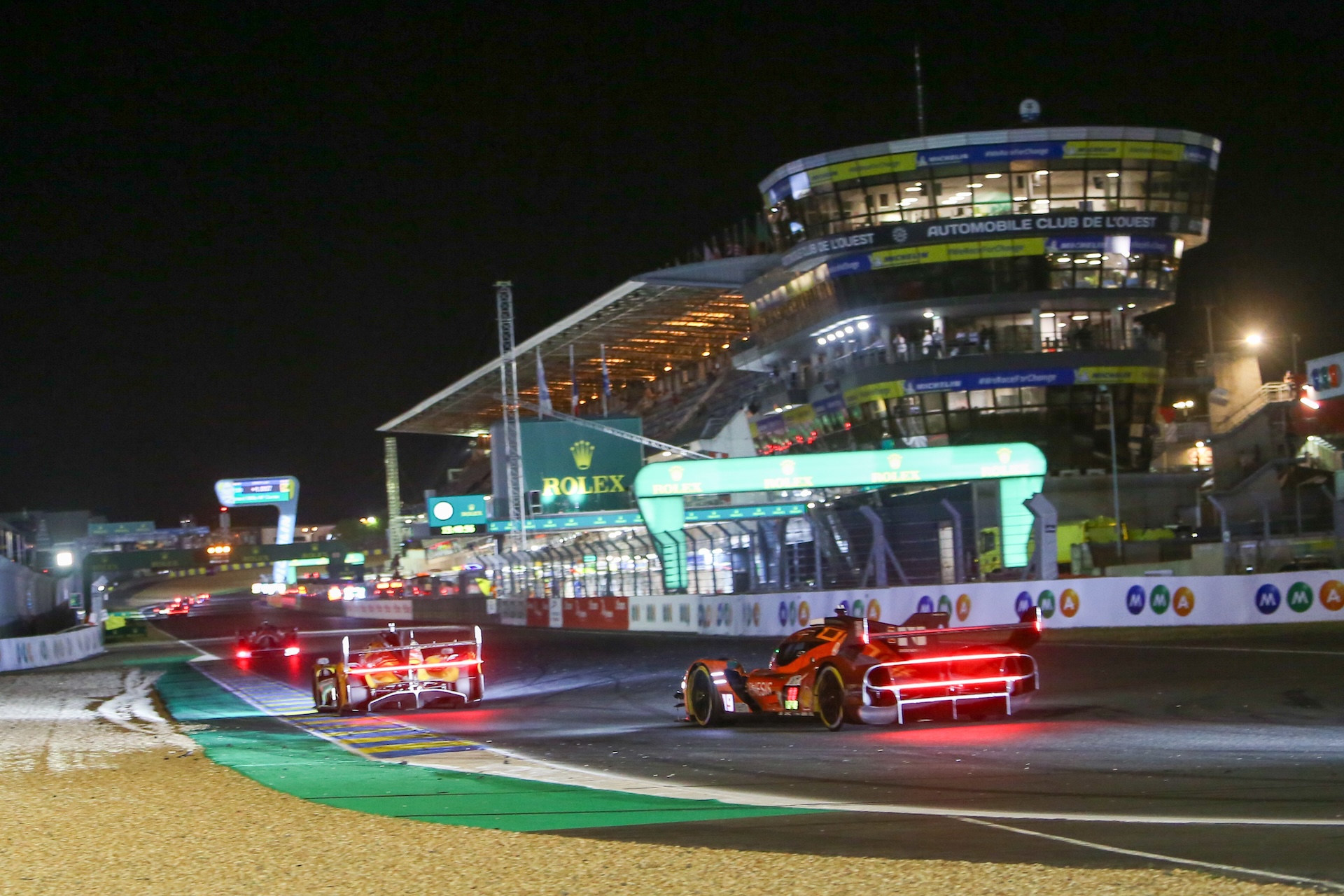
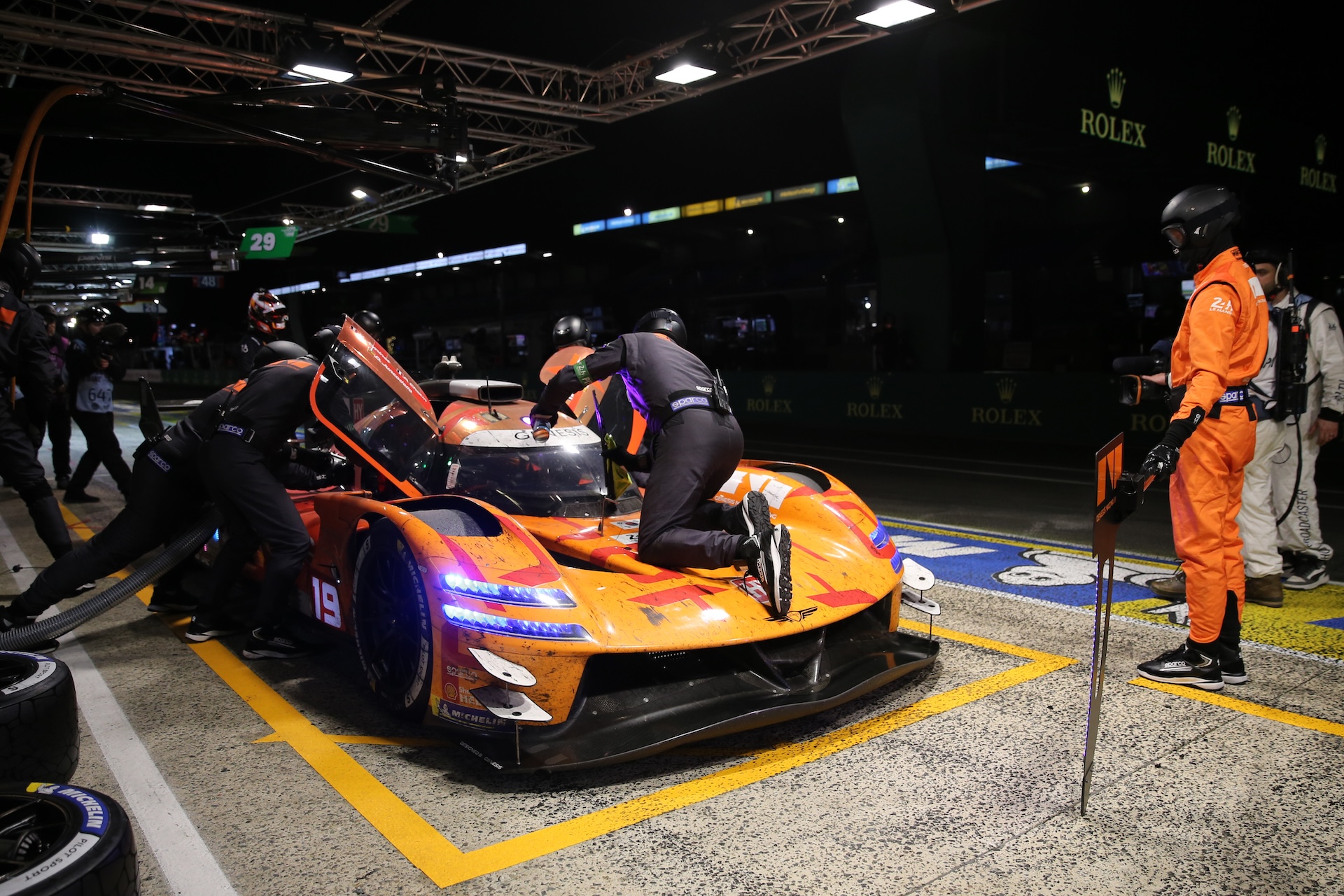
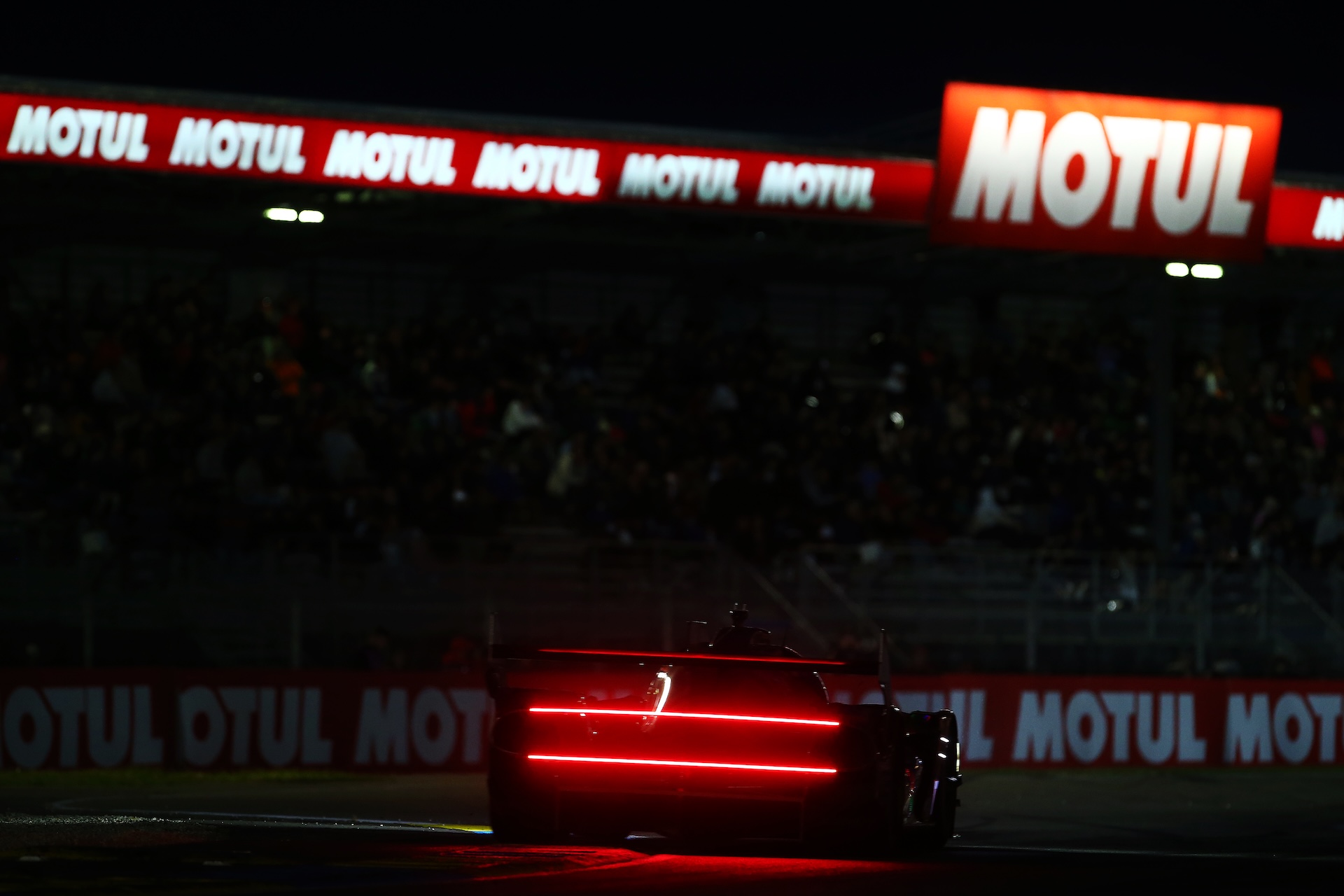
Abiteboul, who brings decades of experience in everything from F1 to WRC, has played a key role in the deployment of the new WEC team, which only actually managed to score points at the second round of the season at Spa. At Le Mans, the team made it to the Hyperpole Shootout, and the No. 11 car qualified 11th and the No. 17 of Andre Lotterer, Luis Felipe Derani and Mathis Joubert qualified 13th, ahead of all three Ferraris and both Peugeots.
It’s for these reasons that Genesis can walk with its head held high. As I explained in two recent major stories – one with Cadillac F1 CEO Dan Torris and the other with the leadership of the Audi F1 team – putting people together in a shop or a factory or a garage does not make a team. Getting them to think together, execute together and coordinate is what makes a team and that takes time. Also, it requires trial and error.
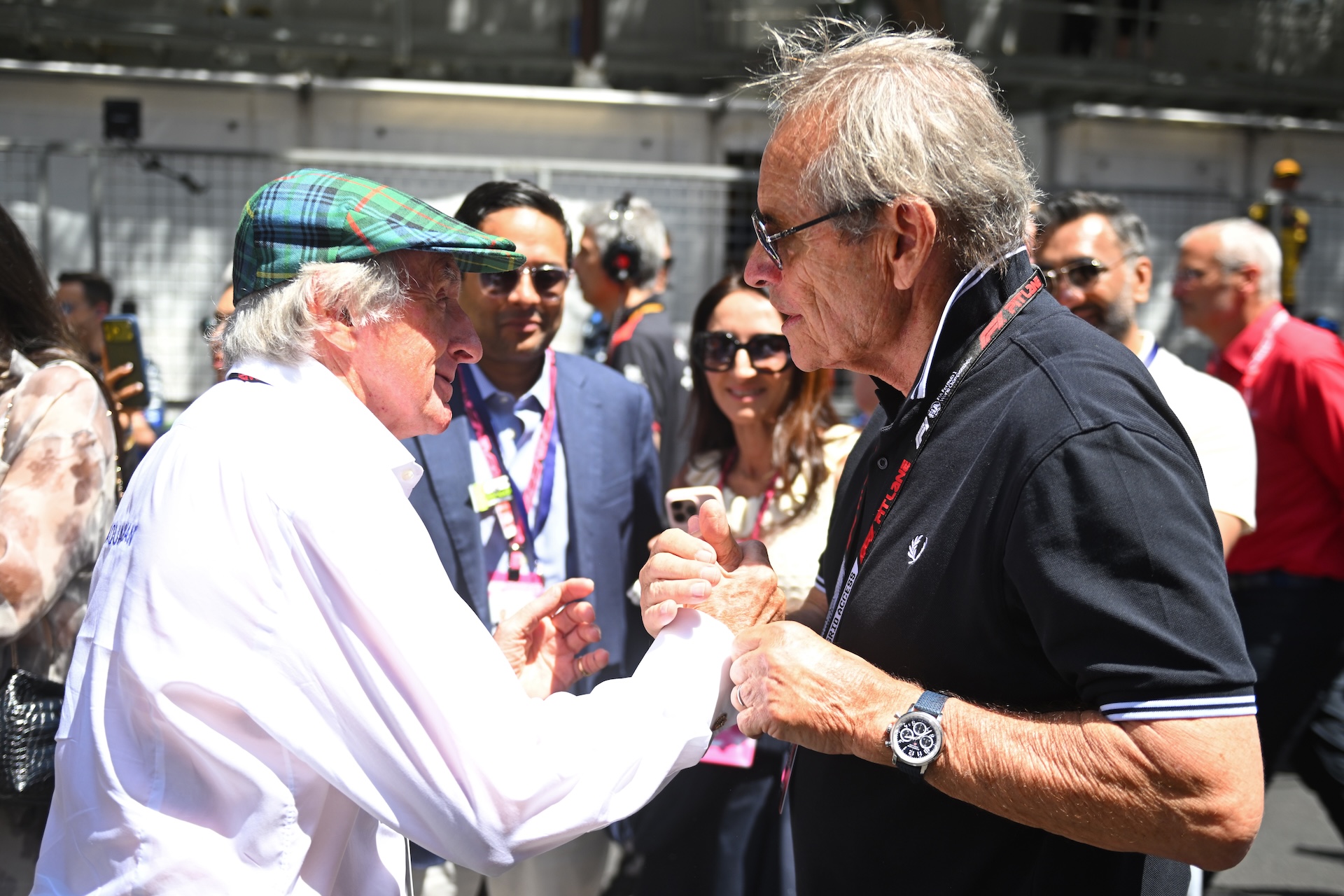
Jacky Ickx, undoubtedly one of the world’s best drivers with wins and/or titles in F1, sports cars and rallying – and six Le Mans wins – serves as a Genesis brand partner and advisor. They have gently affected team coordination and the automaker’s deployment of resources. I caught up with the Belgian racer during the final hour of the race, where he candidly shared the important work that Genesis has accomplished over the past year and a half.
“The human structure is the most difficult part of a project,” Ickes said. drive. “You reunite people who have the same passion and expertise in what they’re engaged in. But it has to be an orchestra. It’s similar to a philharmonic orchestra, especially where the goal is concerned. The race is very demanding, especially today, because we don’t talk about endurance anymore – it’s endurance in terms of distance, but as far as the cars go it’s really a flat-out sprint race.
“In my time, you had to be careful about the car, because you didn’t know exactly whether we could build it or not. So you used the tools you had and adapted to the conditions during the race. But today, that’s completely gone,” he added.
Finally, I’ll share one of my favorite quotes from Ickx, who got so excited and talked for so long that he almost missed the end of the race. He finally brought the checkered flag to a close after about 30 minutes, when he closed the door to Genesis’ pit-lane suite and headed to the podium area to welcome the eventual winners.
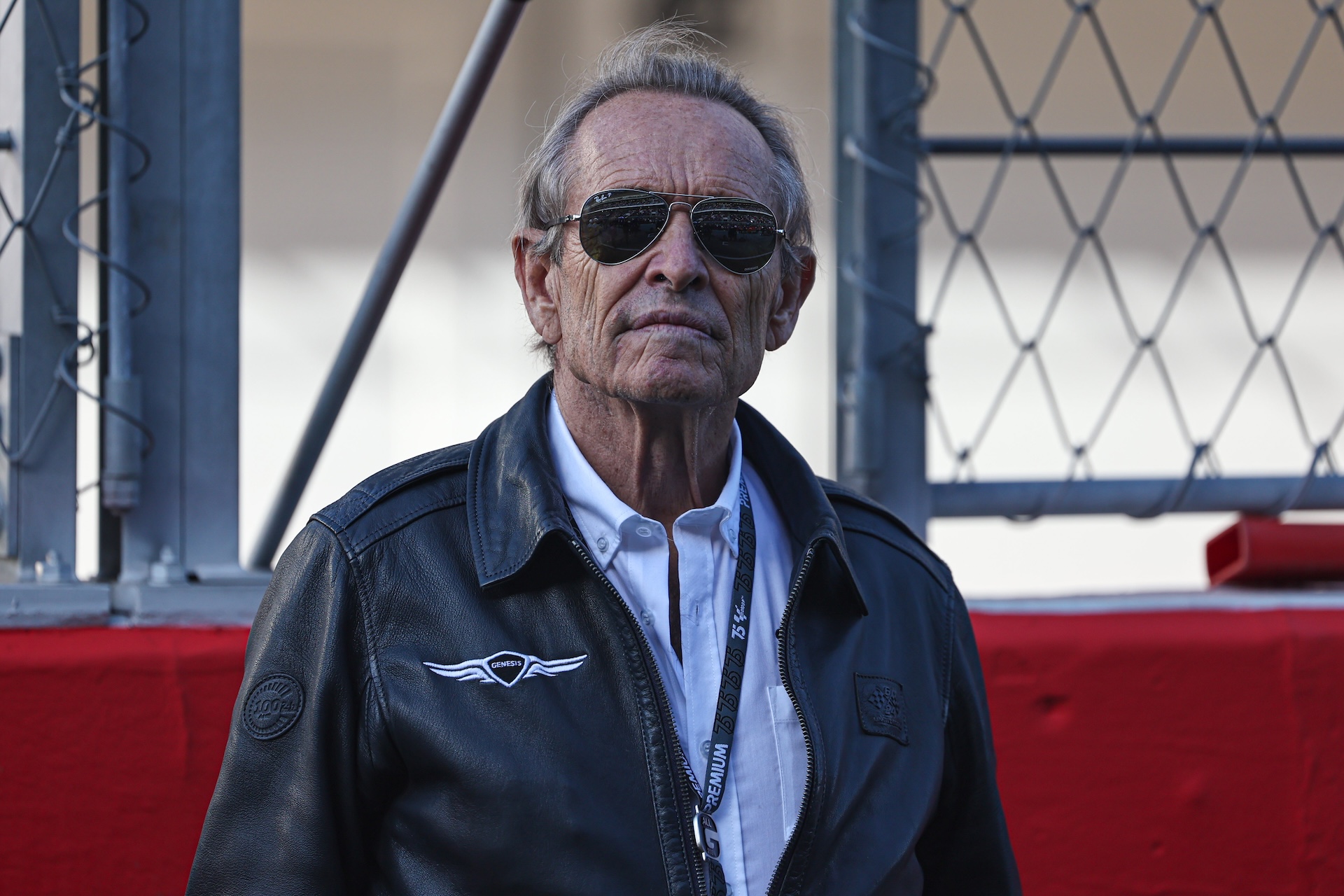
“This has all happened in just 18 months,” Ickes said. “Up to this moment, the team has only two races of experience. Regardless of the result, we are smiling because we are here, because we made it, because we raced, and because we exist.
He said, “These mechanics and engineers have worked almost non-stop for a year, so you can’t imagine the satisfaction when they suddenly realize that they have made it and that the result of their work is quite good.”
Email the author at jerry@thedrive.com