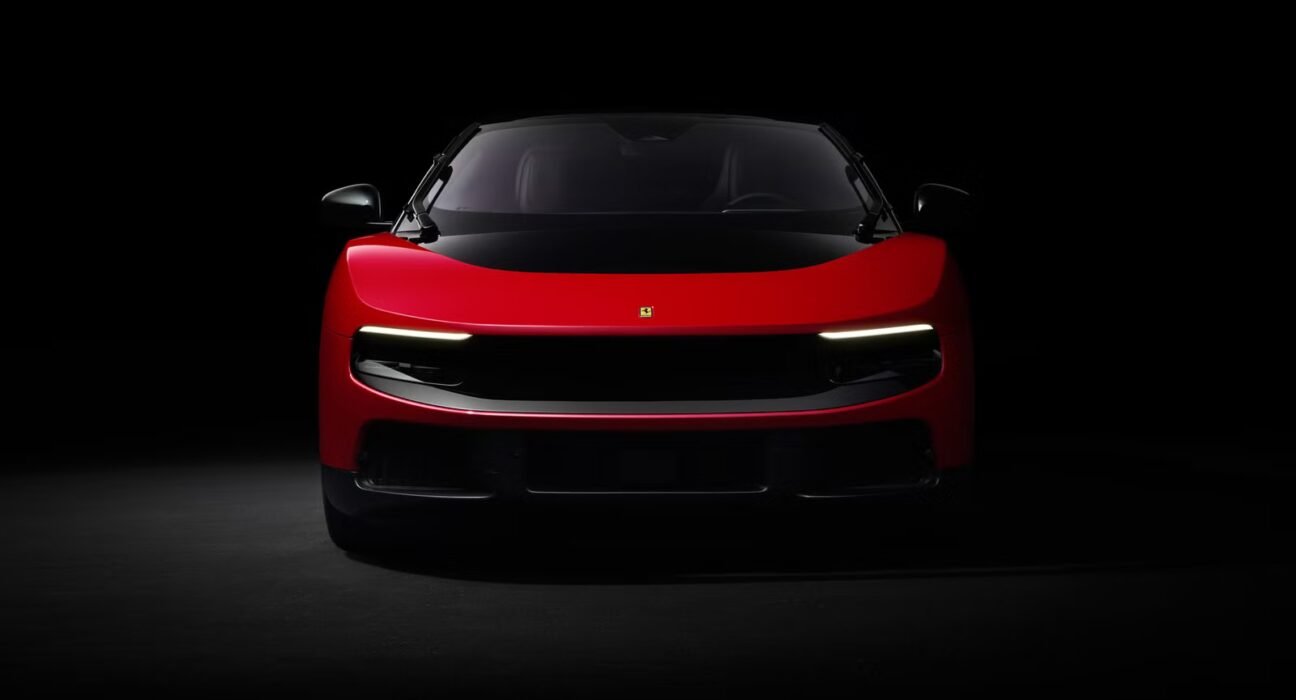
Ferrari’s first production electric vehicle, the Luce, became the subject of ridicule online – and then promptly sold out in China. The contrast between those two facts is the most interesting work Ferrari has done in years.
Revealed in late May 2026 and priced at around $640,000, the Lucus sparked immediate backlash from purists and car-culture commentators who questioned whether an electric Ferrari could carry the weight of the badge. By the end of June, China’s allocation had cleared regardless. What that sequence tells us about Ferrari’s brand power – and who actually buys Ferraris – is worth telling.
What the critics said, and why it was so influential
The online reaction to Luce was swift and frank. Criticism focused on three things: design, powertrain and theory. On the design, detractors argued that the car looked too restrained, too anonymous – not Ferrari enough. On the powertrain, the absence of a combustion engine struck purists as a fundamental break from what made Ferrari a Ferrari. Sound, mechanical play, movement – all were gone. And in theory, the broader argument was that Ferrari’s identity is inseparable from internal combustion, and moving to electric energy risks what the former Ferrari chairman reportedly called “the destruction of a myth”.
That last point was of real importance. Ferrari has spent decades developing scarcity and mystique as core brand assets. The concern wasn’t just that the Luce is electric — it’s that an EV Ferrari, at any price, opens up a question the company never needed to answer before: What are you really paying for when you buy a Prancing Horse?
China did not wait for the debate to be resolved

While that argument played out online, Ferrari’s Chinese allocation sold out. The timing—essentially sales immediately after the car’s unveiling—suggests that buyers weren’t waiting for an enthusiastic consensus to form. At $640,000, the Luce sits firmly in ultra-luxury territory, a price point where the buyer pool is younger, wealthier, and largely untouched by social-media sentiment cycles.
China is a special case. The country’s luxury market has shown a consistent appetite for European heritage brands, and Ferrari’s position there has always depended more on prestige and exclusivity rather than driving dynamics. For a buyer in that segment, a $640,000 Ferrari EV is no compromise – it’s a status object with a famous badge, and sales show that framing holds up.


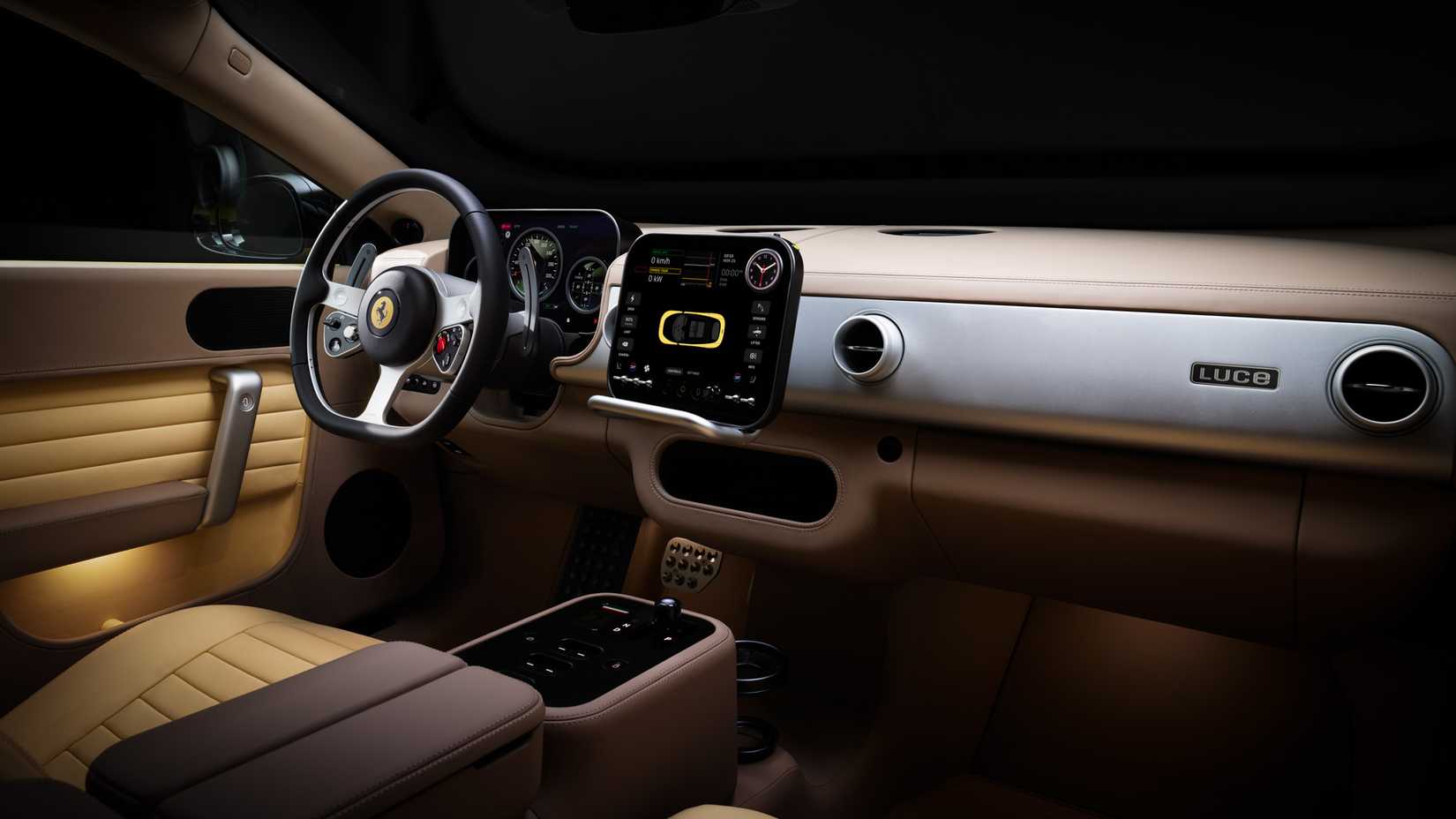
2027 Ferrari Luce Interior and Exterior Image Gallery
Ferrari unveiled its first EV Lucé: a four-door, five-seat, 1,036-hp super-sedan designed by Jony Ive’s LoveFrom Collective.
What Ferrari’s brand flexibility really means

The Luce sellout is a real-time demonstration of something Ferrari has long understood: its most important asset is not any particular engine configuration – it’s the aura. The brand’s ability to move a controversial, first-of-its-kind product for $640,000 based on reputation alone, in a market where it had no EV track record, is a meaningful data point.
It also highlights the gap between enthusiastic Twitterati and the actual buyer pool. The people who are cashing in on Loos online are mostly not the same people who were once going to write a $640,000 check for one. Ferrari’s core collector audience may still pass judgment on resale, but the initial commercial outcome is clear. Purists don’t control the market – and Ferrari, apparently, knew this before anyone else.
Whether Luce ultimately strengthens or weakens the brand is a long story. The concerns about brand dilution are real, and they play out in residual values and collector sentiment over years, not weeks. But for now, Ferrari has the answer to the most important question: the name alone was enough.
The sale of Luce won’t silence the critics, and perhaps it shouldn’t. The tension between Ferrari’s combustion heritage and its electric future is a legitimate debate. But the China result makes one thing clear – when Ferrari decides to move forward, the market moves with it, no matter what the platform thinks.