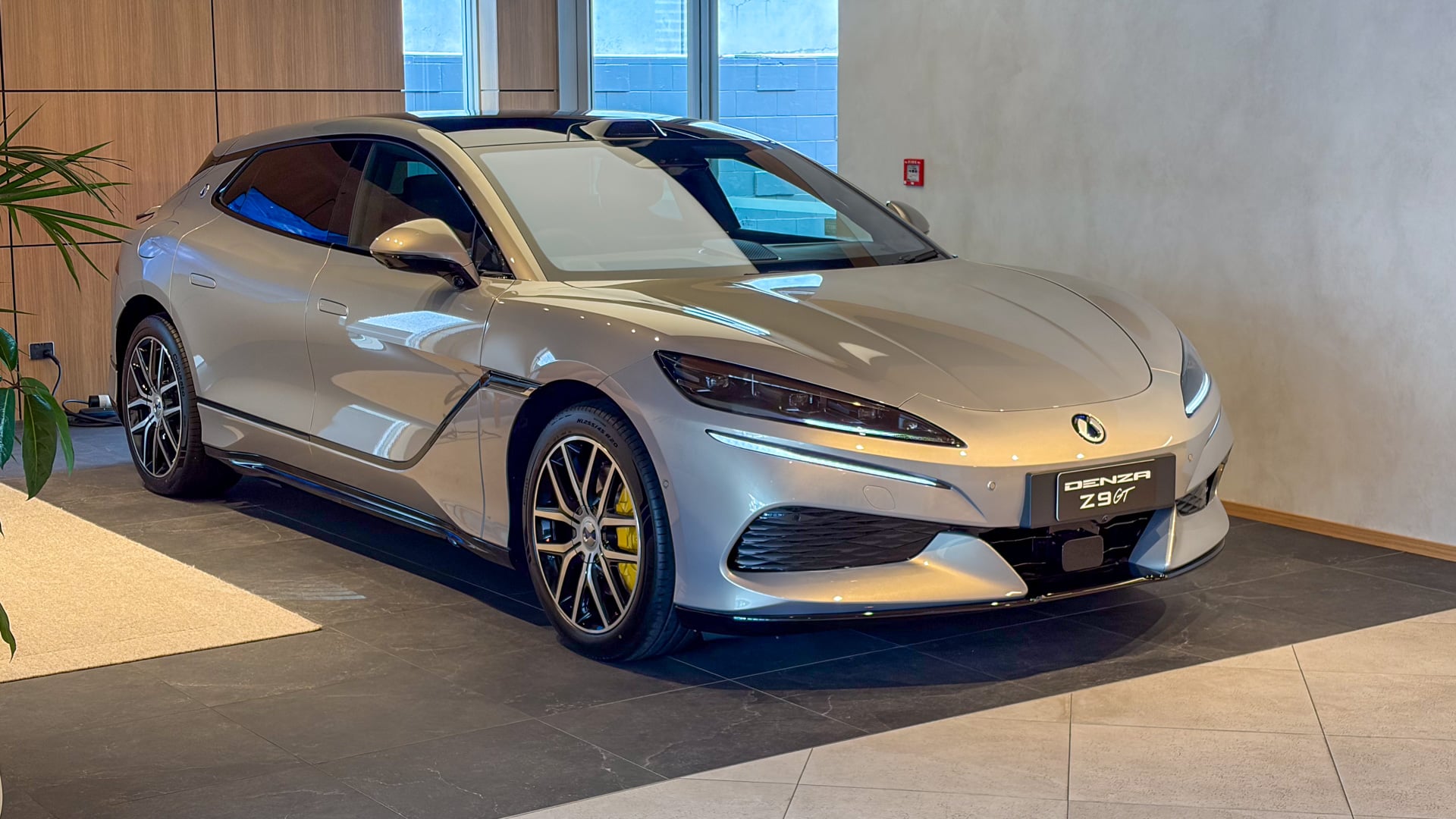
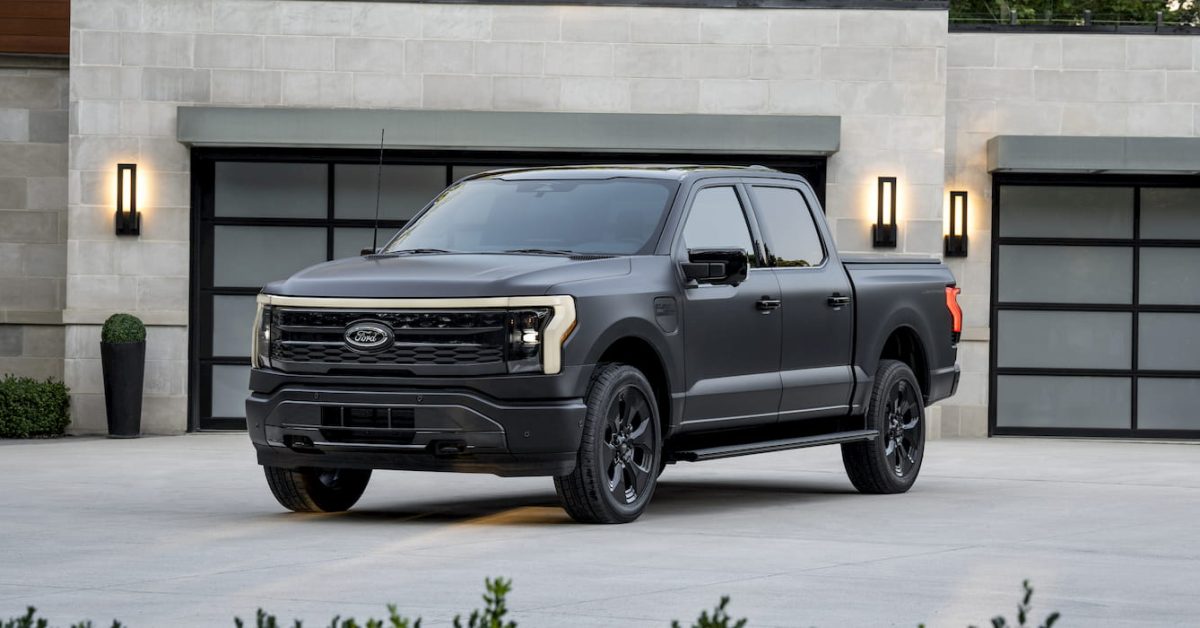
If you follow the EV industry in North America, you’d be forgiven for thinking that the future of transportation revolves around electric SUVs and pickups. Every week seems to bring another teaser from a startup promising to reinvent the family car or truck. The latest electric SUVs, “coming soon” tiny trucks, lifestyle trucks, modular trucks, etc. Companies like Slate, TELO, and countless others have generated plenty of excitement, even if many of them still have everything left to prove.
Don’t get me wrong – I hope they succeed. We need more affordable electric vehicles. But after spending nearly two decades covering a specific part of the electric-vehicle space and a good chunk of that time traveling around the world to see how people actually get around, I can’t help but wonder if we’re chasing the wrong prize here.
Because while the West keeps trying to electrify pickup trucks and SUVs, much of the world has already settled on a far more sensible transportation appliance.
It’s the humble 125cc motorcycle.
The world’s default vehicle isn’t a car
Western readers often think of a sedan as the world’s “normal” or “sensible” vehicle.
But go traveling almost anywhere in Asia, and that illusion disappears in about five minutes.
The roads are filled with Honda Clicks and CG125s, Hero Splendors, Yamaha NMAXs and YBR125s, and countless other small-displacement motorcycles. They carry workers to jobs, students to school, families to dinner, and every imaginable cargo in between.
They’re the delivery vans. They’re the commuter cars. They’re grocery getters, family transportation, and work trucks. And perhaps more importantly, they transport hundreds of millions of people every single day.
You don’t have to spend long in places like the Philippines before realizing something else: these aren’t really “motorcycle cultures.” They’re just transportation cultures. People ride these machines because they make sense.
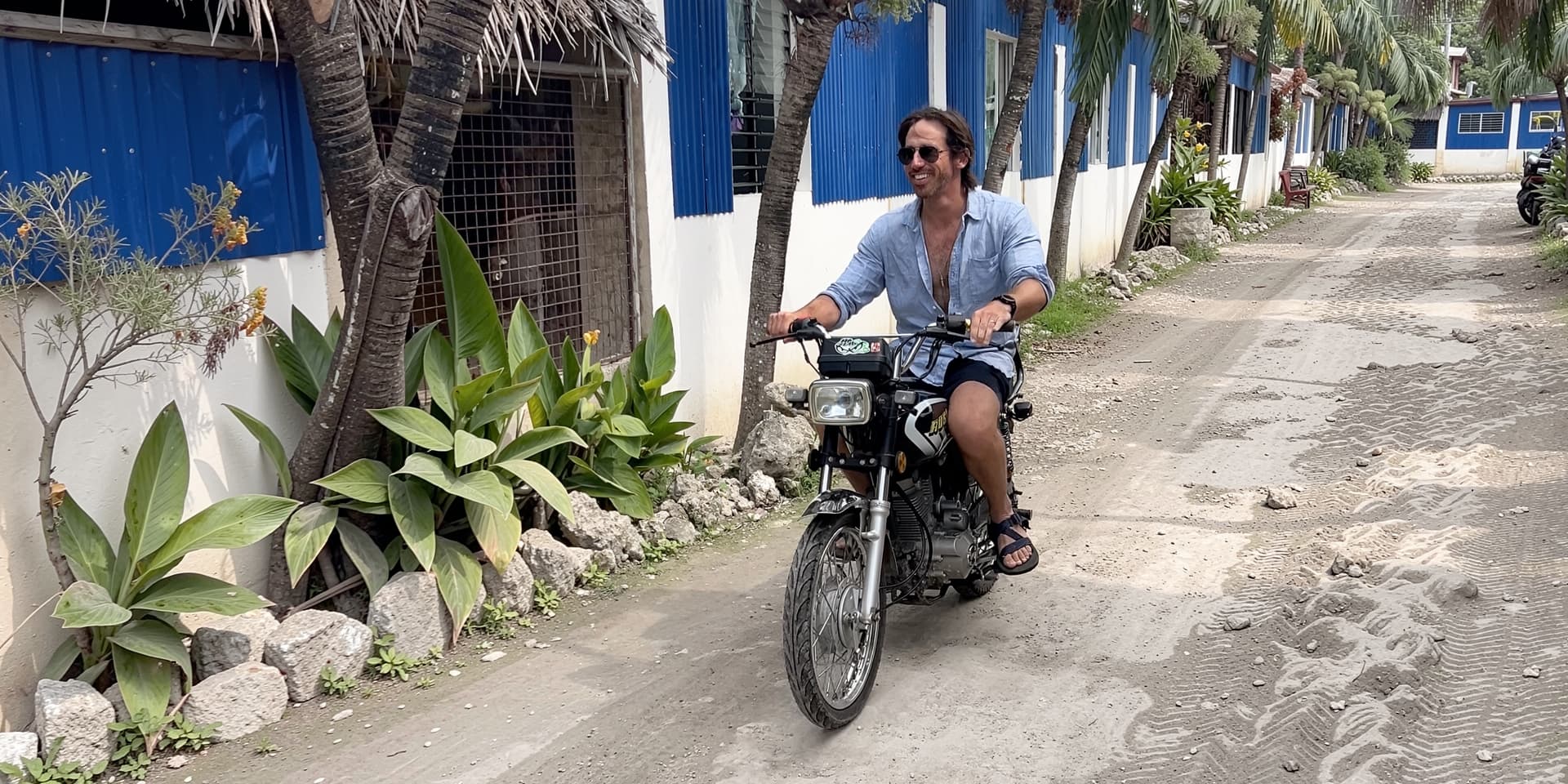
And I’ve done it myself to see what all the fuss was about. Sure, I’m an e-motorcycle guy through and through. But I’ve been there to ride a mile in their motorcycle sandals, and so I get it.
Even so, having had one cheek on each saddle, I still have to think there’s a better way than the tried-and-true 125cc combustion engine motorcycles that have become the workhorse of much of the world.
Electric should be perfect here
The extreme proliferation of small motorcycles is what makes the current electric motorcycle market feel so strange. If there were ever a class of gasoline vehicle that batteries are already capable of replacing, it’s the 125cc combustion engine motorcycle.
These bikes aren’t demanding. They generally produce a modest 10-15 hp (8–11 kW) of power. They cruise comfortably around 45-60 mph (70-100 km/h). Most riders travel relatively short daily distances measured in dozens of miles, not hundreds.
A modern electric motorcycle with a 4-6 kWh battery can comfortably accomplish those same tasks while offering smoother acceleration, quieter operation, lower maintenance, and dramatically lower operating costs.
Unlike replacing a heavy-duty pickup truck that tows livestock trailers across Montana, replacing a 125cc commuter bike is already well within today’s battery technology. In many ways, it’s one of the easiest transportation sectors to electrify.

Yet the West largely skipped this category
Instead, North America’s electric motorcycle market developed in an odd direction.
We have electric bicycles, and those are great for urban commuters. But then we jump almost straight topremium electric motorcyclescosting $15,000 to $25,000. The practical middle has remained surprisingly sparse.
Thankfully, that seems to be changing.
The ONYX RCR became something of a cult favorite by proving there was genuine demand for lightweight, motorcycle-like electric transportation without superbike performance.
Ryvid’s Anthem pushed further, adding highway capability while still remaining approachable and relatively affordable.
The new LiveWire S4 Honcho also feels like an encouraging step toward a lighter, more practical electric motorcycle instead of another oversized premium machine.
Even Infinite Machine’s Olto, while occupying a slightly different category, demonstrates growing interest in practical urban electric two-wheelers that prioritize transportation over headline horsepower.
These companies are proving something important: People don’t necessarily need 100 horsepower. Many simply need transportation.

Maybe we’re obsessing over the wrong EV
Don’t misunderstand me. Electric pickup trucks absolutely have their place. Electric SUVs do too.
But we’ve spent the last decade pouring enormous engineering effort into electrifying some of the least energy-efficient passenger vehicles on the road.
Meanwhile, we’ve largely ignored one of the most efficient gasoline vehicle classes humanity has ever created.
A typical 125cc combustion engine motorcycle can already achieve fuel economy approaching or exceeding 100 mpg (2.35 liters/100 km). An electric equivalent becomes almost absurdly efficient.
We’re talking roughly 4-6 kWh per 100 kilometers (62 miles) – just a fraction of the energy consumed even by many compact electric cars. I once did the math, and a light electric motorcycle can travel 10,000 km (roughly 6,000 miles) for around $160 in electricity. Basically, your electrical bill doesn’t even notice when you own an electric motorcycle. Charging it simply doesn’t move the needle.
Instead of asking how we can fit ever-larger battery packs into increasingly larger SUVs and trucks, perhaps we should also be asking how many trips don’t need a large vehicle in the first place.
Most trips don’t require two tons of metal
Transportation statistics across much of the developed world tell a familiar story.
Most trips involve one person. Maybe there’s also a backpack in the mix. Maybe there are some groceries getting picked up on the way home. Occasionally, there’s another passenger.
Those things are exactly what small motorcycles have been doing around the world for decades.
I recently spent some time in the Philippines, where I watched motorcycles carrying impossible-looking loads every day. Entire families would ride together. Construction materials. Furniture. Livestock. I saw two pigs on a 125cc bike, I kid you not. I’ve seen even crazier things in Thailand.
Again, I’m certainly not advocating that we adopt some of those practices in the West – there are obvious safety considerations – but it demonstrates just how incredibly capable these machines can be.
Even within normal Western expectations, a 125cc-class motorcycle is capable of handling an astonishing percentage of daily transportation needs.


They don’t need to replace every car
This is where discussions about motorcycles often become unnecessarily polarized.
No, motorcycles aren’t ideal in every situation. Yes, heavy rain exists. Snow exists. Families with multiple children exist. Long interstate road trips exist.
Nobody is suggesting a 125cc electric motorcycle should replace every car.
But it doesn’t have to.
If a household can replace even half of its daily driving with a lightweight electric motorcycle, that’s already a massive reduction in energy consumption, congestion, parking demand, and transportation costs.
Transportation doesn’t have to be all-or-nothing. So enough with this “but what if it rains?” stuff. Either put on a jacket that day or drive your car. But for the majority of the trips each year you take where it’s not raining, you could have done it in a much more efficient (and fun) way.

The infrastructure problem almost disappears
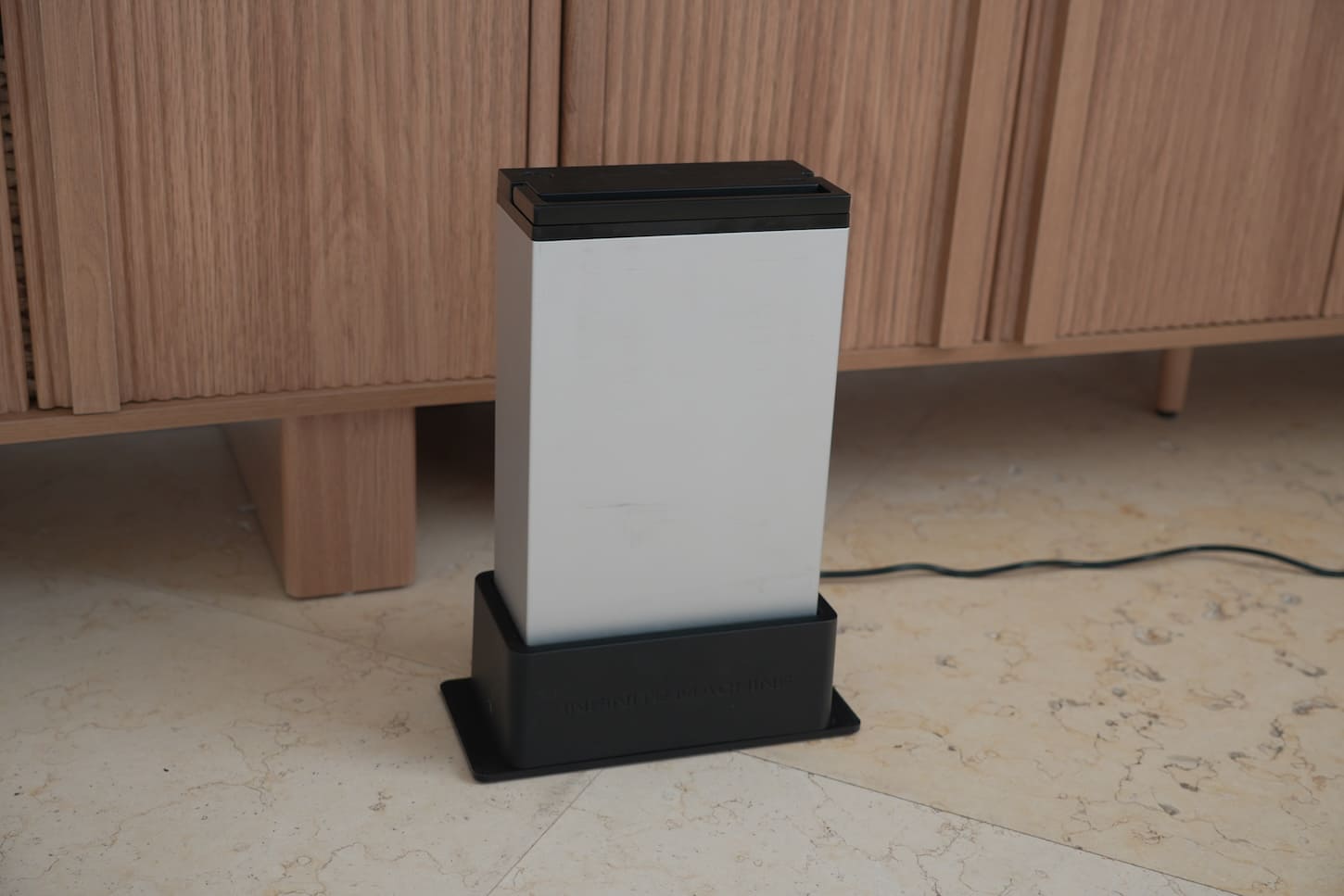
One of the biggest conversations surrounding EV adoption is charging. But smaller electric motorcycles barely participate in that problem. A 4-5 kWh battery charges overnight from an ordinary household outlet. The outlet you plug your laptop charger into is basically the equivalent of a Level 2 public charger for an e-motorcycle – that’s how fast it is.
DC fast charging isn’t really necessary on a light electric motorcycle. There’s no need for an expensive home charger. There’s no massive battery pack. Just plug it in before bed and wake up with a battery that’s been fully charged and waiting on you for hours already.
The simplicity is almost refreshing.
And if you want to go wild, there are swappable battery networks like Gogoro in Taiwan or Vammo in South America that can make charging unnecessary.
They’re approachable
Another advantage rarely discussed is intimidation. Many people don’t want a 600 lb (270 kg) motorcycle producing superbike acceleration. They want something approachable, something lightweight, maneuverable, easy to park, and easy to live with.
That’s exactly why 125cc motorcycles became so successful globally.
Electric versions preserve all of those advantages while making them even easier to ride thanks to instant torque and the absence of clutch work. Many of them even come with reverse mode, making them easier to park and wiggle around even on hilly terrain.

Europe already understands the category
One reason Europe has seen more progress here is that the regulatory framework already exists.
Manufacturers regularly market bikes as “125cc equivalents,” and consumers immediately understand what that means.
Licensing systems and insurance companies recognize the category. It’s a mature transportation class.
North America, by comparison, often treats motorcycles as either recreational toys or large-displacement touring machines. We’ve largely forgotten that much of the world simply sees them as transportation.

A new generation is already telling us what it wants
Ironically, younger riders may already be showing us the way forward.
The explosion in popularity of Sur Ron-style electric motorcycles and lightweight e-motos demonstrates that younger generations are perfectly willing to embrace two-wheeled electric transportation.
Not everyone buying those bikes is looking for motocross. Many simply enjoy the freedom, accessibility, affordability, and fun that come with traveling on two wheels.
Rather than dismissing that trend, perhaps we should recognize it as an opportunity. Today’s recreational rider often becomes tomorrow’s commuter.
If someone discovers they enjoy getting around on an electric two-wheeler, moving from a lightweight e-moto to a practical 125cc-equivalent commuter becomes a much smaller leap than convincing someone to abandon their car entirely.

Maybe we’ve been looking in the wrong direction
One observation has stuck with me after so many years of covering the electric vehicle industry and traveling through countries where motorcycles dominate daily life. The West has spent years trying to electrify the largest, heaviest, and least efficient vehicles on our roads. Meanwhile, we’ve paid surprisingly little attention to electrifying the vehicle that already moves much of humanity every single day.
I’m not arguing that everyone should ride a motorcycle. And I’m certainly not arguing that cars no longer have an important place.
But perhaps we’ve underestimated just how many people could benefit from something in between.
Not just an electric bicycle, and not just a $25,000 electric motorcycle. Just an honest, practical, affordable electric equivalent of the vehicle that already keeps much of the world moving.
Because if we’re serious about accelerating electric transportation, maybe the future isn’t another electric pickup truck. Maybe it’s finally giving the world’s favorite motorcycle an electric motor.
Stay up to date with the latest content by subscribing to Electrek on Google News.
You’re reading Electrek— experts who break news about Tesla, electric vehicles, and green energy, day after day. Be sure to check out our homepage for all the latest news, and follow Electrek on X, Facebook, and LinkedIn to stay in the loop. Don’t know where to start? Check out our YouTube channel for the latest reviews.