(Kriztian Bocci/Bloomberg News)
key takeaways:
- Bain Capital agreed to buy a 51% stake in Volkswagen’s heavy diesel-engine unit Everlens for about $8.4 billion, with Volkswagen retaining a 49% stake.
- Analysts said the deal strengthens Volkswagen’s finance and restructuring efforts as it exits a non-core asset amid higher costs, weak China demand and industry pressures.
- Volkswagen plans to use the proceeds to streamline operations and boost profitability while continuing sweeping cost-cutting measures, including job cuts and capacity cuts.
Bain Capital emerged victorious in Europe’s most hotly contested private equity auction with a deal to buy a controlling stake in Volkswagen AG’s heavy diesel-engine unit.
The buyout firm will acquire a 51% stake in Everlens, according to a statement from Volkswagen, confirming a previous report by Bloomberg. The German carmaker said the deal would generate approximately 7.4 billion euros ($8.4 billion) and it intended to keep a 49% stake in the medium term.
Bain beat out a consortium led by rivals CVC Capital Partners PLC and EQT AB, according to people familiar with the process, who asked not to be identified discussing confidential information. The EQT consortium included major Volkswagen shareholders: Qatar Investment Authority and Porsche Automobile Holding SE, a family unit separate from Volkswagen’s sports-car unit Porsche AG.
The result gave Volkswagen CEO Oliver Blume a notable victory in his effort to simplify Europe’s biggest carmaker, securing a clean exit from a non-core industrial asset despite the group’s complex governance structure.
Volkswagen shares were up as much as 3% in Frankfurt trading on June 25, paring their decline this year to about 25%.
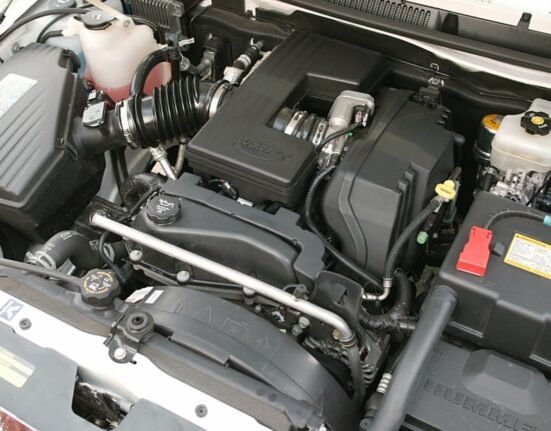
Everlens is one of the world’s leading manufacturers of two-stroke marine engines, which are used in ships accounting for approximately 90% of global trade. The other main player in the industry is Wärtsilä Oyj, whose largest shareholder is Investors AB of Sweden.
According to JPMorgan analysts, the transaction will “significantly strengthen” Volkswagen’s finances as its transformation moves forward.
“Thanks to the new ownership structure, Everlens is expected to continue its growth in the dynamic markets of the global shipping, data center and energy sectors,” he wrote in a note.
Private equity firms are showing a growing appetite for industrial assets as they seek a haven from volatility in their long-favored software sector. Bloomberg previously reported that bankers are working on debt financing of up to 6.5 billion euros to support the Everlens deal.
Volkswagen is selling Everlens as part of an effort to streamline its operations and increase profitability. The proceeds from the sale will give it a boost amid a deepening recession in China, its most important market.
Bloom said this month that the manufacturer’s decades-old strategy of developing and building cars in Europe is no longer working. Higher costs, US tariffs, the shift to electric vehicles and increasing competition from China’s BYD company are reducing the profits needed to invest in new products.
In addition to existing plans to cut about 50,000 jobs in Germany by the end of the decade and reduce car-making capacity, the decline has forced Volkswagen to search for more ways to reduce costs. The company’s issues are mirrored elsewhere, with BMW AG recently cutting its outlook for the year more than expected after weak sales in China, and Mercedes-Benz Group AG also seeking additional savings to remain competitive.
Volkswagen’s efforts to streamline its vast portfolio of industrial assets have faced challenges from the company’s Byzantine ownership structure. While the controlling billionaire Porsche-Piech clan is in the driver’s seat, major decisions require the support of labor leaders sitting on its supervisory board.
The German state of Lower Saxony also has a 20% stake. Decision making can be slow and cumbersome and internal power struggles often come into public view.
That history makes the Everlens deal a relatively easy part of implementation for Volkswagen. The company has long faced pressure from investors to simplify a portfolio that extends far beyond passenger cars, but efforts to spin off or monetize assets have often been slowed by governance constraints, market conditions or competitive power bases within the group.
Recently, Porsche, which was due to list in 2022, ran into trouble after missteps on its EV strategy and a sharp decline in demand from Chinese buyers. After four profit warnings last year, Blume ended his dual role as CEO of both the 911 maker and Volkswagen.

Cox Fleet’s Kevin Clark discusses how fleets must rethink their maintenance strategies to remain efficient and flexible. Tune in by going above or RoadSigns.ttnews.com.
The separation helped the Porsche-Piech family gain more direct influence over the famous sports-car maker. This left parts of the clan with debt levels high, making them dependent on Volkswagen’s dividends.
The 2019 listing of Volkswagen’s Traton SE, which combines Sweden’s Scania, Germany’s MAN and North American Navistar truck brands, also disappointed. VW had to delay the share sale for some time due to weak investor interest, while the small stake offered in the listing was also affected.
There has been repeated speculation over a possible separation of other assets such as Lamborghini, although Volkswagen has so far denied pursuing such plans.
Written by Ike Henning, Sweta Gopinath and William Wilkes