- Around 6,000 workers protested demanding clarity on the future of the site.
- Volkswagen is considering closing four German plants after 2030 as part of deep cost cuts.
- Workers in Neckarsulm are covered by a job security agreement that runs until the end of 2033.
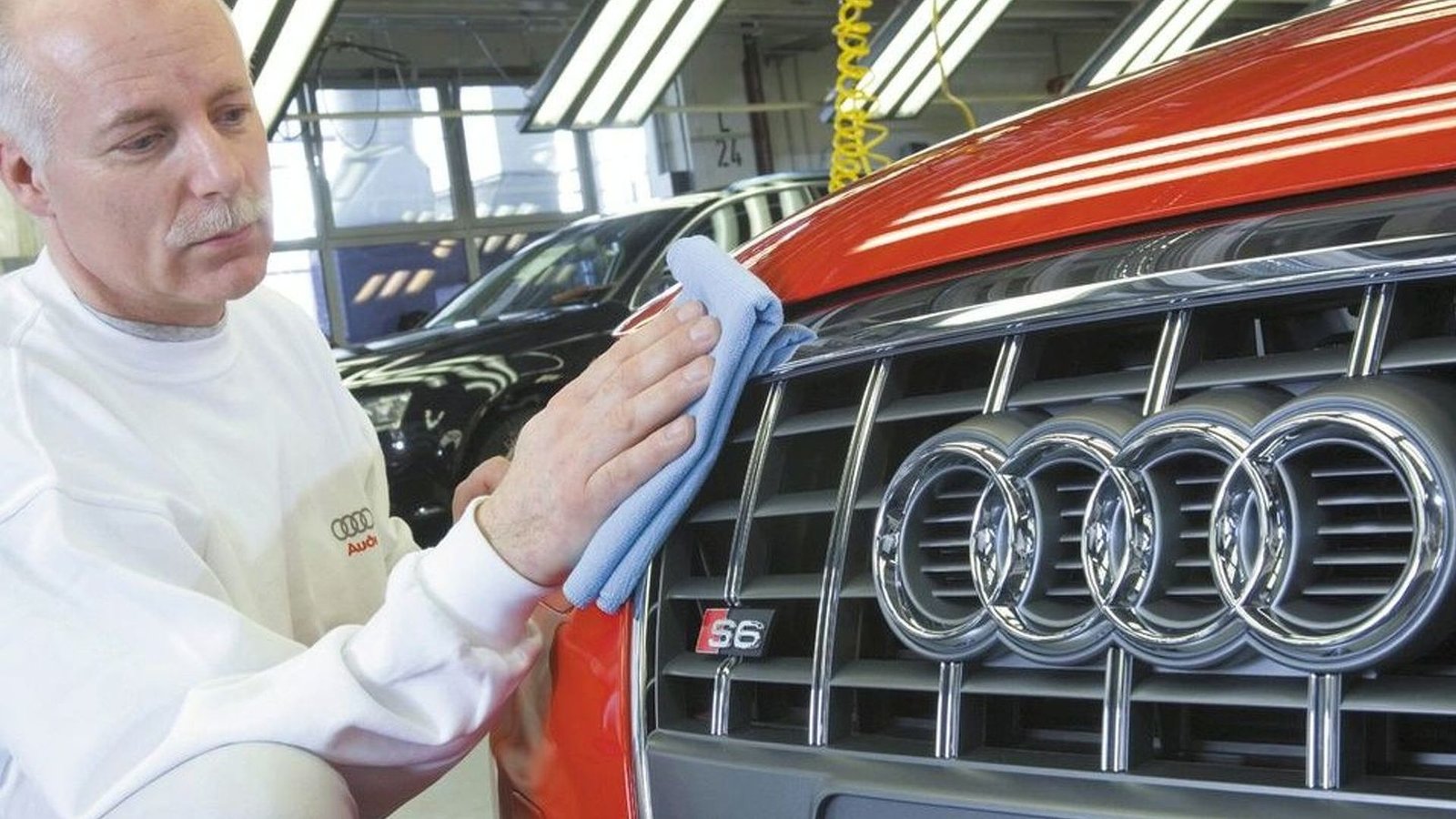
Having six thousand people outside a factory gate is not a normal shift change. in audi neckersulm plant In southwestern Germany, that crowd came on July 29 to send a message to Volkswagen: This factory, and the cars it makes, should not disappear in a spreadsheet of cost savings. The site still displays some of Audi’s most familiar nameplates such as A5, A6, A8 and this e-tron gt, But it now joins a short list of four German plants that VW is openly reviewing for possible closure in the 2030s.
For Audi fans, this isn’t just a labor dispute. It’s a question about the future of the big sedan, the brand’s electric halo car and thousands of high-skilled jobs as VW tries to close a painful cost gap with rivals. On paper, there is a job protection deal running until December 31, 2033 that rules out mandatory redundancies at German Audi sites. In parallel, VW has already agreed to eliminate about 50,000 jobs in Germany by 2030 and is considering another wave of cuts, potentially totaling up to 100,000 positions worldwide after 2030 and plant shutdowns.
Audi Neckarsulm plant: what Volkswagen has confirmed so far
Volkswagen’s latest restructuring effort, led by CEO Oliver Blume, covers four German locations: Hanover, Emden, Zwickau and Audi’s Neckarsulm site. Internal planning scenarios described in media reports suggest that production at these factories will be reduced between 2031 and 2034 if they cannot be filled with competitive new products or other operations.
VW’s supervisory board has so far pushed back on an overhaul based solely on closures, and Blume has talked about “smart solutions” rather than simply closing factory gates. Still, he has told employees that about 50,000 jobs need to be eliminated to make VW cost competitive, and sources say a second tranche of cuts tied to any plant closings could nearly double that number. This puts all four plants, including Neckarsulm, in doubt until VW can prove that their future is profitable.
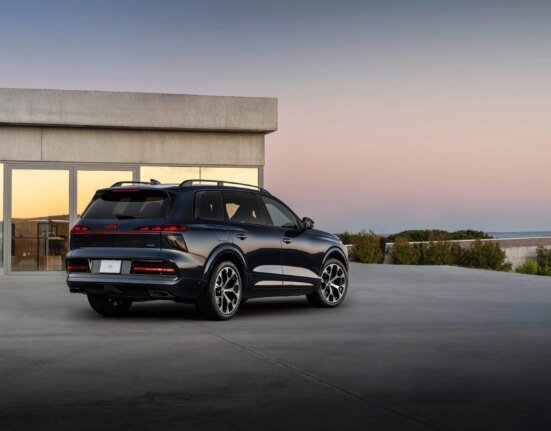
The Audi e-tron GT is produced at the Bollinger Höfe plant in Neckarsulm
Photo by: Audi
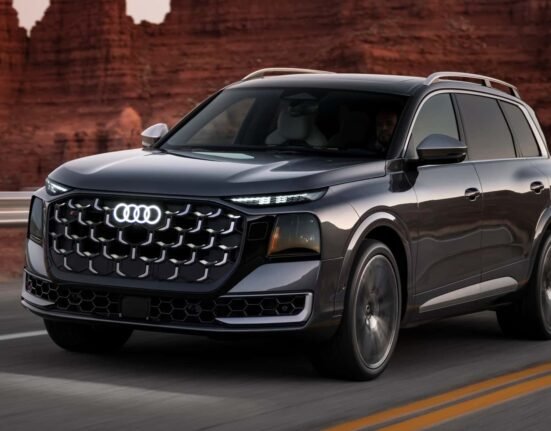
Neckarsulm is a classic mixed-portfolio site. it makes Audi A5, A6 and flagship A8 with electricity e-tron gtUnder Audi, an installed capacity of approximately 225,000 vehicles per year has been agreed.Zukunftsvereinbarung(future agreement).
The timing of the VW review is strange for the plant. The current A8 is nearing the end of its lifecycle, and today’s combustion A5 and A6 are expected to end in the early 2030s, which is exactly the 2031-2034 window that VW is using for its internal plant scenarios. As those models age, Neckarsulm either adapts to new vehicles and new roles, supported by the site’s future funding for electric platforms, or risks being perceived as overkill in a group determined to cut fixed costs.
Workers’ protest, job security till 2033 and what else is at stake
The size of this week’s demonstration shows how seriously the workforce takes that risk. IG Metal and local reports crowdsourced approximately 6,000 employees Outside the plant on July 29, 2026, signs with banners and speeches warned that they were prepared to move if VW moved from “under review” to concrete completion dates.
Whereas, Neckarsulm sits below a Job security agreement that will last until the end of 2033Extending Audi’s no-mandatory-redundancy promise after today’s models are finished, it is left open as to what exactly will be built there and in what quantities. Management is already tightening costs and adjusting capacity, such as shift changes, work stoppages, efficiency programs, within that framework, and the works council keeps pointing to the agreement’s future funds as proof the plant can still win new projects if VW supports it.
Volkswagen’s massive restructuring and German auto jobs
Neckarsulm is just one front in a broader reset of VW. Across the group, the company plans to cut about 50,000 jobs in Germany by 2030 and is studying a second phase that could cut a total of up to 100,000 positions worldwide. The four German factories (Emden, Hanover, Zwickau and Neckarsulm) without firm, competitive product plans in the 2030s are obvious places to look when VW decides how much capacity it can afford to lose.
Other European automakers are also cutting staff as electric-vehicle demand falls short of earlier forecasts, but the combination of major job cuts and potential closures at several German VW sites makes this restructuring particularly sensitive. For Neckarsulm, the facts are clear: a risk window opening after 2030, core models that will expire in the early 2030s, job guarantees until 2033, and a workforce now pushing enough to keep roads off any final closure list.
motor1 tech
Neckarsulm has quietly become a test case for how far VW is willing to go to cut German capacity. On the one hand, there is room for relief on the site because jobs are secured until 2033, future funding for new projects is in place, and Audi’s current lineup still keeps the lines busy. On the other hand, VW is openly looking for savings, and all of the plant’s main products are due to be available as early as the 2030s.
If you care about the future of Audi’s big sedans and the Halo EV, the real story will be written over the next few board cycles, not in any one conflict. Either VW will turn off new, high-value work that utilizes Neckarsulm’s skills and infrastructure, or this walkout will be remembered as the moment when workers realized that despite the job agreement, the fate of their factory was being decided elsewhere.