Some riders pursue the unknown more quickly at forty than at twenty. This is because they know exactly what they have lost by then. Call it a midlife crisis or a more profound realization, but for most riders in that age group, an adventure motorcycle is usually the answer. But why? The famous philosopher, Marcus Aurelius, wrote that obstruction of action advances action, meaning that what stands in the way becomes the way, and a rider over forty tries to make better sense out of that line.
What stands in the way is rarely the road. It’s the high seat height at a gas-station stop, a hard clutch that turns into a painful handshake in traffic, a loaded bike that requires muscle through U-turns on loose gravel, you get the idea. The floor still pulls just as hard, but the body refuses much quicker, and shouldn’t cause a bike trip to be shorter. Spontaneous performance is important here.
What’s an adventure bike like once you’re past forty
High-tech modern adventure machines have absorbed a generation of hard-won engineering to reduce rider effort, and good machines are now solving problems that riders of old simply endured. Stability comes first, and not just the low-speed kind that keeps a heavy bike rubber side up at walking speeds, but the experience imposed at interstate speeds with a passenger and luggage aboard, tracking straight through rain-slicked turns and staying cool when a crosswind hits an exposed ridge.

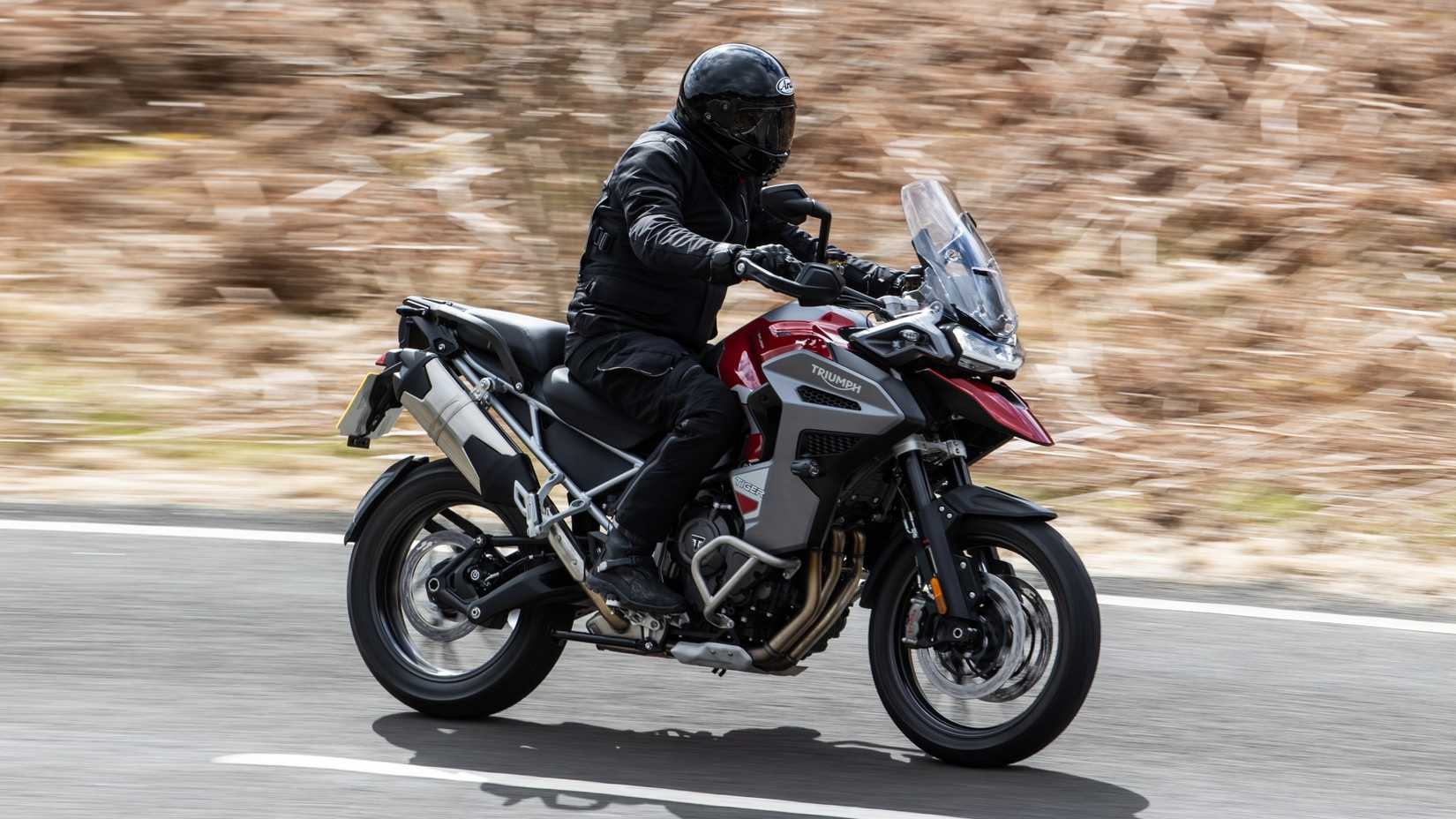
Ergonomics are also of equal importance, as a riding triangle that feels comfortable for five minutes on a test ride may start to break the lower back 50 minutes into a gravel section, and excessive pull on the bars only increases fatigue. The suspension has to absorb broken backroads without hurting the spine, ideally adjusting itself as load and surface change, while the electronics work to minimize effort in the background rather than burying it under an elaborate menu. And finally, an adaptable seat height that suits the smallest and tallest riders alike, increasing their confidence when the wheels stop spinning. By now, you can guess which ADV we’re referring to, one focused entirely on long-distance comfort.
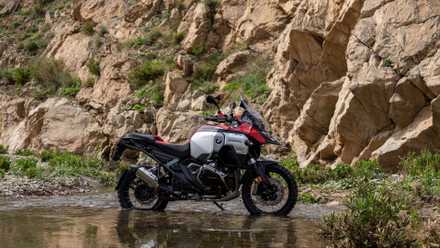

ADV that combines rugged capability with touring-level comfort
A globe-trotting bruiser in a tailored suit, this ADV swallows highways, goes off trails, and keeps you comfortable while chasing the horizon.
The BMW R 1300 GS is an adventure bike that gets easier with age
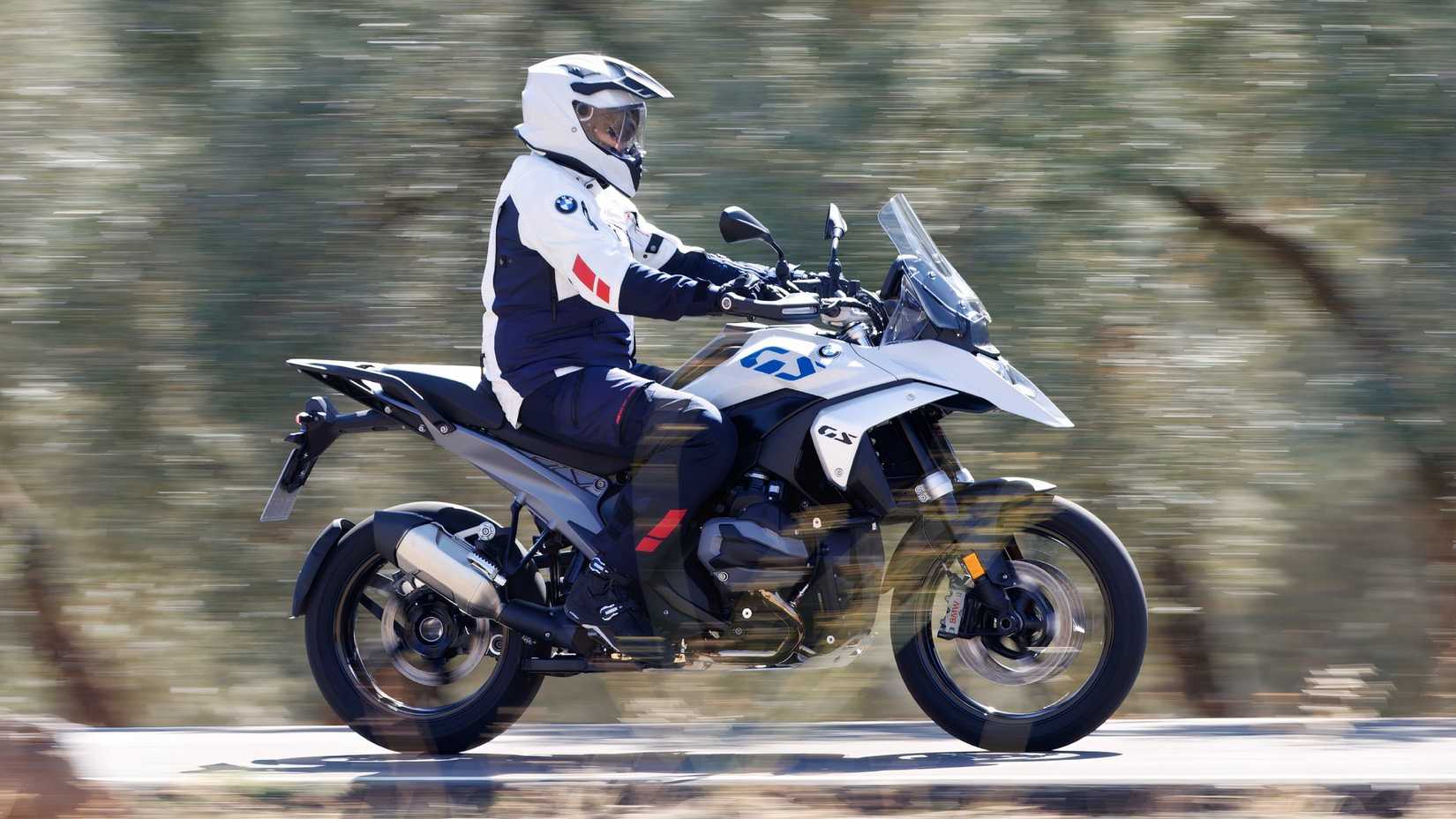
Nothing else in the range carries history like the GS, and the 2026 R 1300 GS is the most refined version of the formula BMW has been perfecting for decades. It runs a 1,300 cc boxer twin built on a two-part frame with the engine as a stressed member, and at $20,395, it undercuts most of the premium flagship field while standing as the benchmark against which the entire class still measures itself. There’s a reason a certain kind of rider turns forty, watches a few episodes of two actors riding an old GS across Mongolia, and starts doing the math on a loan for a new one. The bike has spent thirty years promising that it will take you beyond the edge of the map and actually delivering it.
The new boxer and where its power really helps
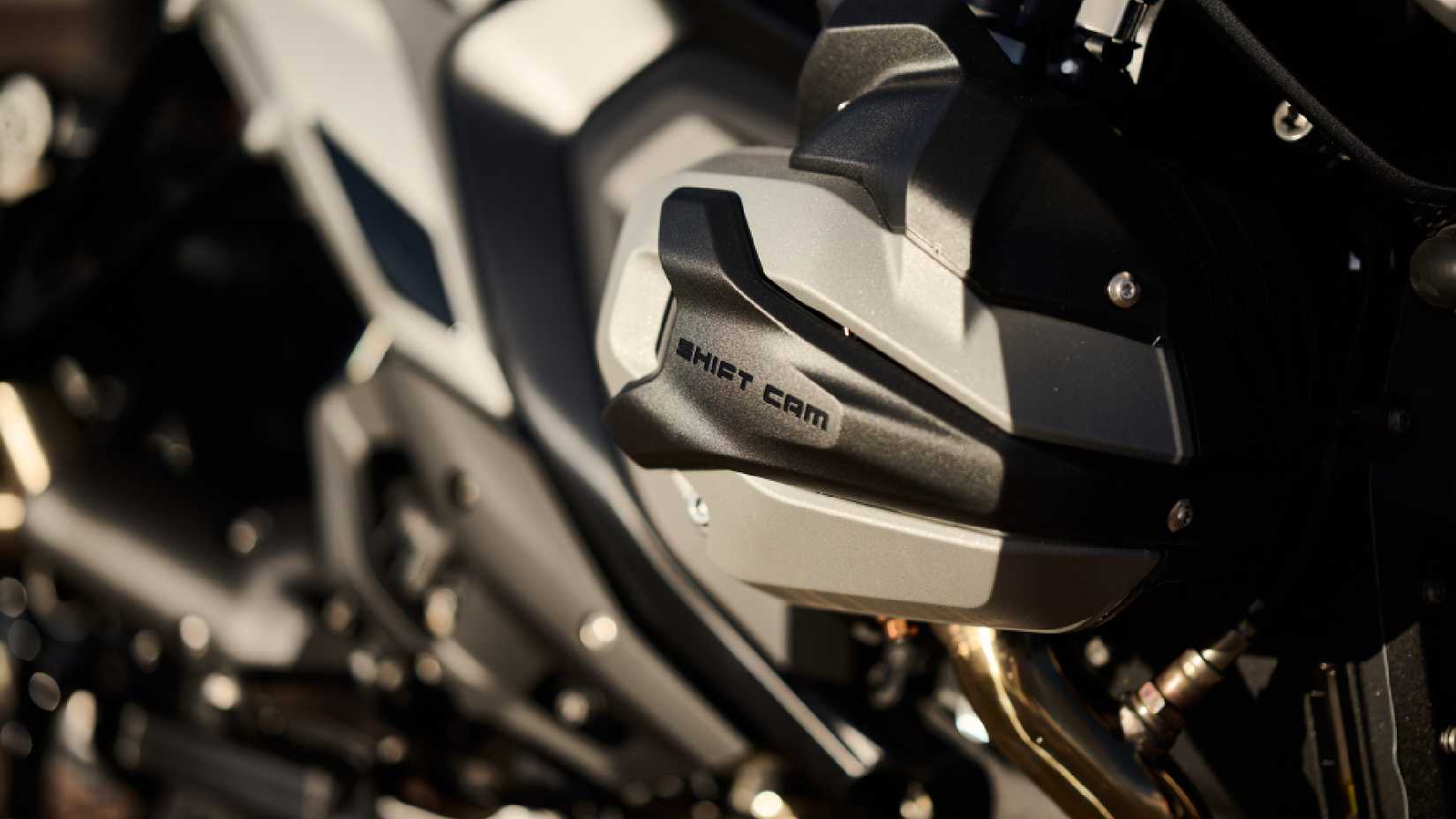
The boxer layout is one of the many reasons why this engine is perfect for exploration. Its cylinder heads stick out into the airflow on either side to keep the unit cool, but the big feature is that the mass is angled down, and the low center of mass is what makes the 523 pounds feel much less inclined or crawling over rough terrain. BMW has run this flat-twin architecture since 1923, so durability is a century of owner testimonials rather than just a marketing claim.
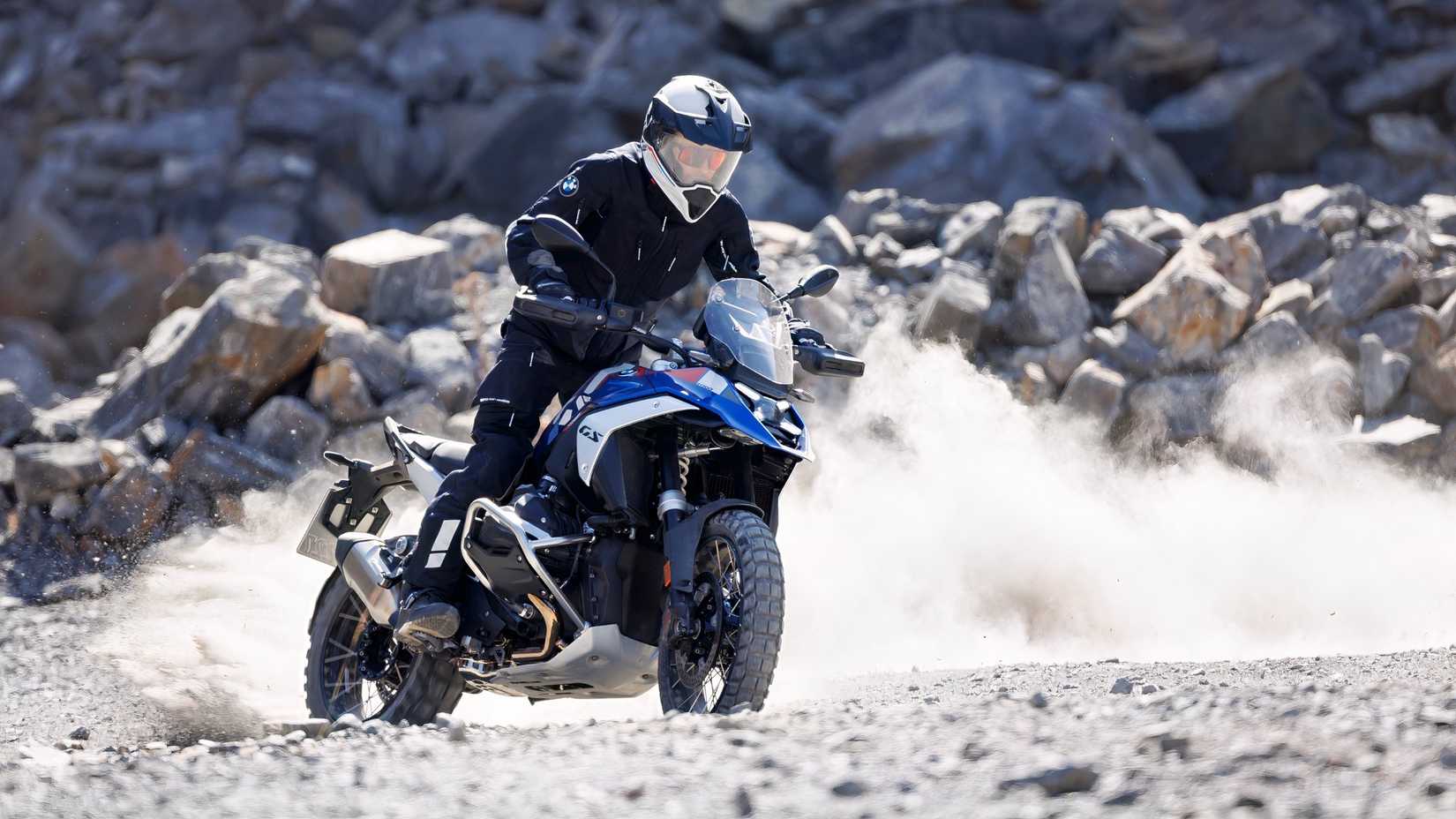
The 2026 unit makes 145 horsepower at 7,750 rpm and 110 lb-ft at 6,500 rpm, with ShiftCam variable valve timing filling in the low and midrange. That tractable bottom end keeps your feet on the pegs where a stall means steering a loaded bike backwards down a grade, and it pays off again on the commute, zipping through stop-and-go traffic in a tall gear without constantly slipping the clutch.
A frame built around the body and riding position
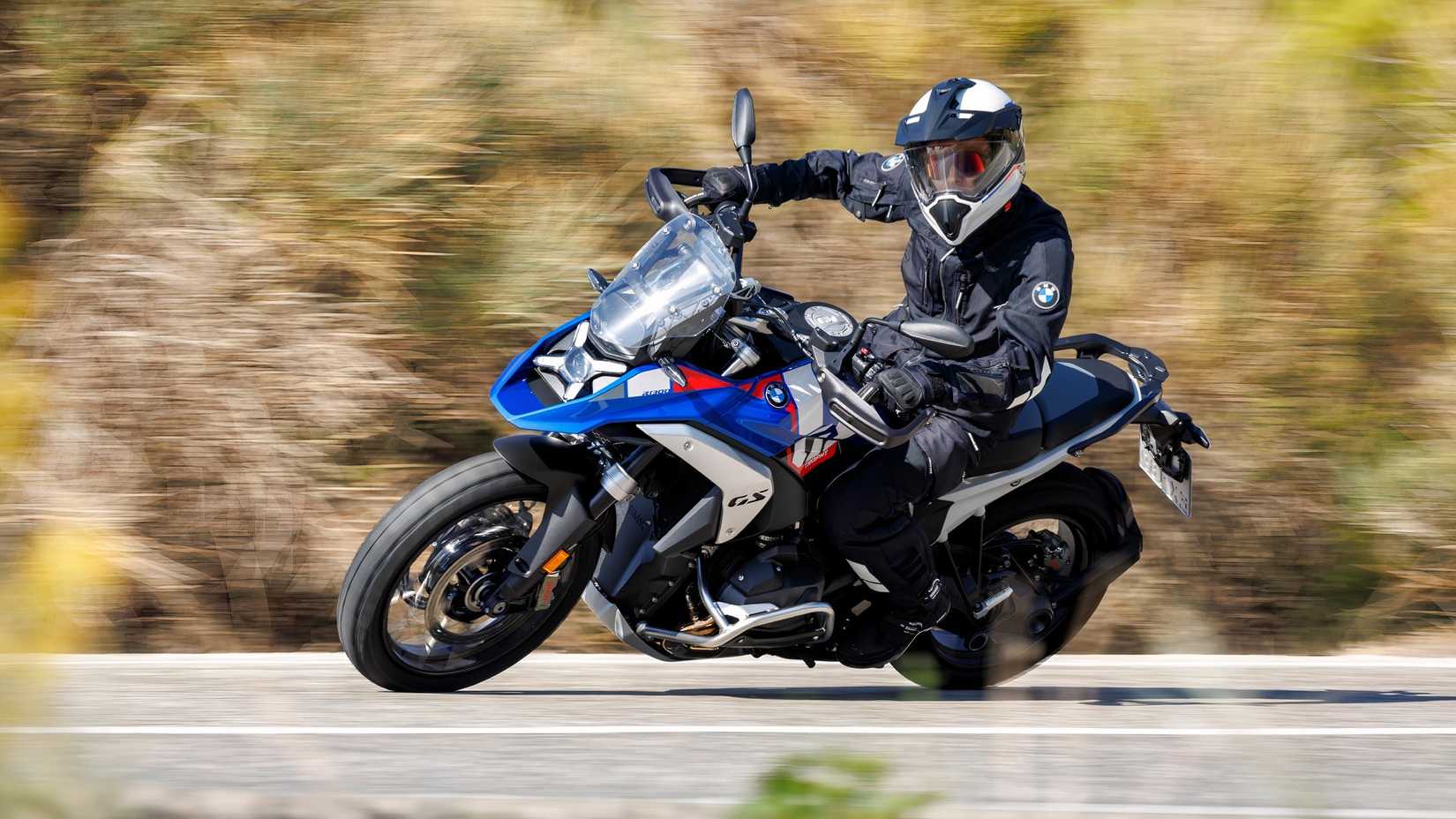
The two-part frame combines a main section with a bolt-on rear subframe and uses the engine as a load-bearing member, helping engineers trim mass and shave off weight. Seat height ranges from 31.5 to 35 inches on the standard perch, so a five-foot-seven rider and a six-foot-three rider can each get a boot flat at a stop, and that range is the difference between confidence and fear in tricky terrain.
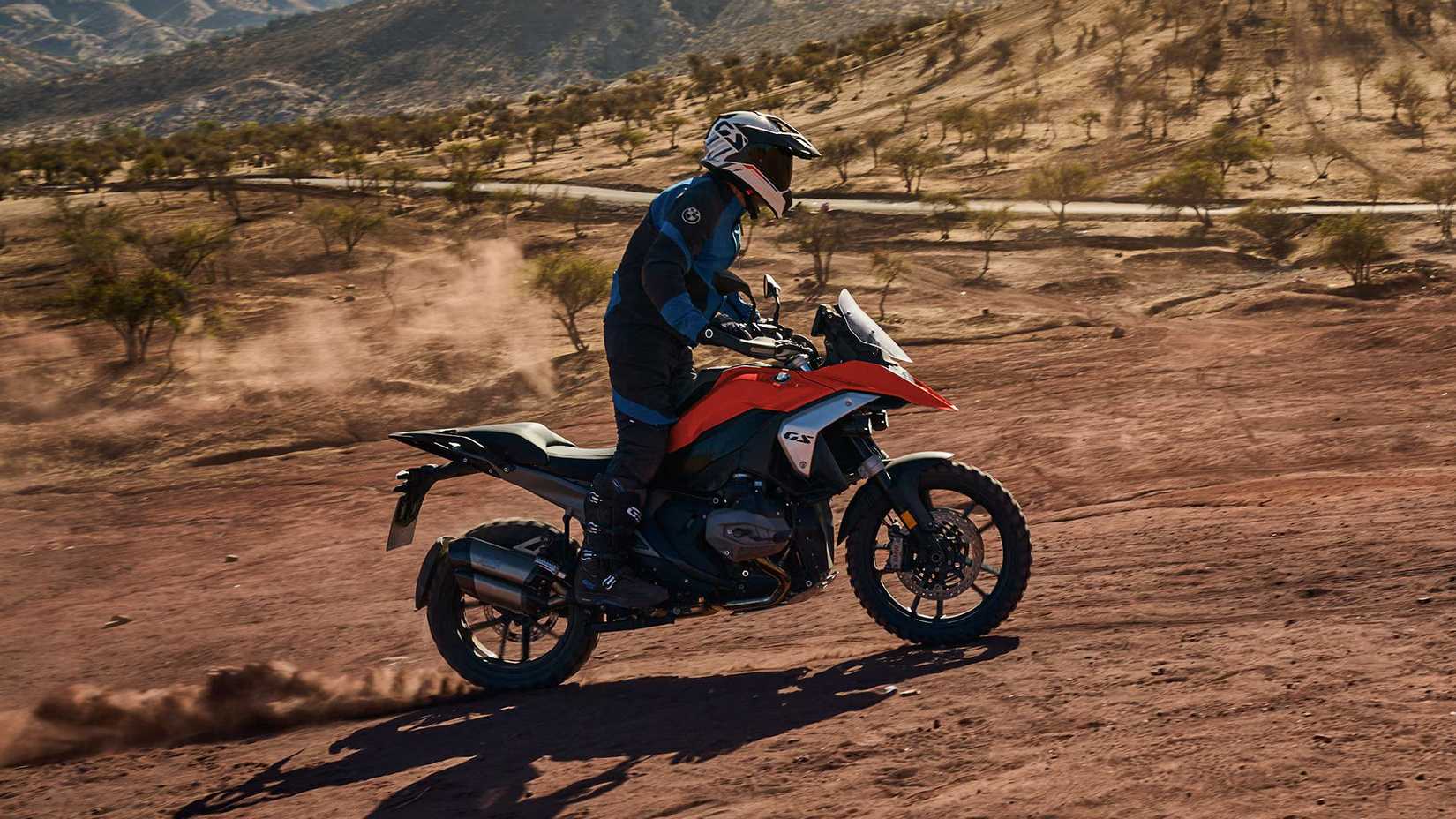
The EVO-Telelever isolates the front end braking force from the suspension stroke, so the nose stays quiet during hard braking rather than diving and pushing the weight forward. Stand on pegs through a rocky section, and the riding triangle places the bars at a natural reach, so the rider moves the weight to the back without leaning over. And none of this is about going fast, yet it’s all about arriving with something left in the tank, and riders who understand this will rarely, if ever, abandon their GS.
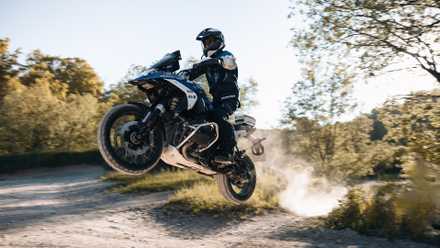
13 adventure bike owners rarely trade in
From the Honda CRF300L Rally to the BMW R 1300 GS, these ADVs are reliable, fun, and built to last
Adaptive suspension and low speed help you tire less
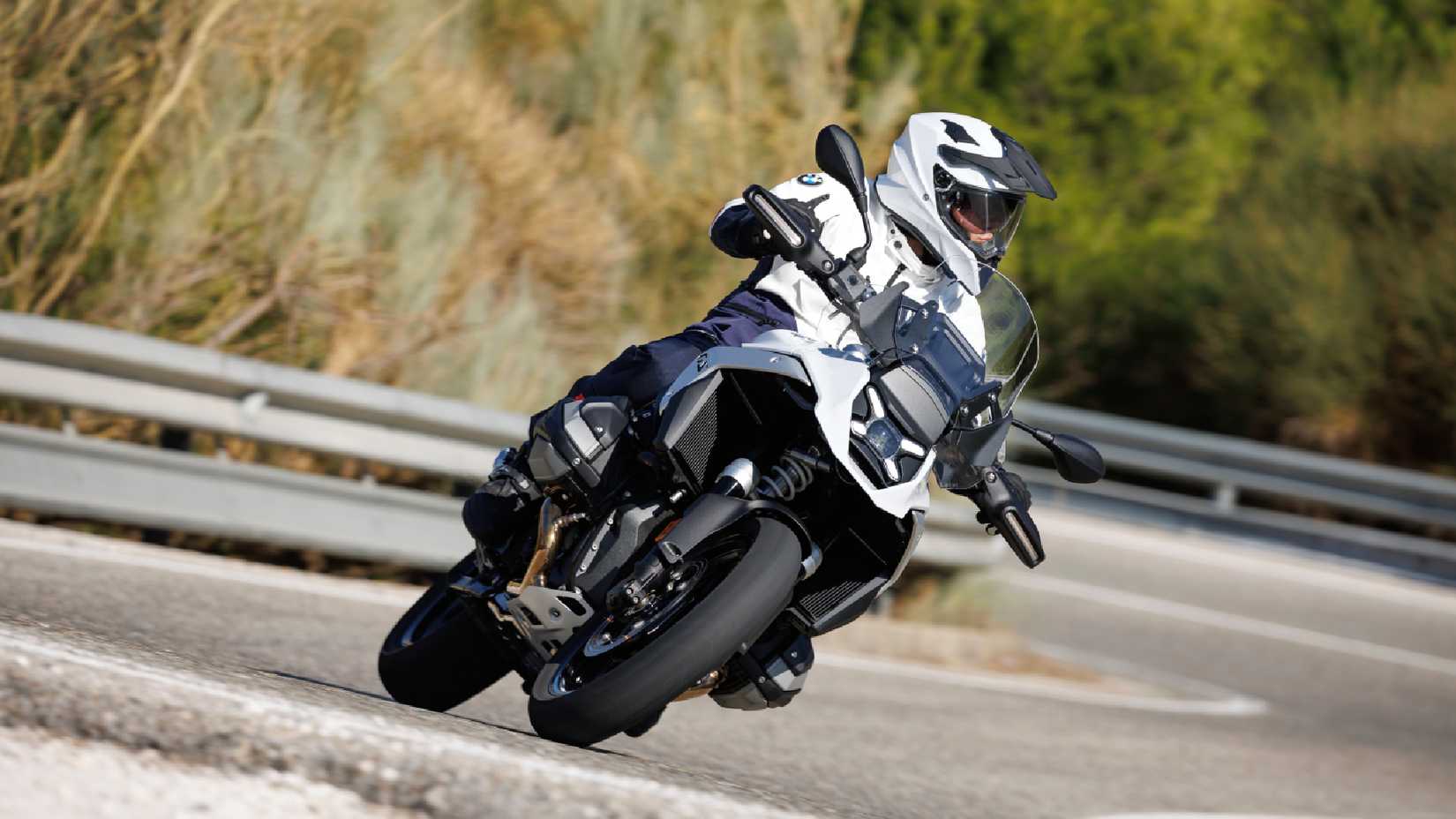
The only feature on the top-dog GS that does the most work for a rider is actually hidden in the options list, and worth every penny for the up charge. Adaptive Vehicle Height Control drops the bike when it comes to a stop, lowers the seat, then raises it again at speed so nothing is lost in ground clearance. Optional DSA electronic suspension has been added to it.
It analyzes load and surface on the fly and adjusts damping and spring rates to match, which lets the GS handle its 502-pound payload without sag or wallowing when a passenger and a pair of loaded panniers climb along for the ride. Load it heavily and the steering remains precise, the headlights pointed in the right place, so the rider keeps thinking about the route ahead.
Electronics that reduce rather than add effort
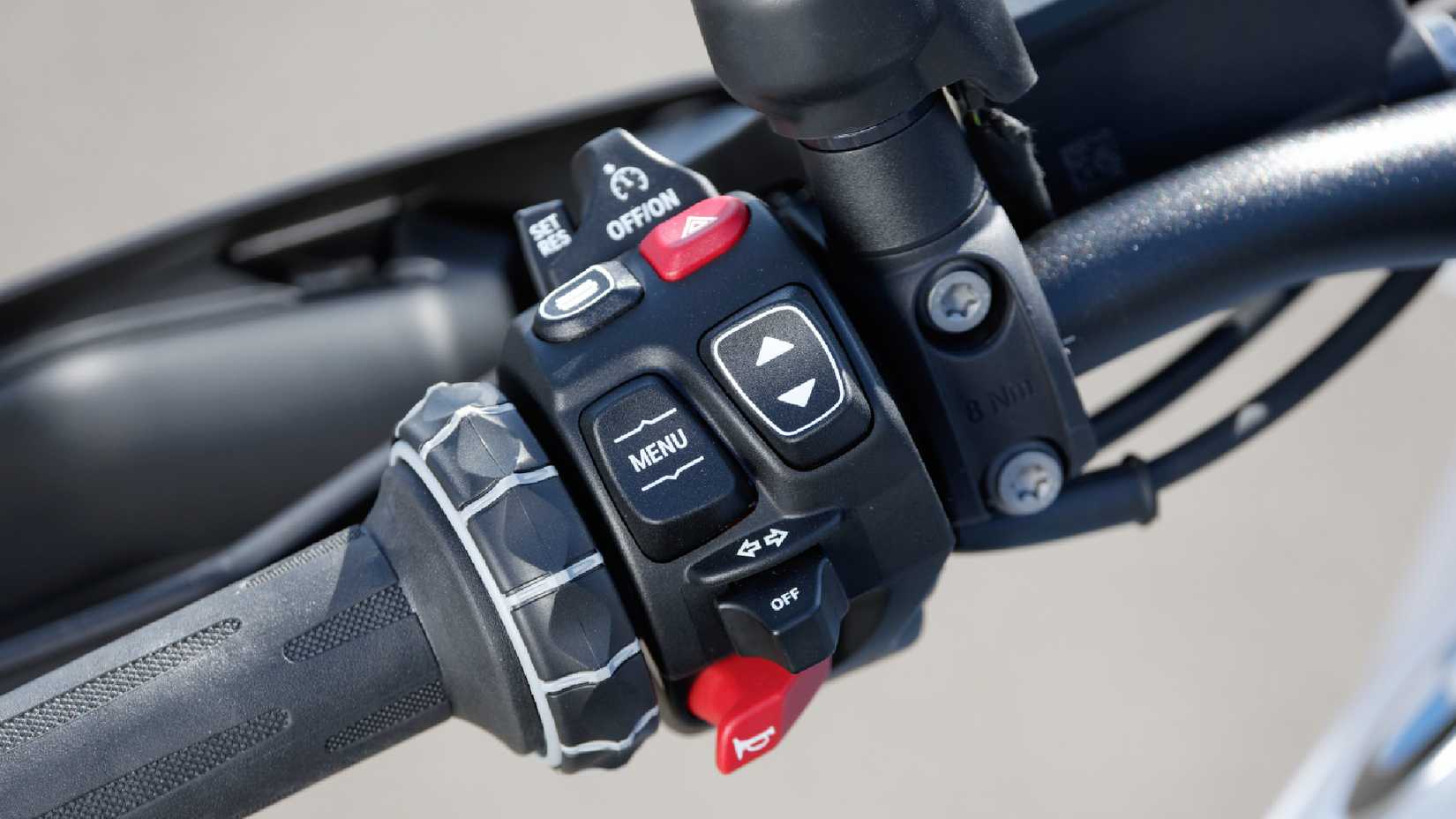
The standard electronics suite is designed to make decisions as per the rider’s wishes. Hill Start Control keeps the brakes on a grade so loaded uphill restarts never become a balancing act, Dynamic Cruise Control, with braking function, manages long descents without the rider applying the brakes, Active Cruise Control automates highway cruising as the GS maintains a safe distance from the vehicle in front, and lean-sensitive Full Integral ABS Pro on a stunning patch of gravel mid-corner Covers the nervous brake grab. For the rider who doesn’t want to think about gears at all, the optional Honda-inspired Automated Shift Assistant acts as the clutch and shifts completely automatically.
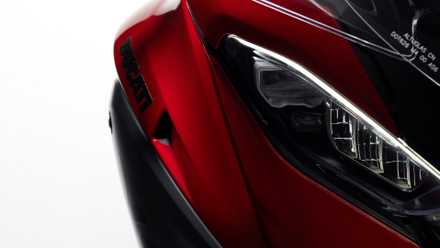
Smart Rider option for BMW GS
Ducati’s electronics suite, which includes radar-based features like adaptive cruise control and blind spot detection, sets it apart from rivals.
BMW R 1300 GS against rivals
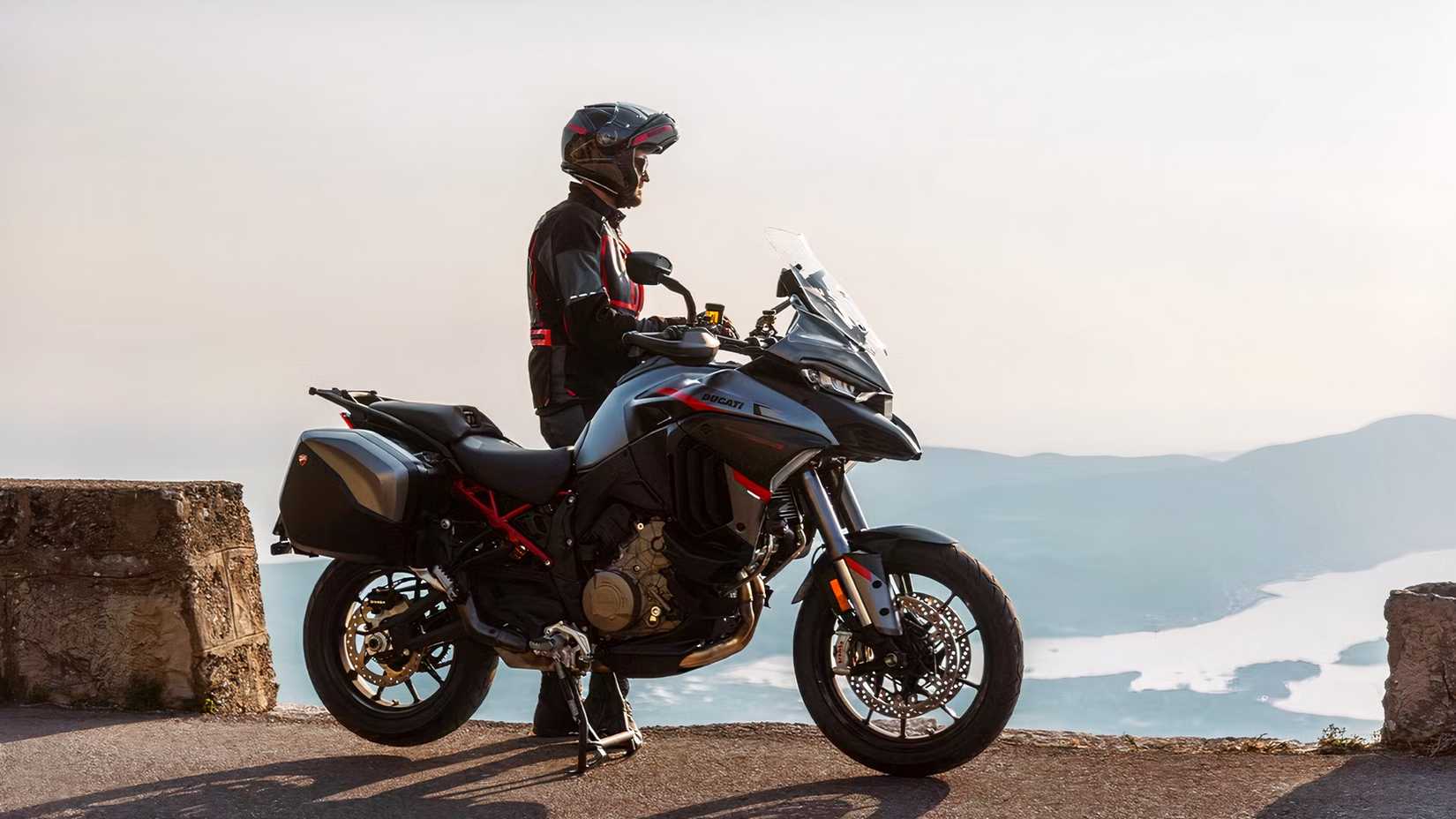
Price the GS against its rivals on base trims, and it doesn’t win out on the price tag, as it was never a cheap option. The Ducati Multistrada V4 actually costs $19,995 versus the GS’s $20,395, and its 1,158cc V4 makes 170 horsepower versus the Boxer’s 145. That base Ducati doesn’t give you shaft drive, so there’s a chainring to clean and adjust, and height control, adaptive suspension, and automatic shifting options that all sit further down the Ducati’s range. The more expensive S and Rallye trims.
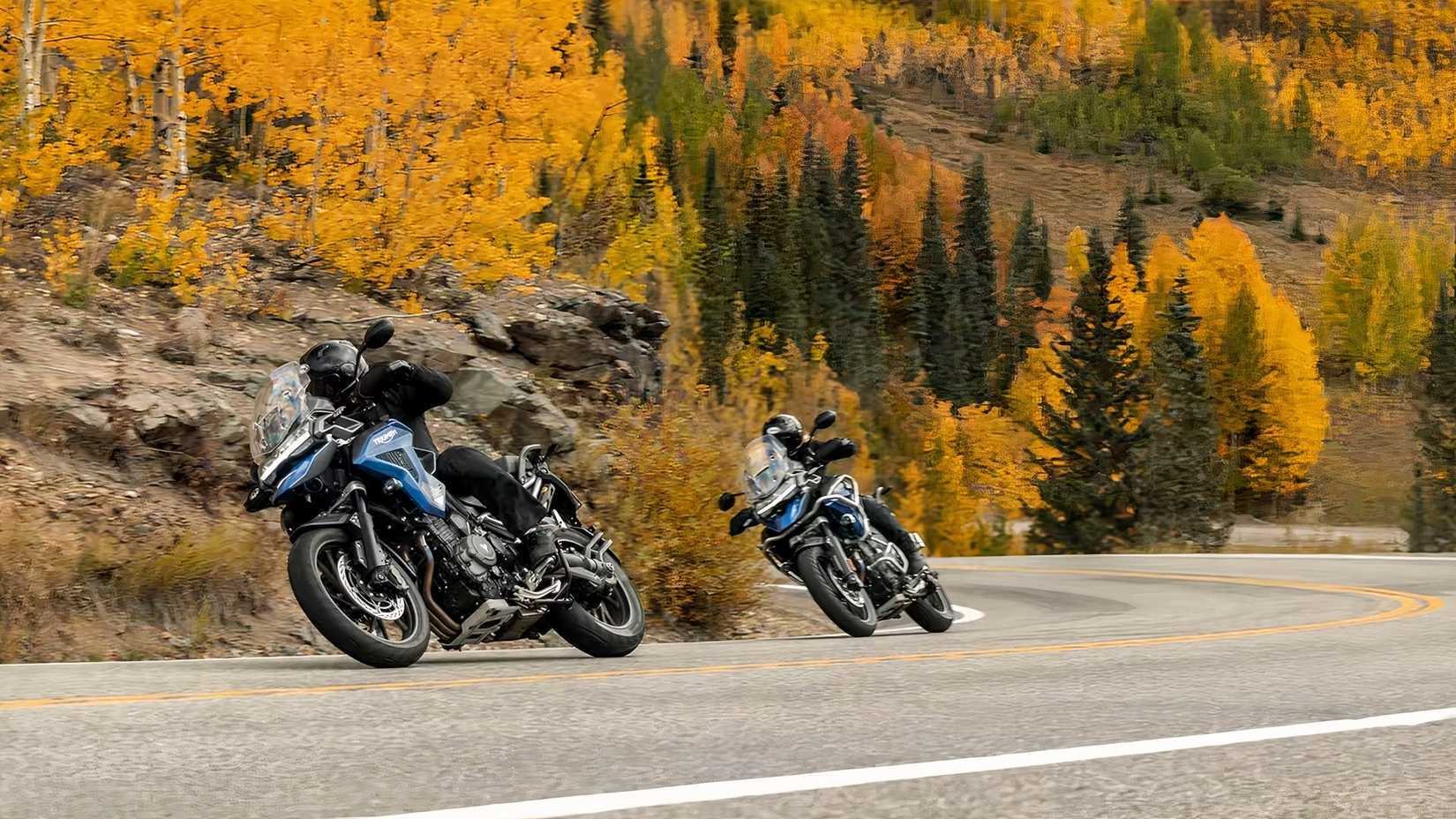
Triumph’s Tiger 1200 GT Pro is available for $22,095 with a charismatic 147-horsepower triple, shaft drive, and Shoei suspension that lowers to a standstill like the GS, making it the closest match. Both are excellent, and either will take the rider around the world. But the GS remains the benchmark because it does rider-effort math better than anything at the price, combining shaft drive and payload benefits with a plethora of optional assistance hardware, and the 2026 revisions only sharpen that edge.
Source: BMW Motorrad