I have a confession to make. The last time I strapped a Fitbit to my wrist, it had a tiny, grainy LCD screen that did little more than tell the time, count my steps, and passively judge me for sitting on the couch for four hours straight. Back then, fitness trackers were essentially glorified pedometers wrapped in rubber.
Fast forward to today, and the all-new Google Fitbit Edge has landed on my tiny very unmasculine wrist, and the leap forward is genuinely breathtaking.
Now that Fitbit has been fully absorbed into the Google ecosystem, the Edge isn’t just counting how many times you walk to the kitchen for snacks. It is packing clinical-grade sleep analysis, an on-wrist ECG, turn-by-turn Google Maps, and an AI health coach powered by Gemini, all tucked inside a band so slim you barely feel it. At $269 AUD, it sits in an intriguing middle ground between basic budget bands and bulky, expensive smartwatches.
Article continues after this ad
Advertisement
So, does it actually earn a permanent spot on your wrist, or is it just another screen vying for your attention?
Why the Fitbit Edge Exists: A New Chapter for Fitbit
Wearable tech has forced everyday buyers into an awkward compromise. On one side, you had sleek fitness bands that lasted a week on a single charge but offered fairly basic health insights and clunky interfaces. On the other side, you had full-blown smartwatches like the Apple Watch or Pixel Watch which are brilliant mini-computers on your wrist that leave you scrambling for a charger every single night.
The Fitbit Edge kills that compromise. It represents Google’s most advanced dedicated fitness tracker to date, built around the completely unified Google Health app (which works across both Android and iOS). Rather than trying to replace your smartphone, Google designed the Edge to be an effortless, 24/7 health companion. It is for people who want serious, actionable wellness data and a few genuinely useful smart conveniences, without the daily battery anxiety or the feeling of wearing a small dinner plate on their wrist.
Design and Comfort: Blink and You Will Forget It Is There
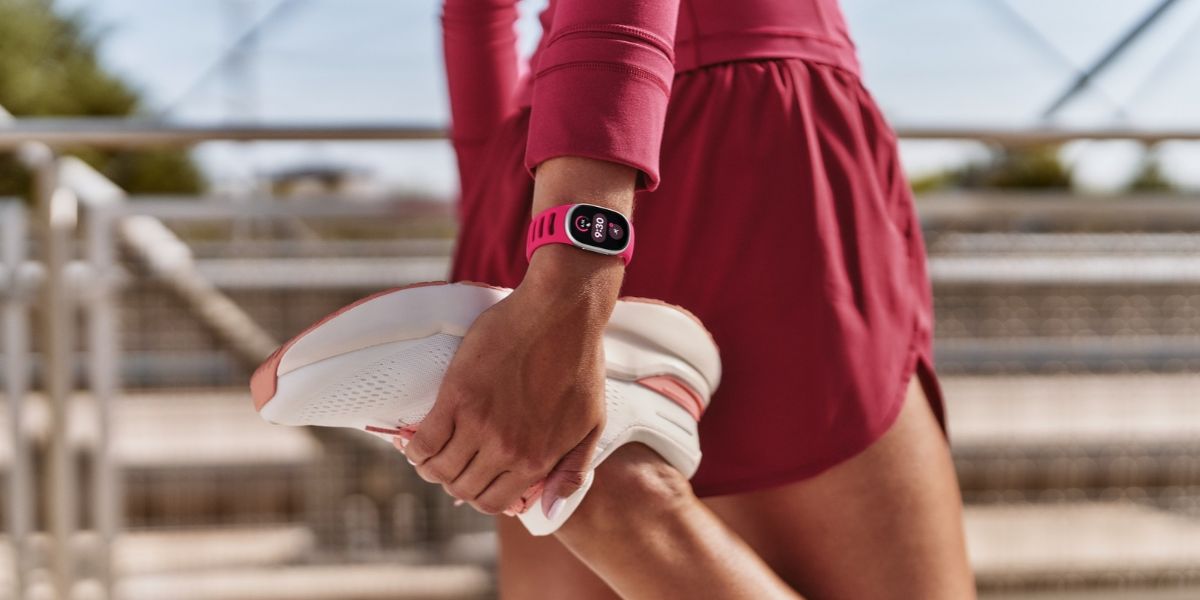
The first thing you notice about the Fitbit Edge is how absurdly comfortable it is. Measuring just 11.5mm thin and available in four understated finishes (Obsidian, Fog, Olive, and Canyon) it glides under shirt cuffs and never catches on your pillow at night. This is great for me as I can’t stand a bulky timepiece, this feels like a cross between a watch and a wrist band and I’m here for it.
Google has also introduced a clever “pebble-swap” housing. Instead of fiddling with microscopic pins that inevitably ping across the room never to be seen again, you simply pop the core tracker out of one band and click it into another. In seconds, it shifts from a sweat-proof workout band to a sleek magnetic strap or even a dressy Metal Links bracelet. It is a small mechanical touch, yet it completely changes how often you actually want to wear the thing. You no longer have to choose between tracking your evening steps and looking presentable at dinner.
Navigating the modernised on-device interface is very simple. Swipe left or right to flick through customisable Tiles (like heart rate, weather, timers, or sleep), swipe down for Quick Settings, swipe up for phone notifications, and press the single side button to open your apps or jump back to the clock. You can even store up to six watch faces directly on the tracker and swap them with a quick long press.
How It Works:
Where the Fitbit Edge separates itself from the trackers of yesteryear is under the hood of the device. It is packed with features that quietly change the way you approach daily health and work routines.
Automatic Activity Tracking That Pays Attention
We have all forgotten to hit “start” on a workout (seriously I don’t remember the last time I actually remembered) and for some reason in my brain unlogged exercise feels like it never legally happened. I’ll be busy getting the dog ready for a walk, dragging it out the door and am half way through before I think… all that work gone to waste. That’s life with a Golden Retriever for you.
But Google has rolled out a completely rebuilt Automatic Activity Tracking system on the Edge. Using a new on-device model combined with contextual reasoning, it automatically recognises up to 100 different activities, from running, cycling, and rowing to strength training, swimming, golf, and racket sports like tennis and padel.
In Google’s testing, it is nearly twice as accurate as the previous system and cuts missed workouts in half. Within about 30 minutes of finishing up, you get a tidy notification asking you to confirm the session, and every time you confirm or tweak it, the tracker learns your habits better. Mine has already learnt how forgetful I am and gives me a quiet nudge.
If you prefer manual tracking, there are over 50 exercise modes with built-in precision GPS, plus the ability to broadcast your live heart rateills and spin bikes
https://www.instagram.com/reel/DfIHxKHzV7D/
Sleep Tracking and Silent Mornings
Because the Edge is so light, you will actually keep it on overnight, which unlocks its best tricks. Google’s updated sleep algorithm is 15% more accurate than its predecessor, validated against clinical gold standards. The redesigned Sleep Score breaks down exactly why you feel great (or dreadful) in the morning, introducing a new “Restlessness” metric that separates brief tossing and turning from full wake-ups.
Paired with a dedicated skin temperature sensor, heart rate variability (HRV), and SpO2 monitoring, it builds a daily Readiness picture that tells you whether to push hard at the gym or take a breather. My personal favourite lifestyle upgrade though is the Smart Wake silent alarms. The Edge gently vibrates on your wrist during a light sleep phase up to 30 minutes before your set alarm time. You wake up far less groggy, and your partner gets to keep sleeping without being startled by a blaring phone siren. As someone who generally goes to bed late and wakes up early this is super handy.
Health Guardian and the Gemini-Powered Coach
On the serious health front, the Health Guardian suite runs silently in the background. Out of the box, everyone gets an on-wrist ECG (simply rest your thumb and index finger on the metal sides for 30 seconds to check for signs of atrial fibrillation), continuous heart rate monitoring, and high/low or irregular heart rhythm alerts.
Step up to Google Health Premium, (three months are included in the box) and you unlock two headline wellness tools: passive Blood Pressure trends and Insulin Resistance trends. These aren’t medical diagnostic tools and won’t replace a good doctor or a proper blood pressure test, but they do a decent job of monitoring subtle, long-term patterns in your pulse and recovery to give you an early push to the medical experts if your body is a bit off.
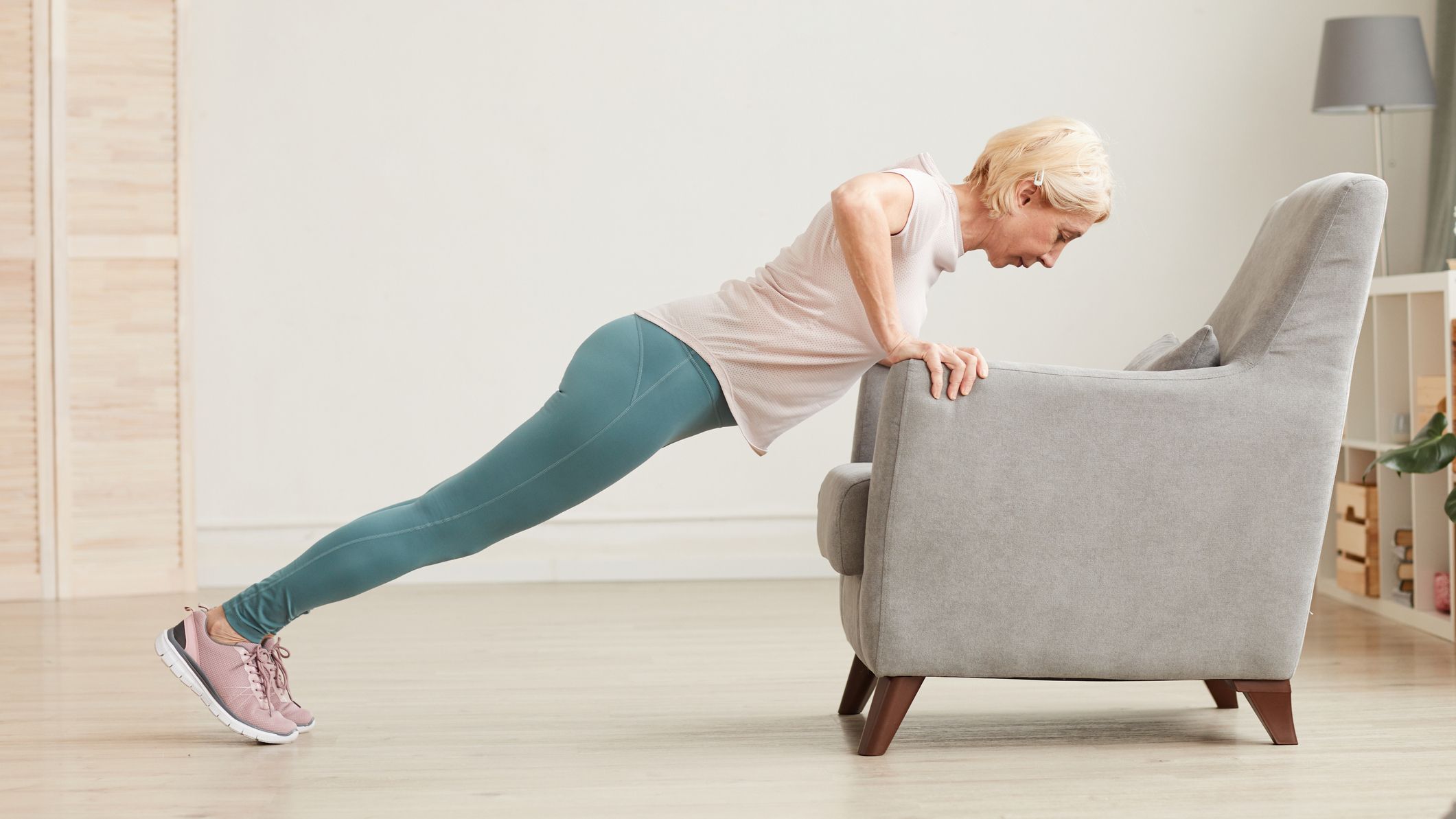
Then there is the Google Health Coach, built with Gemini. Instead of dumping confusing graphs in your lap and wishing you luck, you can chat with the coach like a human. Stuck in a hotel room on a work trip? Ask it for a 15-minute bodyweight upper-body circuit, and it builds one on the spot and streams the live stats straight from your wrist. Too busy to type out your lunch or gym routine? Snap a photo of your meal or the gym whiteboard, and the coach logs it for you.
Everyday Smarts Without the Distraction
While it isn’t a full smartwatch by some peoples standards, the Edge nails the daily essentials and too be fair is more that most users would need. You get turn-by-turn Google Maps right on your wrist (handy when walking through an unfamiliar city), universal Media Controls for whatever podcast or playlist is running on your phone, and mirrored notifications so you can glance at a message during a meeting without rudely pulling out your phone. Even better, if you already own a Pixel Watch, you can pair both to the Google Health app and swap between them, the app automatically merges your data into one seamless timeline. It’s a great ecosystem that I’m liking more and more each day.
What It Does Well, and Where It Falls Short
No piece of tech is flawless, and the Fitbit Edge has a few quirks worth knowing before you hand over your card.
- 7-Day Battery Life: Going a full week without hunting for a charging cable is liberating. When it finally does run low, a five-minute top-up gives you a full day of power, and a complete charge takes about 90 minutes.
- Cross-Platform Freedom: Unlike many rivals, the Edge plays nicely with both Android and iOS, and can even write your data straight into Apple Health.
- Unmatched Comfort: It is genuinely the easiest tracker to wear 24 hours a day.
- The Subscription Tax: While core tracking, ECG, and heart alerts are free, the juiciest features, Google Health Coach, Blood Pressure trends, and Insulin Resistance trends, sit behind the Google Health Premium paywall ($9.99 per month after your three-month trial, unless you already subscribe to Google AI Pro or Ultra).
- Android Gets Extra Love: Features like Quick Replies to text messages and location-enhanced automatic workout detection are currently Android-only. iPhone users still get a great experience, just slightly trimmed down.
How It Stacks Up Against the Competition
At $269 AUD, the Fitbit Edge enters a over populated field, but still manages to carve out a surprisingly distinct offering.
If you are strictly watching your budget, the Samsung Galaxy Fit3 ($149 AUD) offers a bright screen and nearly two weeks of battery life. However, it skips built-in GPS, lacks advanced tools like an ECG, and refuses to work with iPhones at all.
The Garmin Vivosmart 5 (typically $210 to $249 AUD) is another comfortable, seven-day rival with solid recovery tracking, but it also relies on your phone for GPS and feels noticeably dated next to the Edge’s crisp colour display, Google Maps navigation, and conversational AI coaching.
Even within Fitbit’s own stable, the older Fitbit Charge 6 can now be found on sale around $119 to $129 AUD. It remains a great budget buy, yet the Edge feels like a full generational leap in comfort, automatic workout accuracy, and sleep science. Meanwhile, full smartwatches like the Apple Watch SE 3 or Samsung Galaxy Watch 8 offer deeper app ecosystems and voice calls, but they ask you to sacrifice multi-day battery life and sleep comfort.
The Verdict: Did I Enjoy It, and Should You Buy One?
Spending time with the Fitbit Edge completely changed my mind about dedicated fitness trackers. I genuinely loved wearing it. It gave me the kind of rich, proactive health insights I used to think required a bulky $600 smartwatch, while letting me forget it was even on my wrist for seven days at a time. Waking up to a silent wrist vibration, having my workouts logged without lifting a finger, and glancing at Google Maps directions on a walk made everyday life just a little smoother.
Yes, the ongoing subscription cost for Google Health Premium will annoy anyone allergic to monthly fees, and iPhone users miss a couple of minor perks. Even with those caveats, the hardware, battery life, and sheer comfort make the Google Fitbit Edge an easy standout.
Final Verdict: Highly Recommended. If you want serious health tracking, brilliant sleep insights, and a week of battery life without strapping a mini-smartphone to your arm, the Fitbit Edge is the best balance of lifestyle and tech on the market right now.