A sleeping pad repair expert explains how you can fix a moldy mat – and when not to.
(Photo: MystockImages via Getty Images)
Published on July 27, 2026 06:05 am
A few weeks ago I was unpacking my sleeping bag by a sparkling alpine lake when I realized I’d made a huge mistake. The weekend before, I camped along the beach in Washington’s Olympic National Park, where clouds of mist rolled in from the ocean and hung over our site for hours. In my post-trip fatigue, I left my sleeping pad wrapped in its sack until, a week later, I put it in my pack for the next adventure.
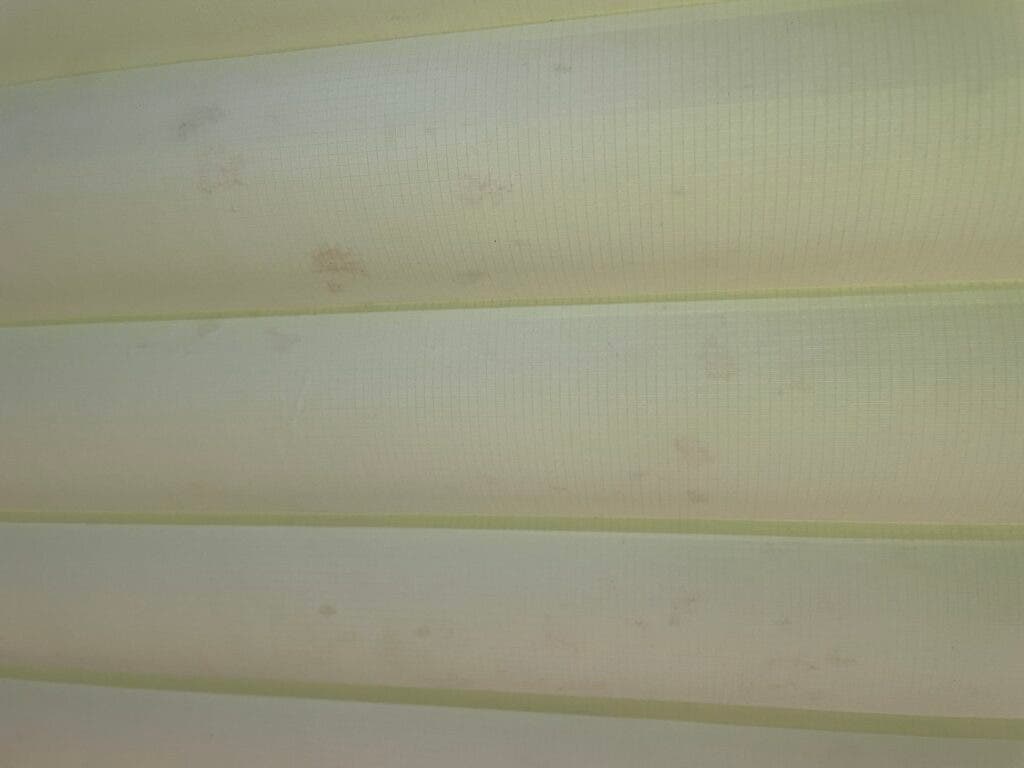
At the lakeshore, my mistake became immediately apparent: spots of orange mildew bloomed inside the pad. I kicked myself and made sure to properly air out all my gear when I returned home.
From reviving clogged filters to fixing punctures, I’ve repaired my fair share of backpacking gear. But I never faced mold inside the sleeping pad. The Internet is full of tips ranging from filling your pad with a bleach solution to leaving it out in the sun. To make sure I treated my pads correctly, I reached out to Xped’s warranty repair specialist, Sarah Wordsworth.
Mold is a type of fungus that grows on flat surfaces in warm, wet environments. It is very common with camping gear to get wet and removed. To clean mildew off the outside of your mat, Wordsworth suggests using a Enzymatic Cleaner Like those made for wetsuits. This will kill the mold without damaging the material of your pad. Wordsworth cautions against cleaning your sleeping pad with bleach, which can break down the fabric, even when diluted. Diluted white vinegar is safer and can kill mildew, but like other cleaning agents, it should only be used on the outside of your pads.
“You can’t really put anything in your mat, because then you’re just adding moisture somewhere, which will make it harder to get out,” she says.
I asked her if leaving your pads in direct sunlight could help kill the mildew without introducing moisture. Wordsworth says that while UV rays can be effective at killing mold and mildew, repeated and prolonged exposure can cause your pad’s material to deteriorate rapidly — and it won’t do anything to fix stains or mildew that are deeply rooted in the fabric. A better bet? Avoid allowing mold to grow in the first place.
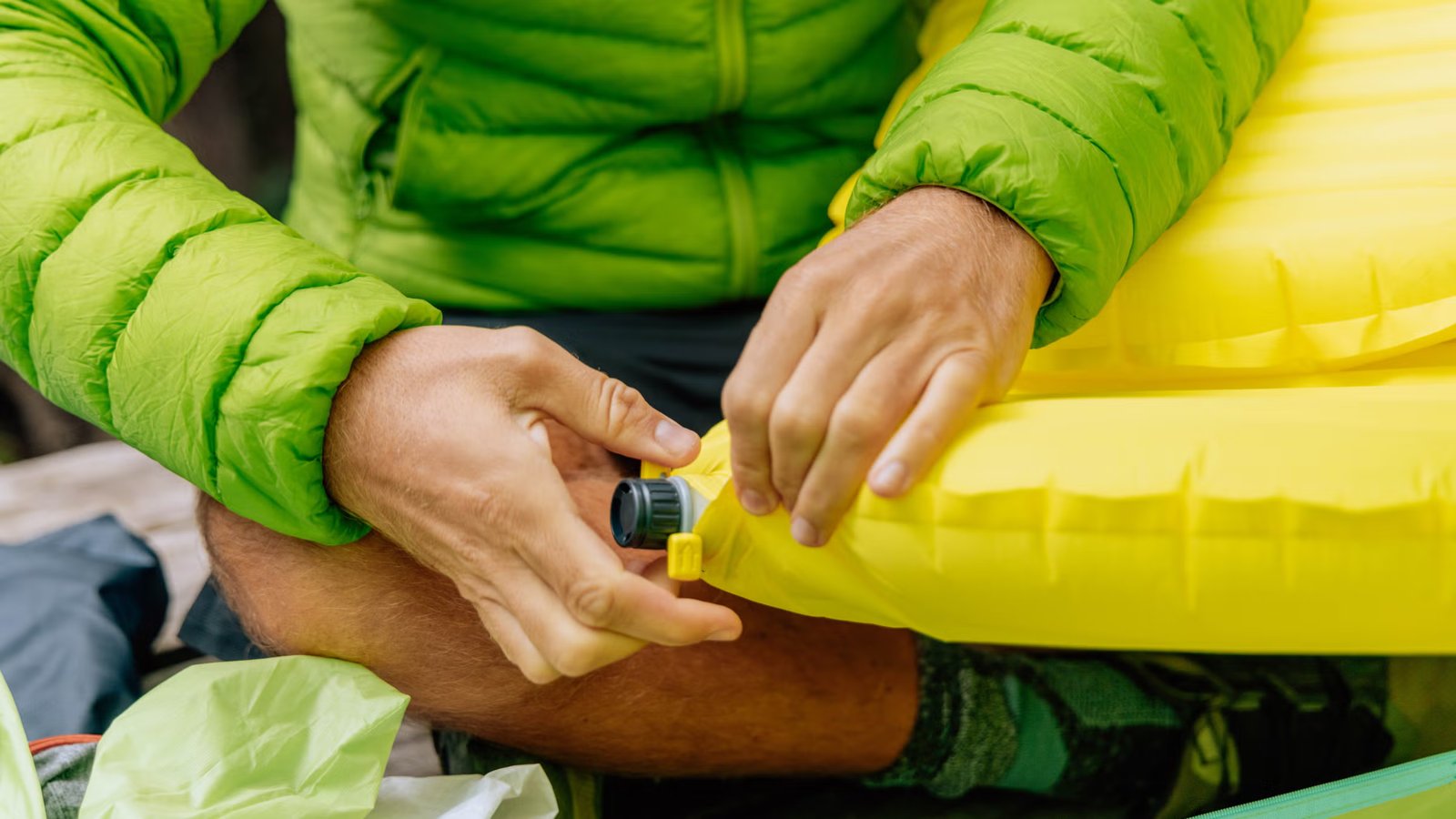
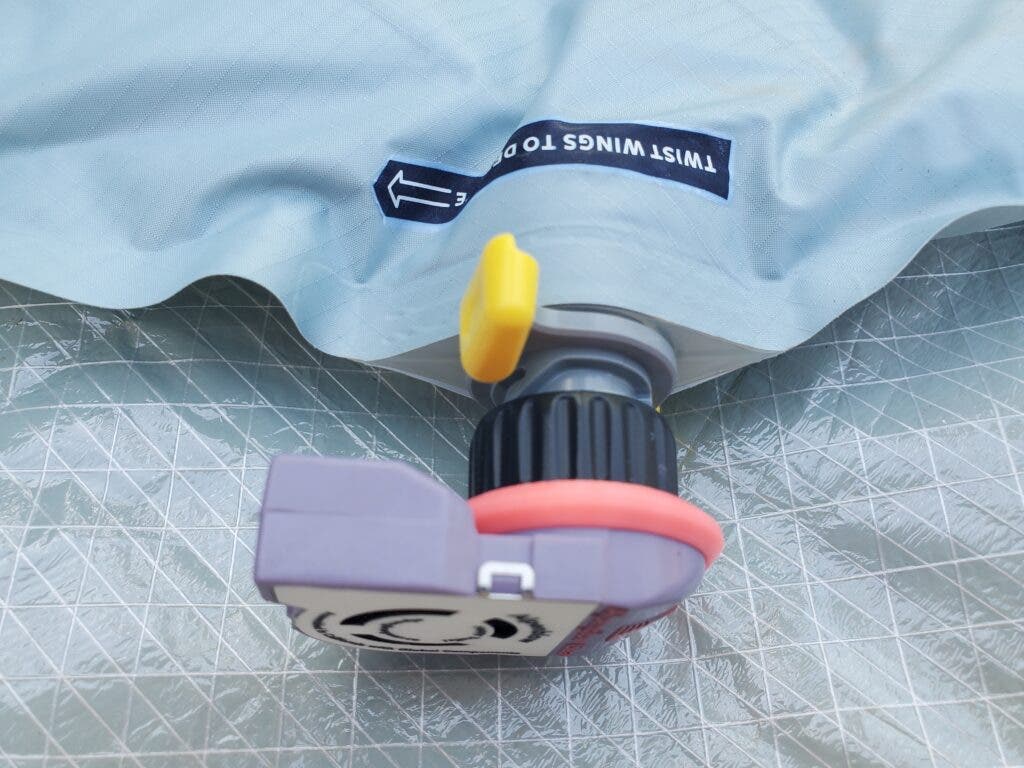
“Prevention is your best bet,” says Wordsworth. This comes in especially handy when inflating your mat. Wordsworth cautions against blowing directly into your mat to fluff it up, allowing your breath to moisten it; Instead, use an inflation sack such as Expedited Schnozel Or an electric pump like the Alpenblow Lux.
“No matter where you are, there’s humidity in our atmosphere,” she says. “So, there’s never going to be zero percent humidity anywhere, but you can do your best to not actually blow your humidity onto the mat.”
I used an inflation sack during my trip to the Olympics, but I was essentially camping in a cloud – all that moisture probably got inside my pad through the inflation sack.
Drying your mat after a trip – especially if you’ve inflated it with your breath or camped in a particularly humid or wet environment – is essential. Wordsworth suggests storing all your luggage in a dry, climate-controlled area after a trip and opening the valves of your pad. If I had remembered to do this I could have avoided the mold incident.
“What we’ll do here in the shop is hang it upside down so you can dry it,” says Wordsworth. She recommends stuffing a bit of paper towel into the valve opening to help draw out excess moisture.
Proper use of your inflation sack is important to prevent moisture from getting inside your pad. Do not blow directly into the inflation sack, as this brings moisture from your breath in the same way as inflating the pad with your lungs. Instead, shake the sack to fill it with ambient air, as shown here.
As for the mold that is already inside my pads? Wordsworth says there’s no good way for me to clean it without risking ruining it further or adding moisture to the point where it would be difficult to dry it. Exposure to mold and mildew can trigger an immune response similar to cold and flu symptoms. People with asthma, allergies or weakened immune systems may suffer more severe reactions, especially with prolonged exposure. So while Wordsworth says continuing to use mildew pads “depends on your ick factor,” Exped recommends replacement as the safest option. And no, damage caused by mold is not covered Brand Warranty (Or most others, for that matter).
This is the last time I forgot to dry my luggage after a trip.