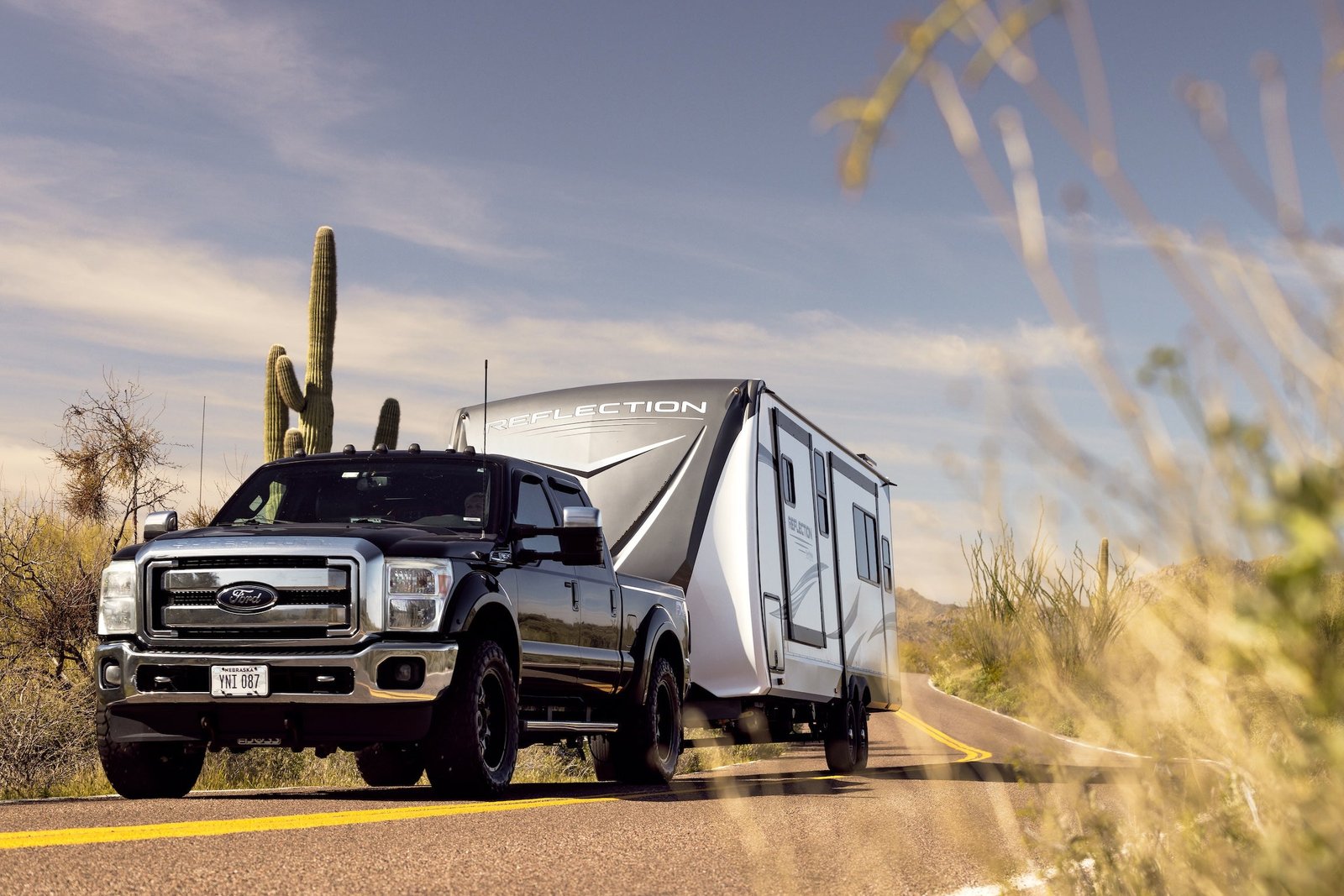
Camping in an RV gives you the freedom to go for a long weekend at a state park, go on a cross-country stretch for remote work, or spend an entire season on the road. But for anyone who needs to remain accessible while traveling, this freedom is a problem. You still need to be online. The good news is that staying connected and staying away from it all don’t have to be mutually exclusive.
A day in the life: Connectivity on the go
The thing about connectivity on the road is that your needs are constantly changing, sometimes even within the same day.
Mornings can mean finding a quiet boondocks spot, coffee in hand, sending emails before anyone else is awake. Mid-morning there’s a video call with a customer, parked at a pullout with a surprisingly solid signal. The afternoon is completely offline, going hiking or swimming, where the phone stays in the cupholder. Evening means playing some music while cooking dinner outside.
That range, from work-critical to completely unplugged, is what makes RV connectivity different from home internet. You are not maintaining a stable relationship in a fixed location. You’re threading it through an ever-changing landscape of cell towers, terrain and travel days.
Off-Grid Myth: You Don’t Have to Choose Between Remote and Connected
There is a persistent perception that going off-grid means going offline. If you want a quiet place down a dirt road, you’re missing a signal. Sometimes it’s true, there are places no technology will reach, and honestly, that can be part of the appeal.
But the choice is rarely as binary as it seems. Cellular networks have expanded significantly, and the big limiting factor is often what networks you can access from where you’re parked. A location that is dead on one network may have a solid signal on another.
These cases are common when you’re camping or on the road, and that’s when the automatic connection to the strongest available signal is so useful. Instead of searching for coverage or accepting that a location “doesn’t have service,” a multi-network device checks what’s available and connects to the best option without your input. You come, set up camp and go online. If the terrain really doesn’t allow any connection, you still won’t be able to get online, but at least you’ve given yourself the best possible shot without any extra effort.
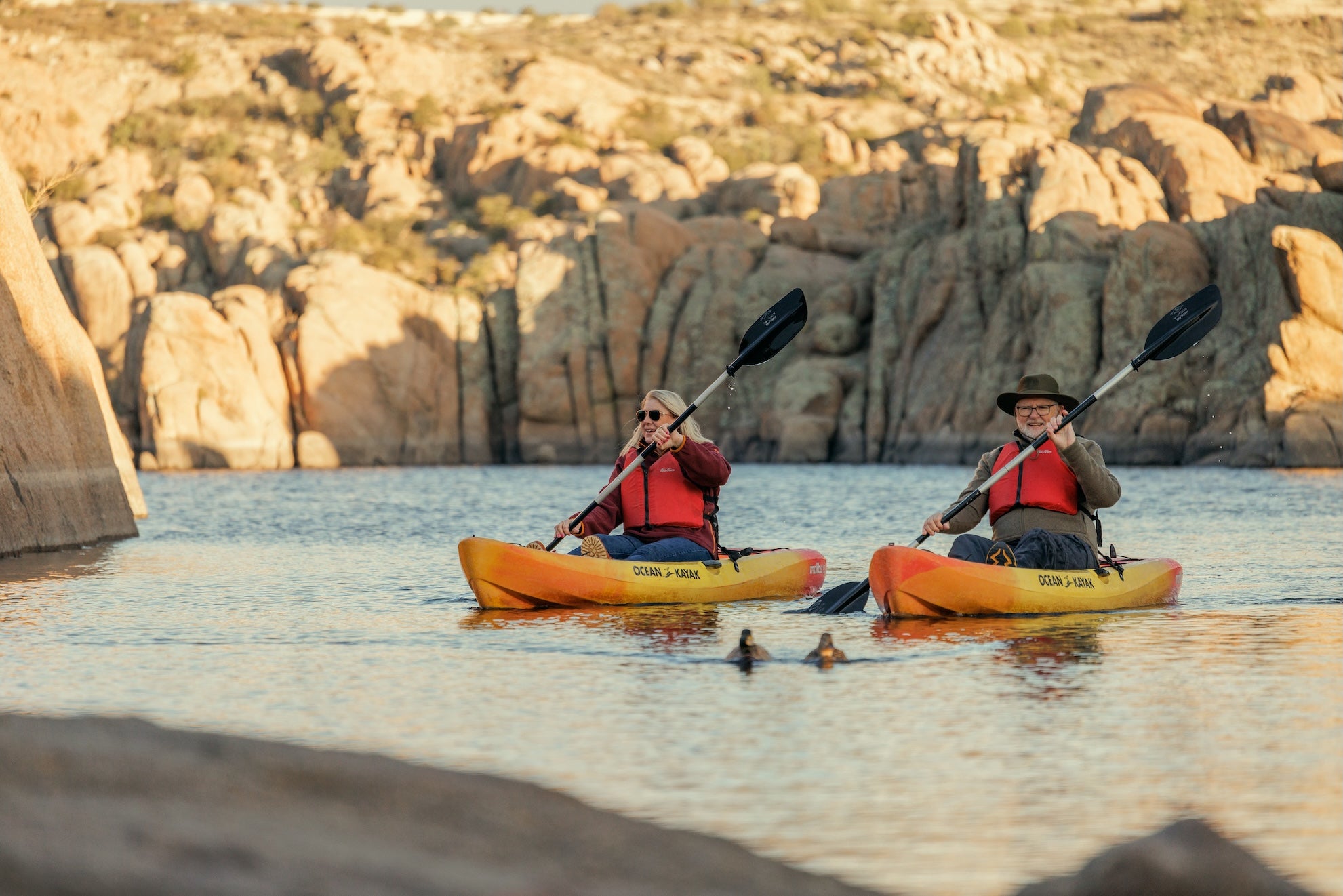
Travel doesn’t follow any schedule – your data plan shouldn’t either
Trips also often don’t follow a strict schedule, so a rigid data plan isn’t necessary for many campers. Within a few months you’re on the move every few days, working remotely and burning data like it’s a utility bill. Other months the rig is in storage, you’re back home, and the hotspot hasn’t left the cabinet for weeks. You either pay more during slow months or struggle to add more data during busy periods on the road.
Flexible, pay-as-you-go monthly plans like Travelfy solve this in the simplest way possible. You get what you need, when you need it, and you can pause the service without charge, so you’re not paying when you’re not traveling.
One tool, less hassle
There is an overall philosophy among experienced RVers about simplifying the setup of your rig. But connectivity setups often go in the opposite direction, with multiple SIM cards, redundant devices, and separate accounts for different networks.
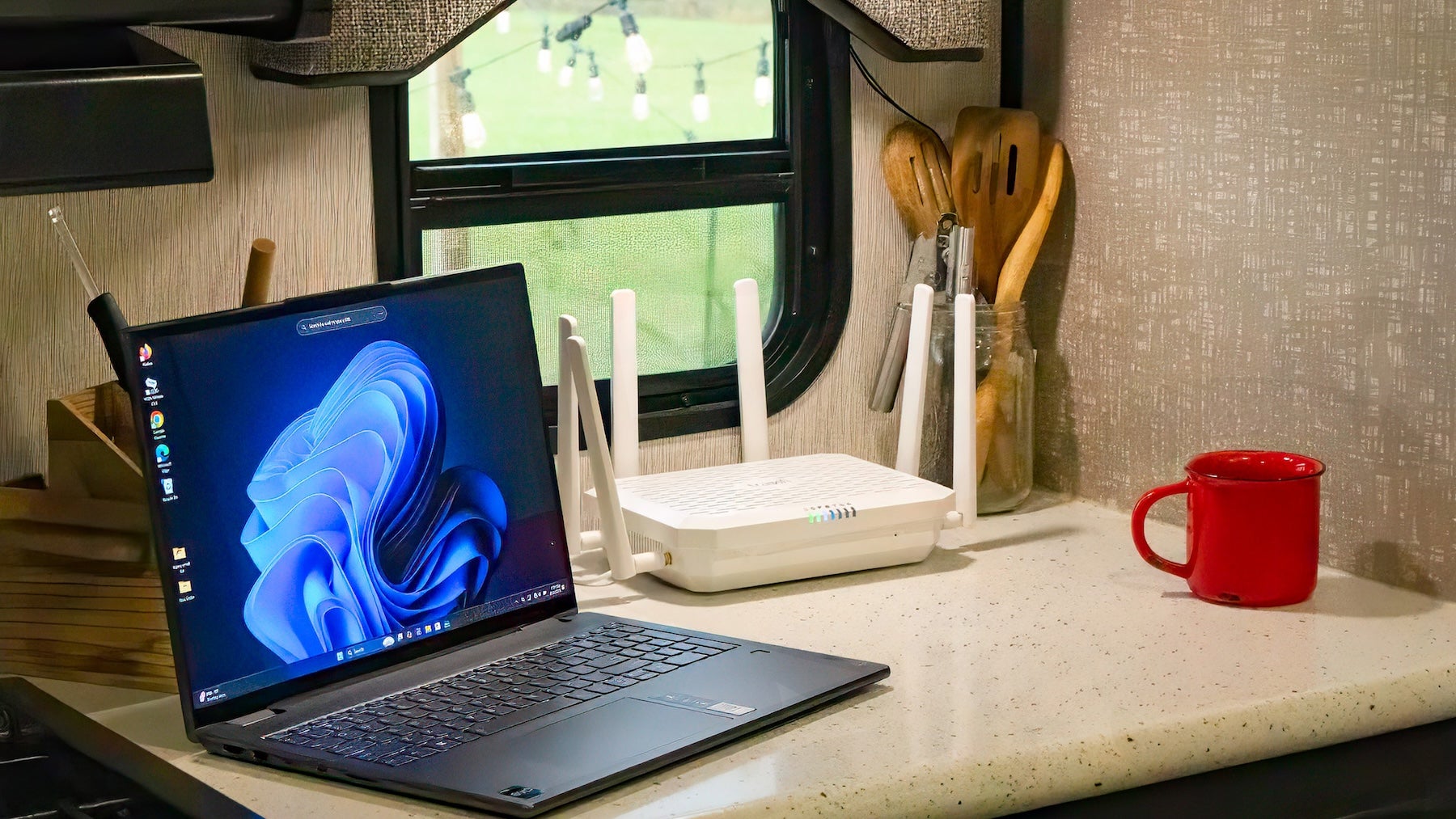
Multi-network connectivity through a single device and a single plan is the simple answer. A hotspot. An account. A bill. The device handles network switching automatically, so there’s nothing to manage on your end. This naturally fits into the “less is more” mentality that most full-timers eventually adopt.
TravlFi is built around exactly this. It’s a single device that connects to multiple networks and automatically finds the strongest signal, paired with flexible monthly plans that you can stop anytime. No contracts, no juggling, no surprises. And when something goes wrong, Travelfy’s US-based support team has real people who understand RV life and can help you sort it out, even if you’re parked far away.
Connectivity as part of the journey
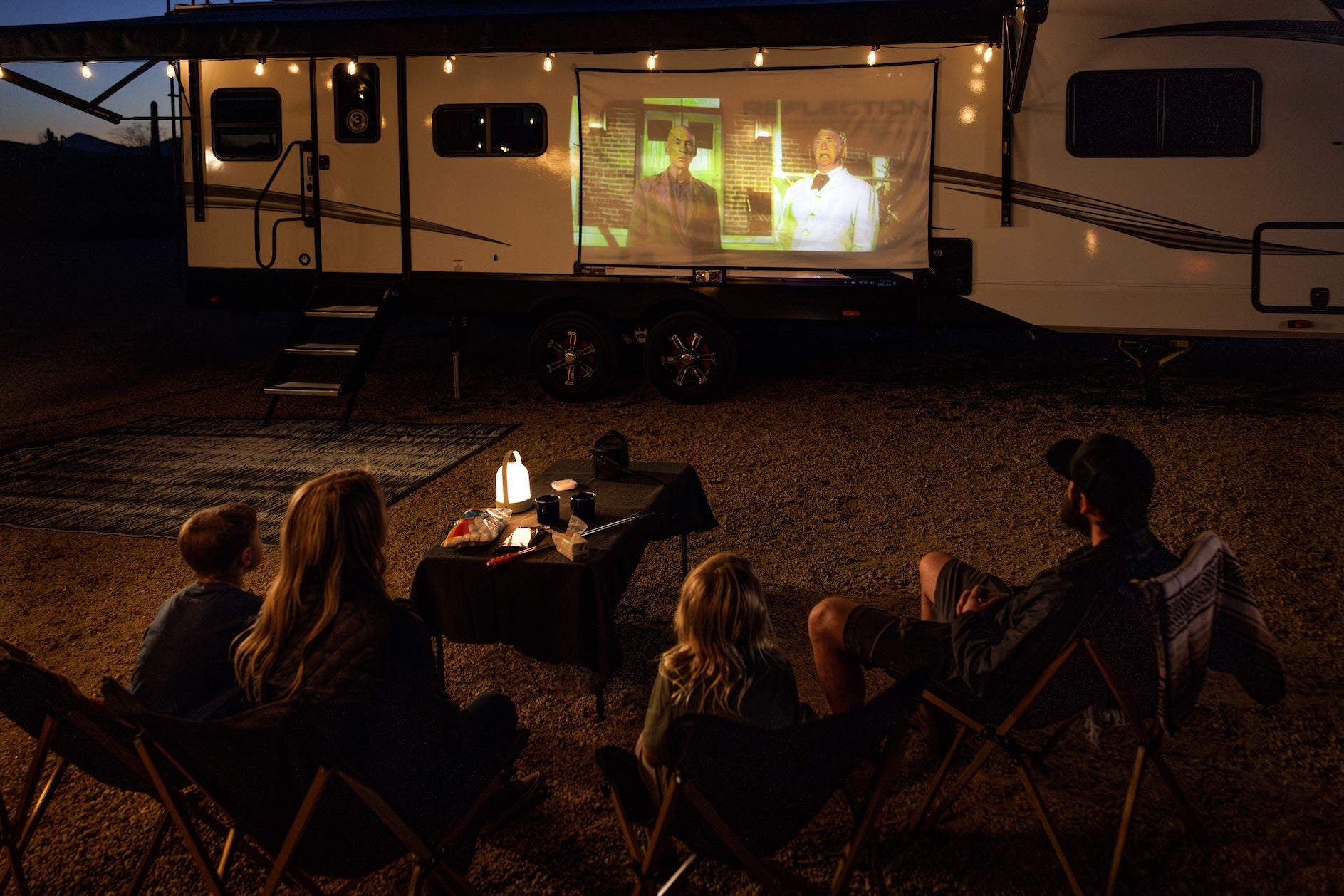
Good connectivity on the road doesn’t have to mean recreating your home setup at the campsite. It’s about doing what you need, when you need it, wherever you choose to be.
Dirt is the only camping app with all the public and private campgrounds, RV parks, and free camping locations in the United States. Download now for iOS And Android.
Popular Posts:
The Dirt Magazine articles may contain links to affiliated websites. Dyart receives an affiliate commission for any purchases made using such links at no additional cost to the consumer.