Not every cinematic work garners applause as soon as it reaches theatres. Some films spend years, even decades, waiting for audiences. this is exactly the story McCabe and Mrs. MillerRobert Altman’s 1971 haunting drama that changed the Western genre in a way few filmmakers had dared to do.
When the film first reached theaters, many audiences were shocked. Instead of the fearless gunslingers, heroic lawmen, and outspoken villains that had defined the classic Western for generations, Altman presented a bleak frontier filled with uncertainty, flawed personalities, and quiet desperation. It was such a dramatic departure from tradition that many critics and moviegoers labeled it “anti-Western”.
Commercially the film did not do much. Expectations were high, but ticket sales never reflected its artistic ambition. For years, it remained one of those films that was praised by a small group of dedicated film lovers, while the mainstream largely ignored it.
Robert Altman reimagines the American border
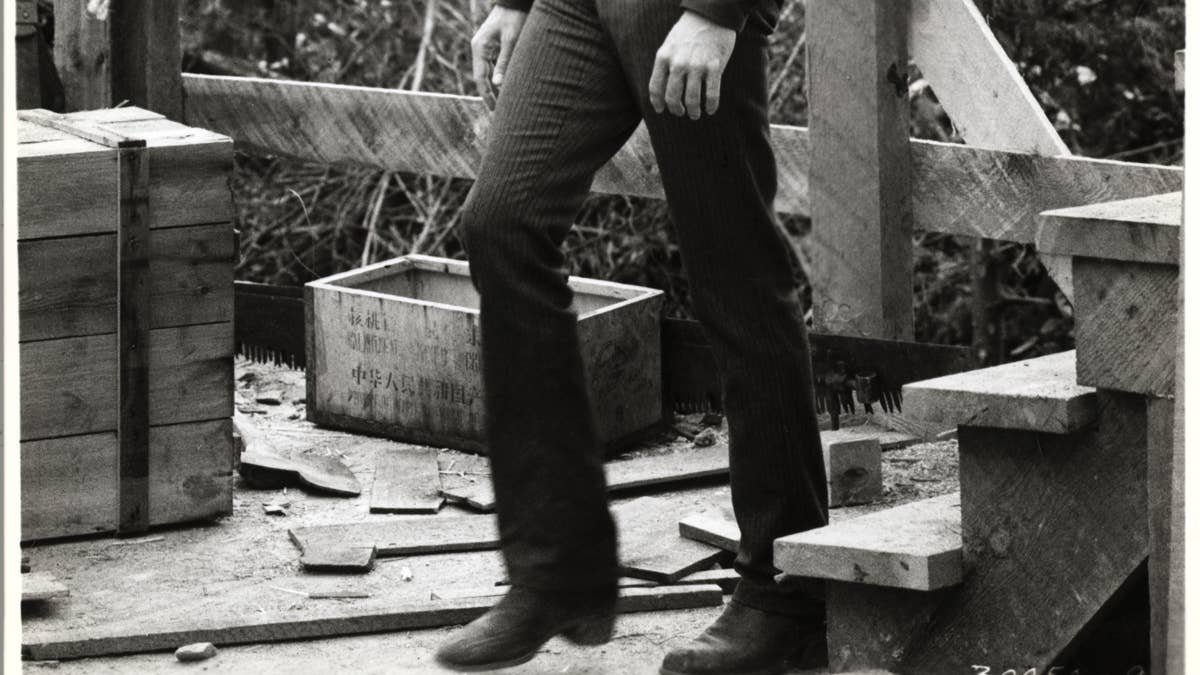
Set in a rough-and-tumble mining town of the Presbyterian Church in the Pacific Northwest, McCabe and Mrs. Miller The Gambler follows John McCabe, played by Warren Beatty, who partners with the intelligent and resourceful Constance Miller, played by Julie Christie, to create a successful brothel.
Instead of celebrating victory and heroism, Altman focused on greed, survival, loneliness, and the harsh realities of frontier life. The landscape itself feels cold and unforgiving, while the characters struggle against forces far greater than themselves.
Altman’s distinctive filmmaking style also challenged expectations. Overlapping dialogue created scenes that felt extremely authentic, while muted cinematography made the film almost dreamlike. Leonard Cohen’s sad songs flow through the story, replacing the triumphant orchestral score with an emotional intimacy that deepens the contemplative tone of the film.
The result was a Western unlike anything audiences had seen before.
From box office disappointment to cinematic landmark
Time has dramatically reshaped its legacy McCabe and Mrs. Miller. Modern critics now routinely rank it among the finest Western films ever made, praising its emotional complexity, visual artistry, and fearless rejection of genre conventions.
Its influence can be seen in the Revisionist Western movement that flourished in the following decades, which inspired filmmakers to depict the American frontier with greater realism and moral ambiguity rather than simple stories of heroes defeating villains.
Today, many film historians consider Altman’s work one of the defining achievements of 1970s American cinema. The film, once confusing to audiences, is now celebrated as a bold masterpiece that proved the Western genre could be thoughtful, tragic, and deeply human without sacrificing its power. Its remarkable journey from commercial disappointment to critical classic remains one of Hollywood’s most compelling stories of artistic redemption.