Peloton instructors talk strength, recovery, running, horror movies, and why fitness should feel good even when it’s hard.
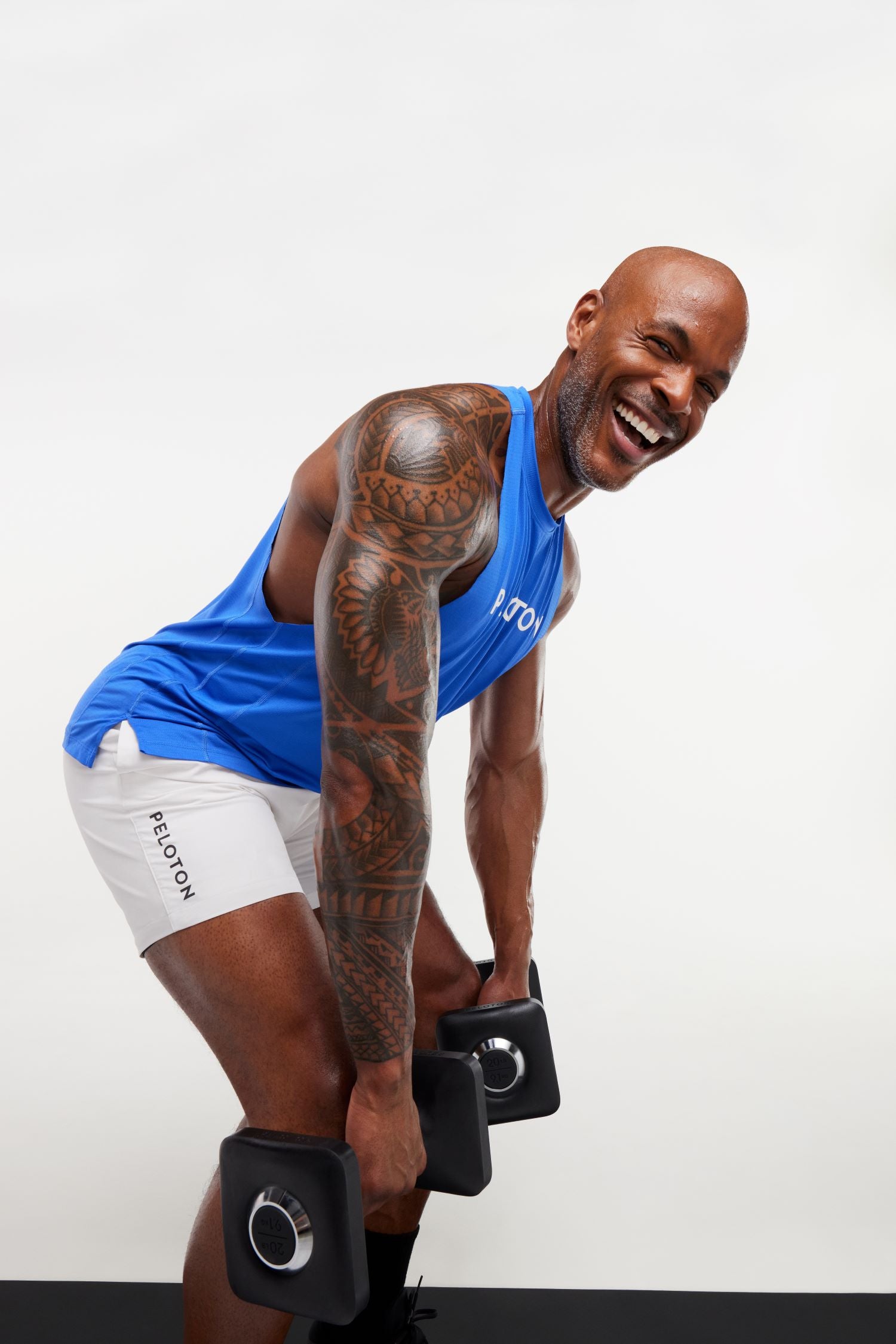
Adrian Williams knows what it means to work out when things start getting tough.
This is the moment when the body wants to retreat, the movement feels less comfortable, and the mind starts looking for a way out. For Williams, one of Peloton’s most recognizable coaches, that moment isn’t a reason to quit — it’s part of the process.
“Sometimes when you’re working out, you get to this point in the workout where you’re not good at something or something is too difficult,” he says. “And sometimes people like to move away from that. Instead, I want people to move toward it.”
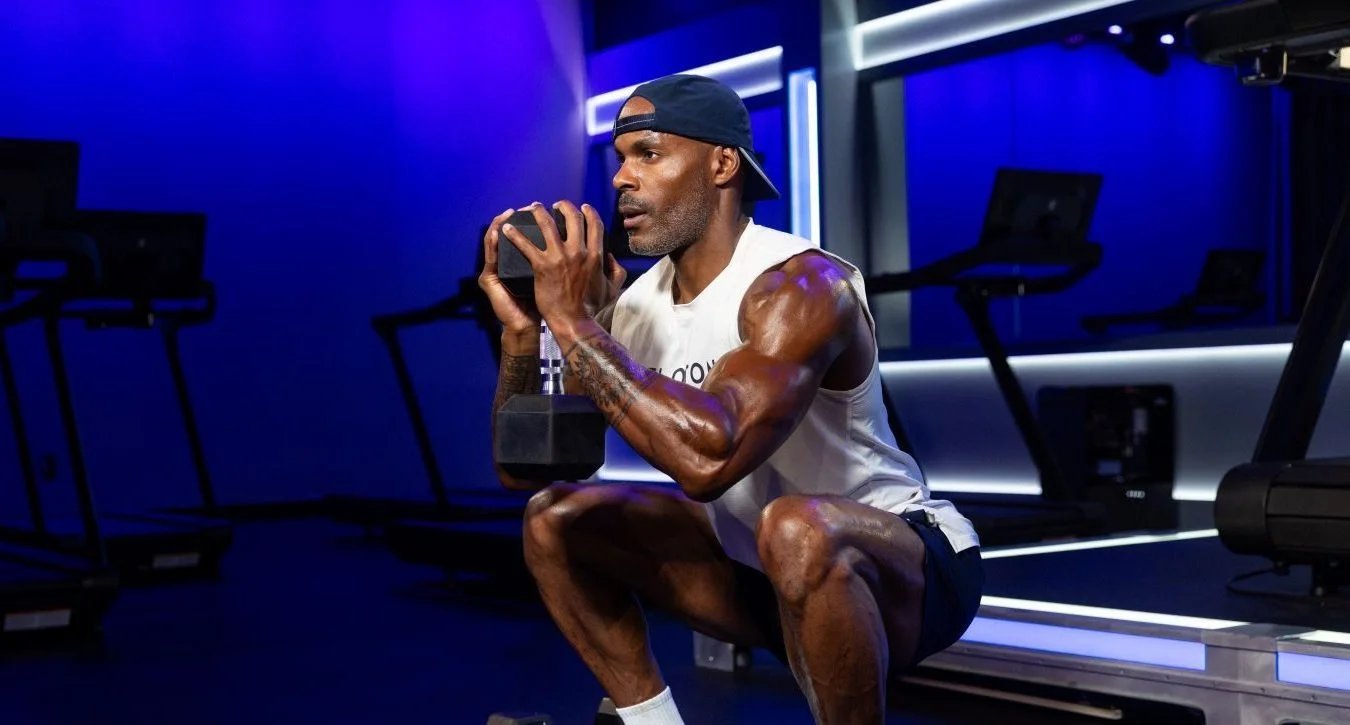
Williams is known for her tough classes, including Thunder 45, her high-intensity bootcamp-style workout. But even when class gets tough, he keeps the energy loose. “I make jokes all the time,” Williams says. “Even in a class like the Thunder 45, which is tough, I like to keep the energy light.”
For Williams, that lightness matters.“We are not winning medals,” he says. “We’re just here to have a good time moving our bodies, feeling good about ourselves, and empowering the community.” It is this balance that makes him effective as a coach. Williams wants people to challenge themselves, but he also wants them to leave the class feeling better than when they came: stronger, lighter and more willing to come back. “There are a few things I would like people to take away when they take my class,” Williams says. “The first is that they feel empowered.”
To her, empowerment means helping people build enough confidence in themselves to keep going even when the movement feels challenging or unfamiliar. “I think learning a skill and becoming good at something comes from repetition,” he says.
That same practical mindset shapes the way Williams talks about strength. For them, training doesn’t just mean exercising in front of you; It’s about building the type of body that can last over time with healthier joints, more muscle and better movement. “Strength training is the foundation of everything I do,” Williams says. “I think it keeps your joints healthy. We need muscle as we age.”
He points to the everyday consequences of not building that strength. “Everyone talks about slips and falls where they break a hip or a bone, usually some deficiency in nutrients, but also muscle and joint health,” he says. “Even if you’re young, you should still think about joint health and muscles.”
This is why Williams does not dismiss simple methods of transfer. Walking, for him, is not a watered-down version of exercise. Growing up in New York, movement was part of daily life, and one of his earliest examples was his grandmother, who would wear one of those old-school sweatsuits that felt “like plastic,” take the grandchildren to the park, and walk so fast she could barely keep up.
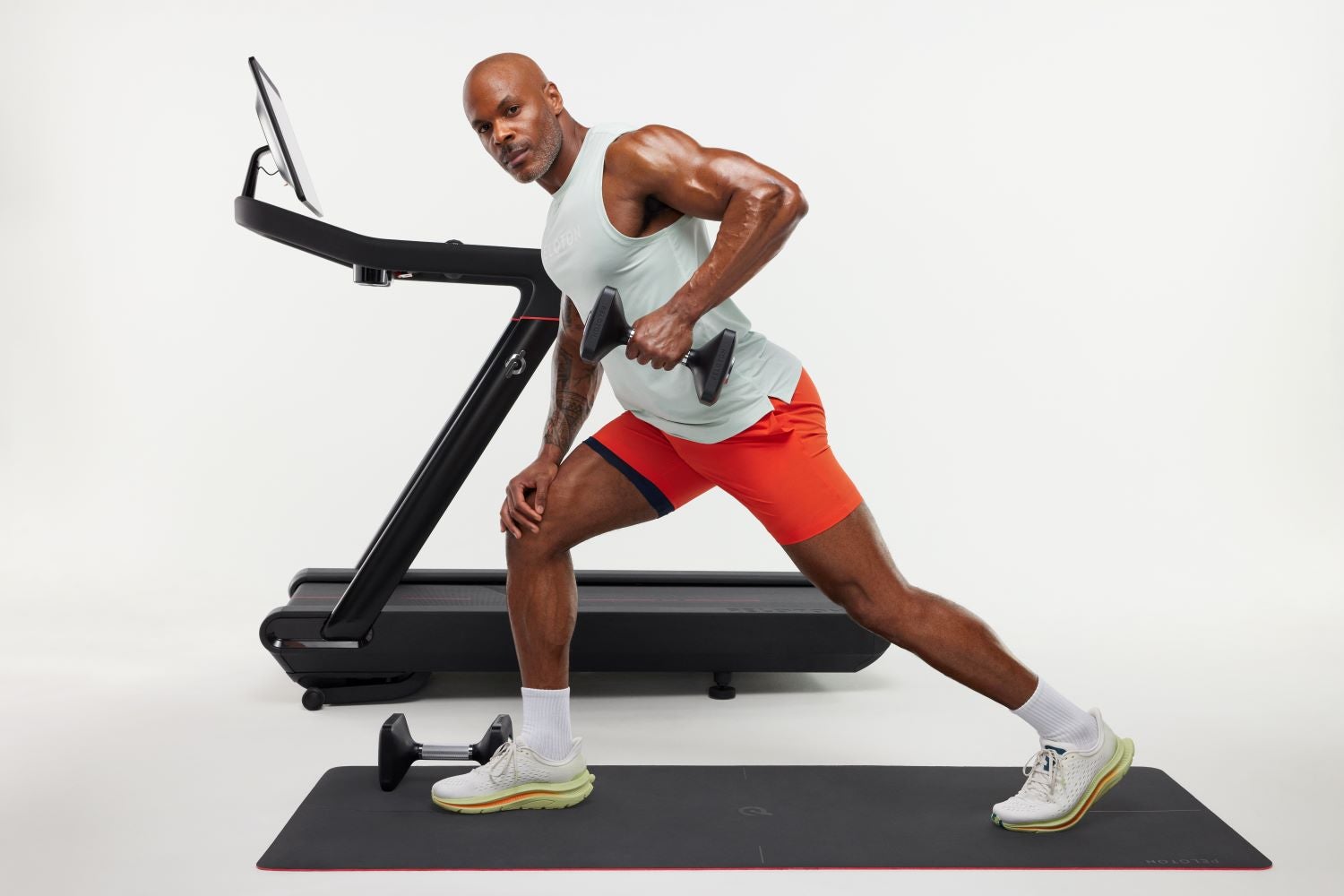
“There’s a lot of muscle recruitment when we’re talking about adding something on an incline or straight path,” says Williams. “But walking is also very friendly to the joints and good for the body.”
This is a very Adrian way of looking at fitness: useful doesn’t mean excessive. Some days, what’s best for the body isn’t another hard push, but a way to move forward without adding more stress. “Sometimes you just need to do something that isn’t stressful on your body,” he says.
Recovery also gets the same respect. Williams foam rolls before stretching, loves massages, loves saunas, and believes in taking days where nothing happens. “No exercise, no walking, no bicycling, no walking,” Williams says of his rest days. It’s the kind of answer that might surprise people coming from a Peloton instructor, but he stands by it. “People look at me like I’m crazy,” Williams says. “We’re still not super humans. You have to give yourself the time and the ability to make that recovery.”
Away from the studio, Williams finds peace in many ways that she feels strongly about. Sunday is for driving. Sometimes that means waking up at five in the morning with friends and driving to Pennsylvania for breakfast. Recently, he went to Miami and back in one go – all nineteen hours. “The car gives me a sense of control, but there’s also a peace and quiet about it,” says Williams.
Photography gives him a different kind of focus. His brother, who works in television production, introduced him to what Williams calls a “very expensive hobby”, and along the way he became addicted to it. “When you take photographs, you have to pay attention to things that stand out or have contrasts,” he says. “It keeps my mind from thinking about anything else and lets me just focus on that moment.”
For now, Williams shares the photos on social media, but he’s thinking about giving the work a more permanent home. “We’d say it’s 2027,” Williams says of a potential photography book. “It’s something I’ve wanted to do for a long time.”
Williams also has a funny side to her that Peloton members might not expect: she loves horror movies. he talks sixth sense, The Exorcism of Emily Rose, screamAnd Weapon With genuine enthusiasm, drawn to the psychology of horror and the way a good story can draw people in. when we talk screamWilliams smiles before admitting, “I can read the lines.”
And that’s part of their charm. Williams may be intense, but she’s also funny, curious and easy-going, which makes the job seem less intimidating. So what does he say to someone who is just starting their fitness journey?
“Start with whatever you feel most confident in or that feels best,” says Williams. “Start with subtle movements as it’s natural that your body will start craving it over time.”
It’s the long game Williams keeps pointing to: Find what keeps you going, build strength, take recovery seriously and keep coming back.
Take Williams’ classes on Peloton and follow him on social media at @adrianwilliamsnyc.