In the age of big box retailers and online shopping, local, independent gear shops are an endangered species. How will it survive when REI or Backcountry can always offer lower prices than smaller gear stores?
Ivan Maynard, founder of gearhouse In Seattle, the answer may have been found: build community. Part gear rental store, part hangout space, and part trip organizer, Gearhouse makes the outdoors more accessible and more communal, proving the power of connection.
What is Gearhouse?
When Maynard moved to Seattle, like many other transplants, he was excited to check out the outdoor opportunities there. There were so many – climbing, backpacking, skiing, paddleboarding, etc. – and unfortunately, each activity required its own gear, which added up quickly.
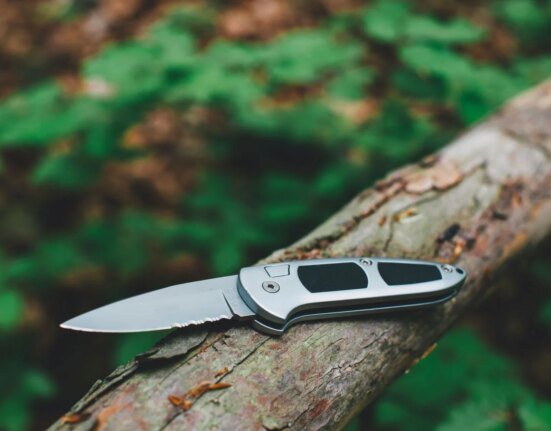
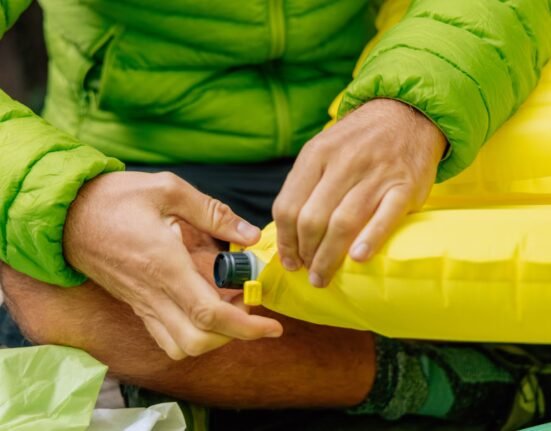
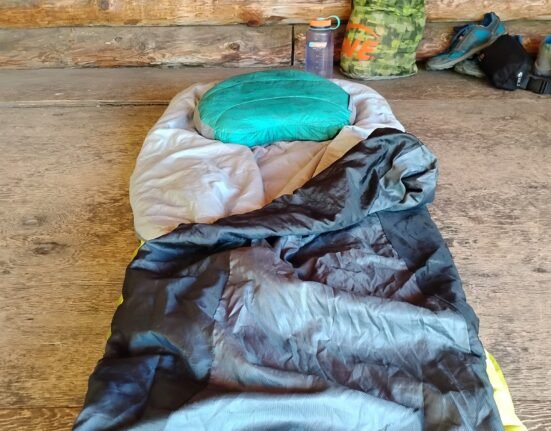
It’s hard to justify spending a lot of cash on gear for a game you’re not even sure you like. So Maynard founded Gearhouse so people could get out and try new things without breaking the bank. it rents everything For almost every sport, from kayaks to snowshoes to avalanche kits to bouldering pads.
Maynard soon realized that the gear was actually secondary. Gear was the thing that allowed people to go out, come together, and bond. And so, they created Gearhouse’s other major offering: Events.
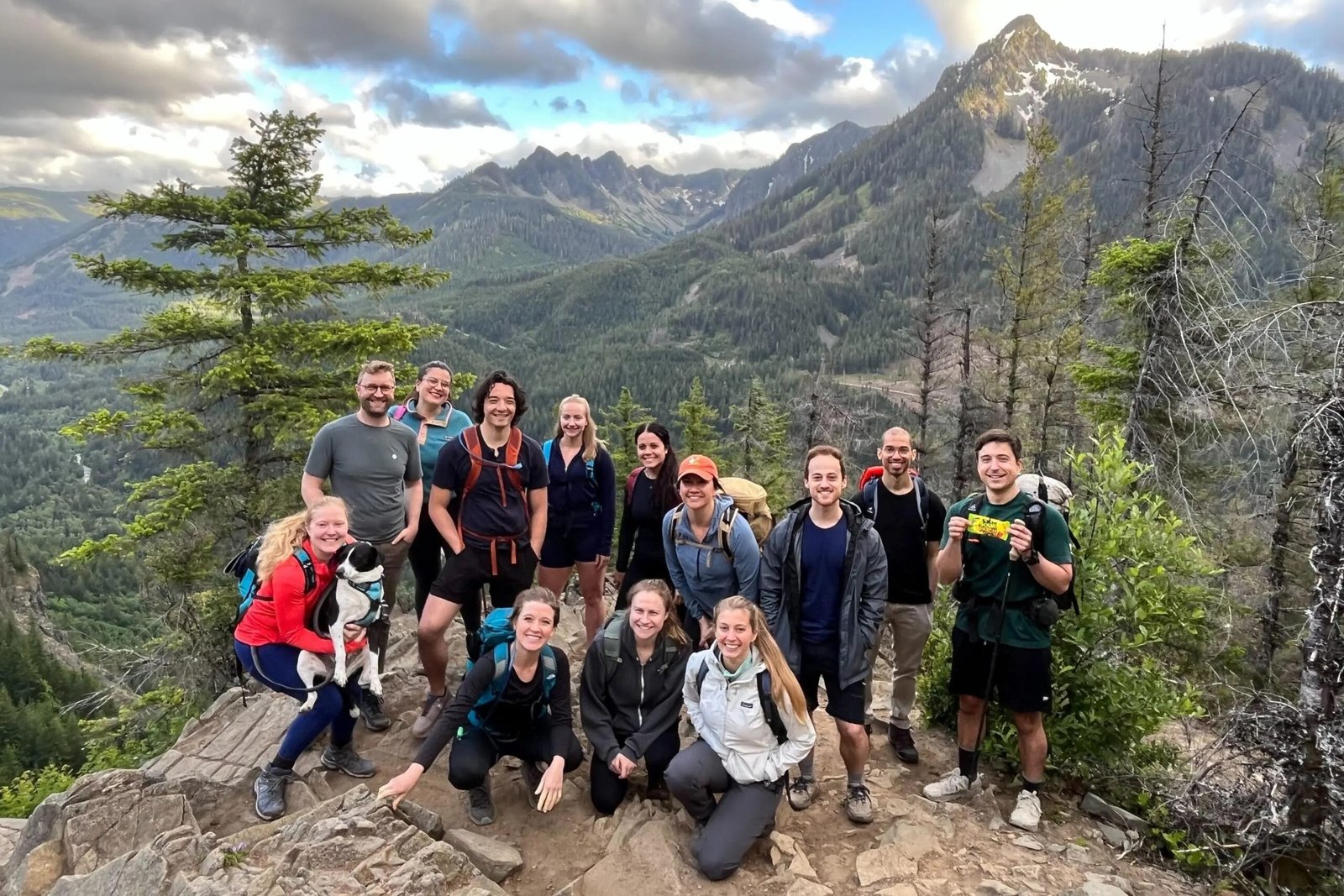
company calendar It’s packed with all kinds of outdoor events, from multi-day backpacking trips to nights out at the local gym to summer cookouts. It also offers educational classes, such as backcountry navigation or how to plan a backpacking trip.
“If you want to try a lot of new things and you’re not sure about your skill level and you just want a friendly environment to embarrass yourself or ask stupid questions, that’s where Gearhouse thrives,” Maynard explained in an interview with GearJunkie.

Every aspect of the system is carefully considered. It can be very difficult to go on a multi-day backpacking trip with a stranger, so Gearhouse also offers social events in place for people to get to know each other. It’s a lot less intimidating to go on an 8 mile hike with someone if you’ve spent time with them the night before over board games or trivia.
The 3,000-square-foot space serves as a coffee shop and café during the day, blending modern architecture with warm touches and comfortable seating. At night, it turns into an event venue with ample space to gather.
Subscription Model
To break down barriers to entry, Maynard came up with a solution Subscription Model. Members can pay a monthly fee for several tiers of membership, ranging in price from $33 to $195 per month. The two highest membership levels – Trail Club and Summit Club – come with access to programs and unlimited gear rentals, allowing people to try new things without committing to purchasing gear.
The subscription model not only saves people money, but it also increases engagement. “The other thing that membership does for us is it drives recognition and frequency in a way that drives community. It makes people commit to showing up, rewards you for showing up, and that’s the key to getting friendships,” Maynard said.

If you’re new to Seattle, there’s no better way to learn about the outdoor scene. Don’t know where good hiking trails are, or do you need to find a new hiking buddy? Attending a Gearhouse event is a sure way to find out. Even if you’ve lived in Seattle for years, there are plenty of outdoor spaces in the Pacific Northwest, and Gearhouse helps residents fully explore their own backyard.
Several hundred members of the brand participate in a Slack channel, where they propose travel ideas or ask for local betas. Many existing events on the calendar were proposed by members. Trips are led by Gearhouse staff who are experts in the respective sport.
Seattle is known for the so-called “Seattle freeze”, a standoffish culture that can make it difficult for newcomers to make connections. In Maynard’s view, this phenomenon comes from the fact that we are all busy and overwhelmed.
“It’s not that people are unfriendly; it’s that people are really busy, and we have a lot of choices to do. Even within the identity of being out, it’s really difficult to connect with the same people on a regular basis,” he said.
Even if you and someone else both like to hike, one of you might want to hike 4 miles a day, while the other might want to hike 20 miles. Gearhouse events solve that problem by giving people a variety of options where they know exactly what they’re getting into. If you’re a hardcore, one-day mountain climber, there are events for you where you’ll meet like-minded people. If relaxing at a cookout at a lakeside campground is your favorite experience, there are plenty of opportunities for that too.

While there was an increase in outdoor activities post-COVID, Maynard has seen that begin to fade. More and more companies in Seattle are requiring employees to come back to the office, and commutes and busy schedules can easily hinder one’s ability to plan outside trips. Gearhouse takes away the complexities of planning and logistics and tells people to just show up. It also provides shuttles and transportation to events.
Gearhouse is also an antidote to the city’s work-first, hectic culture. “It’s a simple way to remember that there’s more to life than work. We need to make sure people get out and meet each other regularly,” Maynard said.
Maynard can see Gearhouse expanding into other outward-thinking cities, but whatever comes next, connection comes first. Maynard said, “I always want Gearhouse to be that place where you walk in and you feel like oh, I found my people. These are my people, and just fill your cup immediately.”