Most anglers understand that certain size requirements must be met in order to keep certain fish. We understand that daily bag limits and season dates must be followed. Regardless of how many years you’ve been fishing, it’s likely you quickly check all of the rules you see online or in your state’s compendium each year.
However, the truth is that there are a lot more fishing laws on the books than many people realize. This does not mean that fishermen are maliciously choosing to ignore them, but rather that they simply do not consider that what they are doing is against the rules. Ultimately, the burden of compliance falls on us because “I didn’t know I couldn’t do that” is not an acceptable answer when explaining yourself to a game warden.
Here are some of the most ignored rules in the game. If you’re new to fishing, being aware of them will keep a fun day on the water from ending in an expensive ticket.
1. Fishing with too many rods
Sometimes more is better. Again, it may be easy to assume that the more bait in the water the better if you are trying to catch fish. There is no doubt that you are increasing your chances of success with each worm or cut that you send into the lake or river. There’s just one problem – each state in the union has its own rules regarding how many rods an angler can fish with at one time.
In most states, there is a maximum of two rods per angler, which means two lines in the water at once. However, there are some exceptions. For example, in Indiana, you can fish with three rods or lines. In Alaska, you can deploy three rods on the ice, but only one on open water. In Mississippi you can fish with five rods at a time. These restrictions become even more subtle in some states, such as Oregon where you are allowed to fish with two rods at the same time, but only with a two rod verification permit. Some bodies of water may also have different rod restrictions than those imposed by the state. Rod rules can be really sticky when trolling. If you stick to a two-rod-per-angler situation but are trolling for walleyes or stripers, it’s common to drag six lines at a time. However, technically, if there are only two people on the boat, you are breaking the law. You can check your state’s rod limits Here.
2. Using gamefish as bait
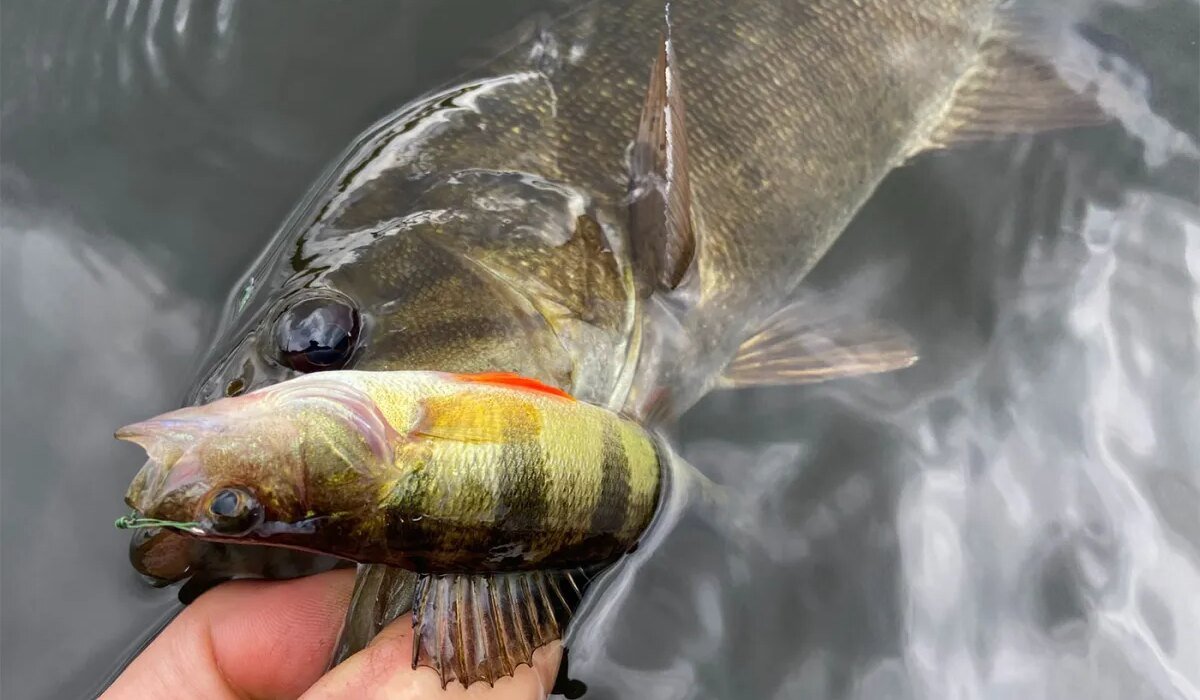
I recently spent a week on a small lake in northeastern Pennsylvania. This was my second visit to this spot, and the year before I had completely hit the big minnows throwing jerkbaits and tubes. This year, after two days of fishing, I was confused. I hit all the places where I had done well before and could not score a single point. My younger son was worm and bobber fishing and accidentally found a small yellow perch. As an experiment, I put that perch on a larger hook and sent it under a bobber. Within two minutes, it was piled into a tiny 3 pounds. For the rest of the trip, I fished small live perch and hammered bass. The thing is, it is completely legal to use gamefish as bait in Pennsylvania. This is not the case in many other states.
For example, states such as Minnesota do not allow any fish classified as gamefish to be used as bait, whether live or dead. You are allowed to keep 20 yellow perch per person per day in Minnesota, you can take them home and fry them, but you cannot send one back on a steel leader for pike. The bottom line is that you can’t assume that just because there is a daily bag limit of fish, you can do whatever you want with that fish limit. Some of you may have caught a small bluegill and thrown it back for bass or harvested one for catfish without much thought, but you’ll need to consult your state’s rule book before turning gamefish into bait.
Read further: Best Smallmouth Bass Lures
3. Collecting live fodder

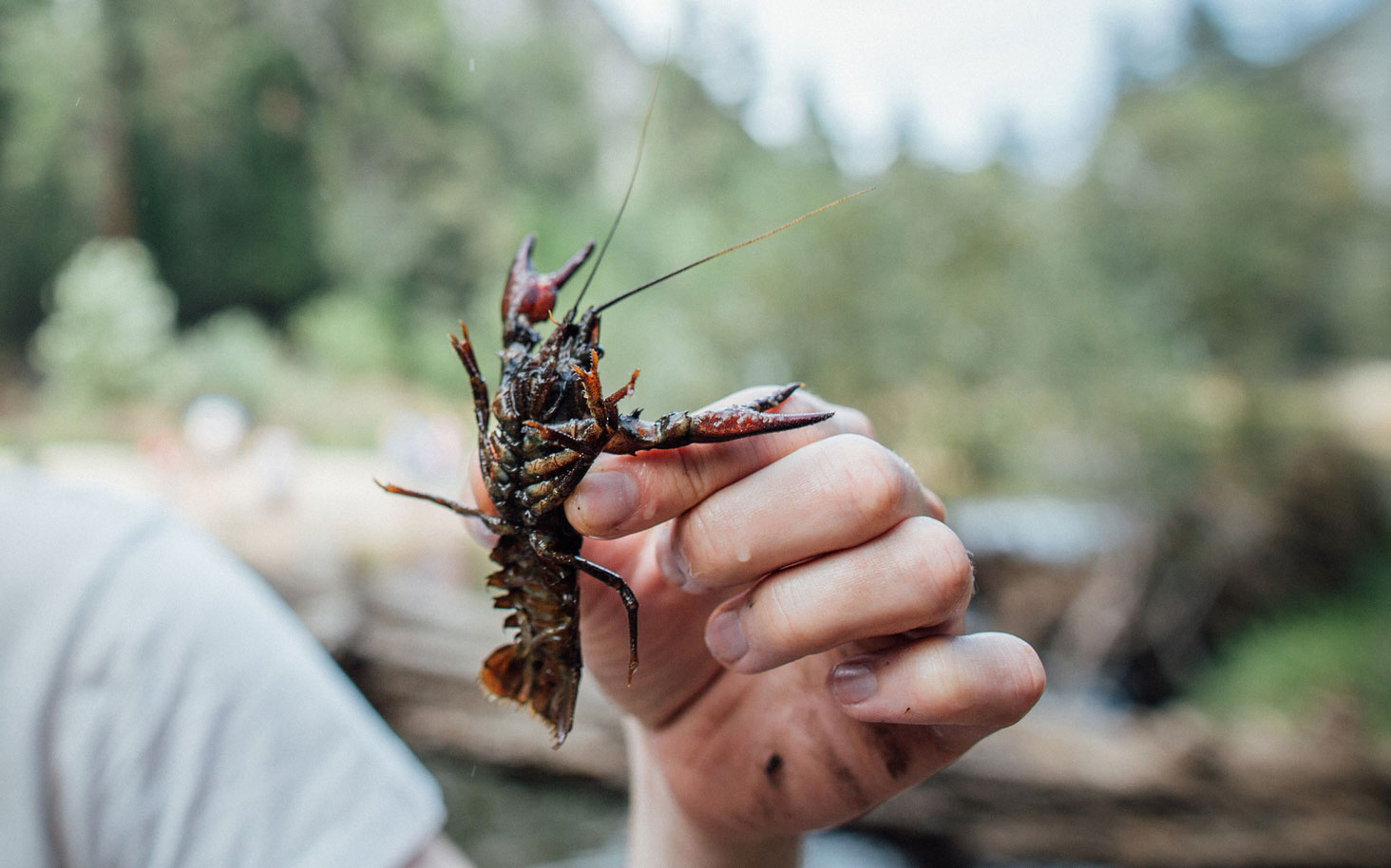
Collecting bait can be just as fun as using it for fishing. When I was little, my grandfather and I used to spend hours digging up worms in his garden. Fast forward and now I do it with my own kids. He also loves setting a crayfish trap in the local river, which I’m happy to recreate under a slip float for smallmouths. If you catch a lot of fish, collecting your own live bait is also cost effective, but while many people understand that there are size limits and daily bag limits for the fish we target, what many don’t consider is that the same is the case for the bait species we collect.
Rules will vary from state to state, but some require separate permits in addition to your fishing license to do things like set minnow and crayfish traps. Frogs make great bait for a variety of fish, especially largemouth bass, but the regulations and permits governing the collection and possession of reptiles and amphibians also vary greatly by state. Similarly, legal fodder collection methods vary across the country. For example, where I live, you are not allowed to use cast nets to collect bait fish in non-tidal freshwater. So, before you catch a frog and string it on a hook, or fill a bucket to the brim with crayfish, make sure you’re allowed to do so where you live, that you don’t need a permit to collect bait, and that you’re not carrying more than allowed.
Read further: The Best Live Bait Most Fishermen Overlook (But Fish Can’t Resist)
4. Transporting feed from one body of water to another
When it comes to collecting your own live bait, it is also important that you check your state’s regulations regarding transportation. This step has not only been grossly ignored, but in some cases has also had a negative impact on the environment.
Let’s say you know that a bay is full of crayfish. It’s easy to collect a few dozen with a little effort, and the plan is to take them to a nearby large river where you target bass and trout. However, you cannot consider whether the same crayfish are present in that river. You may assume they do – but are you 100 percent sure?

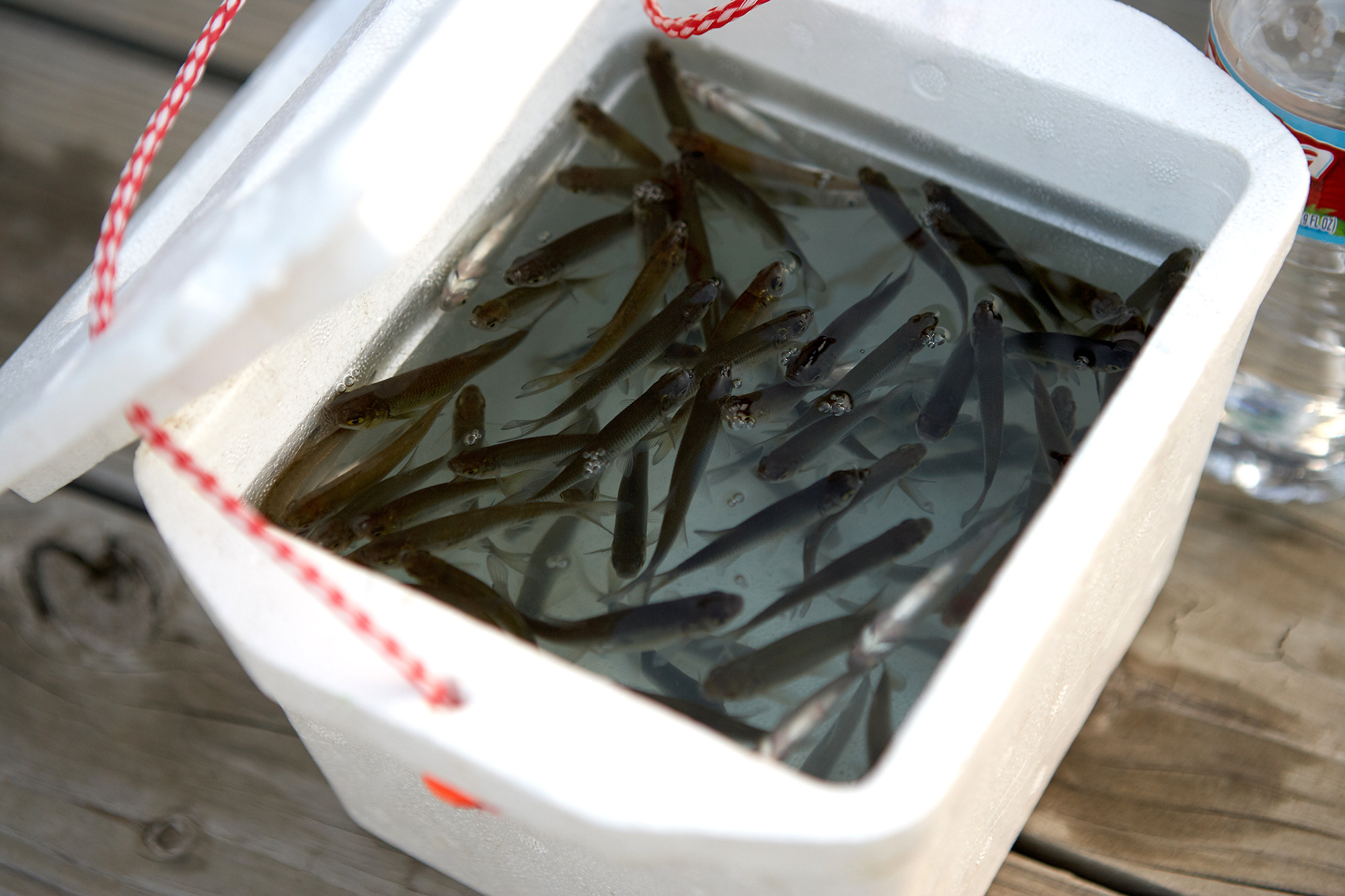
Even if they do, the creek may contain aquatic plants, disease or contamination that the state would not want to introduce into the larger river. In 1975, the first rusty crayfish were discovered in the lower Susquehanna River in Pennsylvania. These crustaceans were native to the Ohio River Basin, but between the fishermen who collect them and the bait shops that sell them, they can be found in at least a dozen states where they don’t belong these days. Because they are more aggressive than other crayfish and grow up very quickly left some systems behindBecause they crowd out native crayfish species and quickly become too large for gamefish to prey on, they cannot be kept in check.
States like South Dakota take the introduction of invasive bait species so seriously that they do not allow shops to import non-native species of shiners commonly found in the rest of the country. Although you should always check the regulations before taking live bait – whether purchased or caught – across state lines, in most places you don’t need to worry about using a legal bait species in the same body of water where it was caught.
5. Using an invalid hook type
Walk into any hardware store and you will find quite a selection of pegboard hooks. While most of them are perfectly fair game to use with artificial lures in every state, people are often surprised to learn that this is not always the case when fishing with live or natural dead bait.
As far as I know, there are no states that mandate the use of a certain type of hook at all times in all waters for all species. However, it is quite common for hook rules to apply to certain fish, on certain bodies of water, or during certain times of the year. One of the best examples is the recent rule change mandating circle hook use when fishing with live or natural bait for striped bass in saltwater throughout the Northeast and Mid-Atlantic. Since the circle hook is designed to prevent the gut from getting stuck and seating cleanly in the corner of the fish’s mouth, this rule is a protective measure intended to leave more fish in good health. However, shops still sell J hooks for other species, and if you weren’t aware of the rule, you could easily make the mistake of fishing for stripers without a circle hook and get into some trouble.
In the trout scene, hook rules are even more common. Stretches of rivers designated as conservation areas where trout cannot be stocked often require the use of barbless hooks. Similarly, in many conservation areas you are only allowed to use artificial bait and flies. The signs at these places do a great job of putting “Artificial Only” in big, bold letters, but people miss the fine print. Often, rules say you can’t have more than three hooks on any lure or fly. So, a spinner with a single treble hook is fine, but under those rules, a small Rapala plug with two treble hooks is not allowed, even if it’s an artificial. Always check the regulations in conservation trout waters and be prepared to mash barbs or replace your treble hook with a single hook to stay in compliance.
6. Cleaning fish on water

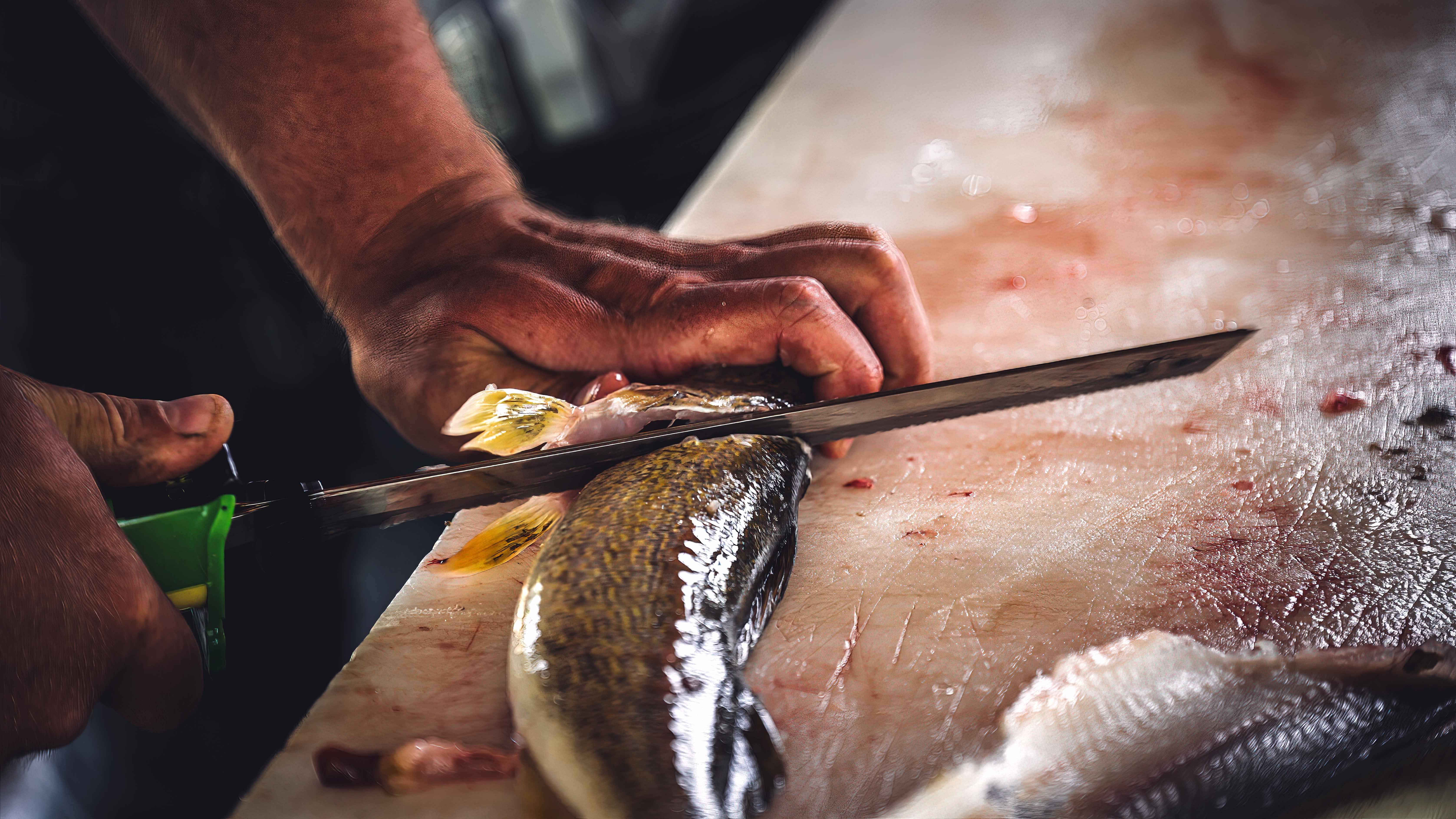
I once read a thread on an online forum that really touched my heart. It is questionable whether this was fact or an urban legend, but it raised a great issue nonetheless. According to the post, a group of fishermen caught a giant wahoo offshore. It was the largest boat ever built, but while the crew was turning it around a large shark caught the Wahoo and tore its entire body apart just behind the gills. All the fishermen landed a huge wahoo head, which they decided to throw in the cooler to prove the size of the fish to the people on the dock. But one of the people in the dock was a game warden, and despite the size of the head proving it was a huge fish, the head alone fell under the legal length requirement for wahoo and a citation was issued. fact? Imagination? It doesn’t really matter, as the main thing is that you need to be able to prove that the fish you have is of legal size.
Read further: 5 hardest fish to hook
With this in mind, cleaning or filleting your caught fish while in the ocean or lake is largely considered a negative. This may seem like an efficient move – the boat is already dirty, it’ll save space in the cooler, and be less work for later – but it can easily get you into hot water. Some states do not allow cleaning at sea at all, but even there it would be wise to keep the racks and carcasses there if an official asks to verify the length. If you catch a fish so large that you need to remove its tail to fit it in the cooler, do not throw that tail in the water. Although the wahoo story may have been embellished, I have heard several stories from wardens over the years where they are given a bag of large walleye fillets that are clearly too long to be cut from a smaller fish. Still, without an intact head and tail to measure, you’re getting a Citation.