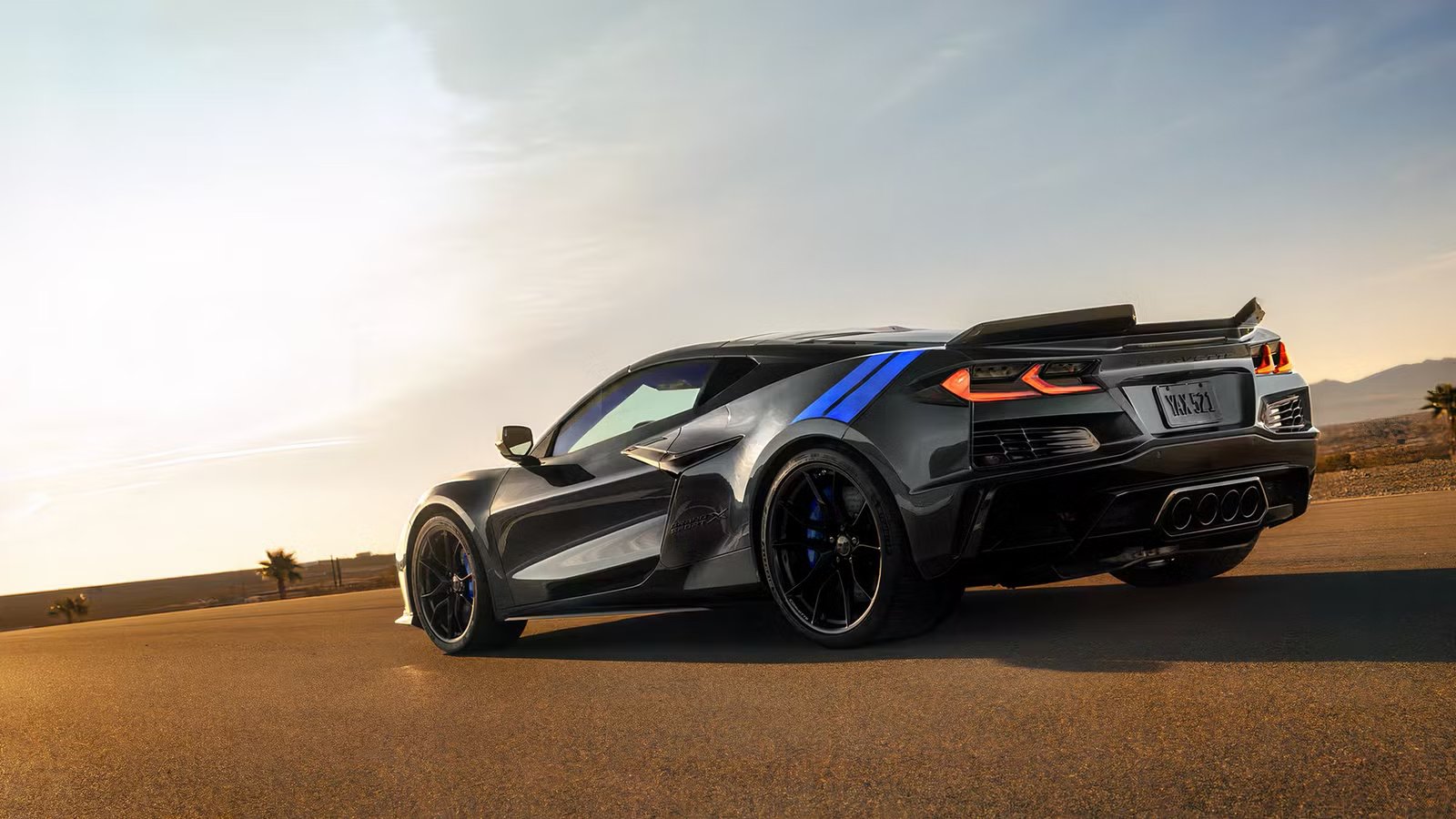
The 2027 Corvette Stingray brings something really new to the nameplate: three different powertrain options, and among them the entry-level option is fast enough to hit 200 mph. That milestone, once the exclusive domain of Z06 trims and six-figure exotics, now starts at $73,495.
Chevrolet confirmed the full engine lineup with MotorTrend’s coverage published on June 30, 2026. A base LT6, a mid-tier LT7, and a hybrid option give buyers a meaningful choice at the configuration screen – not just a trim-level cosmetic tweak. Each engine targets a different type of Stingray driver, and the performance difference between them is real.
Base LT6: where 200 MPH becomes the starting point
The LT6 is the engine that rewrites the Stingray’s value proposition. It’s a larger-displacement V8 than the outgoing Stingray’s unit, and Chevrolet has confirmed it takes the car past the 200-mph mark – a range that previously required stepping up to the Z06 or spending significantly more on a European rival.
Starting at $73,495, the 2027 Stingray with the LT6 is said to be the cheapest new 200-mph car currently on sale. That framing matters: For most buyers, 200 mph is a number they’ll never see on a public road, but it signals a level of engineering headroom that translates into real-world confidence – stronger pull at highway speeds, more reserve on a track day, and a car that’s not working around its limits during spirited driving. The LT6 makes the Stingray’s entry point feel less like a compromise and more like a genuine performance decision.
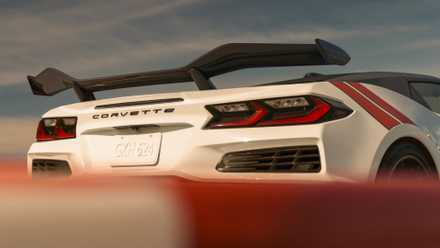
The best performance deal in the world just got better
GM has just revealed the pricing for the latest trim levels of the C8 Corvette, continuing to challenge the supercar market.
LT7: What the mid-tier engine adds to the base

The LT7 sits above the LT6 in displacement and output, providing a clear step up for buyers who want more than the base engine without having to move up to the Z06. Chevrolet has confirmed that the LT7 produces additional horsepower and torque compared to the LT6, making it 0-60 times quicker – although full pricing for the LT7 option had not been published as delta confirmed at the time of this report.
The practical case for the LT7 depends on how the buyer intends to use the car. Track-day regulars and drivers who want a bigger performance cushion will find the mid-level engine worth the premium. For buyers who primarily drive on public roads and do the occasional canyon run, the LT6’s 200 mph potential already represents more performance than it can handle in most situations. The LT7 is the choice for those who want to know they left something on the table – and then close that gap.
Hybrid option: where it sits relative to the Z06 and E-Ray

The third powertrain is a hybrid, and its placement in the Stingray lineup obviously makes sense. This E-Ray does not replace Chevrolet’s all-wheel-drive electrified Corvette nor does it compete directly with the Z06’s flat-plane-crank V8. Instead, it offers a distinct performance character within the Stingray family: The hybrid’s electric motor contributes low-end torque and launch response that neither the LT6 nor the LT7 line can match.
For buyers who are looking at the E-Ray’s price point with hesitation, the Stingray Hybrid offers a more accessible way to get electrified Corvette performance. It won’t mimic the E-Ray’s AWD dynamics, but it brings a meaningfully different driving experience than the pure V8 options – and it positions the Stingray lineup to appeal to buyers who want efficiency credentials along with their performance numbers.
What 200 MPH Really Means to a Stingray Buyer

The 200 mph figure has real-world implications beyond the spec sheet. On the insurance side, a car rated for 200 mph will generally carry a higher premium than a comparable sports car with a lower top speed – insurers regard top speed capability as a risk signal, and buyers should expect quotes to reflect this. Some states also have registration or title classifications that may be transferable for vehicles above certain performance limits, although this varies significantly by location.
In the competitive landscape, the Stingray now sits in truly rare company at its price point. Pricing for the Porsche 911 Carrera starts above $120,000. A base Ferrari is just north of $200,000. The McLaren 570S, often cited as the used benchmark for this performance level, trades on the secondhand market around the new car price of the Z06. At $73,495, the 2027 Stingray with the LT6 not only competes – it undercuts almost everything else in its performance class by a significant margin.
Three engines, one platform, and one base price that puts 200 mph within reach of a broader buyer pool than ever before. The 2027 Stingray’s lineup is a real configuration decision — not a trim-level formality — and that makes it one of the more interesting performance-car options on sale right now.
Source: carscoops, motortrend, carb