Keith Lusher 07.13.26


There is some encouraging news for Wisconsin upland bird hunters in the fall 2026 season, although not every species is headed in the same direction.
The Wisconsin Department of Natural Resources (DNR) has released the results of its annual spring pheasant and ruffed grouse. surveyThis shows that wild pheasant numbers remain stronger than recent averages, while ruffed grouse populations continue to follow their expected long-term cycle.
For pheasant hunters, the outlook remains positive despite a slight decline from last year. Wildlife biologists recorded an average of 0.73 pheasants per survey stop during the 2026 roadside survey, down from 0.81 in 2025. Still, this is the third year in a row that pheasant observations have been above the state’s five-year average of 0.56 pheasants per stop.
The DNR uses an abundance index based on annual roadside surveys to estimate Wisconsin’s wild pheasant population. As in previous years, the strongest numbers were found in the northwestern part of the state’s pheasant range, while the fewest birds were seen in east-central Wisconsin.
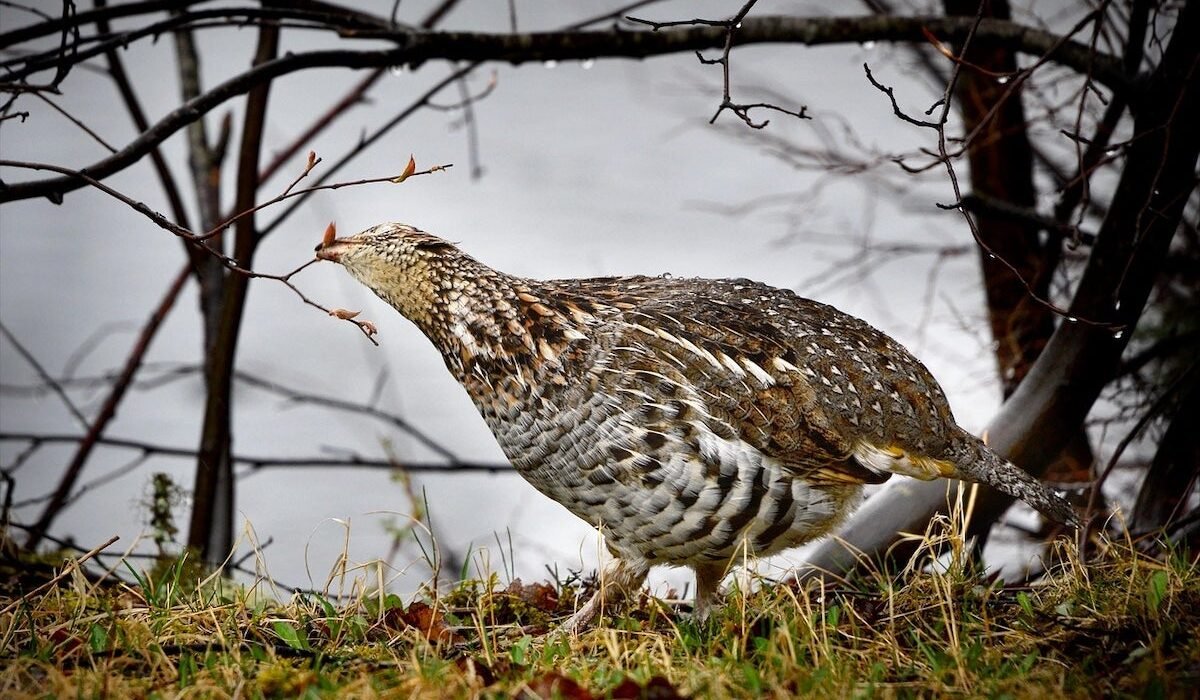
The picture is a little different for ruffed grouse.


department annual Roadside Ruffed Grouse Drumming Survey An 11% decline in statewide drumming activity was recorded compared to 2025. Although at first glance the decline may worry hunters, wildlife officials say it was expected.
Ruffed grouse populations naturally rise and fall in approximately 10-year cycles, and biologists project low numbers through 2026.
“We’ve seen an 11% decline in drumming abundance statewide this year, with the largest declines in the state’s driftless and central priority areas,” said DNR ruffed grouse specialist Alaina Roth. “The decline this year was expected, as the low points of the 10-year population cycle typically occur in the years ending in 4, 5 and 6.”
Roth said favorable nesting and brood-rearing conditions make grouse numbers likely to increase through 2024 and 2025, making this year’s decline part of normal population patterns rather than an unexpected shock.
Since 2021, Wisconsin has organized its drumming survey data by priority management areas established in the state 2020-2030 Ruffed Grouse Management Plan. The regional approach helps biologists better monitor grouse populations across the state and evaluate habitat management efforts.


Both surveys rely on hundreds of miles of roadside routes and the help of many partners, including volunteers, tribal organizations US Forest Service And other agencies.
While pheasant hunters may head into the fall with another year of above average bird counts, grouse hunters may find fewer birds than last season. Still, DNR biologists emphasize that the survey results remain consistent with Wisconsin’s long-established grouse population cycle rather than indicating a long-term decline.


keith lusher
Keith Lusher is an award-winning outdoor journalist who lives in Covington, Louisiana. He owns and operates NorthShoreFishingReport.com and writes a weekly outdoors column for the Slidell Independent Newspaper. He also writes for the St. Tammany Parish Tourism Commission’s VisitTheNorthshree.com. He is the former host of The Northshore Fishing Report radio show and is on the board of the Louisiana Outdoor Writers Association. Keith contributes to numerous publications both online and in print and is proud to promote the unique fisheries of South Louisiana. To contact Keith email: keithlusherjr@gmail.com