This is the 102nd instalment ina series on dementia, including the research into its causes and treatment, advice for carers and stories of hope.
A recent study from the Centre for Healthy Brain Ageing at Australia’s University of New South Wales suggests that 11.4 million people globally developed dementia in 2023, a figure set to double by 2050. It also finds that women account for two-thirds of people with Alzheimer’s disease, the most common form of dementia.
Why the gender gap in this case exists is not fully understood. “Sex differences in dementia are not straightforward,” says Dr Emily Gordon of the University of Queensland, adding: “It’s messy.”
Understanding the gender gap and what women can do to mitigate their risk is especially key in Hong Kong. Dementia prevalence and caregiving burdens are acute local challenges in the city, which has one of the world’s longest life expectancies, particularly for women.
More than a longevity story
Longevity used to be the standard explanation: women live longer than men, so they have more years in which to develop dementia. Age is a factor, Gordon says, but not the full picture.

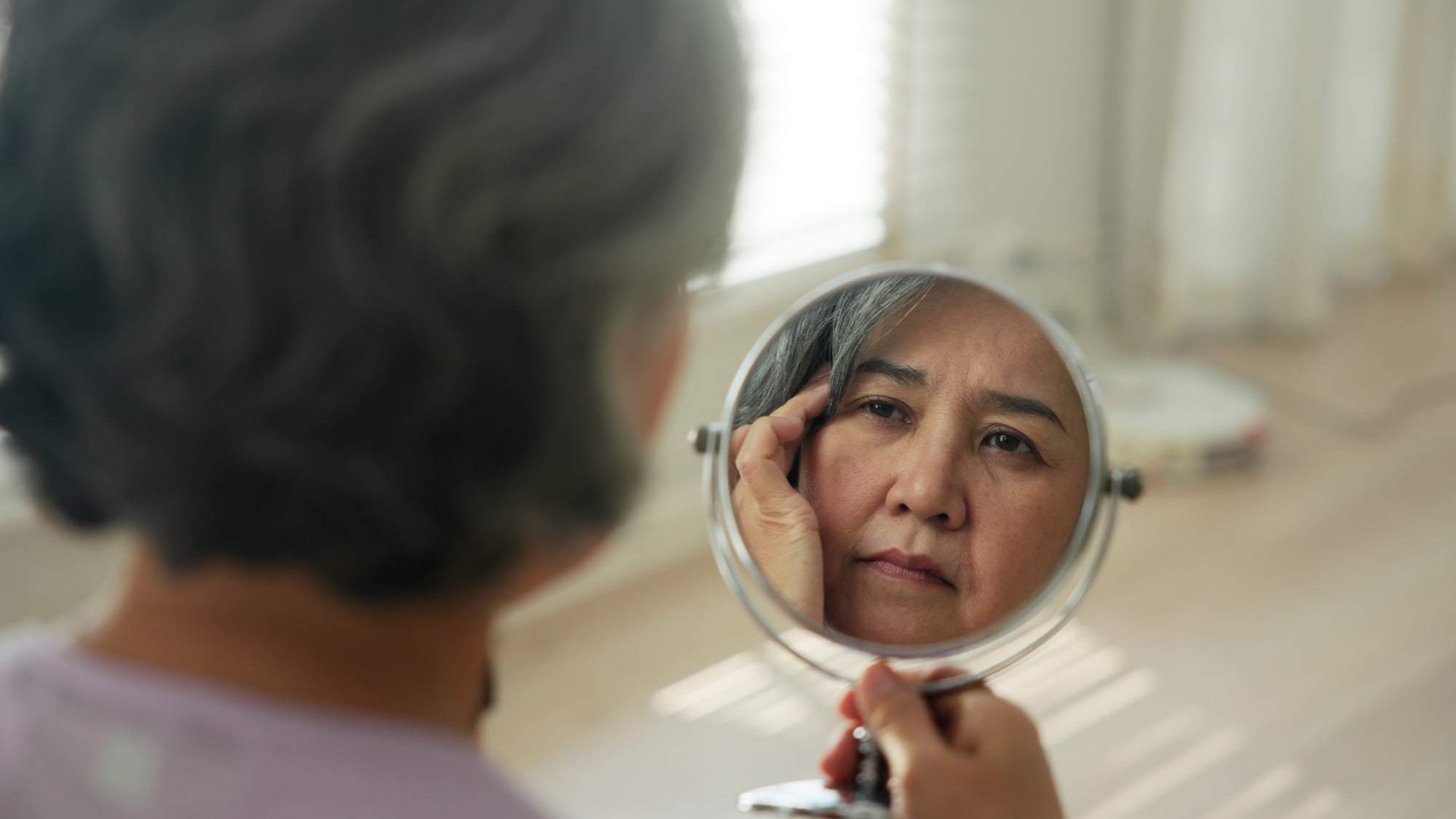
In a May study published in the scientific journal Biology of Sex Differences, University of California, San Diego researchers analysed 13 modifiable risk factors. They found women were hit harder by seven: high cholesterol, depression, inactivity, smoking, poor vision, poor sleep and less education. Men carried higher risks from diabetes, drinking and hearing loss – yet women appeared to suffer steeper cognitive decline from the risks they faced.
Gordon’s colleague Jissa Martin says the potential for risk reduction appears greater in men, at both the no-impairment and mild-impairment stages. That does not mean prevention works better for men. Women are often more alert to dementia, many having cared for a sufferer, but “this awareness does not always translate into earlier recognition of their own risk or symptoms”, Martin says.
Women may also be better at hiding the signs. They tend to retain stronger verbal memory for longer, which “can mean they perform relatively well on early cognitive assessments despite underlying brain changes”.
The key question, Martin says, is not only how sex and gender shape risk, “but who notices them, and who has the opportunity to act on them early”.
The menopause factor
Part of the answer may lie in menopause. Neuroscientist Dr Lisa Mosconi, director of the Alzheimer’s Prevention Programme at Weill Cornell Medicine in New York, came to the subject through family history. Her grandmother and two of her great aunts developed Alzheimer’s. Their brother did not.
Mosconi has helped change how researchers think about women’s brains – she has written three books on the subject: Brain Food (2018), The XX Brain (2020) and The Menopause Brain (2024). She has also studied oestrogen. For much of the 20th century, it was seen mainly as a reproductive hormone. Only in the 1990s did scientists begin to grasp how much more it does.
Mosconi calls oestrogen “the master regulator of women’s brain health”, and describes menopause as a brain-driven transition that affects the whole body. Researchers are careful to stress, though, that menopause is not an “on” switch for dementia. Every woman who reaches her fifties goes through it, yet only 20 to 25 per cent will develop dementia over a lifetime.
The importance of midlife health
The long-running US Study of Women’s Health Across the Nation (Swan) found that many women experience a temporary dip in memory and processing speed during menopause, before recovering afterwards. Those who entered the transition with existing conditions such as obesity, high blood pressure or elevated blood sugar, however, declined faster and were less likely to bounce back.
Managing those risks in midlife is crucial because falling oestrogen accelerates metabolic changes. Post-menopausal women see a steeper jump than men in deep abdominal fat, triglycerides and “bad” LDL cholesterol, alongside a drop in protective HDL.

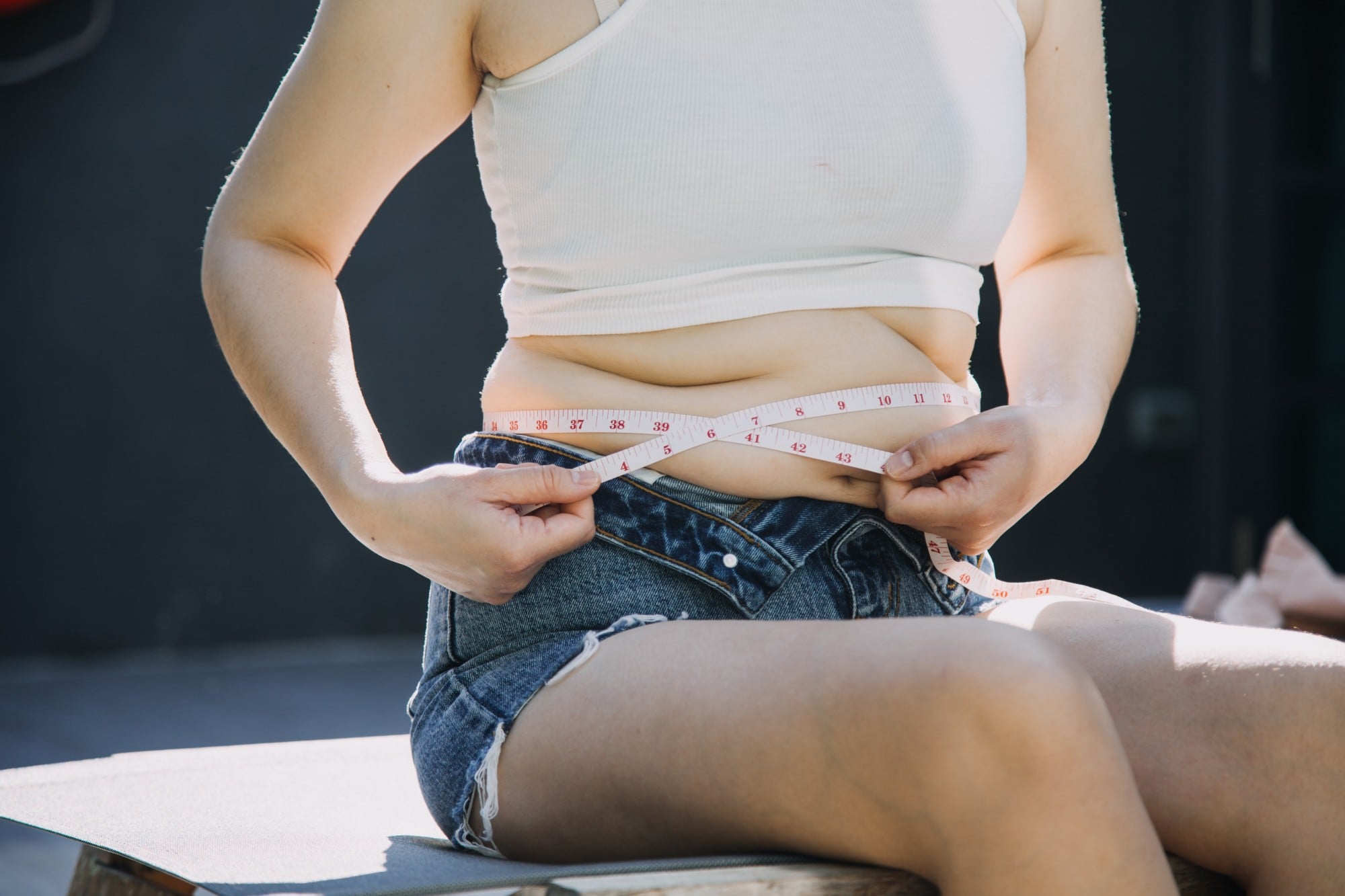
Age-related muscle loss makes this worse: with less muscle tissue available to absorb blood sugar, the body stores more excess glucose as fat – a key reason strength training matters in midlife.
Regular exercise offers a clear double benefit: active midlife women experience up to 50 per cent fewer hot flushes and face a 30 per cent lower risk of developing Alzheimer’s later on.
The gene that strikes sooner
Genes add another layer. You might have heard of APOE4, the most common genetic risk factor for Alzheimer’s, in the context of the actor Chris Hemsworth. He carries a pair of these genes, which explains his advocacy for brain health and drove his Disney+ series Limitless. The gene raises risk in both sexes, but it seems to behave differently in women.
Dr Kevin Tran, a doctor of pharmacy who divides his time between Singapore and California, founded the paid membership Phoenix Community to raise awareness of APOE4 risks after he discovered he had two copies of the gene himself. Having the gene does not necessarily take women to a higher peak, he says, but “it gets them there sooner”.


With one copy, a woman’s risk climbs earlier, at roughly four times that of non-carrier women by her mid-sixties to seventies, compared with about three times for men, and she accumulates more tau, another protein tied to the disease. Menopause, Tran says, looks like the “accelerant” as oestrogen’s protection falls away.
Telomeres, the protective caps at the end of chromosomes, may be part of the picture. Shorter telomeres are linked to Alzheimer’s in women, particularly APOE4 carriers. One study of healthy midlife women found faster telomere shortening in carriers, but the signal was weaker among those using menopausal hormone therapy.
Mind and mood
Mental health may also matter. Women are twice as likely as men to suffer depression, and both recurrent depression and early or abrupt menopause are linked to changes in the hippocampus, the brain’s memory hub. When a woman experiences both, the two may act together on the same vulnerable circuits.
Biology, though, is only half the story of women’s brain health; the other half is the world they live in, and where in it, because geography shapes a woman’s access to education, work, support, safety and even an understanding of her own body.
Education is a prime example: beyond opening doors to careers and independence, it keeps the mind engaged, and the gap between men and women has narrowed in many places but remains wide in others.
Researchers estimate that broader access to basic education could prevent about 7 per cent of dementia cases globally, a bigger impact than treating high blood pressure in midlife, while US data show risk falling with each additional year of schooling.
Another study found illiterate older adults almost three times as likely to develop dementia as those who could read and write. Yet 133 million girls never get the chance to go to school.


How to lower your risk: six practical steps
1. Know your reproductive history
Early menopause (before 45), surgical menopause and pre-eclampsia – persistent high blood pressure in pregnancy – are linked to higher risk. Tell your doctor.
2. Ask about HRT, with timing in mind
Observational data show that hormone replacement therapy may lower risk, mainly when started between 46 and 56 and after surgical menopause. HRT can also improve sleep and mood, which can support better brain health.
3. Protect your heart and blood pressure
Monitor your cholesterol and diabetes, especially in midlife, and avoid smoking and alcohol use.
4. Treat hearing and vision loss
Both are modifiable risk factors in the Lancet Commission’s list. Both begin to fail in midlife.
5. Seek help for depression, stay active and connected
Depression, inactivity and social isolation all raise the risk.

6. Understand your APOE4 status
Your risk as a woman is elevated if you carry a pair of APOE4 genes, one from each parent. At the same time, addressing lifestyle risks seems to have a bigger positive payoff in APOE4 carriers.
Like what you read? Follow SCMP Lifestyle onInstagram. You can also sign up for our eNewsletterhere.