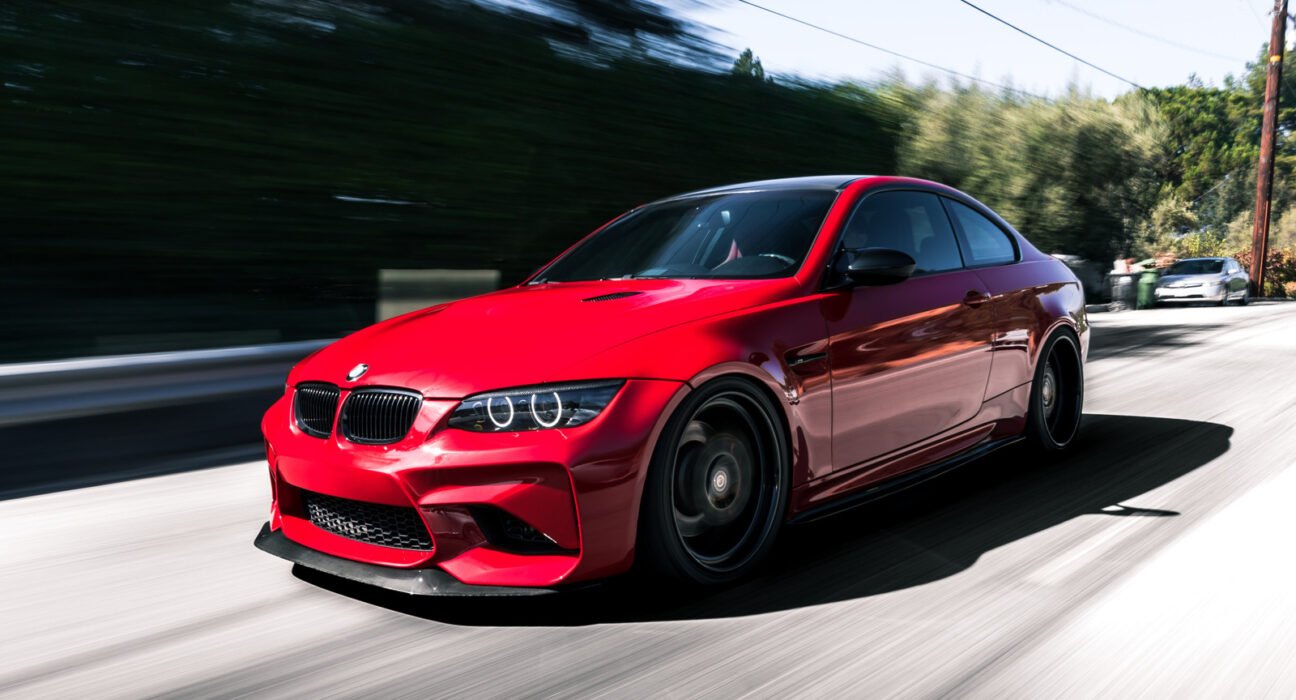
If you’ve spent any time around German performance cars over the past few decades, you’ve probably noticed that most of them go at 155 mph. This is not a coincidence. It is the result of an informal agreement between German automakers that have been shaping their cars for more than four decades. The story begins in the 1970s with Germany’s Green Party, whose advocates wanted to impose mandatory speed limits on the Autobahn.
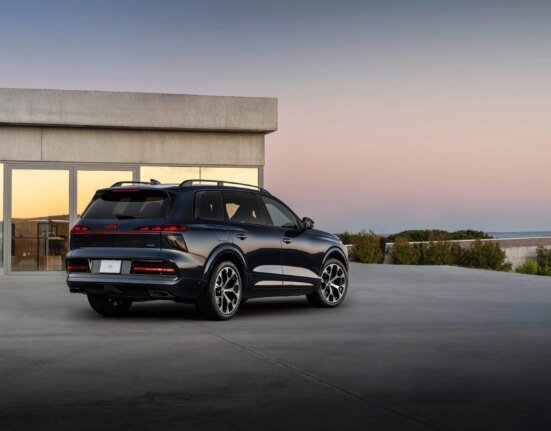
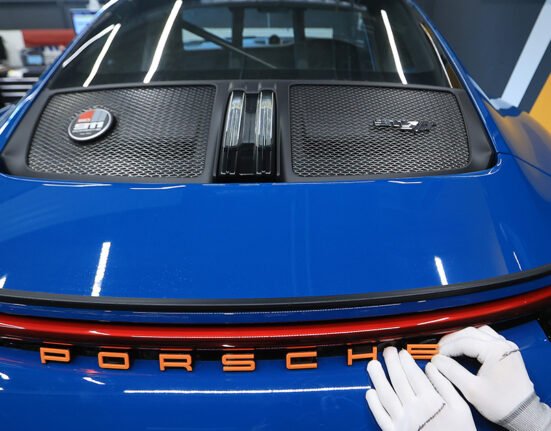
Without formal speed limits, drivers can reach extreme speeds on the Autobahn today, but in the 70s, tire technology was not so advanced or capable of maintaining such high speeds. Politicians sought to impose speed limits, while car manufacturers wanted to keep the Autobahn unrestricted. The solution Germany’s automakers settled on was to regulate themselves instead. BMW, Mercedes-Benz and Audi reached an informal agreement to electronically limit all their vehicles to 250 km/h, or exactly 155 mph. Porsche never joined the agreement.
It was a demonstration of industry responsibility, and it kept the government’s hands off the Autobahn. By accepting the self-imposed ceiling, manufacturers effectively argued that external speed limits were unnecessary. 155 mph was a reasonable benchmark as it is within the limits of tire technology, while still being an encouraging speed that some might even say is too fast. And despite top speed restrictions, automakers continued to compete with acceleration times and technology features.
How does the 155 mph limit work in practice
The agreed 155 mph limit is achieved with an electronic limiter – not a mechanical one. The engines of most of the cars covered under the agreement are fully capable of running fast. For example, BMW’s F10 M5 can reach 190 mph without limits, but this has been reduced to 155 to comply with a gentleman’s agreement. To unleash the M5’s full potential from the factory, buyers can choose optional driver packages.
A similar driver package exists for BMW’s current M2, which unlocks the sport coupe’s true 177 mile-per-hour limit. That said, modern performance governors do not have hard engineering limits. Tuners have long offered ECU remaps to remove the restriction for a few hundred bucks, and this is a simple modification for enthusiasts who want to get their money’s worth for performance cars that exceed their potential.
Germany was not the only country where manufacturers agreed to limit themselves. In 1989, Japanese automakers reached their own gentleman’s agreement to cap engine output at 276 horsepower. The agreement lasted about 15 years, but the underlying structure was the same: industry self-regulation to prevent government interference. The 155 mph limit has also softened significantly over time. German manufacturers are increasingly introducing factory packages or features that extend or remove the restriction, and the performance branches of each brand routinely produce cars that run at completely different speed limits. What the agreement achieved, however, was to keep the Autobahn unrestricted to this day – which may have been the point all along.