The fitness industry has evolved significantly over the past decade.
While large commercial gyms continue to attract members with extensive equipment and competitive pricing, many fitness enthusiasts are beginning to look for something different. For individuals focused on measurable progress, personal guidance and a more efficient workout experience, private gyms are becoming an increasingly attractive option.
Results-driven clients often believe that achieving meaningful fitness goals requires more than access to machines and weights. This requires an environment that is designed to support continuity, accountability, and personal attention. This change in priorities has contributed to the increasing popularity of personal training facilities, where the focus is less on crowd size and more on client results.
Limitations of traditional commercial gyms
Large fitness centers offer convenience and variety, but they can also create barriers for individuals pursuing specific fitness goals. During busy hours, crowded workout floors, limited equipment availability, and distractions can make training sessions less productive. Customers often waste valuable time waiting for the equipment instead of focusing on their workout.
Another challenge is the lack of personal support. While many commercial gyms provide access to trainers, the overall environment is usually designed to accommodate a large number of members at once. As a result, individuals may struggle to maintain proper form, adjust programs, or receive the consistent guidance needed to overcome performance plateaus.
Research and industry experts consistently emphasize the importance of structured exercise programs and professional coaching for long-term success. Without regular feedback and accountability, many gym members lose motivation or fail to make progress toward their goals, leading to frustration and decreased commitment.
Personalized training produces better results
The biggest advantage of private gyms is the emphasis on individual fitness strategies. Instead of following generic workout plans, clients receive programs tailored to their fitness level, lifestyle, goals and limitations. This individual approach helps maximize efficiency while minimizing the risk of injury.
Personal trainers can closely monitor movement patterns, technique and progress. Small adjustments often make significant differences in performance and results. Whether the goal is weight loss, strength development, athletic performance or improved mobility, personalized coaching allows workouts to evolve along with the client’s progress.
Many exercise professionals and health organizations advocate individualized fitness programming because each person responds differently to training. Factors such as age, experience, recovery ability, and health history affect the results. Private gyms are uniquely positioned to address these variables and create customized plans that support lasting improvement.
More focused and comfortable training environment
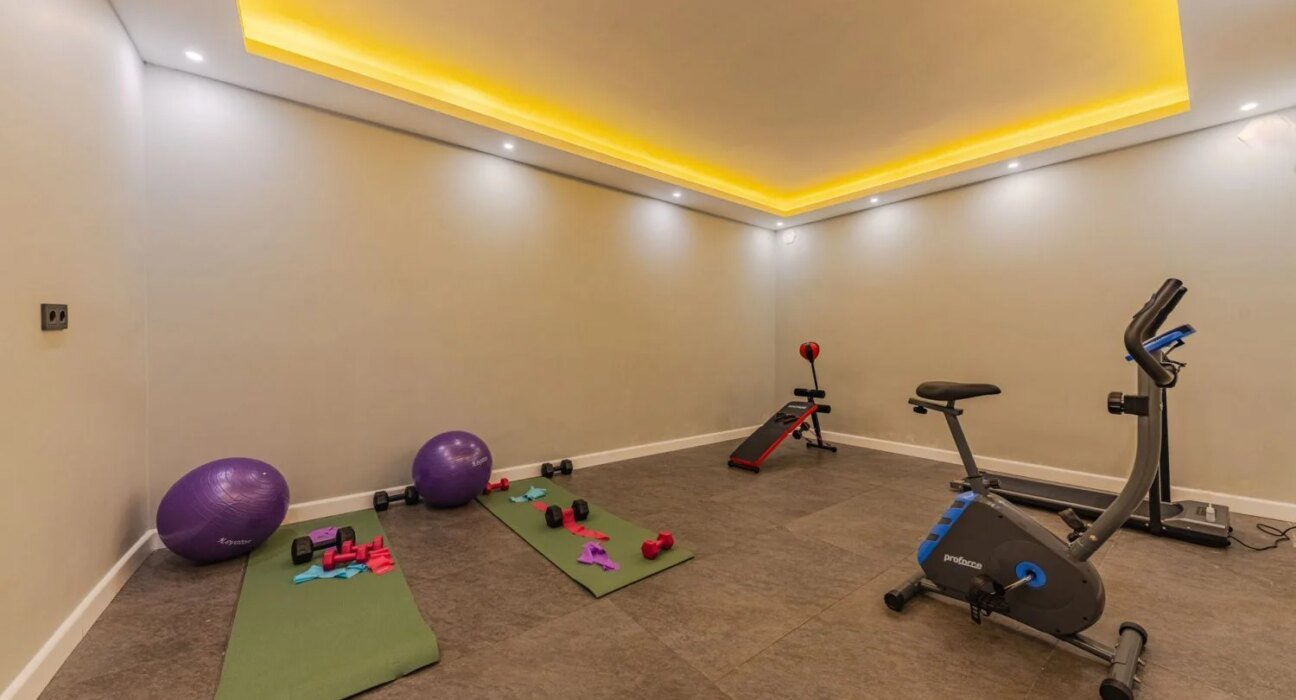
The environment of a private gym is quite different from that of a larger commercial facility. Instead of going to crowded places and high levels of activity, clients often enjoy a quieter and more focused setting. This environment encourages concentration and allows individuals to be fully engaged in their training sessions.
Many people feel intimidated when starting their fitness journey. Concerns about judgment, lack of experience, or uncertainty about using the equipment may create barriers to participation. Private facilities help eliminate these concerns by offering a welcoming space where clients can build confidence without feeling overwhelmed.
This is why many fitness lovers look for quality private gym scottsdale Experience while looking for a more personalized and supportive approach to training. The combination of confidentiality, professional guidance, and focused programming creates an environment that encourages long-term commitment and measurable progress.
Accountability drives long-term success
The most overlooked aspect of fitness success is accountability. Motivation naturally fluctuates over time, but accountability systems help individuals remain persistent even when motivation is low. Private gyms often excel in this area because they foster strong trainer-client relationships based on trust and communication.
Regular check-ins, progress tracking, and scheduled sessions create a structure that encourages consistency. When clients know that someone is monitoring their progress and providing support along the way, they are more likely to participate in workouts and follow their programs.
Behavioral science research has repeatedly highlighted the role of accountability in habit formation and goal attainment. Fitness professionals understand that sustainable results depend not only on the quality of the workout but also on consistency. The private gym environment naturally supports this principle by focusing clients on long-term objectives.
Efficiency matters for busy professionals
Modern lifestyle leaves little room for wastage of time. Many professionals juggle challenging careers, balancing family responsibilities and personal commitments, making efficiency a top priority. Private gyms meet this need by streamlining the training experience and eliminating many of the common frustrations associated with larger facilities.
Appointments are scheduled frequently to minimize waiting, and workouts are carefully structured to maximize effectiveness within a specific time frame. Instead of wasting extra time wandering around crowded places or finding equipment, customers can completely focus on achieving their fitness objectives.
For busy individuals, this efficiency can significantly improve adherence to fitness routines. When workouts consistently fit into a tight schedule, maintaining healthy habits becomes more realistic and sustainable. This practical benefit is one of the reasons why private gyms continue to attract professionals who value both results and convenience.
Increasing demand for quality over quantity
The broader fitness industry is increasingly moving toward quality-driven experiences. Consumers across many industries are prioritizing personalization, expertise, and results over the sheer volume of services. Fitness is no exception. Customers are becoming more selective about where they invest their time and money.
Instead of evaluating a facility based solely on square footage or number of machines available, many individuals now focus on the value they receive. They want expert coaching, tailored programming, measurable progress, and a supportive environment. Private gyms closely match these expectations.
As awareness of the benefits of personal fitness coaching grows, demand for specialized training environments is likely to continue to grow. People are realizing that long-term success often depends less on access to tools and more on expertise, accountability, and individual paths forward.
conclusion
The rise of private gyms reflects a broader change in people’s attitude towards fitness. Results-driven clients are increasingly looking for environments that prioritize personal coaching, accountability, efficiency, and long-term success. While traditional gyms still play an important role, many individuals find that private facilities provide a more effective path toward achieving their goals.
Fitness success is not determined by the size of the gym but by the quality of the experience it provides. For those who value focused attention, customized programming, and measurable progress, private gyms have become an attractive option that supports lasting results and a strong commitment to personal health.