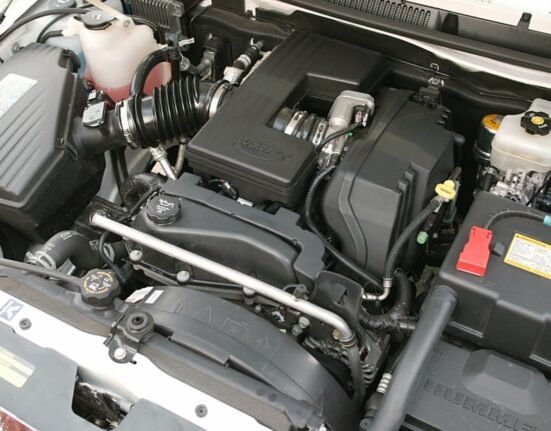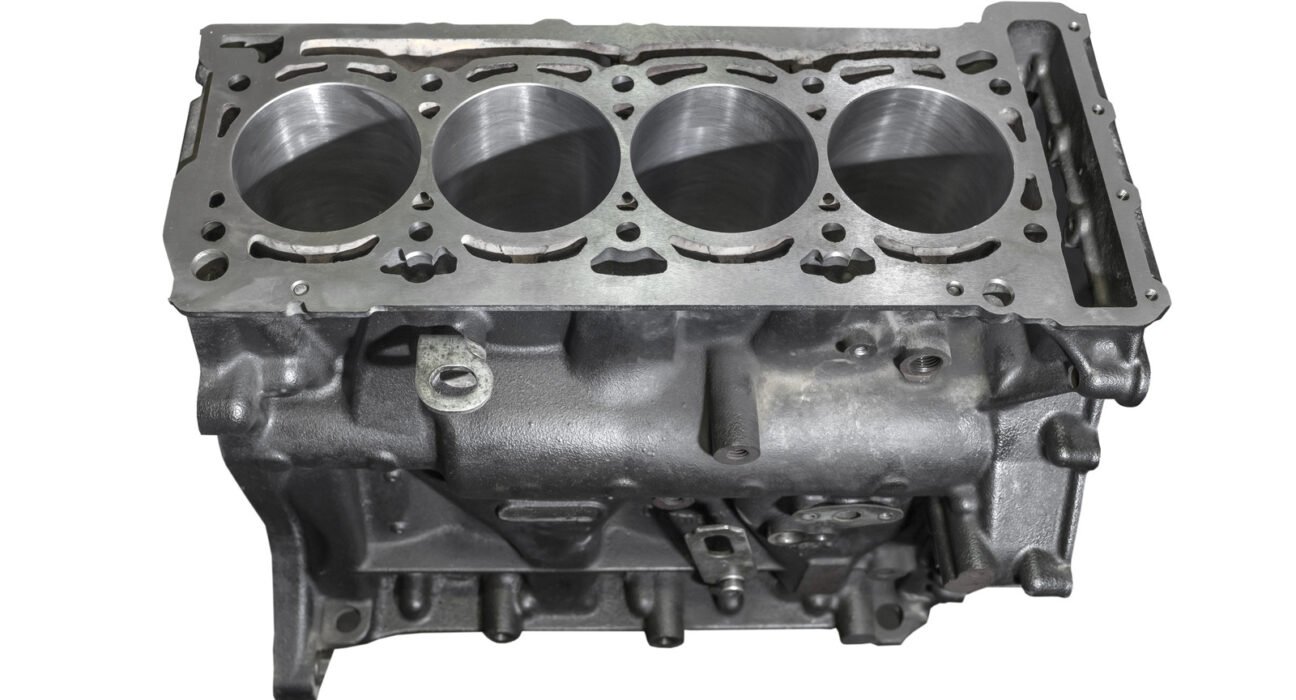
As the structural foundation of your internal combustion engine, the engine block is one of the most important components of your vehicle. Among other things, it provides structural support for internal components such as the crankshaft and houses the cylinders, where the pistons move up and down to help generate the power that propels the vehicle. The engine block also contains galleries that allow oil to pass through to lubricate moving parts, as well as passage openings to circulate coolant and remove heat from moving parts.
At one time, they were often made from cast iron, but these days, most engine blocks have moved to aluminum construction. Both the materials work effectively to withstand the tremendous pressure and heat cycles inside the engine. Yet despite being built to last, the engine block is not indestructible, and some damage can occur. Over time, the deck surface where the cylinder head is mounted can warp, the cylinder walls can deteriorate, and the block itself can crack due to overheating.
Improper installation of engine components, manufacturing defects, coolant freeze, physical impact, poor maintenance, bad water pump, blocked radiator, and material fatigue are also common causes of engine block cracking. But no matter what the cause may be, you generally don’t get diagnosed with a broken engine block without any symptoms.
How can you tell if your engine block is broken
One way to detect a broken engine block in your car is through a fluid leak. Since oil and water circulate in the engine, a cracked engine block may cause a leak under the vehicle if the cracks are external. Typically, external cracks are easy to identify and can often be easily repaired, but if the block is hurting from the inside things become much more complicated and challenging. In that case, oil can mix with coolant within the engine, resulting in the formation of a milky sludge under the oil cap.
If this happens, your engine oil becomes contaminated and is unable to properly clean and lubricate engine components, which can lead to metal-on-metal contact and ultimately cause your engine to fail. Sometimes, coolant can leak into the combustion chamber through cracks and burn as white smoke, which then appears in the exhaust. At other times, a leak in one or more cylinders may cause pressure to be released from the affected cylinders. This leads to low compression and poor combustion, and can result in engine stalling or damage.
Yet another classic red flag is engine overheating. As coolant leaks through cracks, your coolant level will drop over time, causing the engine to overheat. However, as some of you may well know, many of these symptoms are not unique to a broken engine block and can also be attributed to a bad cylinder head or blown head gasket. Therefore, to make sure you are indeed dealing with a broken engine block, experts will often inspect and use methods such as wet Magnaflux testing, pressure testing, or imaging.
How much will it cost to repair a broken engine block?
The average repair of a cracked engine block usually costs around $500 to $3,000, including labor costs. The price often depends on the size and location of the crack, the repair method required, and whether additional damage has occurred. Simple services such as repair of small cracks that do not require complete engine removal and can be sealed from the inside out using sealing agents usually sit at the lower end of the scale.
However, if the damage is more severe and requires welding and machining, or even a complete engine rebuild, the mechanics will have to remove the engine, disassemble it and work on the block before reassembling and reinstalling it. In such cases, it is more likely that you will see much higher figures.
If your mechanic finds a problem with internal parts like pistons, bearings or seals, those parts will likely need to be replaced as well, increasing the cost of engine block repair. Although in more severe cases, complete replacement is often the best course of action, especially if the structural integrity of the block has been compromised by oil and coolant contamination.
A complete engine block replacement can cost you $4,000 to $8,000. If the cost of fixing or replacing the engine block is half or more than the current market value of the car, it will not make financial sense to make repairs and scrapping the car will be the most cost-effective option in the long run.