Adventure bikes have become surprisingly expensive. It’s not unusual to see ADV bikes pushing 15 to 20 grand before luggage, crash protection, or even the first tank of fuel. Yet price alone rarely determines how enjoyable a motorcycle will be once the pavement disappears or the highway stretches into the horizon. The best adventure bikes aren’t necessarily the ones with the longest spec sheets. Sometimes, the motorcycles that leave the strongest impression are the ones that get everything right without demanding a huge investment.
Why has the Middleweight Adventure Class become the hot spot?
The adventure segment has grown in every direction in the last decade. Grand touring flagships have become rolling technology showcases, while lightweight dual sports continue to attract riders pursuing tougher trails. Sitting comfortably between those extremes is the middleweight class, a category that has become the default choice for riders who intend to use their motorcycle for everything rather than actually pursuing a specific mission.
What makes this category particularly attractive is that it demands fewer compromises from everyday riders. A middleweight ADV is just as happy tackling the weekday commute as it is disappearing down a Forest Service road on a Saturday morning or crossing multiple states during a long vacation. You don’t waste your time managing excess weight or wishing for more strength. Instead, you get a motorcycle that adapts to almost any ride you do, and that’s why this segment continues to attract both first-time adventure riders and seasoned veterans alike.
More riders are choosing balance over excess

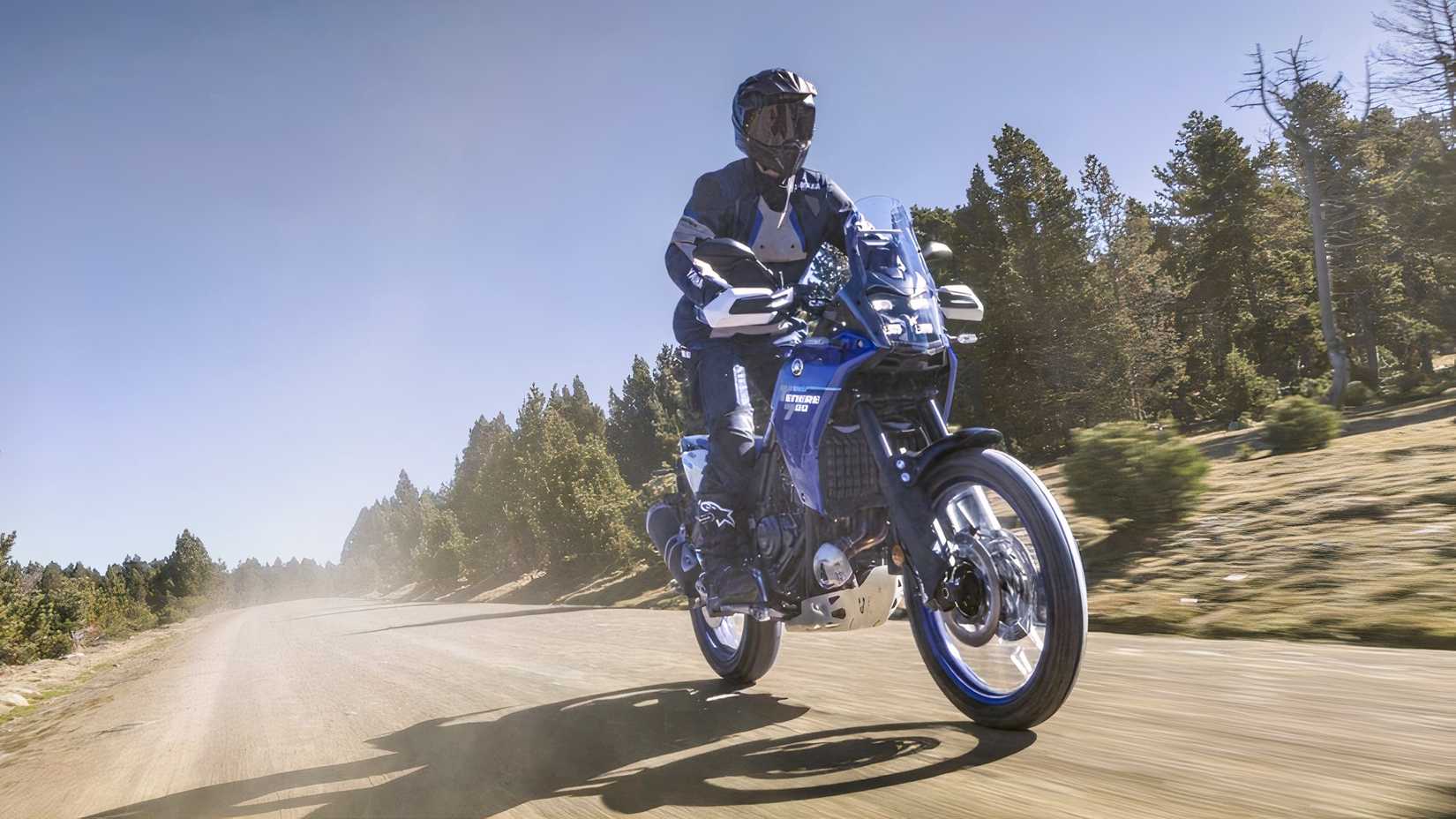
Motorcycles ranging between approximately 700cc and 900cc offer an effective compromise. They’re powerful enough to travel at interstate speeds all day, comfortable enough to cover hundreds of miles over a weekend, and light enough that walking down a gravel road doesn’t become an intimidating experience. They cost less to buy, insure, fuel and maintain than their larger counterparts, making them easier to justify long after the excitement of a new purchase wears off.
Perhaps more importantly, middleweight adventure bikes ask less of their riders. You don’t need professional off-road skills to enjoy it, nor do you need to wrestle with six hundred pounds every time you end pavement. They encourage exploration because they’re accessible, and that confidence often translates into more memorable trips than owning the biggest or most expensive machine in the parking lot.
The characteristics that matter are not always the most attractive
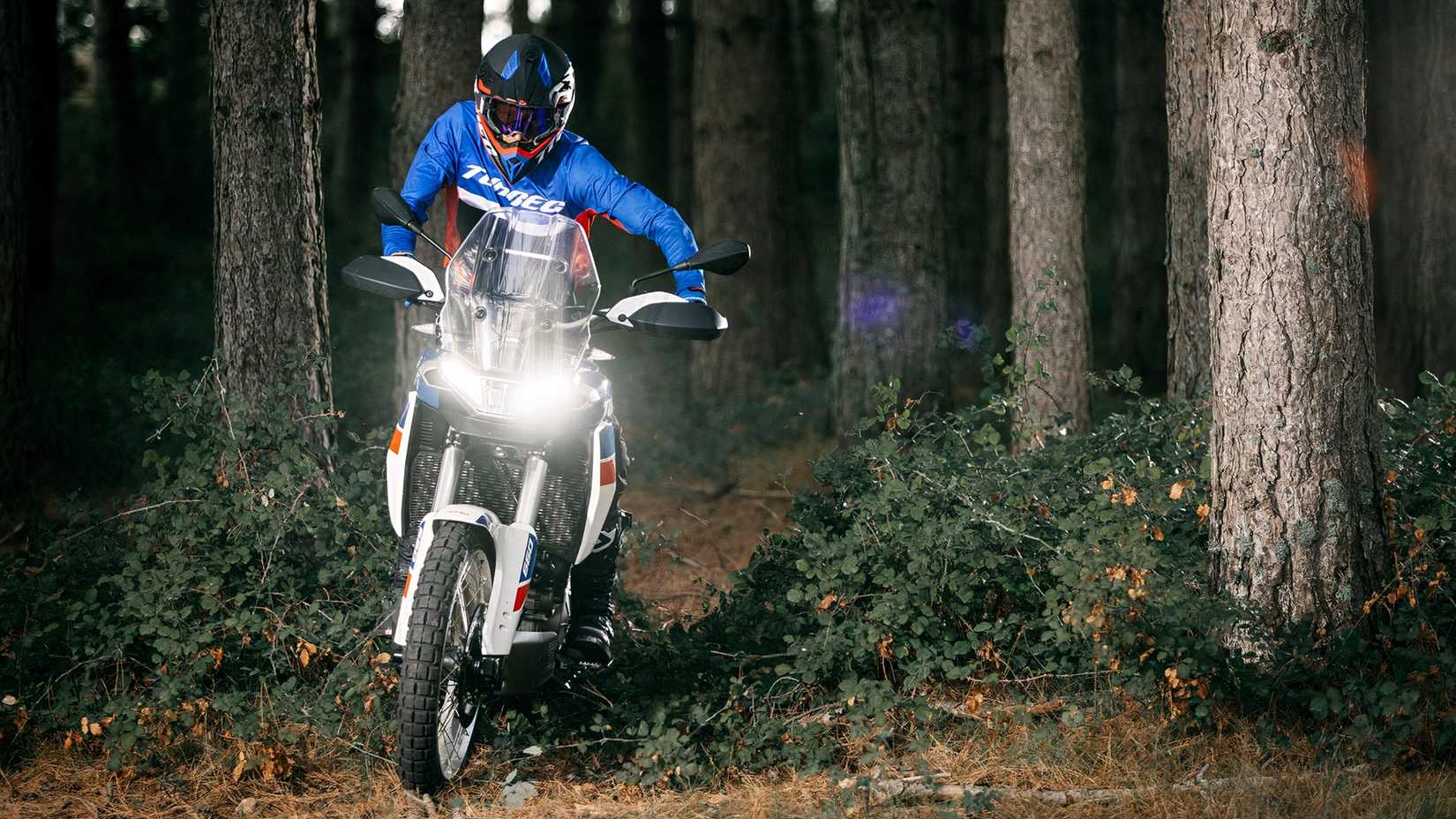
Premium adventure bikes often dominate the conversation because they are loaded with cutting-edge hardware. The semi-active suspension, radar-assisted cruise control, lofty horsepower figures and menus that rival modern luxury cars certainly look impressive on paper. The problem is that many of those features mean little once the ride actually begins.
Instead, riders generally appreciate qualities that do not generate flashy headlines. A predictable engine, well-tuned suspension, comfortable ergonomics and intuitive controls will make every mile of every ride better. Reliability becomes even more valuable when you’re hundreds of miles from home, while a manageable chassis inspires confidence, whether the road is smooth asphalt or loose gravel. Performance almost always beats redundancy, especially over the years of ownership.
Honda XL750 Translap puts more expensive rivals to shame
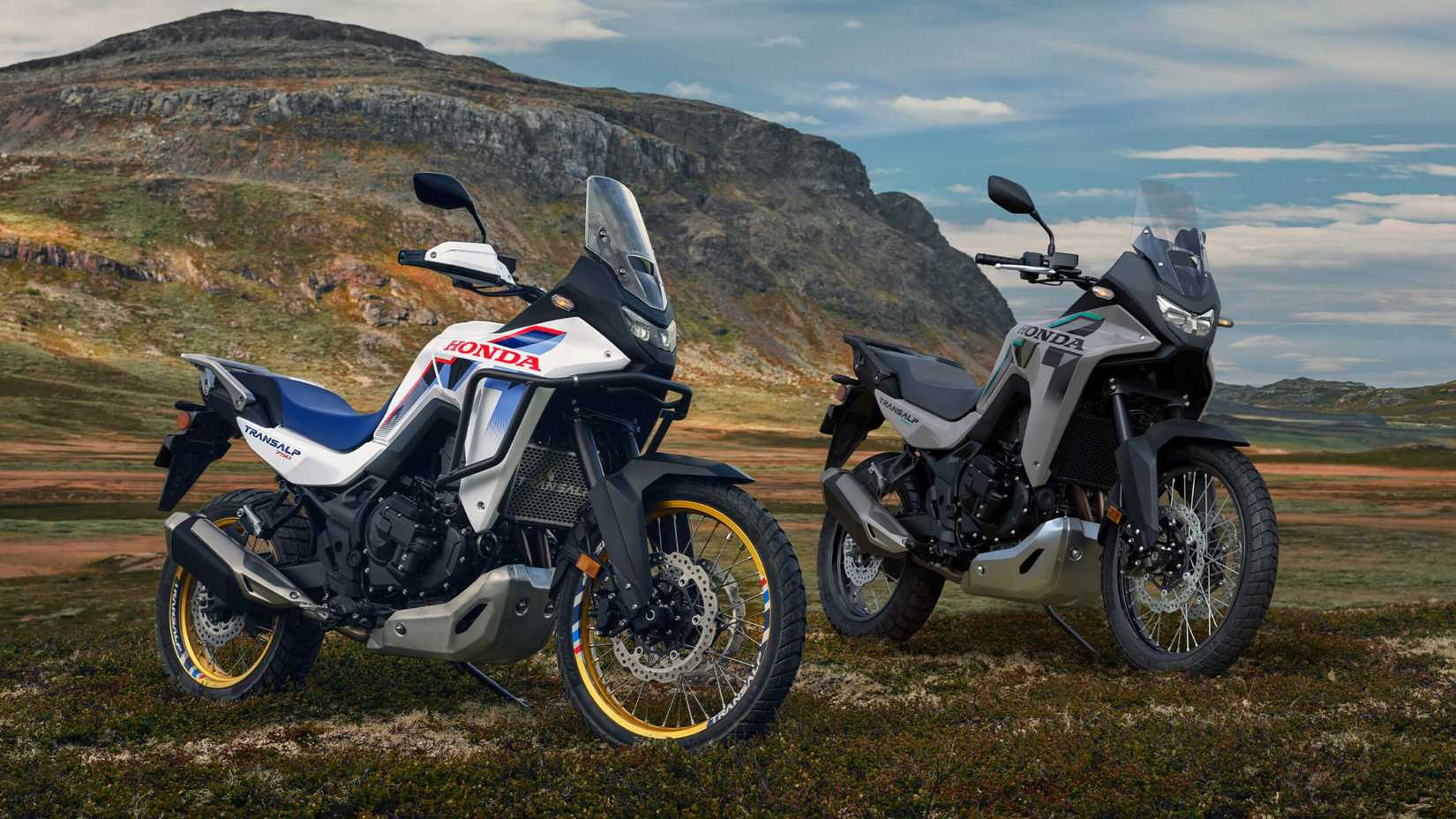
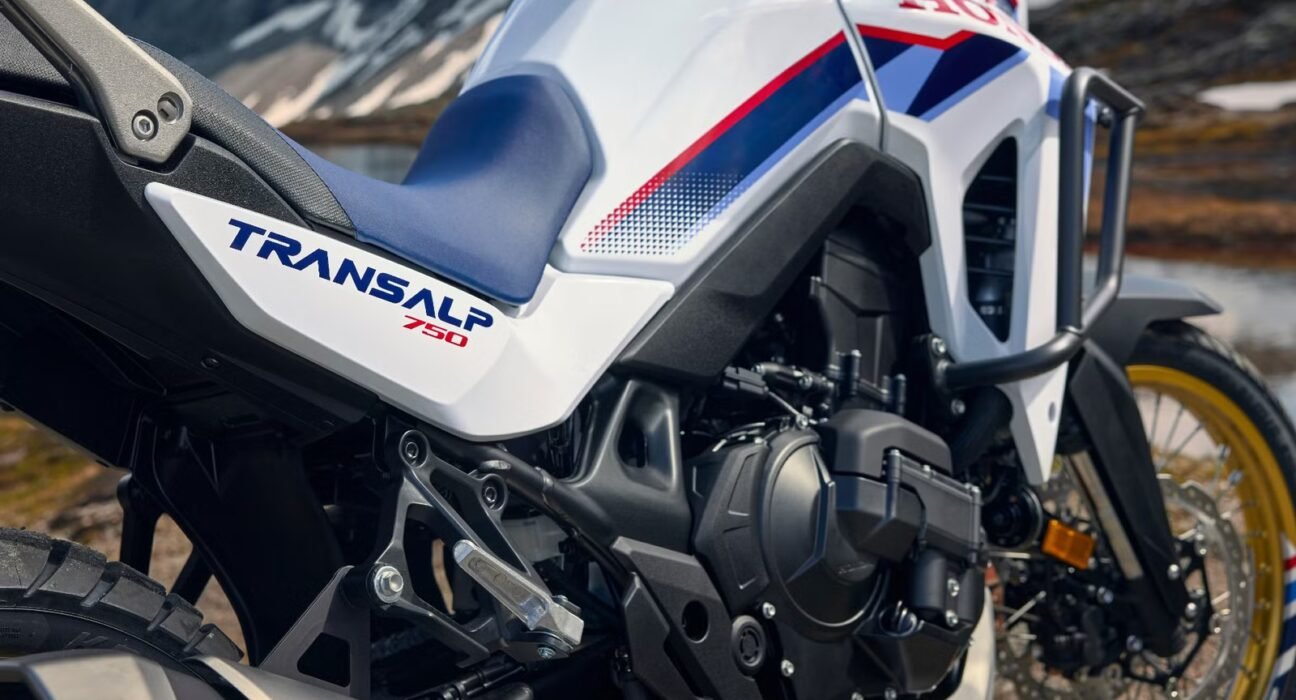
This is exactly where the Honda XL750 Translap shines. Instead of chasing absolute dominance in any one category, Honda created a motorcycle that excels in almost all of them. With an MSRP of $10,199, it outperforms many direct competitors and provides the refinement, capability, and everyday usability riders expect from motorcycles that cost significantly more.
At the heart of the Translap is a 755 cc liquid-cooled parallel twin featuring Honda’s compact Unicam cylinder head design. It produces 90.5 horsepower at 9,500 rpm and 55 pound-feet of torque at 7,250 rpm, mated to a six-speed transmission and Honda’s new-for-2026 e-clutch system. Riders can still traditionally shift whenever they want, but the clutch automatically handles starts and stops, reducing fatigue without removing rider involvement.
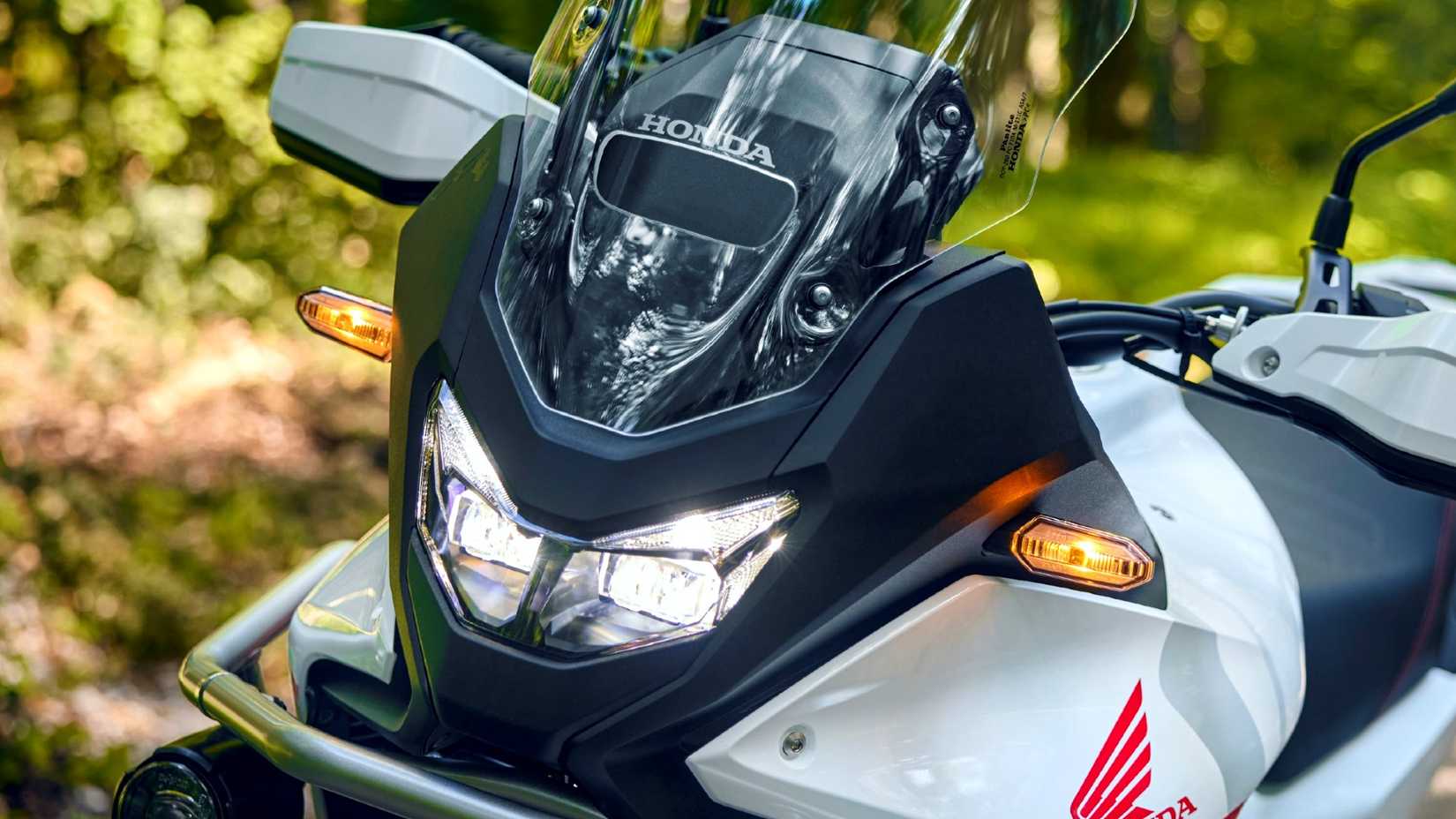
The engine resides inside a lightweight steel diamond frame designed to balance on-road comfort with off-road confidence. Showa offers a 43mm SFF-CA inverted fork with 7.9 inches of travel, while the Pro-Link rear shock offers 7.5 inches. Combined with a 21-inch front wheel, 18-inch rear wheel and 8.3 inches of ground clearance, the chassis gives the Translap real adventure credentials without being intimidating on pavement. Wet weight comes to just 463 pounds.
Translap offers more than its price
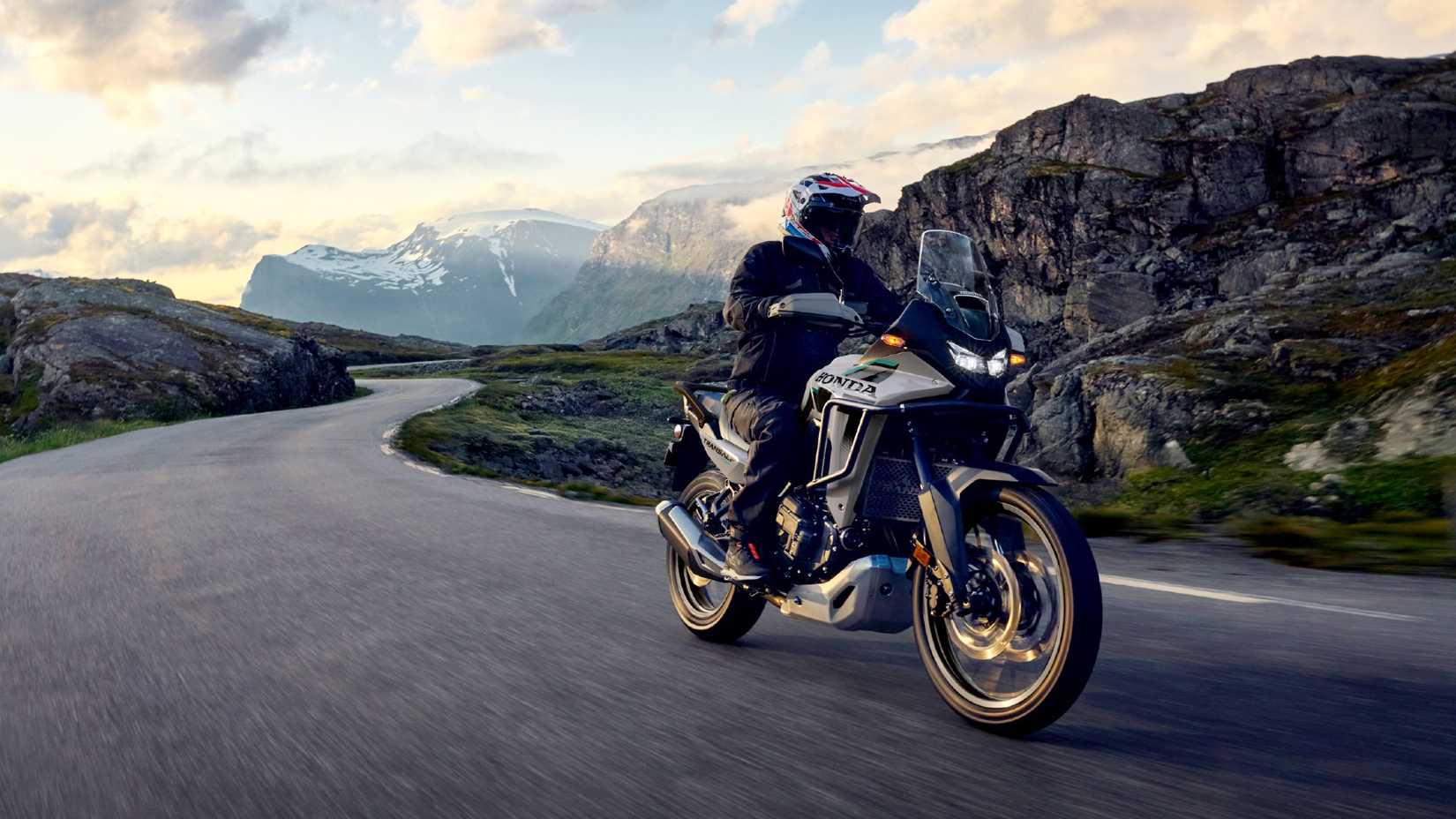
Long-distance comfort is another area where the Translap quietly exceeds expectations. The upright riding position, generous handlebar leverage, narrow midsection, and 33.7-inch seat height create a natural riding triangle that works whether you’re commuting, standing on pegs, or spending all day crossing state lines. The 4.5-gallon fuel tank further strengthens its touring capability by providing useful range between fuel stops.
The technology is modern without being overwhelming. The five-inch full-color TFT display supports Honda RoadSync smartphone connectivity for navigation, calls and music, while the electronics package includes five riding modes: Sport, Standard, Rain, Gravel and User. Honda Selectable Torque Control with integrated wheelie control, dual-channel ABS and emergency stop signal functionality creates a package that improves safety without constantly reminding you.
Translap’s appeal extends beyond the spec sheet. Honda has built a reputation for decades for producing motorcycles that keep working, and the XL750 fits well into that tradition. Service intervals are simple, operating costs remain reasonable, and replacement parts are rarely difficult to obtain. Those practical benefits may not dominate online discussions, but the longer the motorcycle sits in your garage, the more valuable they become.
It doesn’t win by being the most extreme
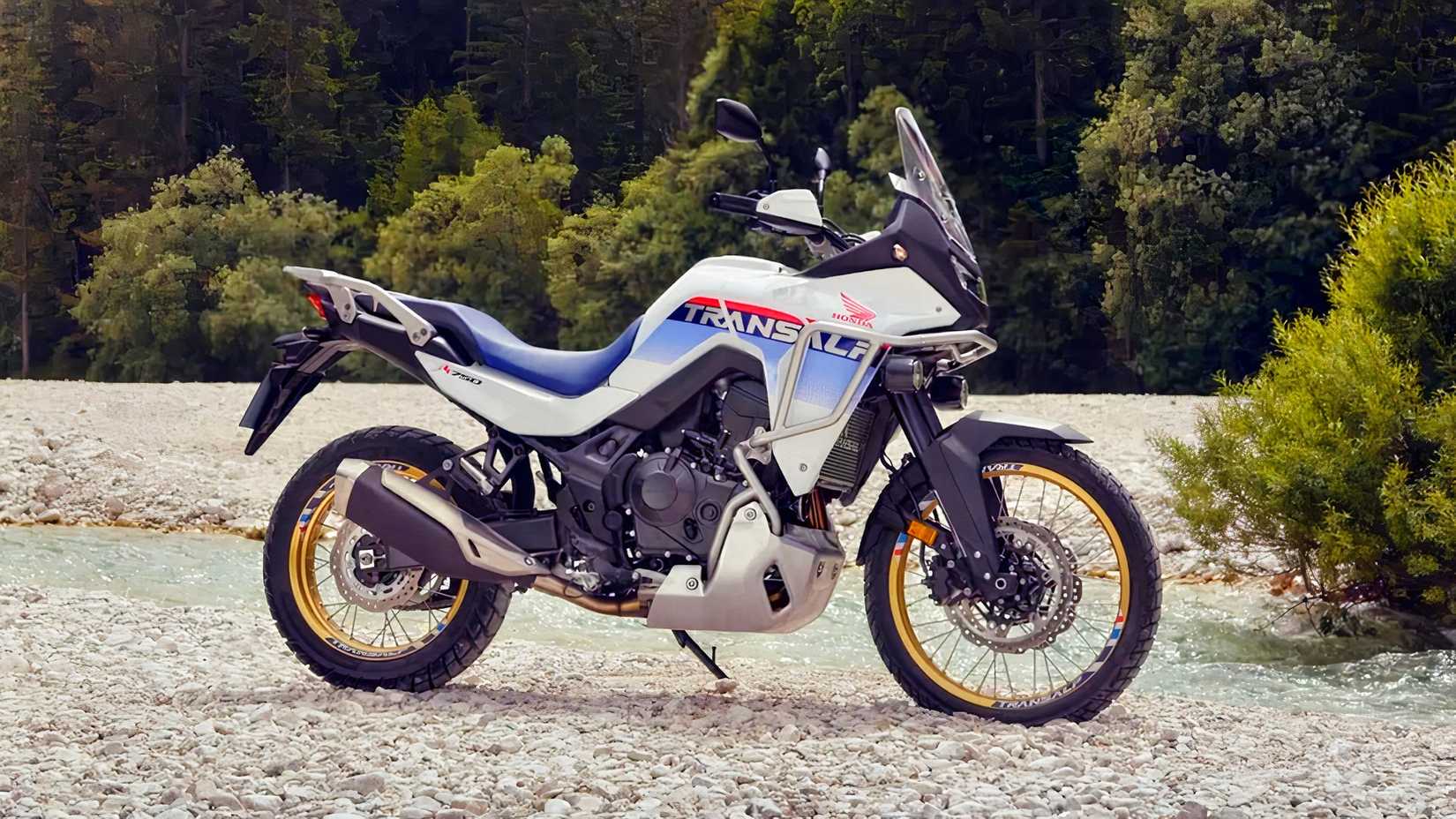
When the trail gets exceptionally technical, the Translap Ténéré isn’t trying to outwit Yamaha, nor is it trying to outwit BMW’s premium touring machines, the GS loaded with every electronic feature imaginable. Instead, Honda focused on creating a motorcycle that could handle almost every situation comfortably without demanding significant compromises from its rider.
That broad capability is what makes Translap so useful in the real world. It can carry luggage and a passenger without turning a long highway stretch into an endurance test, yet it remains manageable when the route narrows into broken pavement, gravel, or an easy trail. There are motorcycles that will perform better in carefully chosen conditions, but few can move between touring, touring and exploring with very little adjustment from the rider. Its versatility is no compromise. This is the whole issue.
Its reliable reputation is worth more than a flashy spec sheet
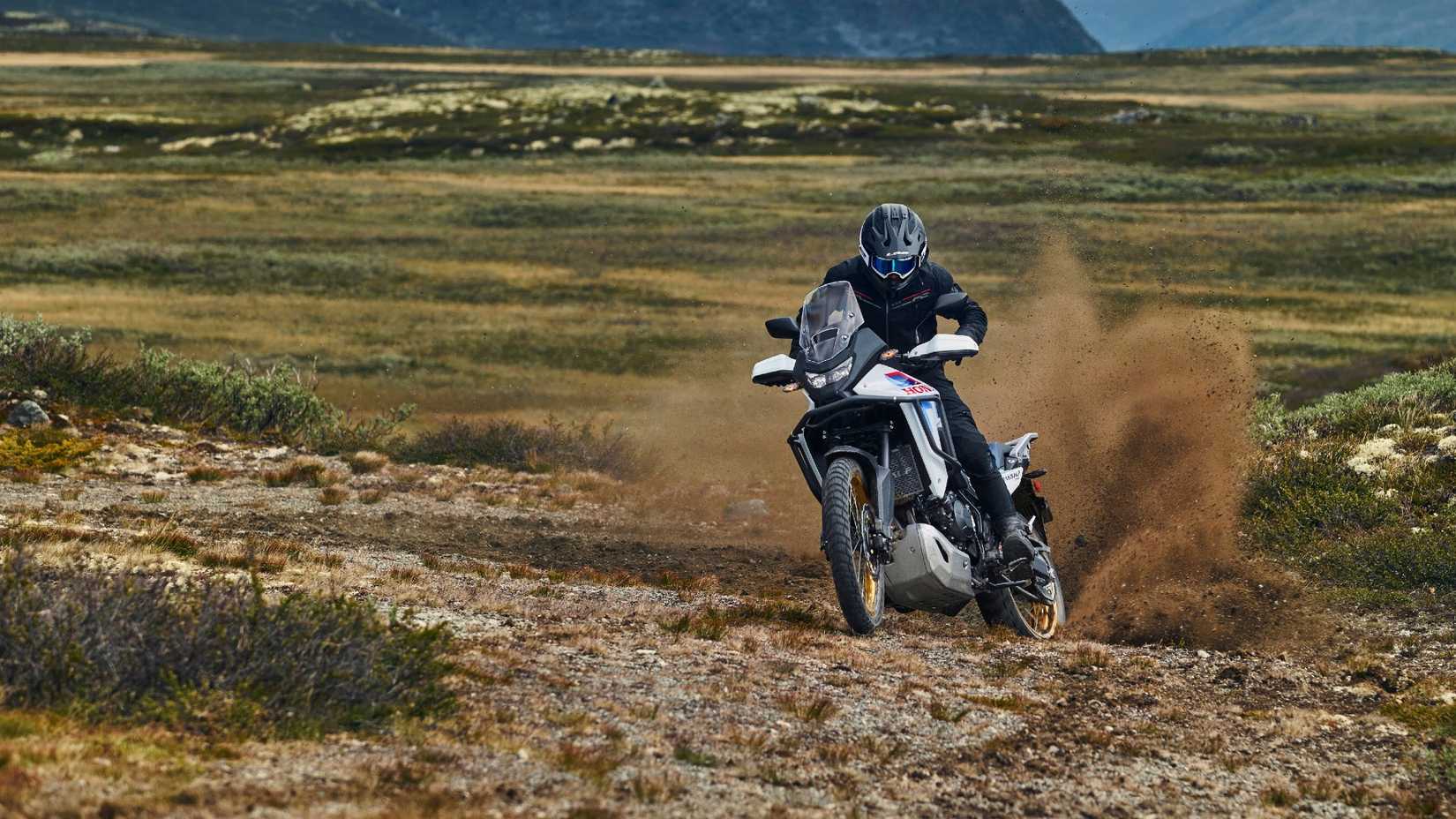
That philosophy ultimately explains why the XL750 Translap is well above its price point. It doesn’t rely on excessive horsepower, luxury-level electronics, or marketing buzzwords to justify its existence. It’s successful because every key component serves a clear purpose, from its inclined parallel twin and balanced chassis to its practical technology and approachable nature. In a category where prices keep climbing, the smartest adventure bike may not be the most expensive. It may just be what encourages you to travel farther, worry less, and keep searching long after the novelty of ownership has worn off.
Source: Honda Powersports