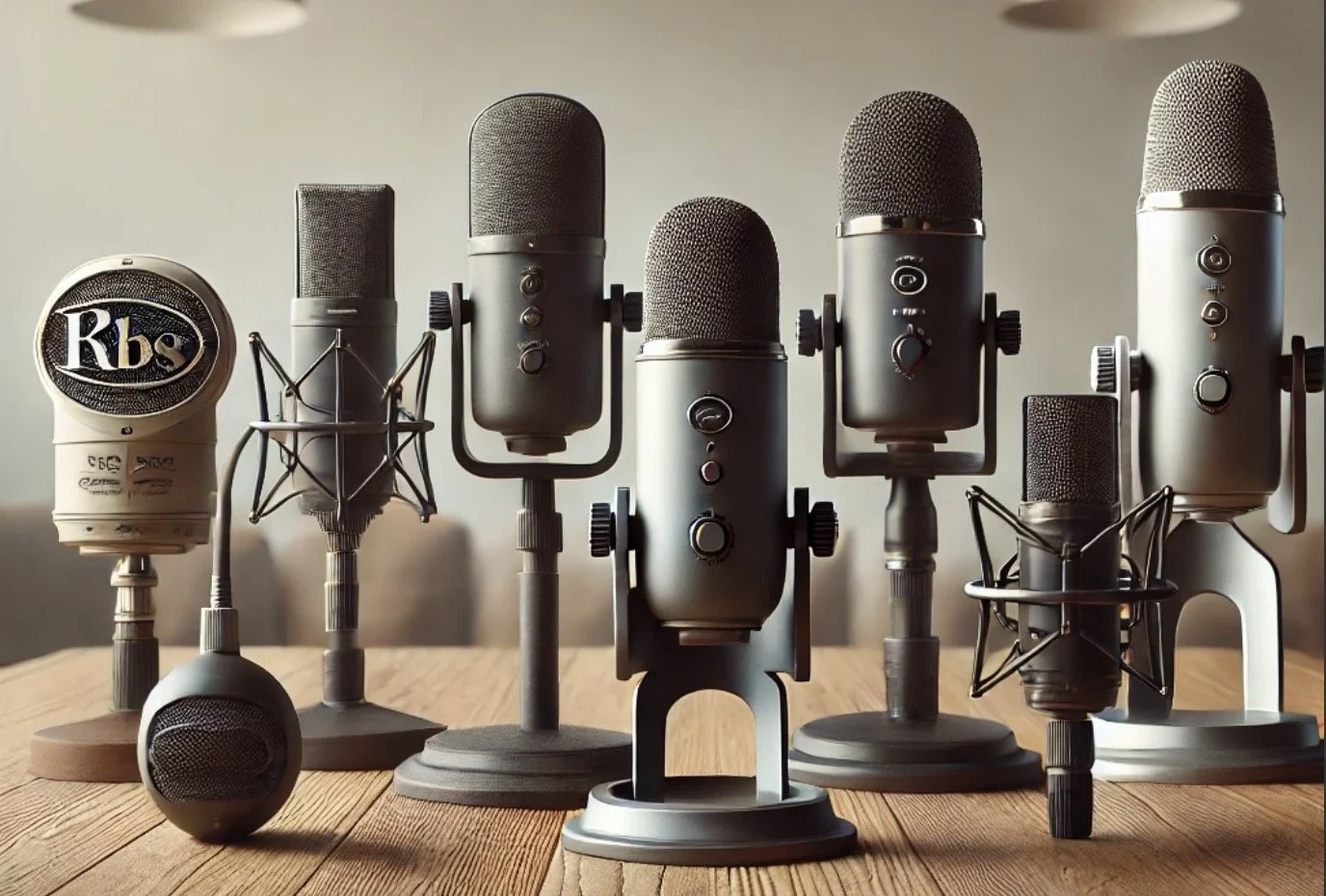
When it comes to podcasting, high-quality audio is non-negotiable, its make or break for this media type and the microphone is perhaps as essential to success as the content you discuss. In this article, I’ve compiled a list of the current ten best microphones for podcasting in 2026, ensuring your podcast stands out with the best sound possible. Below I explore each microphone’s pros, cons, and share some thoughts on the overall performance and value.
1. Shure SM7B

Pros:
Cons:
-
It may not be suitable for budget-conscious podcasters
Why We Like It:
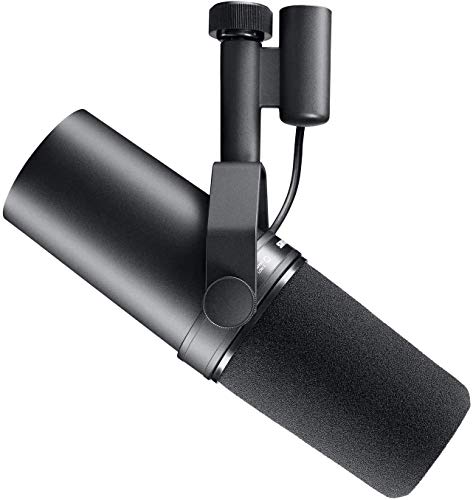
The Shure SM7B is an excellent choice for professional or home podcast setups and is often considered a gold standard for podcasters, radio hosts, and voice-over artists.
As a dynamic microphone, it’s less sensitive to background noise than condenser microphones, making it great for environments without perfect sound isolation.
It has a built-in pop filter to reduce breathiness and mechanical noise, delivering a smooth and professional sound.
However, this microphone requires a strong preamp or audio interface due to its need for high gain. It’s favored for its rich, full-bodied sound quality and voice detail capture.
2. Audio-Technica AT2035


Pros:
-
Crystal-clear sound: Produce clean audio with low self-noise.
-
High SPL handling: Ideal for recording in louder environments.
-
Budget-friendly: An affordable option for its performance.
Cons:
-
Requires phantom power (XLR connection): Not a plug-and-play USB option.
-
Not as rugged as higher-priced microphones: Handle with care.
Why We Like It:
The Audio-Technica AT2035 is an excellent choice for podcast studios. Its large-diaphragm condenser microphone design offers a rich, full sound that captures various frequencies and dynamics, making it suitable for multiple voice types with a high or low pitch.
The cardioid polar pattern of the AT2035 helps to isolate the speaker’s voice from unwanted background noise, especially in less-than-ideal recording environments.
The switchable 80 Hz high-pass filter can also be beneficial for reducing low-frequency background noise such as traffic rumble or air conditioning noise.
Its robust construction and included custom shock mount provide durability and isolation, preserving the sound quality over long-term use.
However, remember that as a condenser microphone, the AT2035 requires power to operate. So, you’ll need to ensure that your audio interface or mixer can provide this.
3. Rode NT-USB Mini

Pros:
-
User-friendly USB microphone: Easy plug-and-play setup.
-
Studio-quality sound: Built-in pop filter ensures excellent audio.
-
Compact and portable: Ideal for mobile podcasters.
Cons:
-
Limited customization: Not as versatile as XLR microphones.
-
Less suitable for noisy environments.
Why We Like It:
The Rode NT-USB Mini is a good choice for podcasting, especially for beginners or those seeking an easy-to-use, high-quality microphone.
This compact USB microphone delivers excellent sound quality suitable for voice and instrument recording. It’s designed with a cardioid pickup pattern, which helps to isolate the speaker’s voice and minimize background noise.
One of the significant advantages of the Rode NT-USB Mini for podcasters is its simplicity and ease of use. As a USB microphone, it can be plugged directly into a computer without needing an external audio interface, which can benefit those just starting with podcasting.
In addition, the NT-USB Mini has a built-in pop filter to reduce plosive sounds and a built-in headphone amplifier with precision volume control to allow for real-time monitoring. I also like that they sell color-coded accessories for this microphone, meaning that if you have a multiple-microphone studio, assigning a color to each podcaster means there will be no mix-up in whose microphone belongs to whom.
Despite its small size, the Rode NT-USB Mini delivers a professional, studio-quality sound, making it a good podcasting option.
4. HyperX QuadCast 2

Pros:
-
Eye-catching RGB lighting: Customize your setup for visual appeal.
-
Versatile recording: Four polar patterns for various recording scenarios.
-
Anti-vibration shock mount: Reduces unwanted noise.
Cons:
-
RGB lighting might not suit all users: Personal preferences may vary.
-
Controls can be finicky: Some users may find adjustments challenging.
Why We Like It:
The QuadCast 2 is a USB condenser microphone that offers multiple polar patterns, including cardioid, the most commonly used pattern for podcasting, as it captures sound directly in front of the microphone and minimizes background noise.
It also has an onboard gain control to adjust the microphone sensitivity and a built-in pop filter to reduce plosive sounds that can occur during speech. These features are handy for achieving a precise and professional sound for podcasting.
One distinctive feature of the QuadCast 2 is its touch-sensitive mute control, providing an easy way to mute your audio quickly, if necessary.
Additionally, it has customizable RGB lighting, which doesn’t affect the sound quality but adds a bit of aesthetic appeal for anyone streaming video along with their audio podcast. To tune up and dial in your sound, I also like that they include HyperX NGENUITY Software, a proprietary system for making tweaks that is incredibly useful and simple to use.
With its rich sound and useful features, the HyperX QuadCast 2 can be a good choice for podcasting, particularly for those who incorporate video into their podcasts.
5. Logitech for Creators (Blue Yeti)

Pros:
-
Easy-to-use controls: Simple adjustments for podcasters of all levels.
Cons:
-
Occasional driver issues: Users may experience connectivity challenges.
-
Background noise pickup: Not the most noise-rejecting microphone.
Why We Like It:
Logitech acquired microphone and recording specialists Blue Yeti back in 2018, and it has largely remained separate since. However, we are starting to see some naming of the devices being switched to Logitech.
The Logitech for Creators Blue Yeti USB Microphone makes an excellent choice for podcasters because it delivers professional-quality audio with plug-and-play ease. It features a three-capsule condenser array and supports multiple pickup patterns—cardioid, omnidirectional, bidirectional, and stereo—so you can tailor your setup whether you’re solo or interviewing a guest.
For podcasting specifically, the cardioid mode is ideal: it focuses on the speaker’s voice and minimizes background noise, giving you crisp and clear vocals. It works on both PC and Mach makes setup fast and accessible even for beginners
In short: professional sound, flexible configuration, and easy setup—all key factors for podcasting success.
6. Sennheiser MKH 416

Pros:
-
Broadcast-quality sound: Professional-grade audio for captivating podcasts.
-
Off-axis rejection: Minimize unwanted noise from the sides.
-
Compact and lightweight: Ideal for portability.
Cons:
-
High price point: Designed for professional use, may not fit all budgets.
-
Requires phantom power (XLR connection): Additional investment needed.
Why We Like It:
The Sennheiser MKH 416 is a highly respected microphone in the industry and is particularly well-known for its use in film, television, and voice-over work.
It’s a short shotgun microphone with a super-cardioid polar pattern that provides excellent directively and off-axis sound rejection. This makes it great for isolating the speaker’s voice.
However, there are a few considerations to keep in mind. The MKH 416 is a professional-level microphone requiring an XLR connection and phantom power, so you’ll need an audio interface.
It’s also quite expensive compared to other popular podcasting microphones. But it provides fantastic sound quality, with a natural yet rich voice reproduction that is perfect for spoken words.
While the Sennheiser MKH 416 may not be the first choice for beginners due to its cost and requirement for additional equipment, it’s an exceptional option for professional podcasters who want the best sound quality.
7. Audio-Technica AT2040USB
Pros:
-
Plug and Play USB connectivity
-
Affordable price: Excellent audio quality without breaking the bank.
Cons:
-
USB-A is understandable in inclusion but dated
Why We Like It:
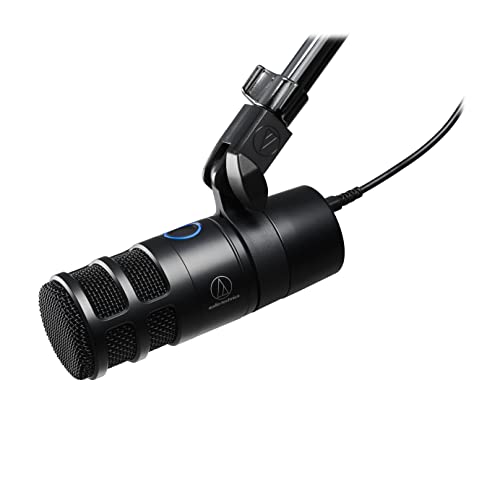
The Audio‑Technica AT2040USB Microphone is an excellent choice for podcasters, thanks to a combination of pro-level features and simplicity, making it accessible for productions at all levels.
Its hyper-cardioid dynamic capsule narrows the pickup angle much more than a standard cardioid pattern, meaning it focuses very tightly on your voice and rejects side and rear noise, making it ideal for untreated rooms or busy environments.
It includes a built-in shock mount and robust metal body to minimize handling noise or desk vibrations—a big plus when you’re podcasting live or with minimal gear. You may not think it is that important, but even bumping and touching a desk in front of you can ruin audio, and this is a simple fix to reduce motion-induced sound.
It also features a direct USB-C connection with 16/24-bit, up to 96 kHz sampling, enabling high fidelity without needing a separate audio interface. Onboard controls—mute button with LED ring, mix control, built-in headphone jack with zero-latency monitoring—give you real-time control and monitoring convenience. In short, it offers clean, focused voice capture plus easy setup, making it a strong pick for podcast creators who want solid sound without complex gear.
8. Razer Seiren v3

Pros:
-
User programable toggle button for muting and lighting
-
Gain limiter and shock absorber built in
Cons:
-
Audio quality not on par with higher-priced options: Professionals may seek better performance.
-
LED lighting might be distracting: Subjective to personal preference.
Why We Like It:
The Razer Seiren V3 is a strong pick for podcasters thanks to its high-quality audio and user-friendly features. Its super-cardioid condenser capsule captures vocals with clarity while reducing external interference.
With 24-bit/96 kHz resolution, it delivers professional-level recordings without needing extra equipment. The built-in tap-to-mute sensor and volume dial give you quick, on-mic control, making live podcasting smoother. And for stream-podcast hybrids, its customizable RGB lightingors, note it’s best in reasonably quiet environments to get the most from its pickup pattern
9. AKG Lyra


Pros:
-
Ultra-HD multi-capture mode: Versatile recording options.
-
Sturdy construction: Durability for long-lasting use.
Cons:
-
Non-height-adjustable tripod stand: Users may prefer more customization.
Why We Like It:
The AKG Lyra is a good choice for podcasting. It’s a versatile USB microphone that delivers high-definition audio quality.
One of the standout features of the AKG Lyra is its four-capsule array. This allows the microphone to offer multiple pickup patterns (front, front and back, tight stereo, and wide stereo), which can be beneficial for podcasting in various scenarios, whether recording a solo podcast, an interview with a guest, or a multi-person podcast.
The Lyra also has a built-in shock mount and internal diffuser.
In terms of ease of use, the AKG Lyra is very user-friendly. As a USB microphone, it can be plugged directly into your computer, making setup quick and easy. It’s compatible with Windows, Mac, and even mobile devices (with the appropriate adapter) and works with all major recording software.
While the AKG Lyra might not have some features of high-end professional microphones, its sound quality, versatility, and ease of use make it an excellent choice for beginner to intermediate podcasters.
10. Rode PodMic

Pros:
-
Broadcast-quality sound: Optimize your podcast with superior audio.
-
Rugged and durable construction: Built to withstand regular use.
-
Excellent price-to-performance ratio: Value for money.
Cons:
-
Requires an audio interface (XLR connection): Extra investment is needed for the best results.
-
Not as versatile as other microphones: Designed primarily for podcasting.
Why We Like It:
The Rode PodMic is an excellent choice for podcasting. It’s designed specifically with podcasters in mind.
In terms of sound quality, the PodMic delivers a rich, balanced sound that is excellent for capturing spoken words. Its built-in pop filter helps minimize plosive sounds that can often be problematic in vocal recordings.
While the PodMic doesn’t have the convenience of a USB connection (it uses an XLR connection), it’s designed to work well with the RODECaster Pro, Rode’s podcast production studio. If you use them together, you can use the RODECaster Pro’s presets for the PodMic to get a great sound quickly.
So, for podcasters looking for a robust, high-quality microphone that delivers professional-level audio, the Rode PodMic can be an excellent choice.