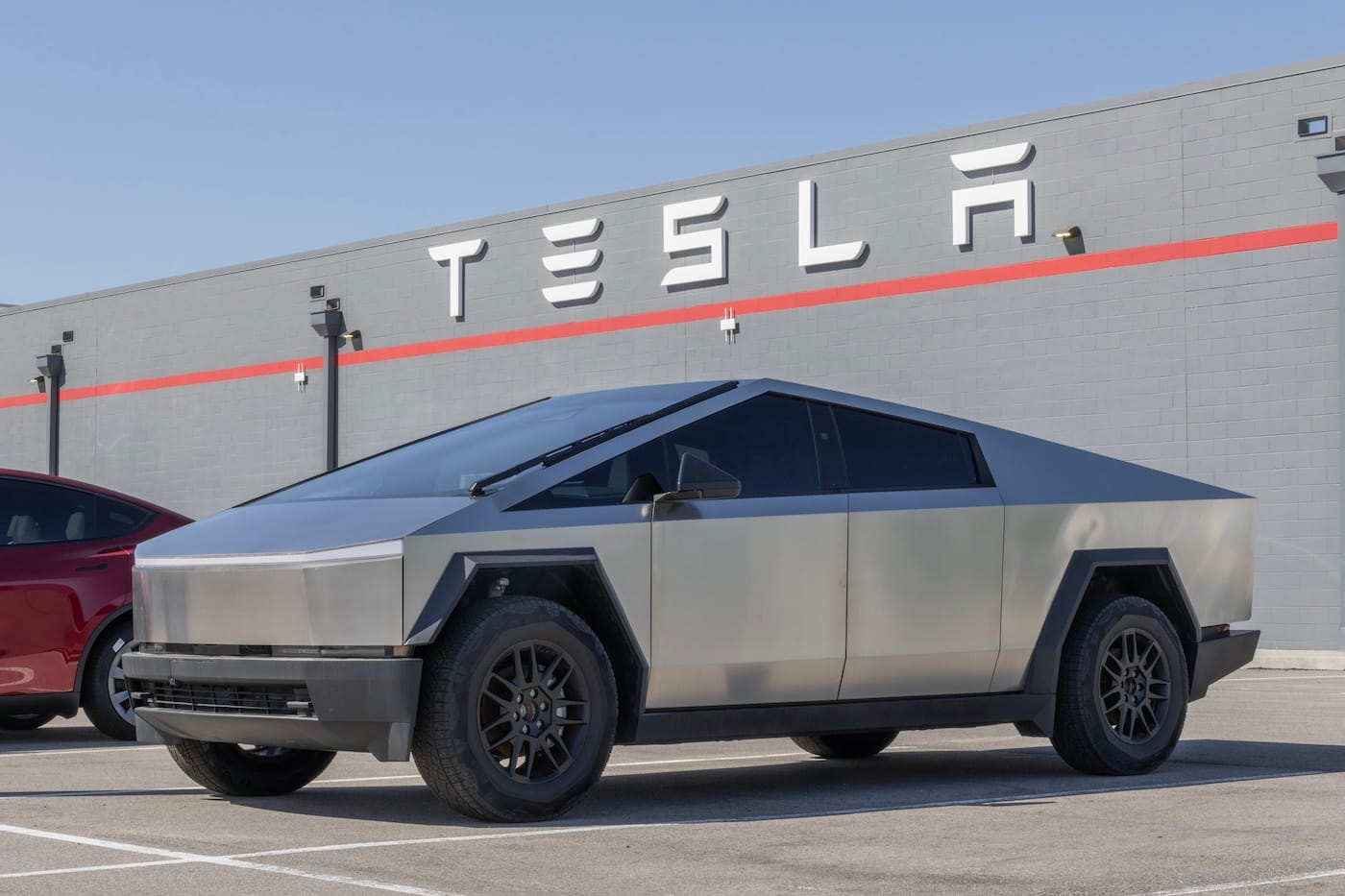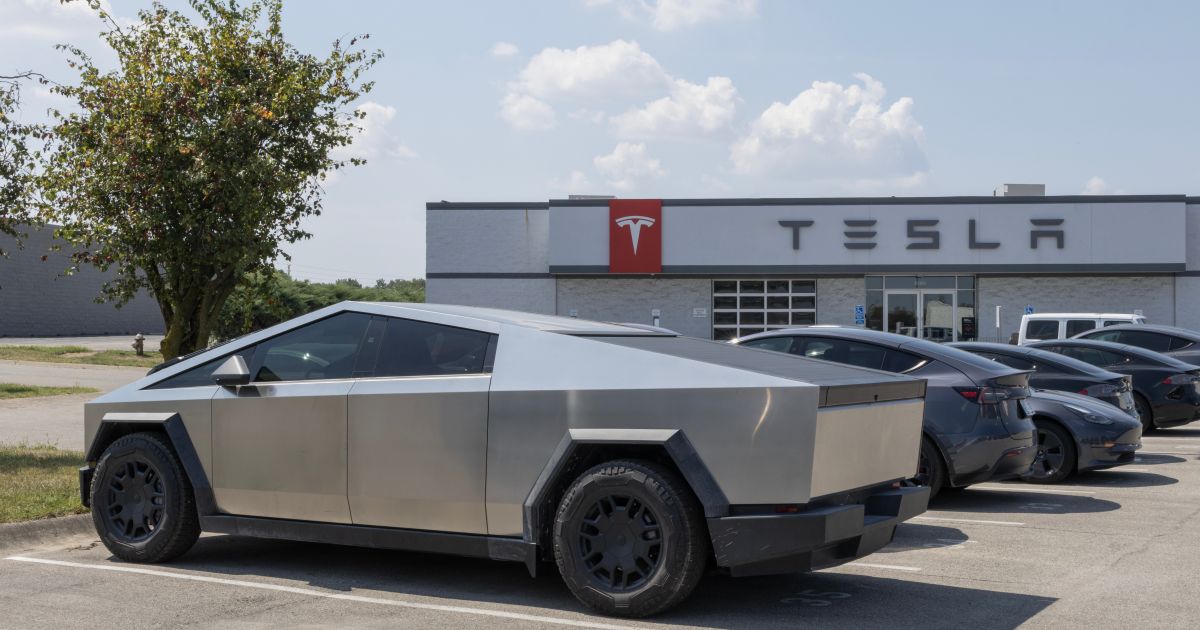
Tesla is nearing 100,000 vehicles sold in Korea in a single year, a milestone no imported car brand has reached before.
The U.S. carmaker’s run in Korea stands out as its worldwide growth slows. Analysts attribute it to competitive pricing, expectations for its self-driving technology and strong brand appeal.
Tesla sold 9,165 vehicles in Korea in October and remained the best-selling imported brand for a ninth straight month since February, according to data the Korea Automobile Importers and Distributors Association (Kaida) released Wednesday. October sales fell 25.9 percent from 12,372 in September, but registrations from January through October reached 98,313, up 105 percent from the same period in 2025.
-
EVs fuel surge in imported car sales
-
Tesla Korea seeks exemption to unlock FSD for China-made cars
-
Musk warned of a chip glut from China in 2028, but experts aren’t so sure
The Korean numbers run against Tesla’s global trend. The company’s worldwide deliveries fell 2.1 percent on year in the third quarter, while its sales in Korea rose 35.3 percent.
Tesla began sweeping the Korean market once Model Ys built at its Shanghai factory started arriving.
“The United States has trade barriers against Chinese-made EVs, but Korea offers relatively favorable export conditions,” Kim Han-sol, a principal researcher at the Korea Automotive Technology Institute, said. “It was easy for Tesla to supply Korea with cars made at its Shanghai plant, and it appears to have priced them strategically well.”
“Korean consumers are active in giving feedback on their driving experience, so Tesla is expanding in the Korean market to secure data, even if it means lowering prices,” the
Buyers in their 30s and 40s are driving the boom. Those in their 40s accounted for 26,134, or 29.3 percent, of new Tesla registrations from January through September, and those in their 30s for 25,327, or 28.4 percent the two groups made up 57.7 percent, or nearly six in every 10 new Teslas
Over-the-air software updates, which keep improving a car’s functions after purchase, also appeal to buyers in their 30s and 40s who are used to smartphones.
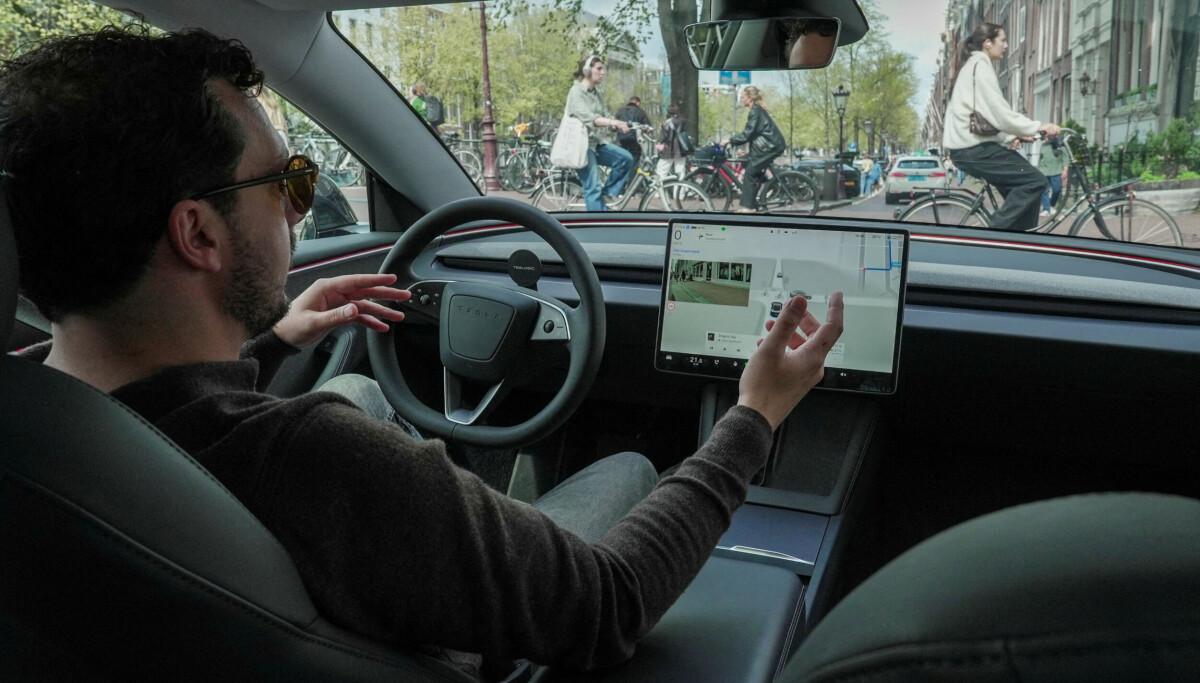
“Expectations that China-made Teslas will someday be able to use Full Self-Driving [FSD] likely had a big influence on purchases too,” Lee Hang-koo, a special-appointment professor at Namseoul University, said.
U.S.-built Teslas can already run FSD in Korea under a Korea-U.S. FTA provision that recognizes U.S. safety standards, but China-made models cannot. Tesla applied to the Ministry of Land, Infrastructure and Transport on Oct. 22 for a special exemption that would allow the feature on its China-made cars as well.
“Hyundai Motor and Kia holding 70 to 80 percent of the domestic market was itself a rare case among advanced economies,” Moon Yong-kwon, an analyst at Shinyoung Securities, said. “It is the result of consumers’ choices diversifying as income levels rise.”
Korean carmakers are now caught between Tesla and Chinese EV makers. BYD sold 1,594 vehicles in Korea in October and ranked No. 5 among imported brands behind Tesla, Mercedes-Benz with 6,744, BMW with 5,633 and Volvo with 1,682. Chinese carmakers, including Changan and Chery, are expected to enter the Korean market in 2027.
Hyundai Motor plans to fight back with financing and after-sales service.
“We will raise the competitiveness of our installment financing against Tesla and Chinese automakers and differentiate our EV customer care based on our service network,” Lee Seung-jo, Hyundai Motor’s CFO, said during the company’s third quarter earnings call on Oct. 29.
Kim Pil-soo, a professor of future automotive engineering at Daelim University, was unconvinced.
“Installment financing is the most basic kind of response,” the professor said. “Chinese EVs are price-competitive even without subsidies, so what difference would installment plans make?”
Korean-made electric vehicles’ share of the domestic EV market fell to 57 percent in 2025, down 16.7 percentage points from 2019, according to a report released in November by the Federation of Korean Industries (FKI). The FKI estimated that if China continues to expand its share of global EV exports, about 2.2 trillion won ($1.6 billion) worth of Korea’s EV exports could face competitive risk in 2030.
“Policy support measures such as a domestic production tax credit need to be considered to expand Korea’s domestic EV production base,” Lee Sang-ho, head of the FKI’s economic division, said.