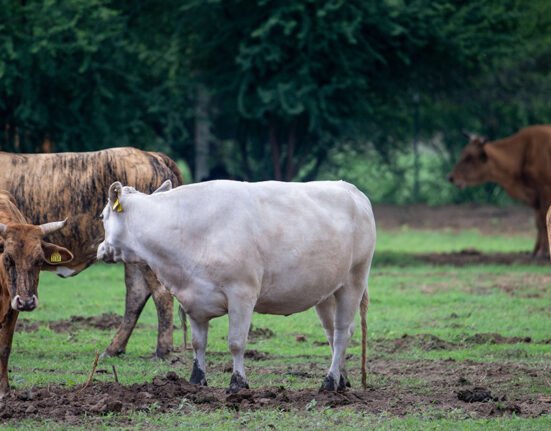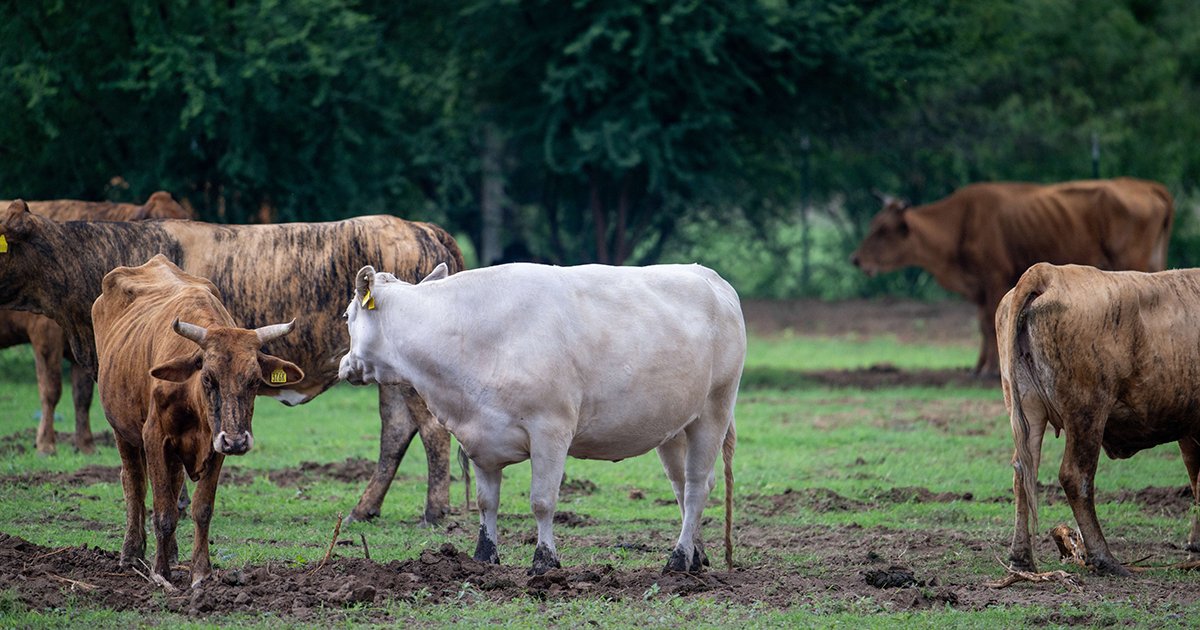
Cattle were grazing on a farm in Quemado, Texas, on June 2. (Brandon Bell/Getty Images North America/Bloomberg)
key takeaways:
- New World screwworm infection in Texas has expanded beyond the initial area to at least a dozen cases, including in cattle and sheep, prompting stepped-up containment efforts.
- The parasite threatens U.S. cattle herds that are already at a 75-year low, with restrictions on movement slowing the rebuilding and potentially driving up beef prices.
- Officials are counting on sterile fly releases to stop the outbreak, but expanded US production will not begin until November 2027, leaving near-term uncertainty over the spread.
New World screwworm is expanding beyond the initial containment zone in Texas as the number of infections rises by a dozen, adding some urgency to efforts to stop the deadly insect threatening US cattle herds.
The parasitic fly was detected late last week in a sheep in Sutton County and a cattle in Tom Green County, about 200 miles from the first U.S. case in South Texas, according to the . US Department of Agriculture. This brings the total number of infections to at least a dozen, including eight head of cattle.
Read more: JBS to close Pennsylvania beef plant amid cattle shortage
Further spread to Texas or other states “would be a very bad milestone,” said Andy Moorhead, associate professor at North Carolina State University. Moorhead, who also leads the American Association of Veterinary Parasitologists, said the conversation at the group’s annual meeting earlier this month was “nothing but screwworms.”
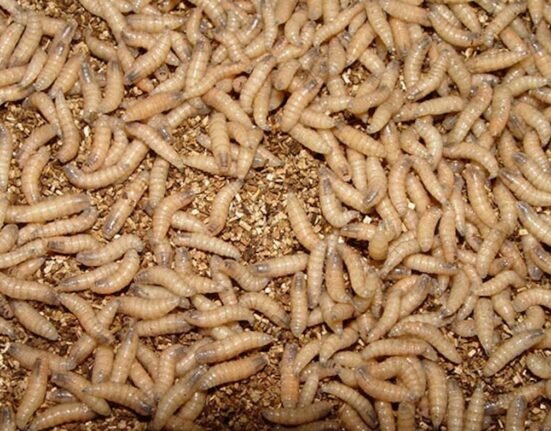
The screwworm is a fly that lays its eggs in the open wounds of warm-blooded animals. Its larvae burrow into flesh and can kill animals if not treated. The initial case in Zavala County was the first in the US in a decade and the first in domestic livestock in nearly five decades.
While screwworm does not affect food security, it poses a threat to the U.S. cattle industry, as drought and high production costs have driven the nation’s livestock population to a 75-year low. Restrictions on movement are likely to delay herd rebuilding, leading to even higher record beef prices for consumers.
Gov. Abbott launched a free online course to certify additional New World screwworm inspectors throughout Texas.
This initiative empowers the public and private industry to inspect and certify livestock movement, ensuring the safety of our livestock, wildlife and keeping the food supply secure. pic.twitter.com/2Oj9GkrkpR
– Governor Abbott Press Office (@GovAbbottPress) 13 June 2026
Under the restrictions, animals cannot be moved out of affected areas without authorization, and Texas Animal Health Commission representatives also must inspect carcasses before removing them from the areas.
Stephen Diebel, president of the Texas and Southwestern Cattle Raisers Association, said short-term movement protocols are already giving the state’s cattlemen “many more benefits” than in the 1970s, when the pest spread to 1.5 million cattle in Texas.
Still, the strategy that worked best to eliminate screwworm at the time — and the government’s main weapon in the current outbreak — is more than a year away from being fully implemented. The battle plan includes creating an army of sterile flies to stop the parasite from breeding, and the plant in Texas that aims to significantly increase production of the flies will not begin operating until November 2027.
Currently, the only sterile fly facility is a plant in Panama that is producing only a fraction of the insects needed for an effective response. Concern is about how far the screwworm will spread before the US plan is fully implemented.


Mark Hill, CEO of PCS Software, examines what “agent AI” means for modern fleet operations. Tune in by going above or RoadSigns.ttnews.com.
Agriculture Secretary Brooke Rollins said last week that the US “will not be able to eliminate it until we get a few hundred million more flies, but we will be able to control it.” He added that he “doesn’t yet have enough understanding” of how far the screwworm might spread in the meantime.
Diebel also couldn’t speculate on the potential spread of the parasite, but he said, “We have very good measures in place with our current fly production spread” that will keep growers in good shape until production increases.
Others see more urgency in getting the Texas plant up and running. The U.S. will probably be “inefficient for some time” in its sterile fly spread, said Arlan Suderman, chief commodity economist at StoneX Group, and even then the spread will depend on how effectively those flies mate.
“My fear is that we’re talking two to three years to stop the spread,” Suderman said. “But part of it depends on how many New World screwworms are already in the United States. It’s certainly likely there are more.”