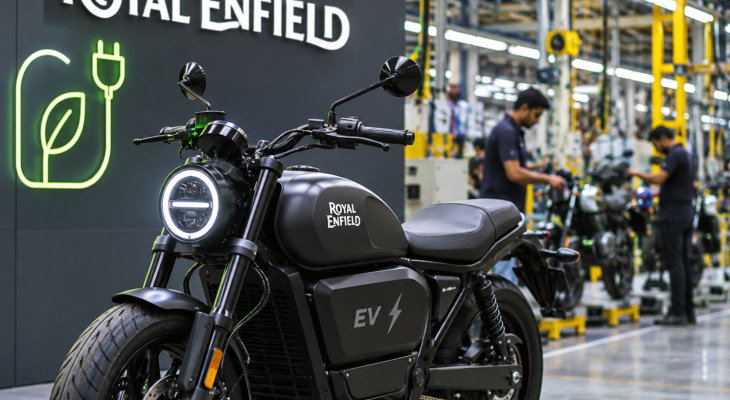
Royal Enfield is planning to invest Rs 1,000 crore in Tamil Nadu over the next seven years, with electric motorcycles at the centre of the expansion. The company’s parent, Eicher Motors, has signed a non-binding memorandum of understanding (MoU) with the state government for the proposed investment. It covers electric vehicle development, technology upgrades and manufacturing needs, rather than just adding another conventional motorcycle assembly line.
The proposed investment could create up to 500 direct and indirect jobs. Royal Enfield already has a major engineering and manufacturing presence in Tamil Nadu.

Royal Enfield has historically built its business around petrol-powered motorcycles, particularly the 350cc and larger segments. Its Flying Flea electric brand represents a different direction: compact, premium electric motorcycles designed primarily for urban riding. Electric motorcycles need battery systems, electronic controls, software, charging hardware and different production processes. Building these capabilities in-house, or close to existing suppliers, requires substantial spending before sales reach large volumes.
The company already has an electric mobility innovation
The company already has an electric mobility innovation laboratory and a manufacturing facility at Vallam Vadagal in Tamil Nadu. The new Rs 1,000 crore proposal should therefore be seen as an expansion of an existing electric vehicle programme, not evidence that Royal Enfield is about to build an entirely new factory.
The agreement is also non-binding. That means it sets out an investment intention; it does not mean the entire Rs 1,000 crore has already been spent, or that all the planned employment has already been created. The actual rollout will depend on future investment and implementation decisions.

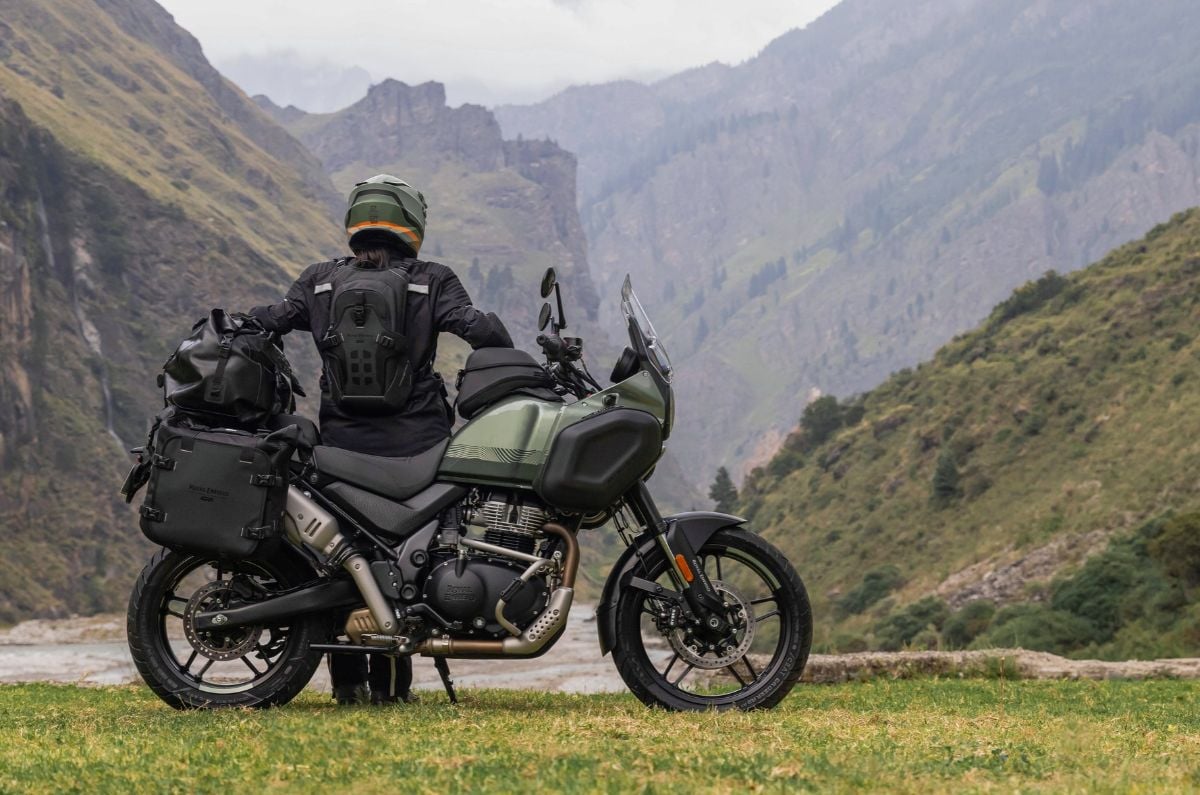
Royal Enfield launched the Flying Flea C6 earlier this year and has been expanding its presence city by city. The electric motorcycle uses a 3.91 kWh battery and has a claimed range of up to 154 km under the Indian Driving Cycle. It is intended for urban use rather than long-distance touring, which is where many customers still associate the Royal Enfield badge with motorcycles such as the Classic and Himalayan.
The C6 costs Rs 2.79 lakh ex-showroom when
The C6 costs Rs 2.79 lakh ex-showroom when purchased with its battery. There is also a Battery-as-a-Service option that brings the initial vehicle price to Rs 1.99 lakh.
These prices also tell us something about the company’s EV strategy. The Flying Flea is not competing directly with the cheapest commuter electric two-wheelers. It is trying to sell design, brand appeal, technology and a distinctive riding experience. That positioning may give Royal Enfield room to build an electric business without immediately starting a price war against established mass-market scooter manufacturers.

But it also limits the size of the initial customer base. A premium city motorcycle must persuade buyers who can already choose practical petrol motorcycles, electric scooters or even larger petrol-powered Royal Enfields for similar money. Stronger local manufacturing and a growing supplier network could improve costs over time.
The latest agreement should not be confused
The latest agreement should not be confused with Royal Enfield’s previously announced Rs 958 crore brownfield expansion at Cheyyar. That project was announced in February 2026 and is aimed at increasing overall motorcycle manufacturing capacity. Royal Enfield has said its expanded operations could take total annual capacity to around 20 lakh motorcycles.
The distinction matters because traditional motorcycle capacity and electric motorcycle capacity are not interchangeable. A company can increase output of petrol models while separately investing in EV battery integration, software, product development and assembly. Adding the two rupee figures together and describing the result as money already spent exclusively on electric motorcycles would be misleading.