When discussing income inequality, one may not immediately recognize how deeply connected it is to the natural environment. The communities that experience the risks of nature loss are most often lower-income and minority demographics, where 74% of those living in nature-deprived areas are people of color. Also, nearly 74% of communities in nature-deprived areas consist of low household incomes.
Embedding nature into community infrastructure serves more than an aesthetic purpose. Communities that lack nature are more susceptible to extreme weather conditions and climate change and experience worsened health in all aspects. Nature is also beneficial on the individual, socio-emotional level. Though there is no official medical diagnosis for a “nature deficit disorder,” exposure to nature has been shown to decrease heart rates, stress levels and exercise parts of the brain that are associated with positive feelings. Furthermore, time spent outside facilitates physical activity, which is medically and scientifically proven to be physically and mentally beneficial. On the community-level, green spaces are often viewed as shared spaces for individuals to meet and connect.
Nature deprivation occurs for a variety of reasons. Historically, practices such as redlining, displacement and other types of income-based discrimination have unequally allocated green spaces. Furthermore, ongoing modern practices such as urban sprawl and large-scale infrastructure expansion projects have damaged or destroyed the little green spaces left in these lower-income areas. Access to green spaces are limited by the institutions that manage them, which often do not represent much of the minority and low-income populations.
It is thus incredibly important to preserve
It is thus incredibly important to preserve the natural spaces around us, particularly in cities such as Cleveland. Cleveland currently ranks as the ninth most polluted city in the United States in regards to air quality and is home to some of the most dramatic income disparities within the nation. Aforementioned issues like infrastructure expansion is ongoing by major hospital networks such as Cleveland Clinic. Since its founding in 1921, the hospital has displaced many East Cleveland communities. Between 2017 and 2019, Cuyahoga County lost 6,600 acres of tree canopy, canopies that would otherwise provide rainwater run-off and improve air quality. To put it into context, Cleveland was 99% covered by trees before settlement. Now, forests cover only 21% of the landscape.
It goes without saying that the natural areas in Cleveland should be maintained and also kept accessible to all. Without dedicated spaces for greenery, quality of life overall will undoubtedly go down. Ironically, a good way to preserve something is to make good use of it. By regularly utilizing the natural spaces that Cleveland does have to offer, lawmakers can see the importance of nature to the Cleveland community.
As students, it is often easy to get wrapped up in studies and not look beyond the bounds of campus. Typically, the only exposure to nature that Case Western Reserve University students receive is the walk between their dorms and the Kelvin Smith Library. Although it is important to study, it is just as important, if not more, to receive fresh air and take mental breaks from the demands of our coursework. It is possible to appreciate nature and infuse an otherwise mundane or routine lifestyle with more color, especially when the fall season offers so many shades of yellow, orange and red.
Cleveland has many outdoor activities for every season
Cleveland has many outdoor activities for every season. For one, Cleveland is home to one of 64 designated national parks, Cuyahoga Valley National Park. The park was authorized on Dec. 27, 1974 by President Gerald Ford and, since then, it has been the sole national park in the state. The park may not be as grandiose and Americana as national parks like Yosemite or the Great Smoky Mountains, but it still holds its own as a beautiful space with a variety of natural areas, from pastoral fields, to rocky ledges to waterfalls.
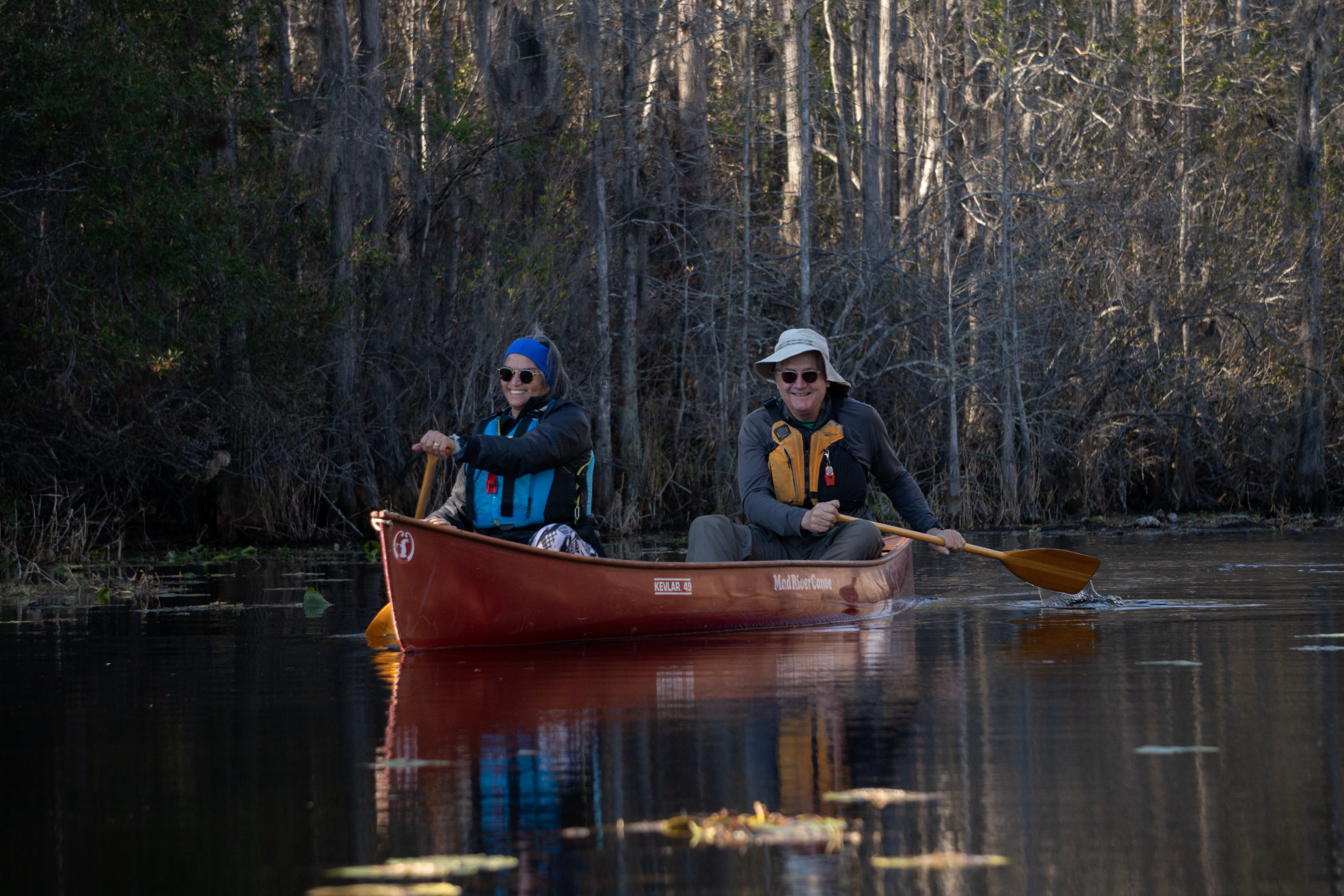
Within Cleveland, there are many Metroparks interwoven within the city. The 18 nature reservations provide much to choose from, whether it be a trail along Lake Erie or along a babbling creek. Of course, the Cleveland winter is quickly approaching, which may steal away much of the greenery and temperate weather that may be best suited for outdoor endeavors. However, there are still many winter activities, such as snowshoeing or sledding, that can be done.
One of the easiest ways to address the dwindling nature crisis in Cleveland is to take advantage of it. So, the next time the trees on the way to a dining hall aren’t scenic enough for you, make your way to one of the natural spaces in Cleveland and appreciate all there is to offer.