While the automotive world moves toward the complex, high-tech, and whisper-quiet forced induction, one stubborn relic of the mid-20th century refuses to die. The modern engine bay is dominated by twin-scroll turbochargers, variable valve timing and hybrid assistance, all designed to squeeze maximum power from small displacements. Yet, despite billions spent on modern engineering, a simple, old-school pushrod V8 engine matches, outperforms and surpasses its modern turbo rivals on the track, on the road and in the hearts of car builders around the world.
Why did turbochargers become the modern standard?
replacement for displacement
Stricter global emissions laws and fuel economy regulations forced manufacturers to downsize engines with turbocharged V6s and inline-fours. Turbos use wasted exhaust gases to force more air into the cylinders, allowing a small engine to punch well above its weight class under load.
The hidden costs of modern turbo tech

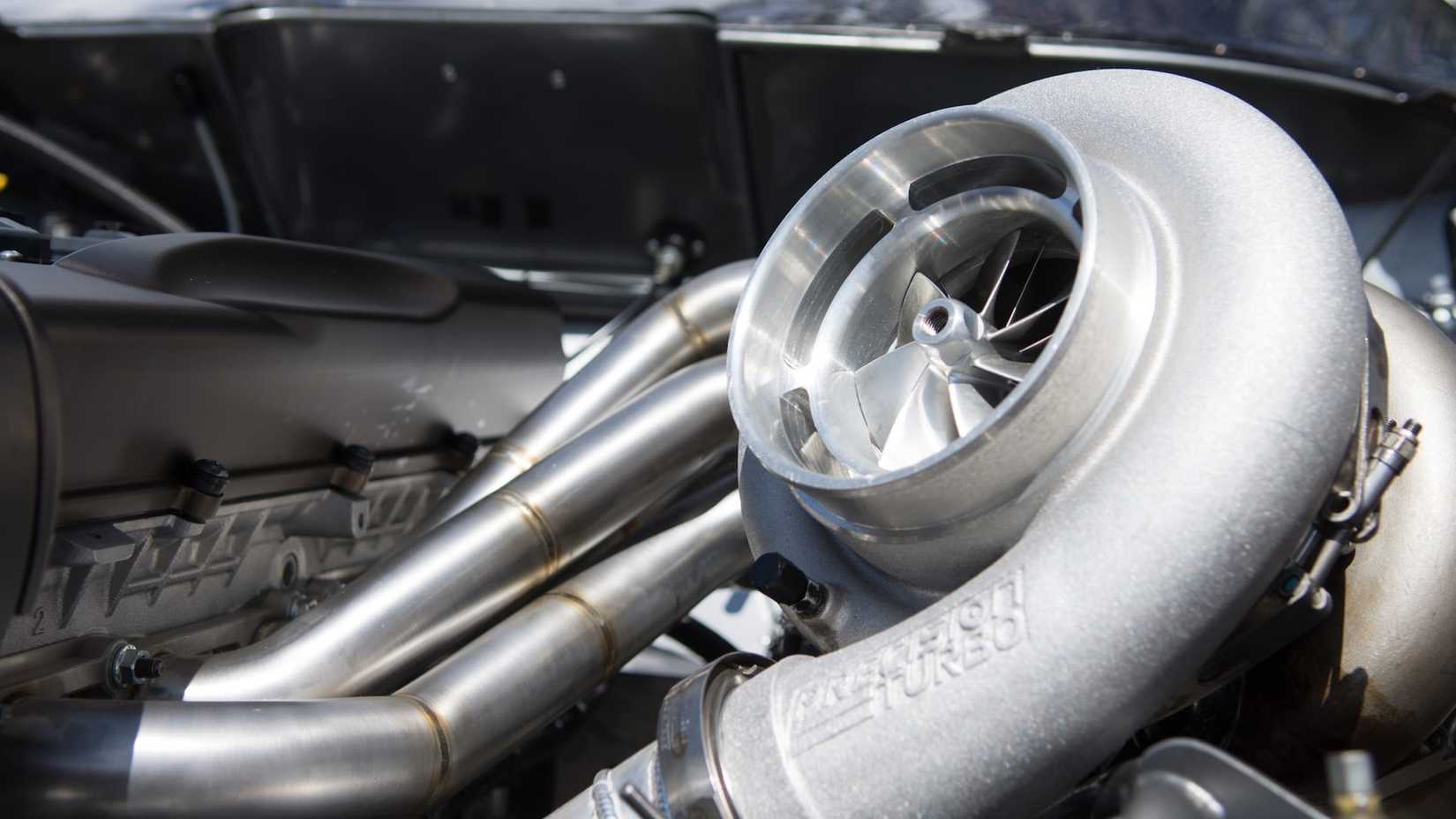
While turbochargers allow smaller displacement engines to produce more horsepower, forced induction can sometimes come at a serious structural and financial cost. This includes engineering headaches like excessive engine bay temperatures, intercooler plumbing, turbo lag, and dozens of sensor failure points that can come back to haunt you. All of these make turbocharged rivals less reliable than their naturally aspirated counterpart.
Running a small turbo engine often means dealing with non-linear throttle lag during turbo spool up. Under the hood, these units glow at temperatures in excess of 900°C, causing massive heat-absorption problems that bake nearby plastic components and wiring harnesses, and rapidly degrade engine oil. To manage this instability, modern systems require complex intercooler plumbing, dual-stage cooling paths, and a complex web of sensitive electronic wastegates and pressure sensors.

When a modern turbo platform fails due to warranty, diagnosing a faulty sensor network or replacing a cracked turbine housing can easily run into thousands of dollars. This is a highly stressful environment where the failure of a single component can cause widespread mechanical failure, making these complex rivals far more fragile than this old-school American V-8.

How GM’s most reliable V8 became a performance legend
The small block Chevy V-8 has been a staple of the American motoring industry since its inception.
The iconic Chevrolet small-block V-8
pushrod advantage
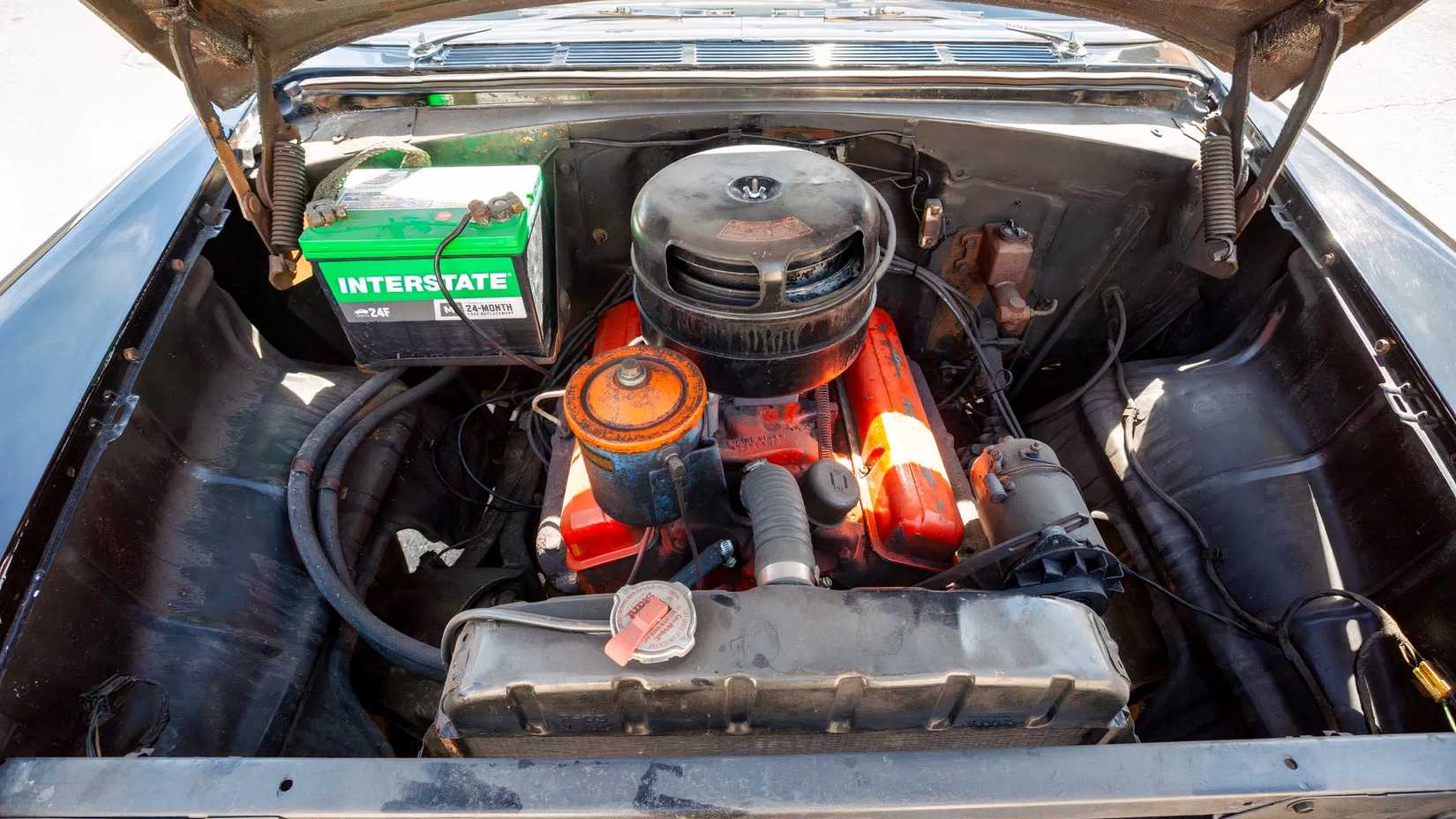
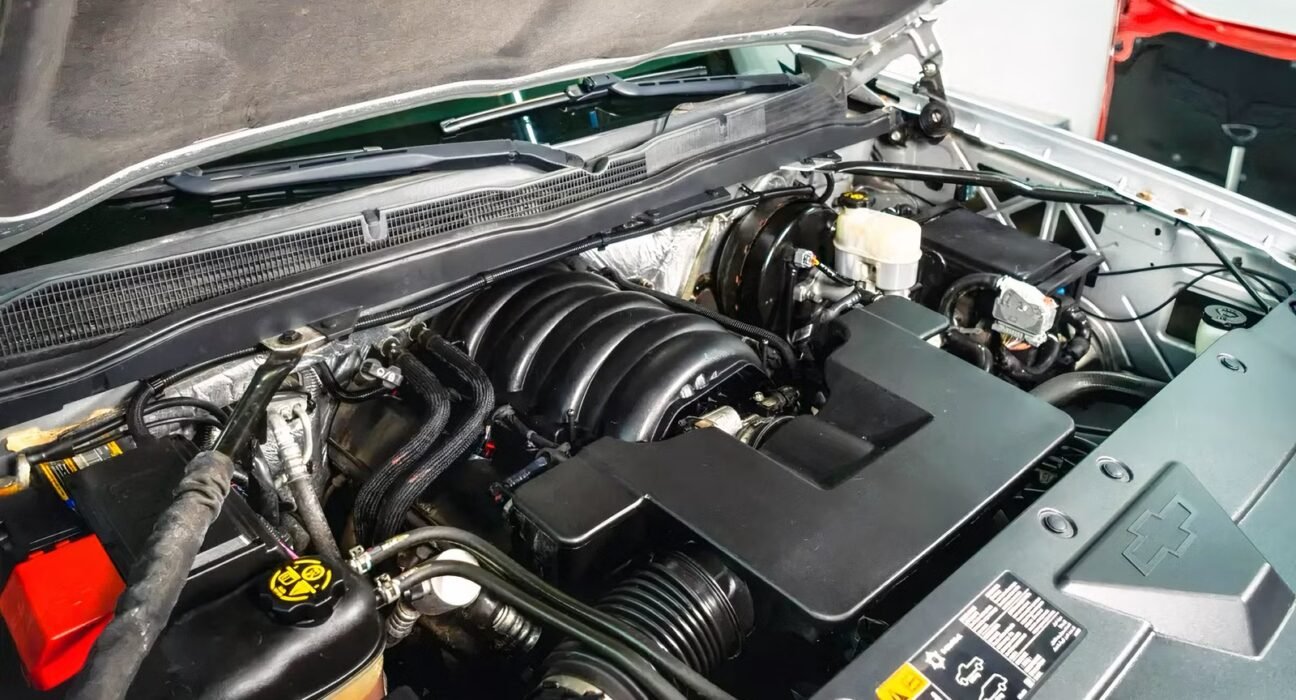
The overhead valve (OHV) design, which debuted in GM’s lineup in 1955, keeps the Chevrolet small-block V-8 incredibly compact, lightweight, and mechanically straightforward compared to massive dual-overhead-cam (DOHC) turbo engines. Because it has a single camshaft inside the engine block rather than on top of the cylinder head, a small-block is physically shorter and narrower than even a modern DOHC turbo-four, making it the ultimate packaging solution.
The original engine had a 3.75-inch bore and 3.00-inch stroke, producing between 162 and 195 horsepower, depending on carburetor setup. Although its 48-year production run ended in 2003, the Gen I small-block evolved to include several well-known variants and technological upgrades.
Evolution from generation I to LS
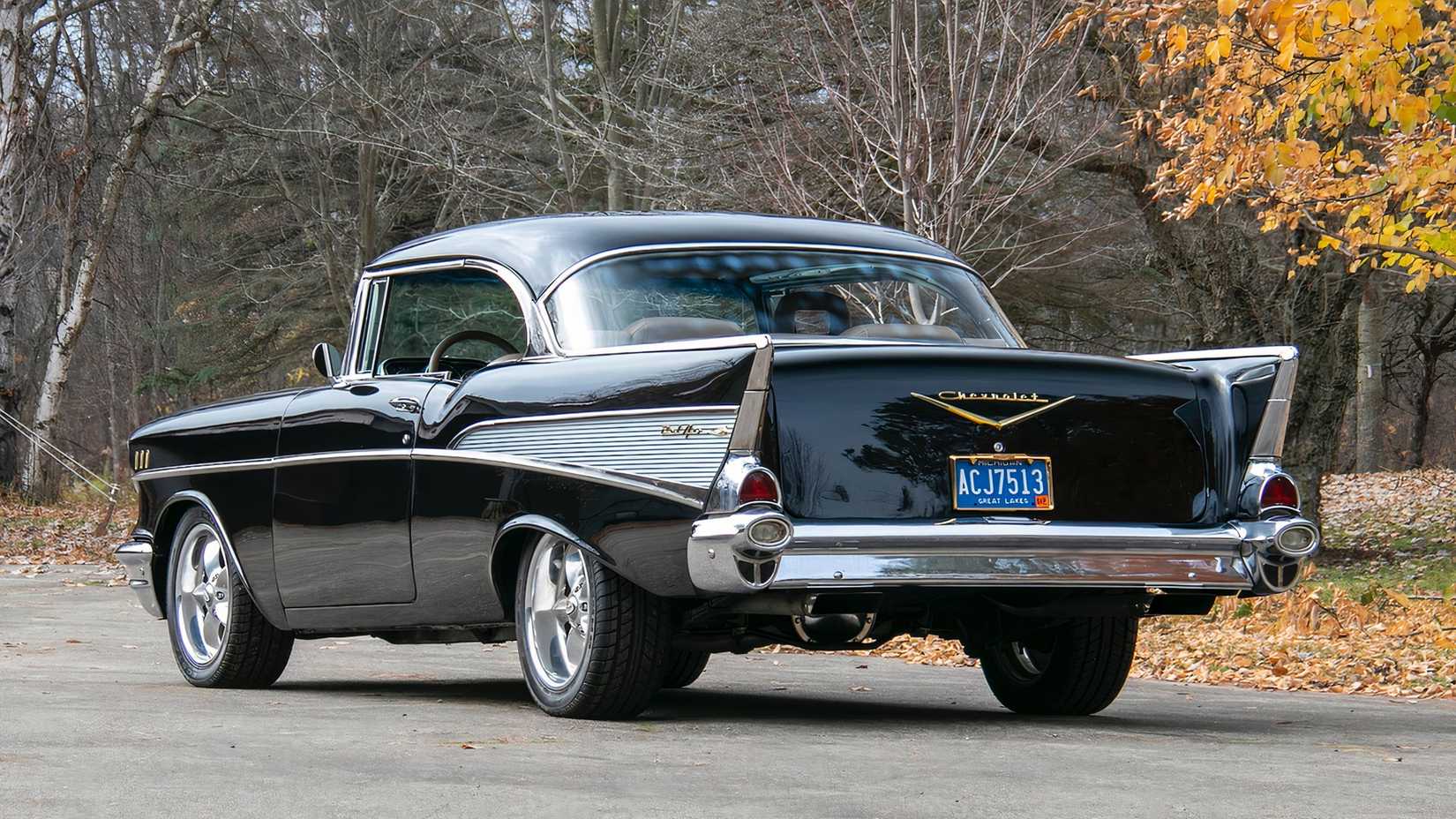
The Generation I Chevrolet small-block V-8 originally debuted in the 1955 Chevrolet Bel Air and a 1955 Chevrolet Corvette with 265 cubic-inch displacement. The engine set a new standard for mass-market performance and hot-rodding.
A notable milestone was the 283 cubic-inch engine introduced in 1957 which achieved “one horsepower per cubic inch” with its Rochester mechanical fuel-injection option. In 1962 the larger 327 cubic-inch engine offered better performance with a higher factory horsepower rating, reaching 385 horsepower in its top trim. In 1967, the 350 cubic-inch V-8 was born, arguably the most iconic small-block of all time.

In the mid-to-late 1980s, the basic block design was heavily updated to support modern, computer-controlled systems. It transitioned from a carburetted setup to throttle-body injection (TBI) and tuned-port injection (TPI), which significantly improved both power and emissions. In the 1990s, updated Gen I engines (specifically the Vortec 5700) were used in GM trucks and SUVs, peaking in engineering refinement and producing 255 horsepower and 330 pound-feet of torque.
The 90s brought big changes
The Chevrolet Generation II small-block V-8 (titled LT1) debuted for the 1992 model year. Although it retained the same basic 4.4-inch bore center and internal dimensions as the original Gen I engine, it introduced significant updates that prevented most major parts from being interchanged.
The Generation II small-block Chevrolet V-8 (LT1) evolved from the Generation I by introducing reverse-flow cooling, which routes coolant to the cylinder head before the block to reduce head temperatures and safely maintain the high 10.4:1 compression ratio without engine knock. Ignition accuracy saw improvements through a proprietary “Optispark” distributor mounted directly on the extended muzzle of the front camshaft, which also mechanically drives a unique, pulley-free water pump.
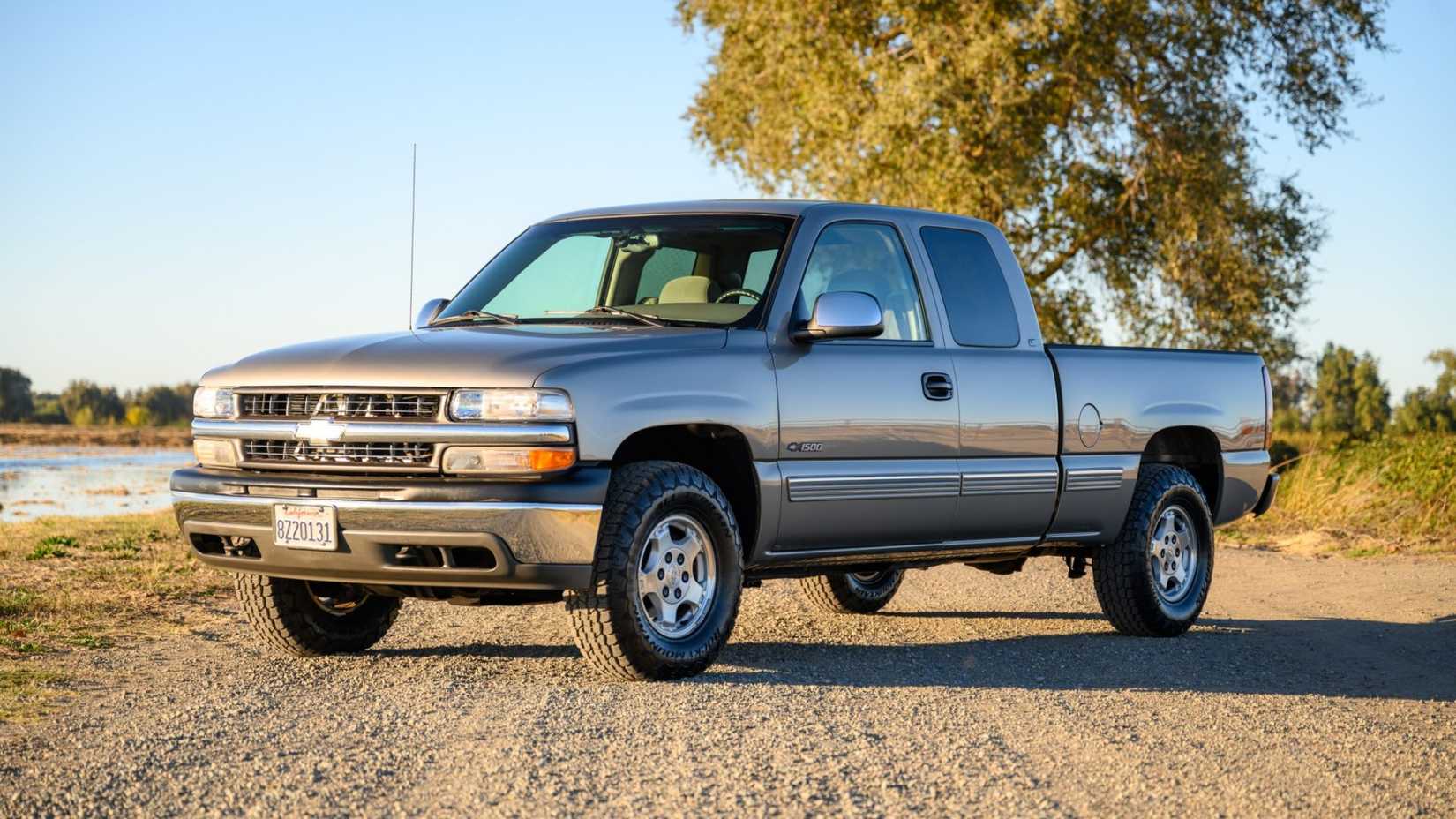
While these special cooling and auxiliary drive modifications completely alter the design of the engine block, cylinder head and intake manifold – making them largely non-interchangeable between generations – the core internal rotating assembly maintains high interchangeability, allowing the one-piece rear seal crankshaft, connecting rods and pistons to be freely swapped.
The final evolutionary leap came with the clean-sheet all-aluminum LS1. Retaining the classic 4.4-inch bore center and pushrod layout, it introduced an incredibly stiff skirt design and six-bolt main bearing caps, pushing the factory sports car output beyond 345 horsepower and rewriting the rules of structural durability.

Every Chevrolet Corvette Ranked From Best to Worst
The ultimate ranking of America’s most iconic sports cars.
Bulletproof Proof of Chevy Reliability
Iron-clad engineering and failure proofing
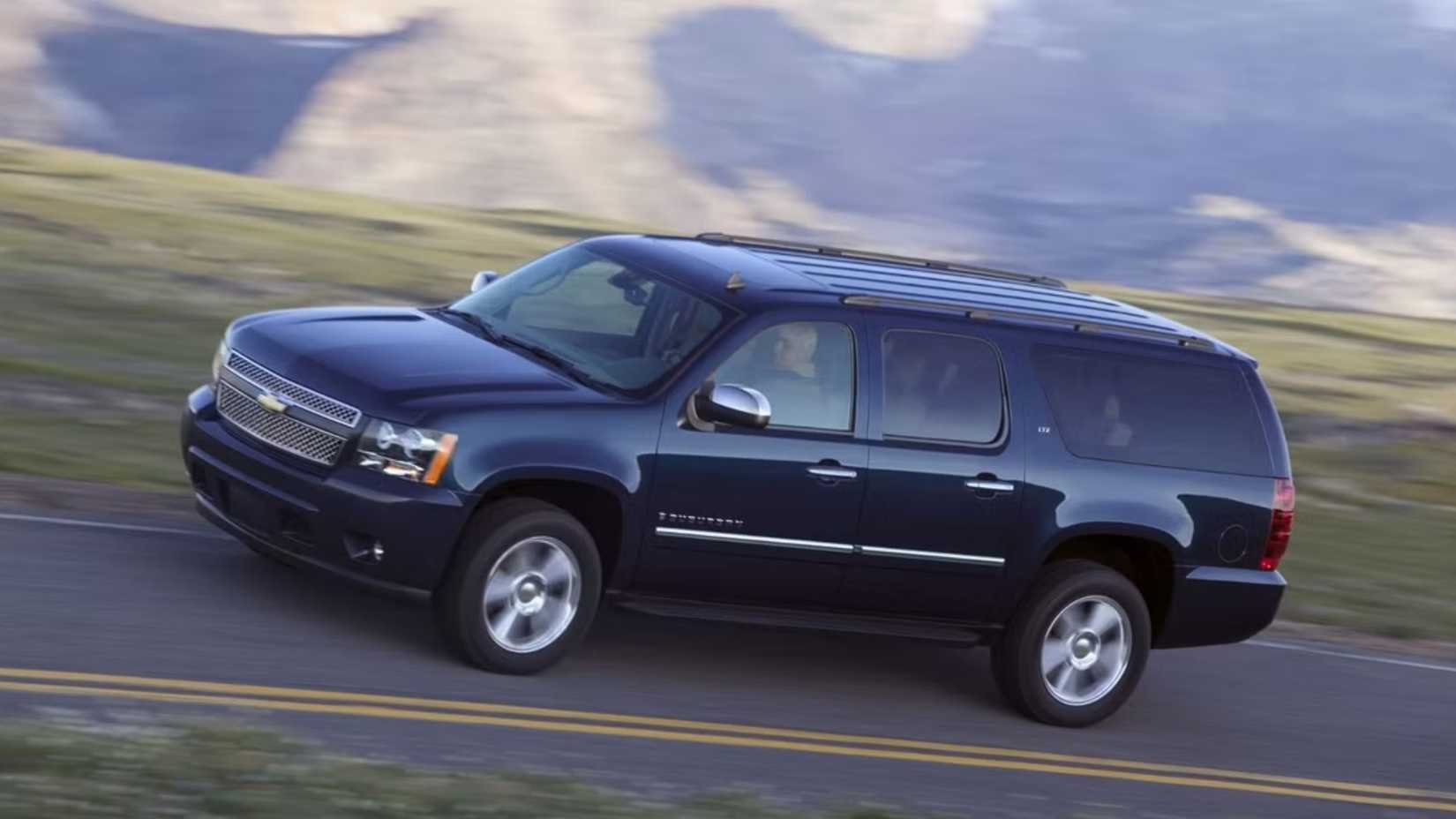
The reliability of this engine can be attributed to the small-block Chevy’s core architecture, which relies on an overhead valve (OHV), or pushrod, design. Unlike modern turbocharged rivals that use complex Dual Overhead Cam (DOHC) setups, the small-block engine operates with a single camshaft housed securely inside the block. Fewer moving parts meant that the Chevrolet small-block V-8 was far more reliable than turbocharged rivals.
A typical modern turbocharged V6 or V8 engine has four camshafts, variable valve timing (VVT) actuators for each cam, and incredibly long, winding timing chains or belts with multiple tensioners. If a tensioner fails, the engine can experience catastrophic valve-to-piston contact. The small-block uses a short, strong timing chain connecting the crankshaft directly to a single camshaft. There are significantly fewer components subject to frictional wear, reducing the statistical mathematical probability of mechanical failure.
Turbocharged engines generate excessive amounts of heat because they rely on glowing-hot exhaust gases to rotate turbines and force compressed air into the cylinders. This creates high combustion pressure (BMEP – Brake Mean Effective Pressure) and heat zones that rapidly degrade the engine oil, warp aluminum cylinder heads and strain head gaskets.
In its base configuration, the small-block Chevy gets its power through displacement rather than forced induction. Operating pressure and internal temperature remain relatively low and constant. Older small-blocks use deep-skirt cast-iron blocks that resist deforming under extreme loads. Modern aluminum LS variations feature six-bolt main bearing caps (compared to the standard two- or four-bolt caps found in many engines), which firmly secures the crankshaft and prevents block distortion even under extreme torque.
The Chevrolet small-block V-8 has been put through the ultimate torture test

Real-world evidence from drag strips, drift tracks and high-mileage work trucks shows that these engines put 300,000 miles or so on stock internal components swallowing massive amounts of aftermarket nitrous/boost. Several consumer and commercial fleet examples have documented these engines exceeding 500,000 to 1,000,000 miles on standard internal components with nothing more than routine fluid changes. The basic architecture allows the engine to operate under low-stress limits during highway travel, reducing cylinder wall wear.

The Chevy SUV that’s quietly leaving rivals behind in reliability ratings
Discover the Chevy SUVs that are earning top reliability ratings, outperforming rivals with durability, value and owner satisfaction.
Universal heart transplant: variations and where it lives
From factory pickup to supercar
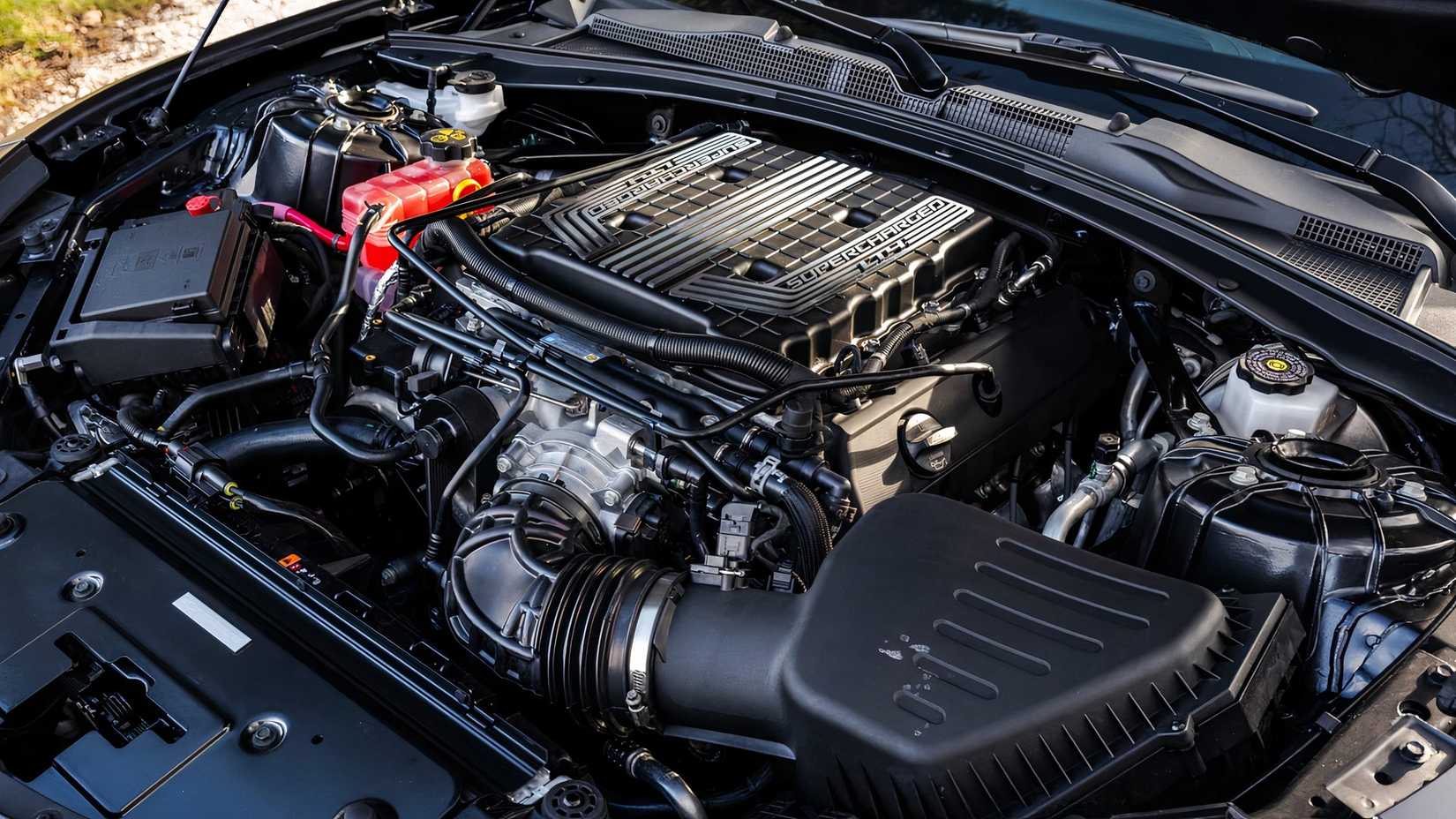
Found in everything from sports cars to heavy-duty trucks, it has served as the baseline for road performance for decades. Variations of this small-block have produced everything from the working-class Chevy Silverado and Tahoe to high-performance icons like the Corvette and Camaro.
“ls swap” incident
Due to its standardized design, compact external dimensions and extensive aftermarket support, it remains Universal option for engine swap Into classic cars, trucks and custom hot rods. This engine family is regularly turned into everything from Ford Mustangs and Mazda Miatas to European drift cars and classic hot rods, due to its affordable price and widespread aftermarket support.
Turbochargers may win the battle of showroom compliance and lab efficiency, but the Chevrolet small-block wins the battle of pure, unfiltered, reliable performance. As long as people want economy, lightness, and inexhaustible horsepower, this old-school engine will continue to serve well into the future, no turbocharger required.
Source: Chevrolet, AutoPartsWD, iCars